On the counter by the bread box sat a gray metal cash box, the kind with a handle on the lid.
“Shirley Peterson thanked me for the pear butter,” I said.
“She bought two,” Pam said. “We sold a hundred and thirty-two yesterday. The rest is in the garage, in crates, out of the light. I know how to keep a jar, Judy.”
“You sold Mama’s canning.”
“It’s food.” She took the towel off her shoulder and folded it in thirds. “It’s three hundred jars of food and nobody left in that house to eat it. It was going to sit down there in the dark until the seals went and somebody had to haul it to the ditch. Your mother would have wanted it eaten. You know she would.”
“She’d have wanted it eaten,” I said. “I’m asking about the four dollars.”
Nobody answered. The refrigerator hummed.
I looked at my brother. “Dennis.”
He folded the paper. He still didn’t look at me. He looked at the sugar bowl.
“There’s a letter from the hospital,” he said. “You want to see it?”
“No.”
“Well, there is one.”
I knew about the bill. Everybody at church did. Pam had her gallbladder out in March, and it went wrong, six days in a bed instead of one. After the insurance finished, they owed thirty-one hundred dollars, at a hundred and twenty-five a month. They paid April, May and June. Then the co-op cut the drivers back to four days, and July’s payment didn’t go, and August’s didn’t either.
“They turn it over to collections the end of the month if we’re not caught up,” Dennis said. “Two hundred fifty to be current.”
“You could have asked me.”
“For what? You and Hank are living on a county pension and a lumberyard check.” He finally looked up, and he looked tired clear through. “I’m not going to my sister for two hundred fifty dollars with Mama not in the ground a week. I’ve got that much pride left.”
“So you went to her cellar.”
“It’s canning, Jude. It’s not the farm. It’s not the family silver. It’s groceries.” He rubbed his face with both hands. “You got the recipe box. She gave it to you two years ago at Thanksgiving, in front of everybody, and nobody said boo. We got the jars. That seems about even to me.”
“You can make more,” Pam said. She said it kindly. That was the worst of it. “You know how. You’ve got the cards. Next August you’ll have a cellar full of your own.”
Make more.
I thought of my mother at her table three weeks before, with a peach in one hand and the paring knife in the other, taking the skin off in one long curl. I thought about how long it took her now. I had packed two full loads in the time she peeled for one, and I had stood at the stove pretending to fuss with the burner so she would not see me waiting.
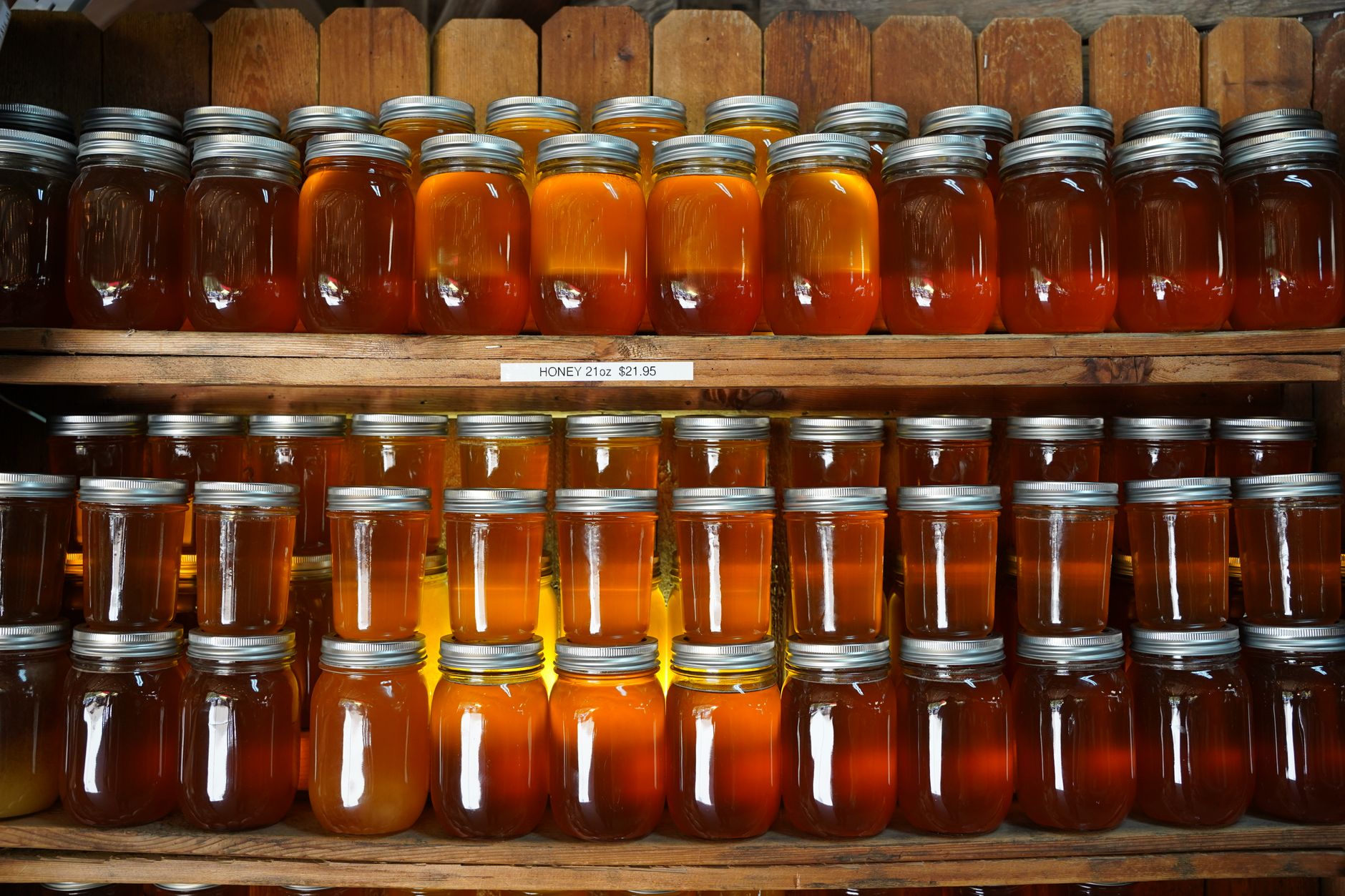
There were not going to be any more of those peaches. There were twenty-eight quarts, less whatever had gone on Saturday, and Pam had them in the garage in milk crates at four dollars each.
I said none of it. I am not a person who can say that kind of thing with a clear voice, and I was not going to say it in a cracked one in my brother’s kitchen.
“What time do you set up?” I asked.
Pam blinked. “Half past seven. Why?”

Sophia Rivers is an experienced News Content Editor with a sharp eye for detail and a passion for delivering accurate and engaging news stories. At TheArchivists, she specializes in curating, editing, and presenting news content that informs and resonates with a global audience.
Sophia holds a degree in Journalism from the University of Toronto, where she developed her skills in news reporting, media ethics, and digital journalism. Her expertise lies in identifying key stories, crafting compelling narratives, and ensuring journalistic integrity in every piece she edits.
Known for her precision and dedication to the truth, Sophia thrives in the fast-paced world of news editing. At TheArchivists, she focuses on producing high-quality news content that keeps readers informed while maintaining a balanced and insightful perspective.
With a commitment to delivering impactful journalism, Sophia is passionate about bringing clarity to complex issues and amplifying voices that matter. Her work reflects her belief in the power of news to shape conversations and inspire change.