“I just wondered.”
I went home.
Hank had the roast out and the potatoes on. He is sixty-six. He ran a motor grader for the county for thirty-four years, and he retired with a bad left knee and a habit of looking at a thing a long time before he says a word about it. He looked at me that way.
I told him. All of it, standing up, with my coat on.
He turned the burner down under the potatoes.
“Say the word,” he said, “and I’ll drive over there.”
“And say what?”
He thought about it. “Hadn’t got that far.”
It was the first time I had come anywhere near laughing in two weeks.
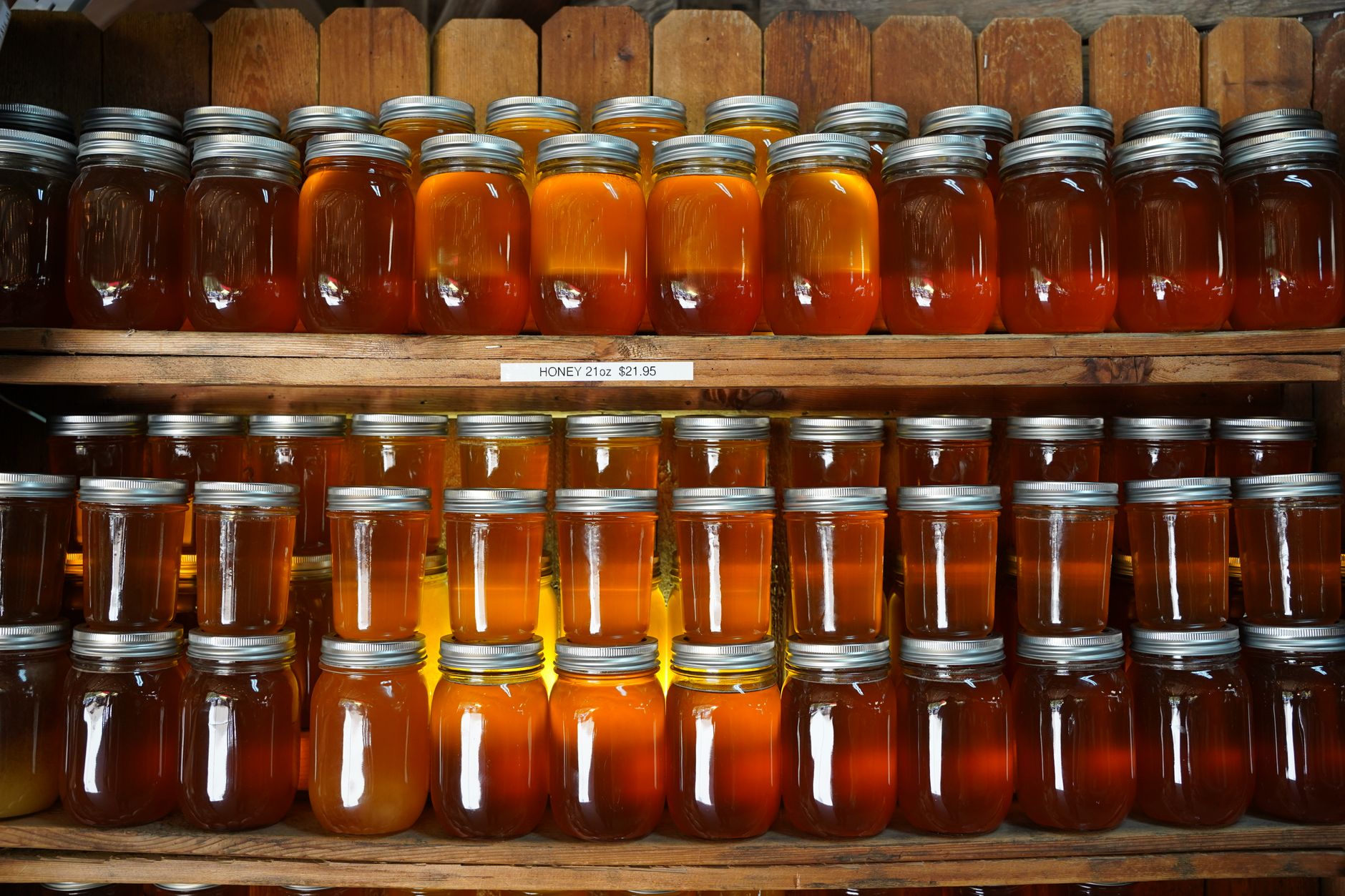
“Half those jars are your work,” he said. “Forty summers of it. You’ve got every right to carry out a hundred and fifty of them, and I’ll back the pickup to his garage door.”
“I wrote the lids, Hank. She grew the beans. She bought the sugar. It was her stove and her cellar and her jars. I was the hired girl.” I sat down finally. “And a hundred thirty-two of them are in other people’s cupboards. You can’t un-sell a peach.”
“You could tell him what you think of him.”
“On the courthouse square? Over pickles? The week after we buried her?” I shook my head. “That’s the one thing those jars were never for. She’d come up out of the ground.”
“Then what?” he said.
I didn’t know yet. I ate about four bites of dinner. Then I went to the shelf over the telephone and took down the tin box.
It is a green tin recipe box, the paint worn to bare metal at the corners, with a red rooster on the lid that you can only see now if you know he’s there. It is no bigger than a brick and it weighs less than a pound of butter. The hinge squeaks. It has squeaked since before I was born. When I was small I could hear that squeak from the yard and know it was a canning day.
I opened it at the kitchen table. The smell came up the way it always does: dill and vinegar and clove, and under that something like the inside of an old songbook. The cards are so soft at the corners they feel like flannel. Some have rings on them where a wet jar sat. The bread and butter pickle card is splashed yellow with turmeric from some August before I could read.
They are not only recipes. That is the thing my brother never knew, because he never stood at that stove. My mother wrote on her cards. Little notes, up the margins and across the corners, in pencil and fountain pen and then ballpoint as the years went.
The dilly beans card says, in the top corner, “July 1988. No rain since May. Beans too tough to can plain. Try pickling.” And under it, in different ink: “Walt ate a whole quart standing up. Make every year.”
Walt was my father.
The pear butter card has no date. It says, in the margin, “For new widows. Double it.” Below that is a list of last names that runs down the side of the card and over onto the back. Twenty-six of them. The last one was written in April.
The peach card says only, “Light syrup. Judy packs tighter than I do.”
I sat with that one a while.
Hank cleared the plates around me. He ran the water.

Sophia Rivers is an experienced News Content Editor with a sharp eye for detail and a passion for delivering accurate and engaging news stories. At TheArchivists, she specializes in curating, editing, and presenting news content that informs and resonates with a global audience.
Sophia holds a degree in Journalism from the University of Toronto, where she developed her skills in news reporting, media ethics, and digital journalism. Her expertise lies in identifying key stories, crafting compelling narratives, and ensuring journalistic integrity in every piece she edits.
Known for her precision and dedication to the truth, Sophia thrives in the fast-paced world of news editing. At TheArchivists, she focuses on producing high-quality news content that keeps readers informed while maintaining a balanced and insightful perspective.
With a commitment to delivering impactful journalism, Sophia is passionate about bringing clarity to complex issues and amplifying voices that matter. Her work reflects her belief in the power of news to shape conversations and inspire change.