“How much?” I said.
“Twenty-seven hundred.”
I said the number back to him. I don’t know why. I think I needed to hear how it sounded in my own mouth.
“Twenty-seven hundred dollars.”
“Cash. Mom, I’m three payments behind on the skid steer. They were fixing to come get it. If I lose that machine I lose every job I’ve got lined up for spring.” He was talking fast now, the way he did at nine years old with a baseball through the henhouse window. “I didn’t know what else to do.”
“You could have asked me.”
“You’d have said no.”
“Yes,” I said. “I would have.”
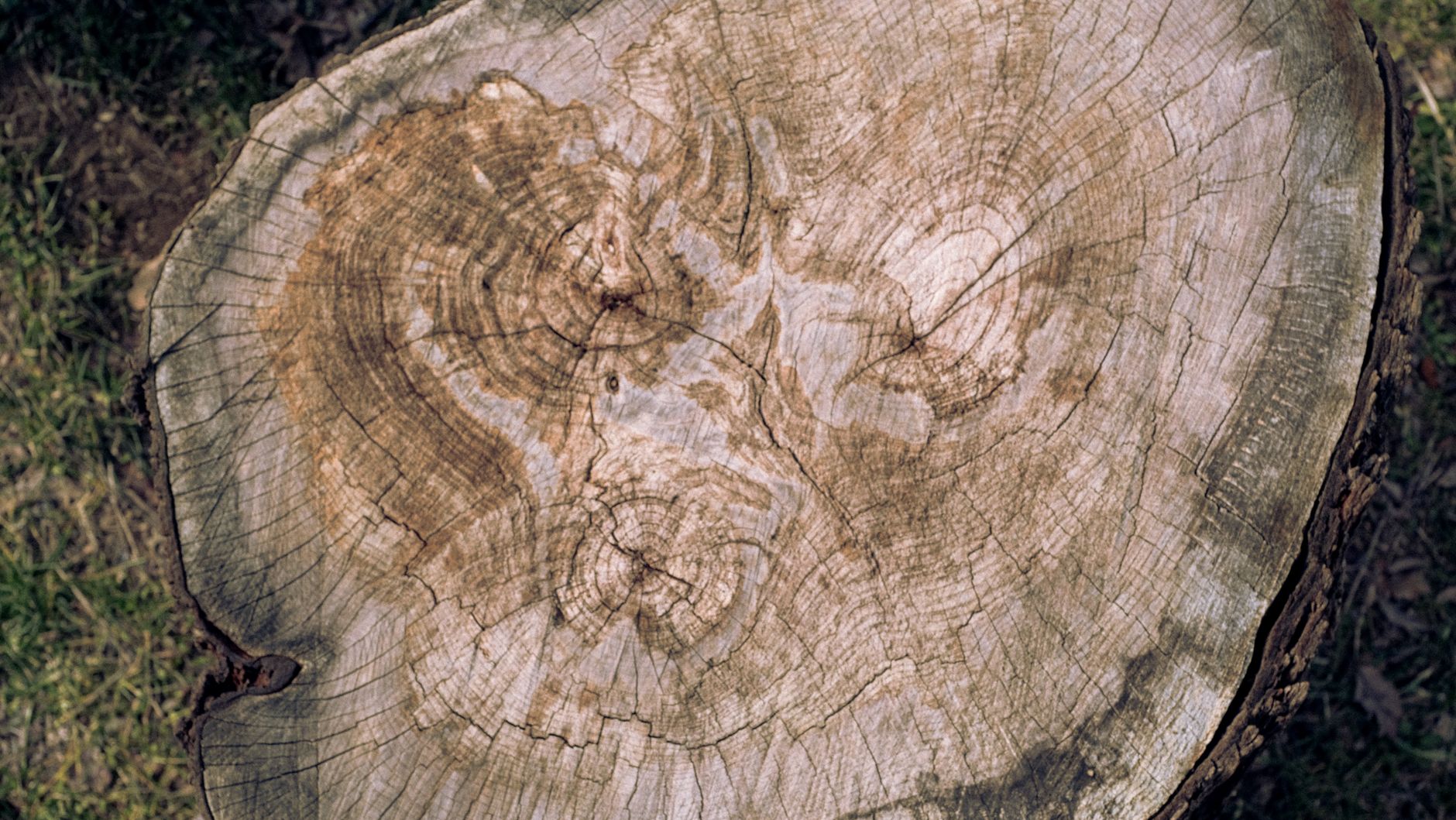
That was when he said it. He looked at the stumps, not at me, and he lifted one shoulder.
“They were going to be mine someday anyway, Mom.”
Down by the creek a cow bawled for her calf. Nothing else made a sound.
I have turned that sentence over a good many times since. I don’t believe he meant it the way it landed. I think he had been saying it to himself all week, to get the saw started, and it fell out of him because it was the thing lying nearest the top.
But it landed how it landed. My sister was one day in the ground, and my son was standing in my father’s sawdust telling me that what was mine was only mine until he needed it.
I didn’t cry and I didn’t holler. I have never been a hollerer, and I was too tired to start.
“Your grandfather planted those the spring he came home from Korea,” I said. “Nineteen fifty-two. He was twenty-two years old.”
“I know that.”
“No,” I said. “I don’t think you do.”
Ray put his cap back on.
“Go on home, son,” he said. Not mean. Just finished. “Your mother buried her sister yesterday. This’ll keep till she’s slept.”
Darren stood there another few seconds. I could see he wanted to say something more and couldn’t find the handle on it. Then he walked back down to the four-wheeler, and we listened to it go the whole length of the lane.
Ray carried the ham in. I stayed out until it was full dark, with my hand flat on the middle stump. It was still damp. It was cold as a creek rock.
I had better tell you about those trees, or none of the rest will make sense.
My father’s name was Emil. He raised burley tobacco and milked a few cows on this same hundred and twelve acres outside Campbellsville. Before that he was a boy who had never been farther from home than Louisville, and in between he spent fourteen months in Korea with the infantry.
He came home in April of 1952. My mother said he got off the bus in town, walked the six miles out because he didn’t want to trouble anybody for a ride, ate two plates of supper, and slept until the next afternoon.
Three days later he took a spade and a feed sack down to the creek. There is a bend down there where walnuts have always come up wild along the bank. He dug three seedlings no taller than a yardstick, wrapped the roots in the wet sack, and carried them up to the house. He set them in a row along the lane fence, forty feet apart, because he said a walnut wants room.

Lila Hart is a dedicated Digital Archivist and Research Specialist with a keen eye for preserving and curating meaningful content. At TheArchivists, she specializes in organizing and managing digital archives, ensuring that valuable stories and historical moments are accessible for generations to come.
Lila earned her degree in History and Archival Studies from the University of Edinburgh, where she cultivated her passion for documenting the past and preserving cultural heritage. Her expertise lies in combining traditional archival techniques with modern digital tools, allowing her to create comprehensive and engaging collections that resonate with audiences worldwide.
At TheArchivists, Lila is known for her meticulous attention to detail and her ability to uncover hidden gems within extensive archives. Her work is praised for its depth, authenticity, and contribution to the preservation of knowledge in the digital age.
Driven by a commitment to preserving stories that matter, Lila is passionate about exploring the intersection of history and technology. Her goal is to ensure that every piece of content she handles reflects the richness of human experiences and remains a source of inspiration for years to come.