“But that’s stealing,” she said, the way a child of eight says the sky is blue.
Kim made a small sound in her throat.
“Yes,” Darren said, and his voice cracked down the middle. “It is. They weren’t mine. I told myself they were going to be someday. That’s not the same thing, and I knew it wasn’t the same thing when I pulled the cord on the saw.”
He turned to me. His eyes were wet, and I had not seen that since we buried his grandfather.
“Mom, I’m sorry. I’m sorry for the trees, and I’m sorrier for what I said to you Friday. I heard it come out of me and I’d have given the machine to have it back.”
He took an envelope out of his shirt pocket.
“Three payments at eight-seventy is twenty-six ten. I paid that Wednesday. This is the ninety that’s left.”
He laid it beside my plate.
I didn’t pick it up, and I didn’t push it back.
“I can’t put them back,” he said. “Tell me what to do.”
I had thought about that for two days and I still had no list.
“I don’t know yet,” I said. “But you’ve done the first thing. You told your boy the truth out of your own mouth, at your mother’s table, with your aunt and uncle looking at you. That counts with me, Darren. It counts for a great deal.”
I slid the envelope back across to him.
“Hold on to that. You’ll know what it’s for.”
Mason reached over and put his hand on his father’s arm. He didn’t say anything. Boys of eleven don’t. He just left it there, and Darren covered it with his own, and Linda finally set the gravy boat down.
It was Ray who spoke next.
“I’m going to call Yoder,” he said.
Mr. Yoder is a Mennonite man from over toward Liberty who runs a small band mill behind his house. Ray has known him twenty years, because Yoder’s brother milks cows on Ray’s route. He saws barn siding and trailer decking, mostly, and a walnut slab now and then for people who want a mantel.
He came Monday evening after his mill shut down, in a flatbed truck, with a logger’s tape on his belt. He is not a talker.
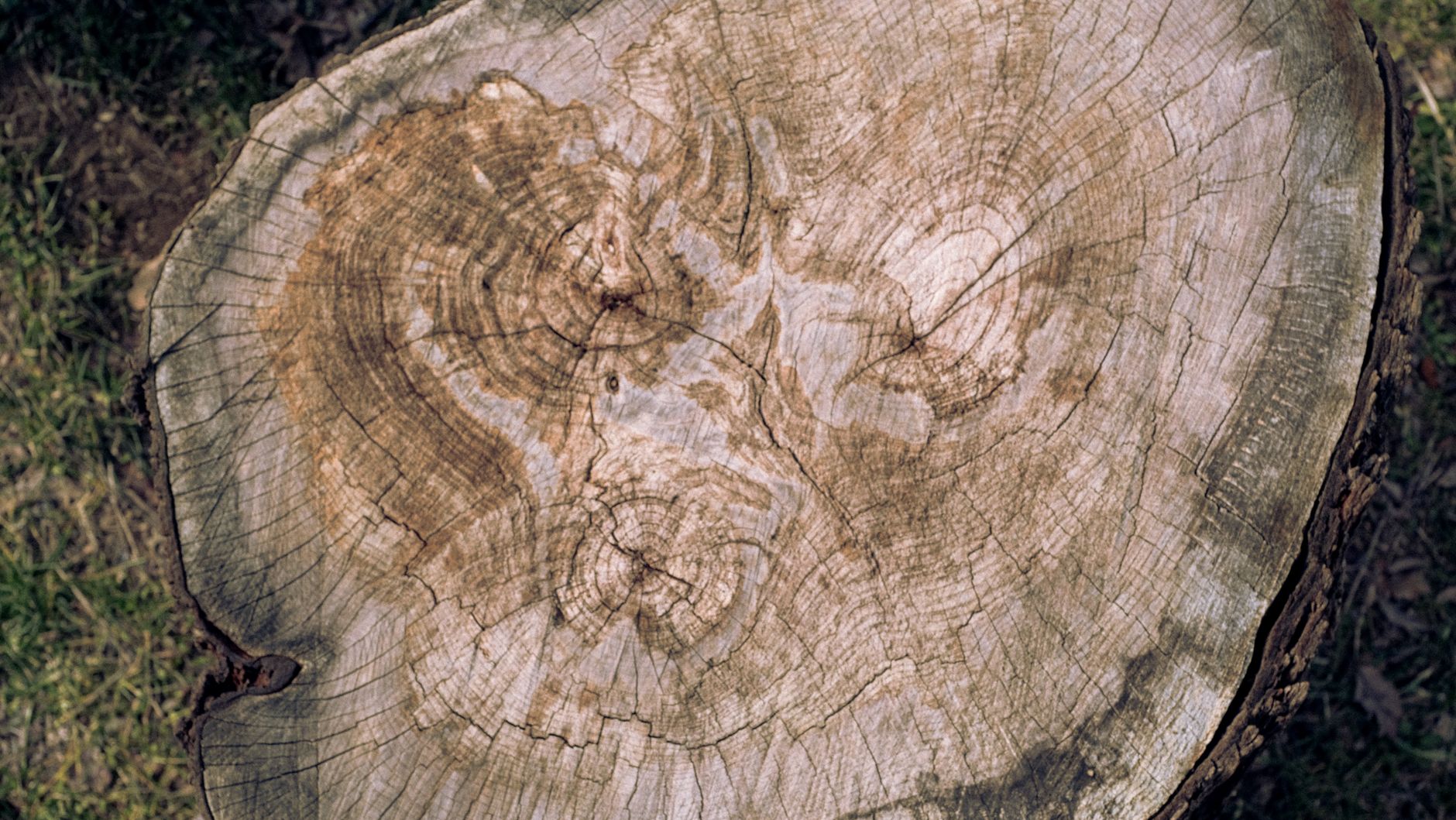
He walked the stumps and measured across each one. Thirty inches, thirty-one, thirty-three. He waded into the tops and measured where the saw had taken the logs off. He picked up a round the buyer had trimmed off an end and left lying, turned it over in his hands, and smelled it.
“Who limbed these up when they were young?” he said.
“My father.”
“He knew what he was about. A yard tree is mostly worth nothing. Short, crooked, full of nails and fence staples, and no mill wants it. These were grown like timber.”
He turned to Darren. He was not unkind about it, and he was not gentle either.
“What did the man pay you?”
“Twenty-seven hundred.”
“Did he scale them in front of you? Write you a ticket?”
“No, sir. He walked around them and gave me a number.”
Yoder took a carpenter’s pencil from his shirt pocket and wrote on the back of a feed receipt against the hood of his truck. He talked while he wrote, slow, so we could follow.
“Three butt logs, twelve foot long, twenty-four inches at the little end. That is three hundred board foot apiece. Nine hundred foot. Clean veneer walnut has been bringing eight dollars a foot and better. That is seventy-two hundred dollars.”

Lila Hart is a dedicated Digital Archivist and Research Specialist with a keen eye for preserving and curating meaningful content. At TheArchivists, she specializes in organizing and managing digital archives, ensuring that valuable stories and historical moments are accessible for generations to come.
Lila earned her degree in History and Archival Studies from the University of Edinburgh, where she cultivated her passion for documenting the past and preserving cultural heritage. Her expertise lies in combining traditional archival techniques with modern digital tools, allowing her to create comprehensive and engaging collections that resonate with audiences worldwide.
At TheArchivists, Lila is known for her meticulous attention to detail and her ability to uncover hidden gems within extensive archives. Her work is praised for its depth, authenticity, and contribution to the preservation of knowledge in the digital age.
Driven by a commitment to preserving stories that matter, Lila is passionate about exploring the intersection of history and technology. Her goal is to ensure that every piece of content she handles reflects the richness of human experiences and remains a source of inspiration for years to come.