I started staying late at work. I’d sit in my car in the office parking garage, eating drive-through tacos and scrolling my phone until nine or ten at night, because going home meant walking into a house that didn’t feel like mine anymore.
The house Dad had left to both of us had turned into Travis and Britney’s place. I was the unpaid caretaker.
One night I updated the spreadsheet out of habit. Then I added up the totals.
In the twenty months since we’d moved in, I’d paid $19,840 toward the house. Travis had paid $4,310.
I was covering roughly eighty percent of everything.
That included the property taxes, which came due twice a year. Franklin County billed the house $3,960 a year, split into two installments of $1,980. I’d paid all four installments since Dad died. Every time I asked Travis for his half, he said he’d “get me back next month.”
He never did.
My friend Connor saw the spreadsheet over beers one night at a bar in the Short North. Connor and I had been friends since freshman year at Ohio State. He worked in commercial property management and could spot a bad deal from across a room.
He scrolled through it on my phone for a long time. Then he set it face down on the bar.
“Ryan. You’re paying for the privilege of being invisible in your own home.”
“He’s my brother.”
“He’s your roommate who doesn’t pay rent. Your brother would at least water the tomatoes.”
I laughed it off. I made excuses. Travis was going through a rough patch. Real estate was slow. He was still grieving Dad, in his own way.
I kept making excuses right up until the day I sat on that bench.
My company sent me to Denver for two weeks to oversee a network migration at a hospital system. It was a big project, the kind that gets your name noticed by the people who decide promotions.
The night before I left, I stood in the kitchen and asked Travis for three things.
“Water Dad’s tomato plants. Every other day. They’re the last ones he planted, and they’re still producing.”
“Got it.”
“Take the trash to the curb on Tuesdays.”
“Easy.”
“And pick me up from the airport on October 12th. My flight lands at 4:15.”
“Sure, bro. No problem.”
He even wrote it on a yellow sticky note and stuck it on the refrigerator: RYAN AIRPORT OCT 12 4:15.
The morning of the 12th, I texted him from the Denver airport: Landing at 4:15. See you at arrivals.
He replied with one word: Bet.
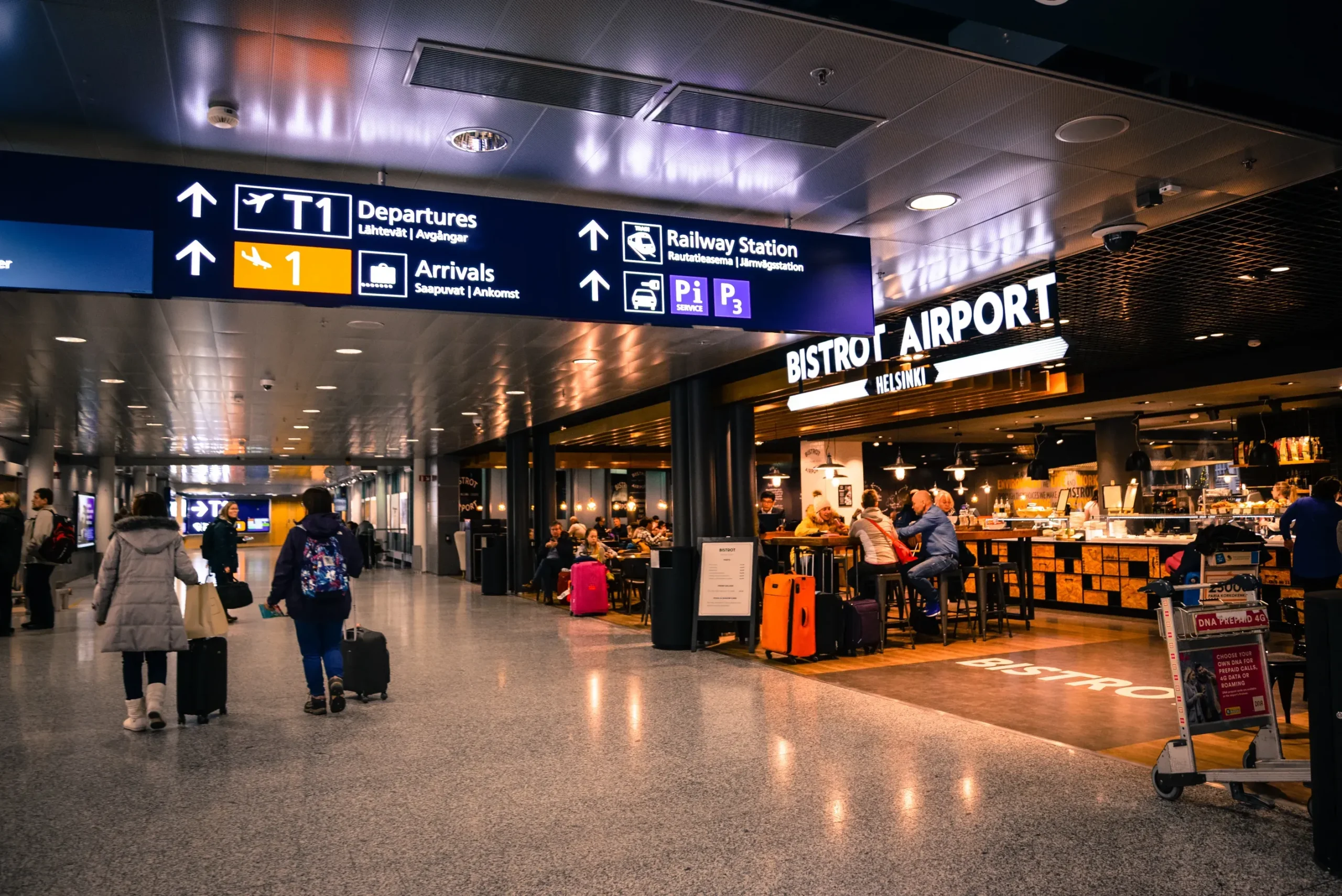
My plane touched down at 4:22. I collected my suitcase from baggage claim and walked out to the pickup area around five.
No Travis.
I texted him from outside Door 6: Here. Where are you?
Nothing.
I called. It went straight to voicemail.
At first I figured traffic was bad. Columbus rush hour on a Thursday can be brutal.
At six, I called again. Voicemail. I called Britney. Voicemail.
At seven, I called my mother.
“Honey, I’m sure he’s on his way,” she said. “You know how traffic gets.”
“Mom, it’s been two hours. He’s not answering.”
“Maybe his phone died. Don’t jump to conclusions, Ryan. Your brother loves you.”
Even then, she had an excuse ready for him. She always did.
So I sat on that bench while the sun went down. I watched parents hug their kids and couples kiss by the curb. My phone battery dropped to ten percent, then eight, then six.
At 8:45, Travis finally called.
You already know what he said.

Sophia Rivers is an experienced News Content Editor with a sharp eye for detail and a passion for delivering accurate and engaging news stories. At TheArchivists, she specializes in curating, editing, and presenting news content that informs and resonates with a global audience.
Sophia holds a degree in Journalism from the University of Toronto, where she developed her skills in news reporting, media ethics, and digital journalism. Her expertise lies in identifying key stories, crafting compelling narratives, and ensuring journalistic integrity in every piece she edits.
Known for her precision and dedication to the truth, Sophia thrives in the fast-paced world of news editing. At TheArchivists, she focuses on producing high-quality news content that keeps readers informed while maintaining a balanced and insightful perspective.
With a commitment to delivering impactful journalism, Sophia is passionate about bringing clarity to complex issues and amplifying voices that matter. Her work reflects her belief in the power of news to shape conversations and inspire change.