I stayed the night. I slept in my old bedroom upstairs, under a pile of quilts, listening to the furnace kick on every twenty minutes. I got up twice in the night to check on Mom. Both times she was asleep in her own bed with the covers up to her chin, breathing slow and easy.
In the morning I made her oatmeal and sat across from her while she ate it.
“Mom, I need to ask you some things. Not to make trouble. Just so I understand.”
She set down her spoon. “All right.”
“How long has it been cold in the house?”
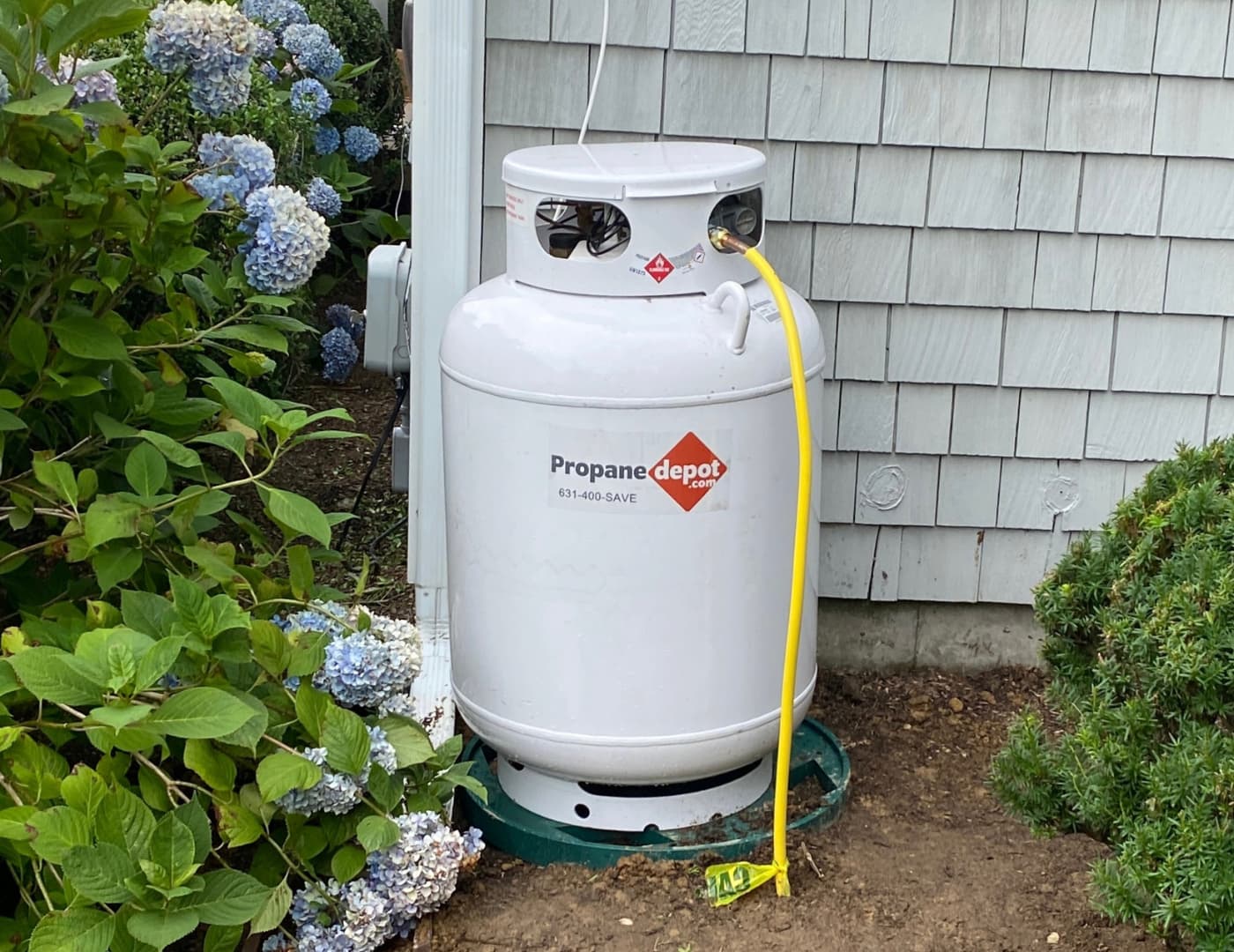
She thought about it. “Since around Thanksgiving, I suppose. I started turning it down when the tank got to half. Pam said she’d get a top-off after Christmas.”
“Did she?”
“She said the co-op was backed up.”
The co-op wasn’t backed up. I’d asked Bev on the phone. They’d made their deliveries on schedule all winter.
“Mom, has Pam been helping with anything else? Your bills, your bank account?”
She hesitated. “She drives me to the bank in Harvey on the first of the month to deposit my Social Security. And she helps me pay my bills sometimes.”
“Is she on your bank account?”
“Since your father passed. Mr. Ostrander said it was a good idea to have someone on the account who lives close. In case I got sick.”
I kept my face calm. At work, I’ve seen this many times. A son or daughter gets added to a parent’s checking account for convenience. Then one day money starts leaving that shouldn’t be leaving. Sometimes it’s a misunderstanding. Sometimes it’s not. The bank calls it elder financial exploitation, and it’s one of the most heartbreaking things I see.
I didn’t want to believe it about my sister. Not Pam, who used to braid my hair before school. Pam, who drove four hours through a blizzard to be with me when my first baby was born.
“Mom,” I said carefully, “would you let me look at your bank statements? Just so I can help you keep track.”
She looked at me for a long moment. Then she got up, went to the old rolltop desk in the dining room, and brought back a manila folder.
“Your father always kept everything,” she said. “I just keep putting them in the folder.”
I spread the statements out on the kitchen table. Mom’s checking account at Harvey State Bank. Her income every month was simple: Social Security of $1,640, and Dad’s small pension from the farm co-op of $310. Then, twice a year, the cash rent from the Schmidt boys for the cropland, about $28,000 in March and again in October.
I went through the statements line by line, the way I would for a loan application.
Most of it was normal. The electric bill. Her Medicare supplement premium. Her church tithe. Groceries at the store in Harvey.
But starting in October, there were checks that weren’t normal.
October 15: Check #2241, $1,400, payable to Pam Kessler. Memo: house pmt.
November 15: Check #2258, $1,400, payable to Pam Kessler. Memo: house pmt.
December 15: Check #2270, $1,400, payable to Pam Kessler. Memo: house.
January 15: Check #2283, $1,400, payable to Pam Kessler.
Four checks. Five thousand six hundred dollars.
The handwriting on all four was my mother’s.

Laura Bennett writes about complicated family dynamics, difficult conversations, and the quiet moments that change everything. Her stories focus on real-life tensions — inheritance disputes, strained marriages, loyalty tests — and the strength people find when they finally speak up. She believes the smallest decisions often carry the biggest consequences.