Derek’s smile vanished. My mother’s face tightened.
Derek stepped closer, close enough that I could smell the bourbon on his breath. “Don’t start something, Claire.”
“I didn’t approach you,” I said quietly. “You approached me.”
That should have ended it. But my mother noticed people watching us, and an audience always made her bolder.
“Claire has always been dramatic,” she announced to the people around us, loud enough to carry. “Selfish. Determined to embarrass her family. She walked out on us when her father was dying, you know. Never came back. Never called.”
Then she looked straight at me and said the one thing she knew could still hurt.
“Your father would have been ashamed of you.”
That landed harder than I wanted her to know.
My father, Robert Bennett, had been seriously ill when my mother threw me out. Emphysema, from forty years of smoking Pall Malls and working in a shipyard in Newport News breathing asbestos and paint fumes. By the time I was nineteen, he couldn’t walk across a room without stopping to rest.
I could still see him that night, standing beside his oxygen machine in the living room, the clear tube looped over his ears, struggling to get up out of his recliner while my mother opened the front door. I could still hear her voice.
“You’re nothing without this family, Claire. Nothing. Get out.”
But there was something my mother didn’t know.
After I left, my father found me. He wrote to me in secret. And before he died, he told me things about our family that my mother had spent twenty-five years believing I would never learn.
“Don’t use Dad,” I said quietly.
For one second, fear flashed across her face.
Derek missed it. I didn’t.
Derek stepped closer. “You know what? If you had any respect for actual servicemen, you’d take that jacket off. You’re embarrassing everybody here.”
He reached for my shoulder, for the shoulder board with the star on it.
I caught his wrist before his fingers touched my uniform.
“Do not touch me.”
I let go immediately. I didn’t twist his arm or push him. I just stopped him.
But being stopped in front of strangers humiliated him, and Derek had never handled humiliation well. His face went red.
His hand came across my face before anyone could move.
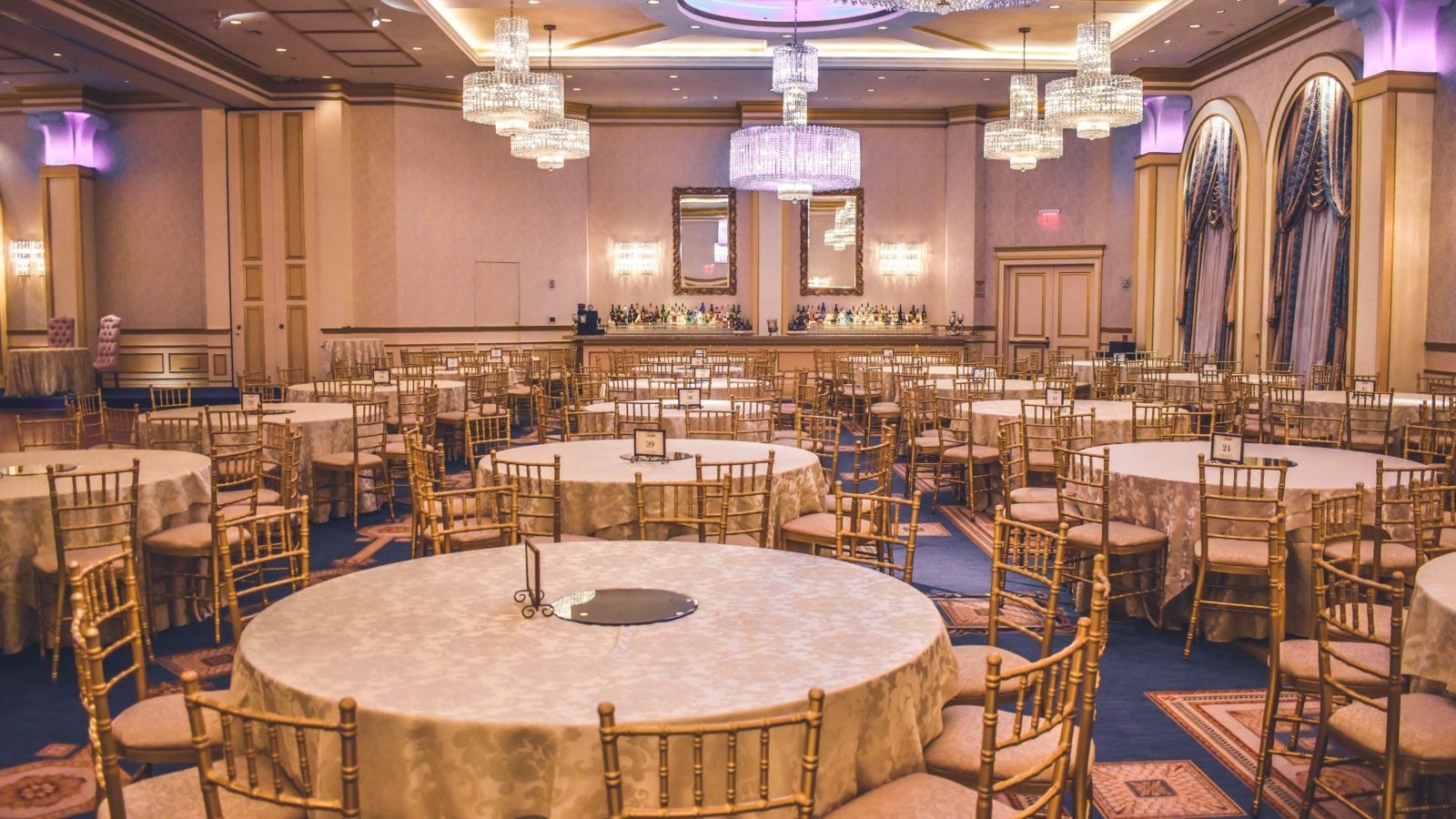
Now nearly four hundred people were on their feet, and Master Chief Keating was walking toward me down the aisle between the tables.
The ballroom was completely silent.
Keating stopped a few feet away. His eyes moved from the blood on my lip to the insignia on my shoulders. Then he turned toward Derek, his expression colder than I had ever seen it, colder than the day in 2003 when he found out a petty officer had been stealing from the ship’s store.
“Do you have any idea who you just struck?” he asked.
Derek tried to laugh, but it came out weak and thin. “She’s my sister. This is a family matter.”
Keating didn’t move an inch. “No, sir. You made it everyone’s business the moment you assaulted a senior naval officer at an official military event.”

Specialty: Quiet Comebacks & Personal Justice
David Reynolds focuses on stories where underestimated individuals regain control of their lives. His writing centers on measured decisions rather than dramatic outbursts — emphasizing preparation, patience, and the long game. His characters don’t shout; they act.