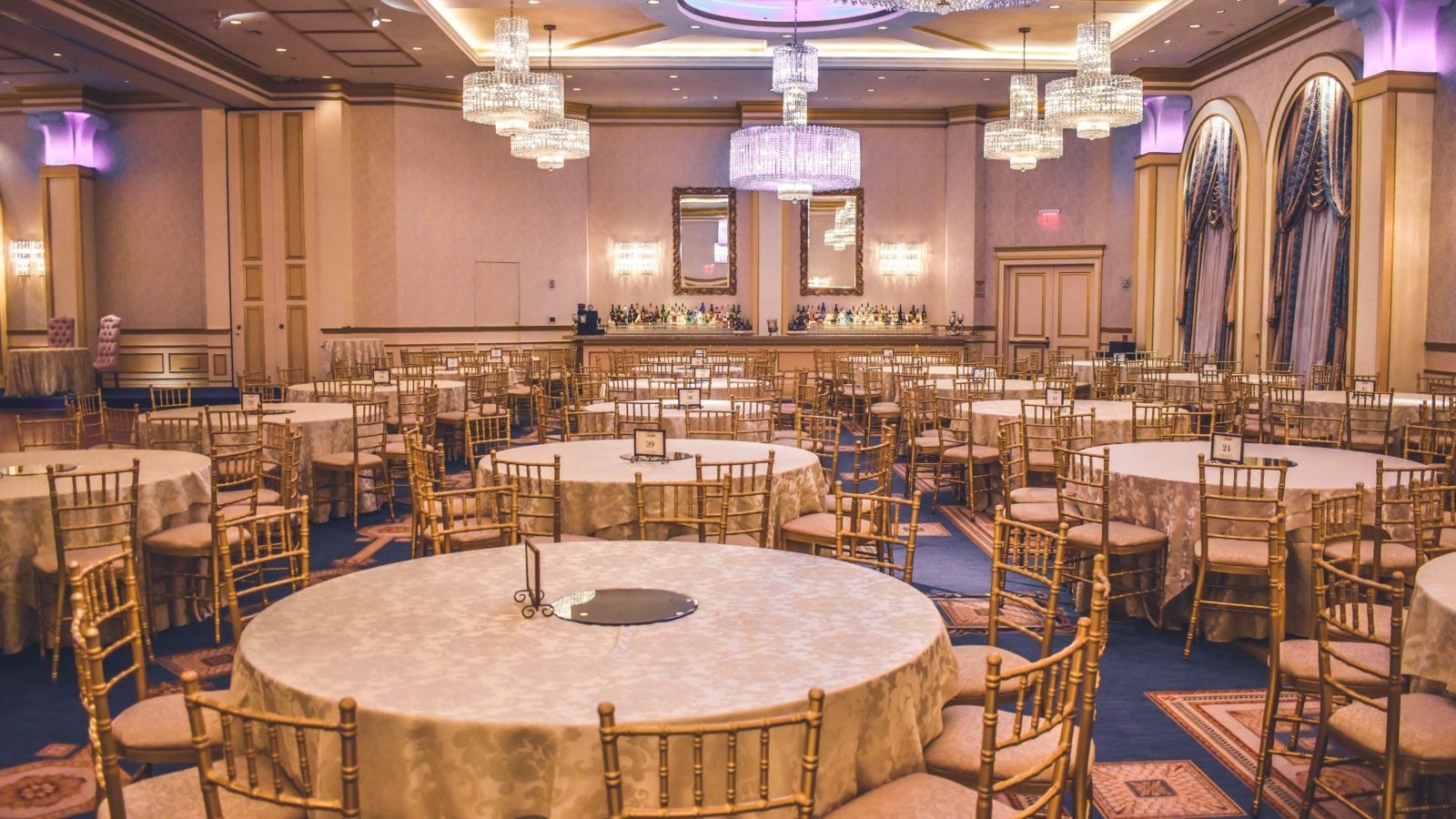
I thought that would be the end of the evening. I assumed the gala would be canceled, or that everyone would quietly drift home.
Instead, Admiral Lawson walked back up onto the stage and stepped to the microphone.
“Ladies and gentlemen, please be seated.”
Four hundred people sat down.
“Tonight’s recognition ceremony will continue as scheduled,” he said. “And Rear Admiral Bennett is still expected to deliver the evening’s address. If she’s willing.”
He looked at me across the ballroom.
My mother stared at him in disbelief. She’d spent twenty-five years telling everyone I was nobody, and now four hundred people were waiting to hear me speak.
I walked toward the stage. A Navy corpsman from one of the tables had handed me a cold compress for my cheek, and I gave it back to him as I passed. My lip was swollen, and I could feel a bruise darkening along my jaw.
I climbed the steps and paused under the American flag. I didn’t use the notes in my pocket, the remarks I’d written about the Navy’s heritage and our sailors’ sacrifices.
I looked out at the room. At Master Chief Keating. At old Mr. Pruitt with his cane. At the young lieutenant who’d recorded everything. At my mother, sitting alone now at her table with her face in her hands.
“I didn’t spend twenty-five years in uniform trying to prove I was better than anyone,” I said. “I served because I made a promise to protect people who depended on me.”
I paused.
“When I was nineteen, I walked into a Navy recruiting office in Norfolk with everything I owned in a trash bag. I’d been sleeping in a motel by the Greyhound station for eleven days. I had about forty dollars left. The recruiter, a chief petty officer named Harold Briggs, looked at my trash bag and didn’t ask any questions. He bought me a cheeseburger and a Coke and said, ‘Young lady, the Navy doesn’t care where you came from. It cares where you’re going.'”
A few of the older chiefs in the audience smiled. They knew the type.
“I’ve thought about that every day for twenty-five years,” I said. “Tonight I learned that the hardest battles aren’t always fought overseas. Sometimes they’re fought in your own family’s living room. And sometimes it takes twenty-five years to win them.”
The applause started with Master Chief Keating. He stood up and began to clap, slowly and deliberately.
Within seconds, the whole ballroom was on its feet.
My mother lowered her eyes.

Specialty: Quiet Comebacks & Personal Justice
David Reynolds focuses on stories where underestimated individuals regain control of their lives. His writing centers on measured decisions rather than dramatic outbursts — emphasizing preparation, patience, and the long game. His characters don’t shout; they act.