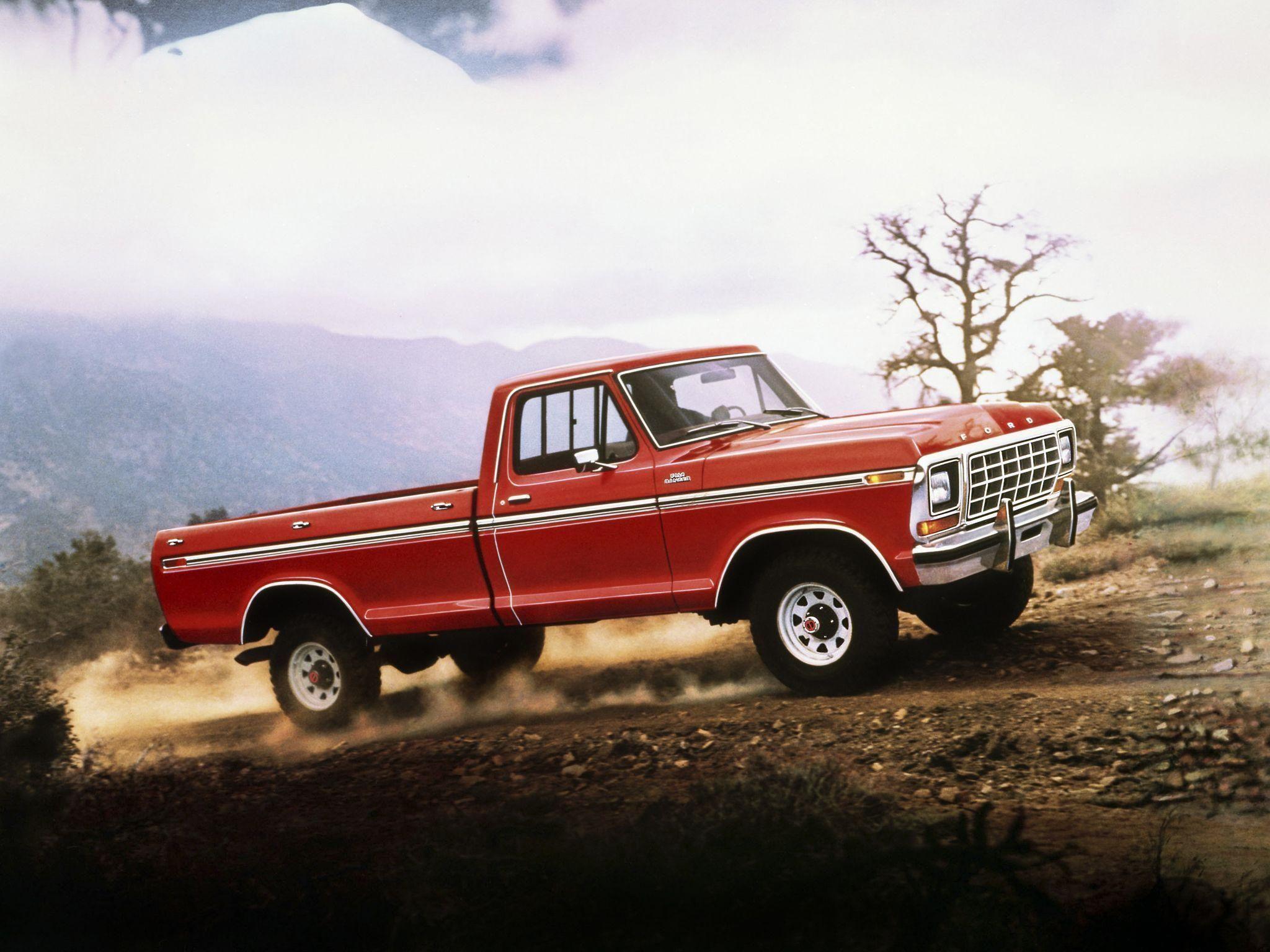
I heard the knock from the front porch before the truck even turned into the driveway.
It was a deep, heavy clatter coming from under the hood, like somebody beating a pipe with a hammer. Every time the engine turned over, it knocked. Knock. Knock. Knock.
I set down my coffee cup. My stomach dropped.
I’ve been a diesel mechanic for twenty-eight years. I’ve heard that sound a thousand times. It’s the sound of a spun rod bearing, an engine eating itself from the inside.
My mother’s 1966 Ford F-100 came limping up the gravel drive, red and white, with my nephew Trace behind the wheel. He pulled it up beside the porch, shut it off, and the knocking stopped. In the silence, I could smell hot oil.
Trace climbed out. He’s twenty-two, tall and skinny, with a backward cap and a racing team T-shirt from a dirt track in Hastings.
“Hey, Aunt Nora,” he said. “Grandma’s truck’s making a noise.”
“I heard it from the porch,” I said. “What did you do to it?”
He shrugged. “Nothing. It just started knocking on the way back.”
“On the way back from where?”
He looked at his shoes. “Just driving around.”
I walked over and put my hand on the hood. It was hot enough to fry an egg. I pulled the dipstick. The oil came out black and thin, and down at the bottom of the stick, glittering in the September sunlight, were tiny flecks of metal.
That was bearing material. Copper and lead, ground off and floating in the oil.
“Trace,” I said. “How fast were you going?”
“Not that fast.”
“How fast?”
He wouldn’t look at me.
My mother came out onto the porch then, in her green cardigan and slippers, holding a dish towel.
“Is something wrong with Harlan’s truck?” she asked.
Everybody in the family still calls it Harlan’s truck, even though Dad’s been gone for six years.
“It’s making a noise, Grandma,” Trace said. “I’ll look into it.”
He got in his own pickup, a lifted black Dodge with a loud exhaust, and drove off. Mom stood on the porch looking at the old Ford with her dish towel in her hands.
“Is it bad, Nora?”
“It’s bad, Mom.”
I didn’t tell her how bad. Not yet.
My name is Nora Brandt. I’m fifty-one. I’ve been a diesel mechanic at the Clay County Farmers Co-op in Fairfield, Nebraska, for twenty-eight years. I keep the grain trucks, the fertilizer rigs, and half the county’s combines running. I’m the only woman who’s ever held that job, and for the first ten years, most of the old farmers wouldn’t let me touch their equipment. Now they ask for me by name.
My mother, Evelyn, is seventy-nine. She lives alone in the white farmhouse south of town where I grew up, on the last forty acres of the farm. She rents the cropland to a neighbor and keeps a garden, a cat named Mister, and a 1966 Ford pickup.
Every morning at eight, she drives that pickup three miles into Fairfield to the grain elevator for coffee. There’s a little office at the co-op elevator with a coffee pot, a box of donuts, and a row of folding chairs. Every morning, a dozen retired farmers sit there, drinking bad coffee and arguing about the weather, the markets, and the Huskers.
My mother is the only woman who goes. She has been going for six years, ever since Dad died.
And when she pulls into the elevator lot, she honks twice. Beep, beep.
Dad started that. He’d honk twice every morning when he pulled in, to let the guys know he was there. When he died, Mom just kept doing it.

Laura Bennett writes about complicated family dynamics, difficult conversations, and the quiet moments that change everything. Her stories focus on real-life tensions — inheritance disputes, strained marriages, loyalty tests — and the strength people find when they finally speak up. She believes the smallest decisions often carry the biggest consequences.