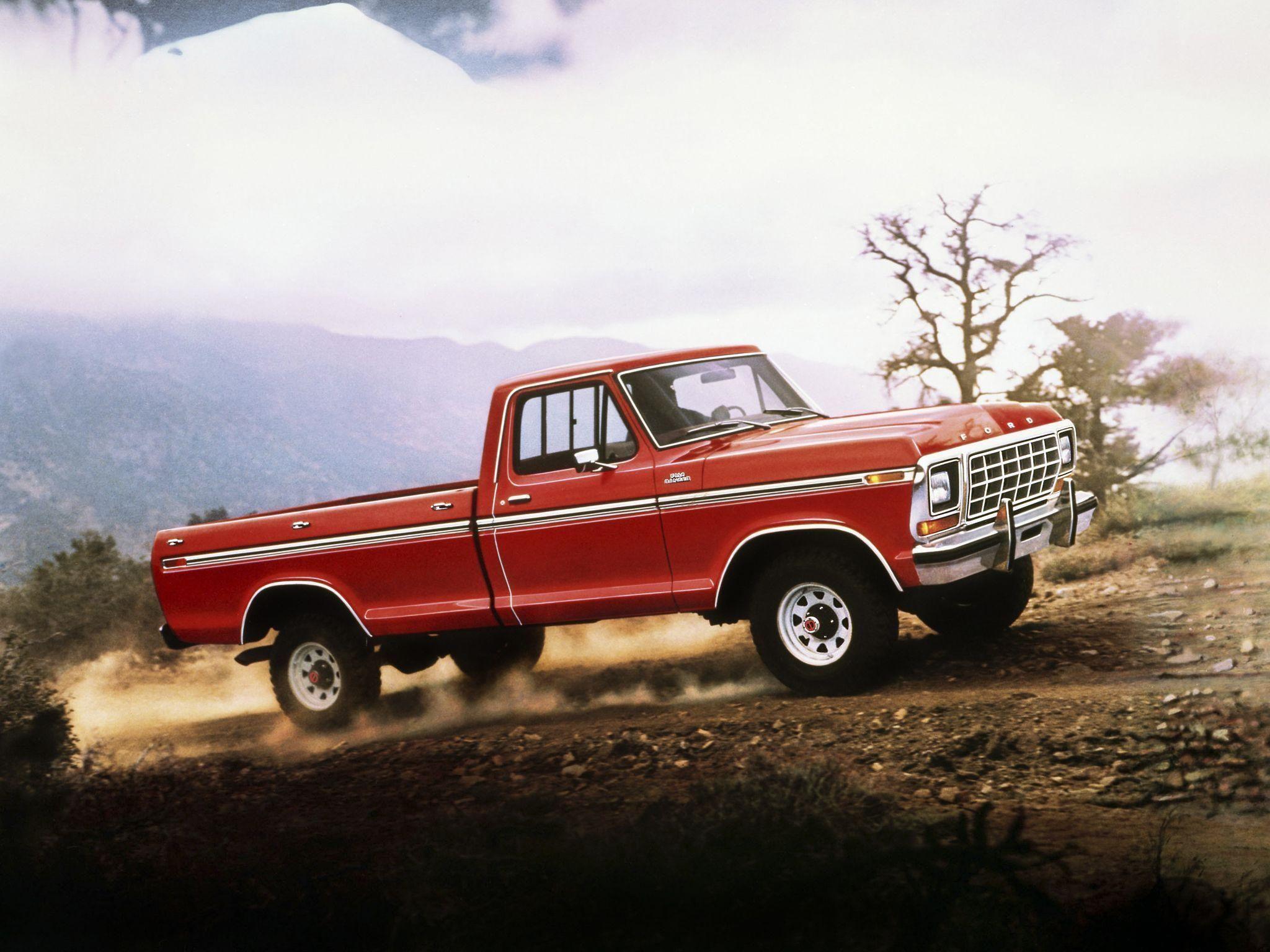
Dad bought that truck from a neighbor named Elmer Voss in 1994 for $1,800.
It’s a 1966 Ford F-100 in red and white two-tone, with a long bed, a 352 V8 engine, and a three-speed manual transmission on the column. Elmer bought it new from the Ford dealer in Hastings. When Elmer’s eyes got too bad to drive, he sold it to Dad, who’d admired it for twenty years.
Dad loved that truck more than he loved most people. He kept it in the machine shed out of the weather. He changed the oil every three thousand miles and wrote it down in a little spiral notebook in the glove box. He hauled sweet corn in it, and firewood, and once, my mother’s whole wedding cake to her sister’s reception in Grand Island.
When Dad died of a stroke at seventy-four, he left everything to Mom. His will was two pages long. The house, the forty acres, the money in the bank, and the truck.
The truck was still titled in his name. A few months after the funeral, I drove Mom to the Clay County Treasurer’s office in Clay Center to transfer the title into her name. Because Dad’s estate was small enough, the lawyer in Fairfield said we didn’t need to go through full probate. Mom just had to sign an affidavit as his heir and bring the death certificate. The woman at the treasurer’s office was very kind. She’d known Dad. She stamped the new title, Evelyn M. Brandt, Owner, and slid it across the counter.
“He loved that truck,” she said.
“He did,” Mom said. “Now I do.”
Mom didn’t drive much before Dad died. He’d always driven. But a month after the funeral, she took the keys off the hook in the kitchen, walked out to the machine shed, and drove that old Ford to the elevator for coffee.
When she pulled in, she honked twice.
Lowell Fisk, who’d been sitting at that coffee pot with Dad for forty years, told me later that every man in the elevator office stood up when they heard it. They thought, for just a second, that Harlan was back.
Then they saw Evelyn behind the wheel, and they all sat back down. And somebody poured her a cup of coffee.
She’s been going every morning since.
That truck is how my mother stayed alive after my father died. I mean that. It got her out of the house, gave her somewhere to go, and gave her a dozen people to talk to every day. Without it, she would have sat alone in that farmhouse with the cat.
My brother Kurt is three years younger than me. He works pipeline construction in North Dakota, laying natural gas lines, gone six weeks at a time. His son, Trace, lives in Fairfield and works at the tire shop on Main Street. In the evenings he builds race cars in his buddy’s garage.
Mom adores Trace. He’s her only grandchild. When he asked if he could borrow the old Ford on a Sunday in September to “haul some stuff,” she didn’t think twice.
She handed him the keys.

Laura Bennett writes about complicated family dynamics, difficult conversations, and the quiet moments that change everything. Her stories focus on real-life tensions — inheritance disputes, strained marriages, loyalty tests — and the strength people find when they finally speak up. She believes the smallest decisions often carry the biggest consequences.