Teen Survivor Provides Harrowing Account of Texas Summer Camp Flash Flood Tragedy That Claimed 27 Lives
A 13-year-old camper has shared her deeply personal and emotional experience of surviving the devastating flash floods that struck Camp Mystic in Texas on July 4th, providing a firsthand account of one of the deadliest natural disasters to impact the state’s summer camp community. Stella Thompson’s testimony offers crucial insight into the terrifying moments when flash flooding transformed a beloved summer retreat into a scene of unprecedented destruction and loss.

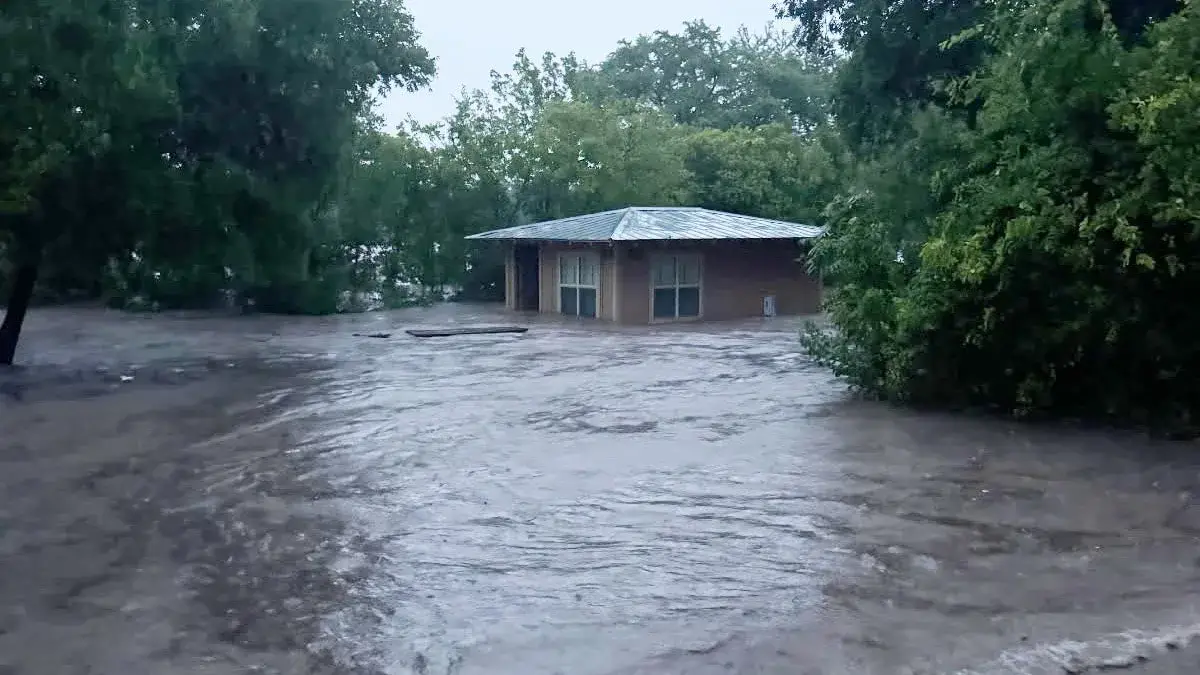
The catastrophic flooding has resulted in a confirmed death toll of 81 people across Texas, with Kerr County—home to Camp Mystic and several other youth camps in the Texas Hill Country region—bearing the heaviest losses. Sheriff Larry Leitha confirmed that searchers have recovered 68 bodies in Kerr County alone, including 28 children, while Camp Mystic specifically reported 27 fatalities among its community members.
The Setting and Initial Conditions
Camp Mystic, a Christian girls’ summer camp situated in the scenic Texas Hill Country, had been a cherished destination for Thompson, who was attending for her sixth consecutive year. The camp’s location along the banks of the Guadalupe River, while providing beautiful natural surroundings for outdoor activities, ultimately placed it directly in the path of the deadly floodwaters that would surge through the area in the early morning hours of Independence Day.
Thompson’s cabin was positioned on higher ground on the Cypress Lake side of the camping facility, a location that would prove crucial to her survival. Other campers, however, were housed in accommodations closer to the Guadalupe River, placing them in significantly greater danger when the waters began their catastrophic rise.
The geographical layout of the camp created a stark division between areas of relative safety and zones of extreme vulnerability. This positioning would ultimately determine survival outcomes for many of the young campers and staff members present during the disaster.
The Night Before Disaster
Thompson and her fellow campers first sensed something was amiss when they noticed that electrical power in their cabin had failed overnight. While power outages during storms are not uncommon, this particular failure served as an early indicator of the severe weather conditions developing in the area.
Camp leadership, recognizing the potentially dangerous weather situation, instructed all campers to remain indoors for their safety. This precautionary measure demonstrated the staff’s awareness of deteriorating conditions, though the full scope of the impending catastrophe was not yet apparent to anyone at the facility.
The decision to keep campers sheltered indoors proved to be a critical safety measure for those in higher-ground locations, though it would unfortunately prove insufficient for campers housed closer to the river’s edge where the flooding would be most severe.
The Morning of Crisis
The morning of July 4th brought clear evidence that the situation had escalated far beyond a typical weather event. Thompson and her cabin mates were awakened by the sound of helicopters flying overhead, an ominous sign that immediately conveyed the severity of their circumstances.
“I think it’s the uncertainty that really shook up our cabin,” Thompson told NBC affiliate KXAS, describing the growing awareness among the campers that they were facing a serious emergency situation. The presence of emergency aircraft overhead transformed what had initially seemed like a weather-related inconvenience into a clearly dangerous and potentially life-threatening situation.
The psychological impact of this realization was profound for the young campers, who suddenly found themselves confronting circumstances far beyond their previous experiences or expectations for a summer camp adventure.
Learning of the Evacuations
The gravity of the situation became fully apparent when Thompson and her cabin mates learned that their fellow campers on the Guadalupe River side of the facility required immediate evacuation. This news marked a turning point in their understanding of the disaster unfolding around them.
“Eventually when we got that news we were all kind of hysterical and the whole cabin was praying a lot and terrified — but not for ourselves,” Thompson recounted. This statement reveals the remarkable maturity and concern for others displayed by these young campers, who despite their own fear focused their worry on the safety of their friends and fellow campers in more dangerous locations.
The response of Thompson’s cabin—turning to prayer and expressing concern for others rather than themselves—demonstrates the strong community bonds and spiritual foundation that characterized the camp environment, even during moments of extreme crisis.
The Rescue Operation
Emergency response vehicles arrived several hours later to evacuate Thompson and her cabin mates from their higher-ground location. The delay in reaching their area likely reflected the prioritization of rescue efforts for campers in more immediate danger, as well as the challenging conditions that emergency responders faced in accessing different parts of the camp facility.
The evacuation process provided Thompson with her first glimpse of the devastating transformation that the flash flooding had wrought upon the familiar camp environment. The scene that greeted her during the rescue operation was one of complete devastation that bore little resemblance to the cherished summer retreat she had known for six years.
Witnessing the Destruction
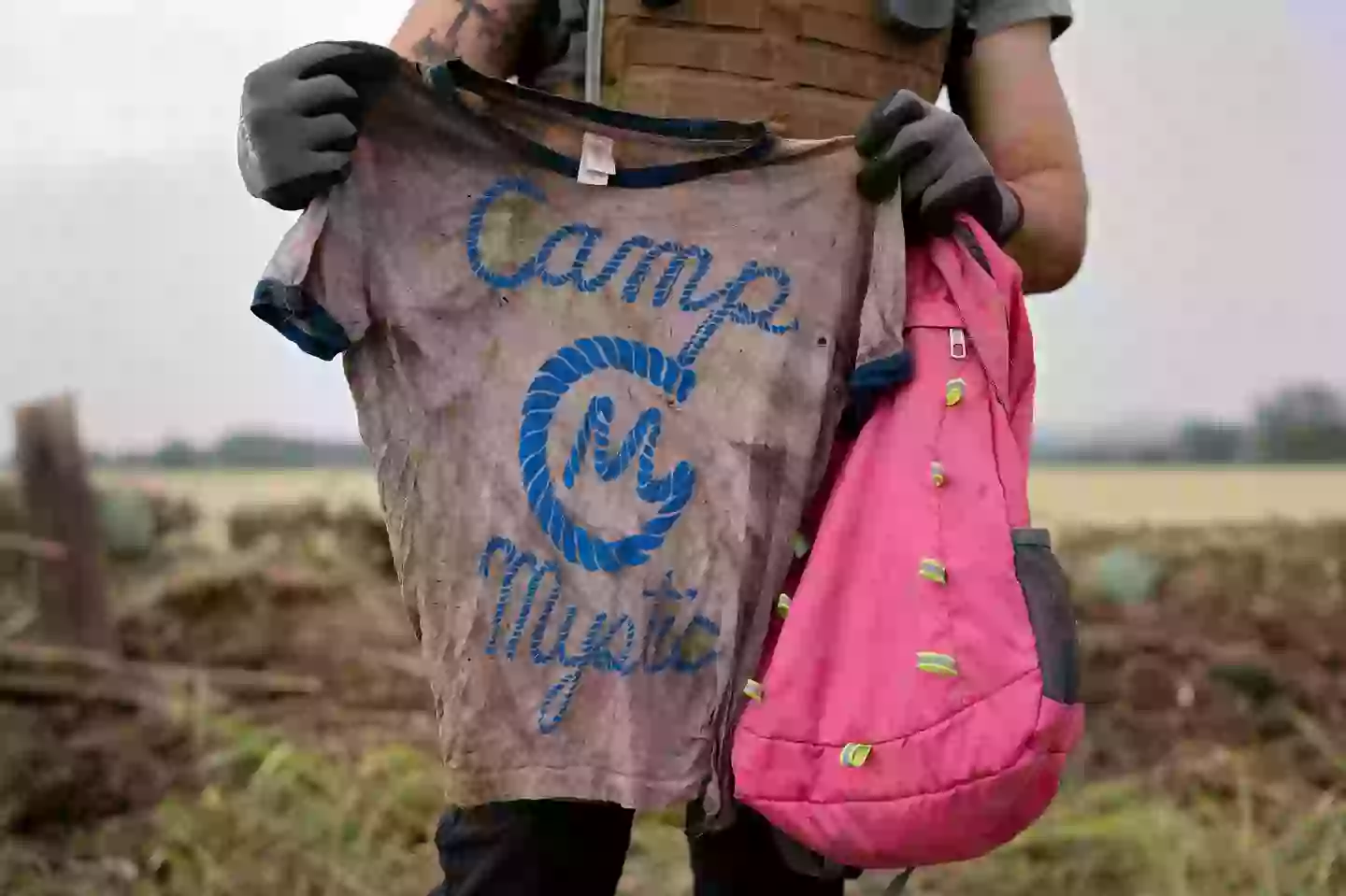
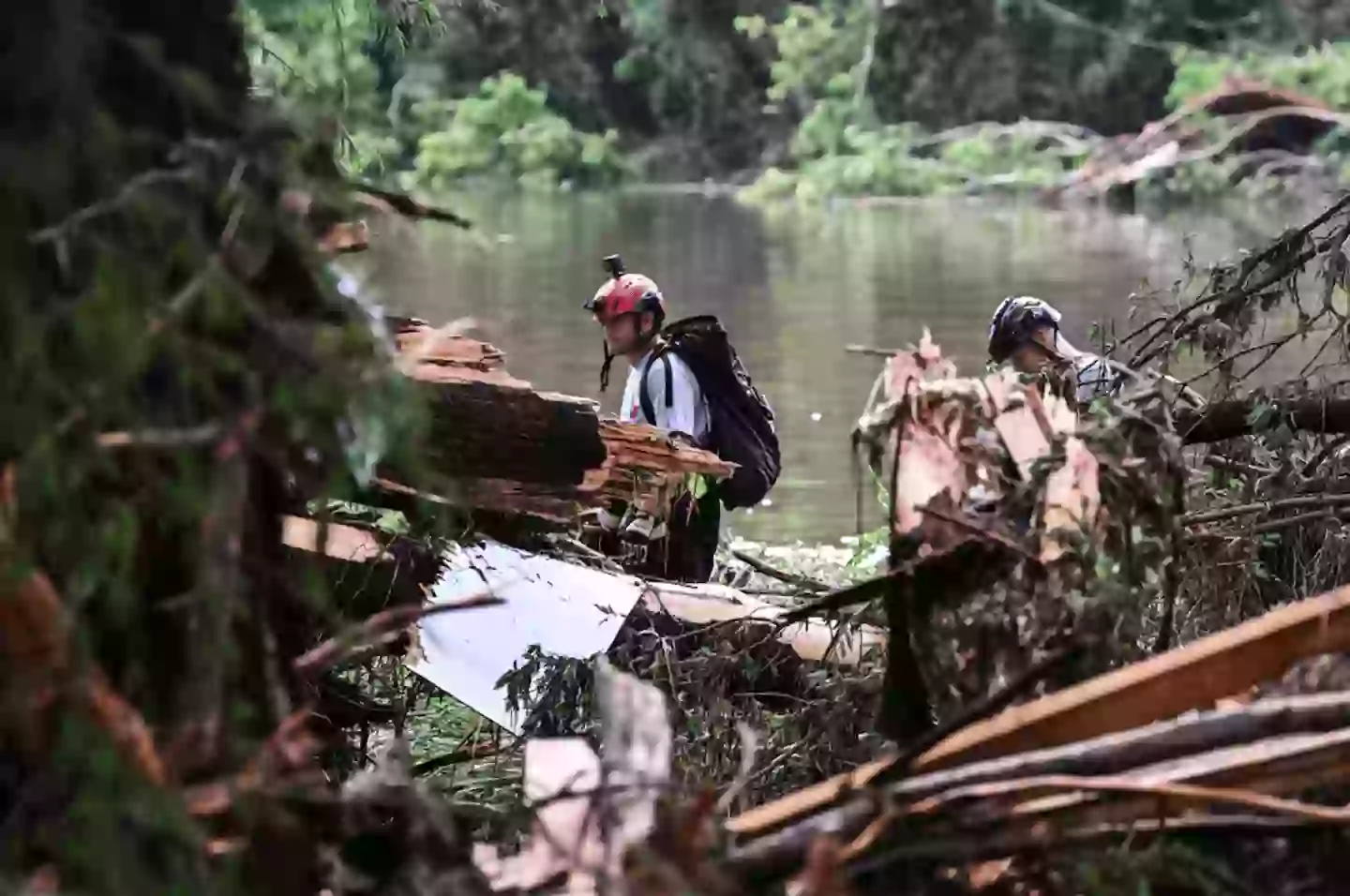
Thompson’s description of the post-flood devastation provides a vivid and heartbreaking picture of the flood’s destructive power. “You’d see kayaks in trees and it was kind of horrific because we had no idea,” she recalled, describing scenes that illustrated the incredible force of the floodwaters that had surged through the camp.
The image of recreational watercraft lodged in trees serves as a powerful symbol of the flood’s intensity and the complete disruption of the normal camp environment. Such scenes provided stark evidence of water levels and currents that far exceeded anything the campers or staff could have anticipated.
“It didn’t look like Camp Mystic anymore,” Thompson added, capturing the complete transformation of a place that had been central to her summer experiences for six years. This statement reflects not only the physical destruction but also the emotional impact of seeing a beloved and familiar place rendered unrecognizable by natural forces.
Processing the Trauma
Thompson’s reflection on her emotional state during and after the crisis provides important insight into how young people process traumatic experiences. “I think while it was going on, I sort of felt a numbness,” she explained, describing a common psychological response to overwhelming situations.
The delayed emotional processing that Thompson experienced is typical of trauma responses, where the full impact of events may not be immediately felt during the crisis itself. “Saying it out loud is making me realise what actually happened and how bad it actually is,” she noted, highlighting how the act of verbalizing experiences can help individuals process traumatic events.
This delayed recognition of the disaster’s full scope reflects the protective psychological mechanisms that often engage during crisis situations, allowing individuals to function during emergencies while deferring the full emotional impact until they reach safety.
Family Response and Survivor’s Guilt
Thompson’s mother, Casey Thompson, articulated the complex emotions experienced by families of survivors in disaster situations. “We are just so happy that she is safe and we have her. We are just grateful to be some of the fortunate ones,” she told KXAS, expressing the profound relief felt by families whose children survived the tragedy.
However, Casey Thompson also acknowledged the difficult emotional complexity of their situation: “So there’s a sense of relief and an equal sense of just awareness of that’s not everybody’s story and that’s just two kinds of competing emotions.” This statement captures the phenomenon of survivor’s guilt and the complex emotional landscape that survivors and their families must navigate.
The awareness that their family’s positive outcome contrasts sharply with the tragic losses experienced by other families creates a challenging emotional burden that extends beyond simple relief at their child’s safety.
Ongoing Search and Recovery Efforts
As of the time of Thompson’s interview, rescue teams were continuing their search for 10 missing children and one counselor from Camp Mystic. The extended search operation reflects both the challenging conditions in the affected area and the commitment of emergency responders to account for all individuals who were present at the camp during the disaster.
The Guadalupe River’s dramatic rise of 26 feet in just 45 minutes before daybreak on Friday morning created conditions that overwhelmed not only the camp facility but also nearby homes and vehicles. This rapid water level increase provided virtually no time for evacuation or protective measures, explaining the tragic loss of life despite the camp’s safety protocols.
Meteorological Context and Flood Dynamics
The flash flood that devastated Camp Mystic represents an extreme weather event that demonstrates the deadly potential of rapidly rising water in vulnerable geographic locations. The 26-foot rise in water level within 45 minutes represents an extraordinary rate of increase that would challenge even the most comprehensive emergency preparedness plans.
Flash flooding presents unique dangers because of the speed with which conditions can deteriorate, leaving little time for warning systems or evacuation procedures. The early morning timing of this particular flood further complicated response efforts, as many individuals were sleeping and unaware of developing conditions until the emergency was already upon them.
Impact on Summer Camp Industry
The tragedy at Camp Mystic has raised important questions about safety protocols and risk assessment procedures at summer camps located in areas prone to severe weather events. The incident will likely prompt comprehensive reviews of emergency preparedness plans and evacuation procedures at similar facilities throughout Texas and other states.
The loss of life at what should have been a safe and nurturing environment for young people has profound implications for the summer camp industry’s approach to natural disaster preparedness and response. Camp administrators across the country will undoubtedly examine their own facilities’ vulnerability to extreme weather events and the adequacy of their emergency protocols.
Community Support and Recovery
The Camp Mystic tragedy has generated an outpouring of support from communities across Texas and beyond, as people seek to provide assistance to affected families and support recovery efforts. The loss of so many young lives has particularly resonated with parents and community members who understand the trust families place in summer camp programs.
Recovery efforts will likely continue for an extended period, encompassing not only the physical reconstruction of damaged facilities but also the emotional support needed by survivors, families of victims, and the broader camp community affected by this tragedy.
Conclusion and Lasting Impact
Stella Thompson’s account of surviving the Camp Mystic flash flood provides valuable insight into both the human experience of natural disaster survival and the ongoing emotional processing required in the aftermath of such traumatic events. Her testimony serves as an important historical record of this tragedy while also highlighting the resilience and compassion demonstrated by young people during crisis situations.
The broader implications of this disaster extend far beyond the immediate tragedy, encompassing questions about emergency preparedness, climate change impacts on extreme weather events, and the safety protocols necessary to protect vulnerable populations in high-risk environments. As investigations continue and recovery efforts progress, the lessons learned from this tragedy will hopefully contribute to preventing similar losses in the future.

Ethan Blake is a skilled Creative Content Specialist with a talent for crafting engaging and thought-provoking narratives. With a strong background in storytelling and digital content creation, Ethan brings a unique perspective to his role at TheArchivists, where he curates and produces captivating content for a global audience.
Ethan holds a degree in Communications from Zurich University, where he developed his expertise in storytelling, media strategy, and audience engagement. Known for his ability to blend creativity with analytical precision, he excels at creating content that not only entertains but also connects deeply with readers.
At TheArchivists, Ethan specializes in uncovering compelling stories that reflect a wide range of human experiences. His work is celebrated for its authenticity, creativity, and ability to spark meaningful conversations, earning him recognition among peers and readers alike.
Passionate about the art of storytelling, Ethan enjoys exploring themes of culture, history, and personal growth, aiming to inspire and inform with every piece he creates. Dedicated to making a lasting impact, Ethan continues to push boundaries in the ever-evolving world of digital content.