A recently declassified intelligence report has emerged from the depths of classified government archives, containing revelations that could fundamentally alter public understanding of one of the most consequential political episodes in modern American history. The document, which has remained hidden from public view for years, challenges widely accepted narratives about foreign interference in the 2016 presidential election and raises profound questions about the intelligence community’s assessment processes during a critical period in American democracy.
The implications of this newly released material extend far beyond historical curiosity, touching on fundamental questions of intelligence integrity, political influence on national security assessments, and the complex relationship between intelligence agencies and elected leadership during times of intense political polarization. What emerges from these pages is a story of institutional pressure, analytical shortcuts, and decisions that would reverberate through American politics for years to come.
The Genesis of a Controversial Assessment
The story begins in the aftermath of the 2016 presidential election, during the transition period when the nation grappled with unprecedented allegations of foreign interference in the democratic process. It was during this charged atmosphere that the Intelligence Community Assessment (ICA) was conceived – a document that would become one of the most influential and controversial intelligence products in recent American history.
The creation of the ICA occurred under extraordinary circumstances that would later draw scrutiny from congressional investigators. According to the newly declassified House Intelligence Committee report, the assessment was produced as “a high-profile product ordered by the President, directed by senior IC agency heads, and created by just five CIA analysts, using one principal drafter.”
This streamlined approach to producing such a significant intelligence assessment was highly unusual. Typically, intelligence products of this magnitude would involve extensive coordination across multiple agencies, numerous analysts, and rigorous review processes designed to ensure accuracy and reliability. However, the political pressures and timeline constraints surrounding the 2016 election created conditions that would lead to significant departures from standard intelligence community practices.
The compressed timeline for the assessment’s production became a critical factor that would later draw criticism from congressional investigators. The committee found that the five CIA analysts and principal drafter “rushed” the ICA’s production “in order to publish two weeks before President-elect Trump was sworn-in.” This timeline pressure would have cascading effects on the quality and reliability of the final product.
Unprecedented Presidential Direction
One of the most significant revelations contained in the declassified report concerns the level of direct presidential involvement in the intelligence assessment process. The committee found that the production of the ICA was “subject to unusual directives from the President and senior political appointees,” representing a departure from traditional intelligence community independence.
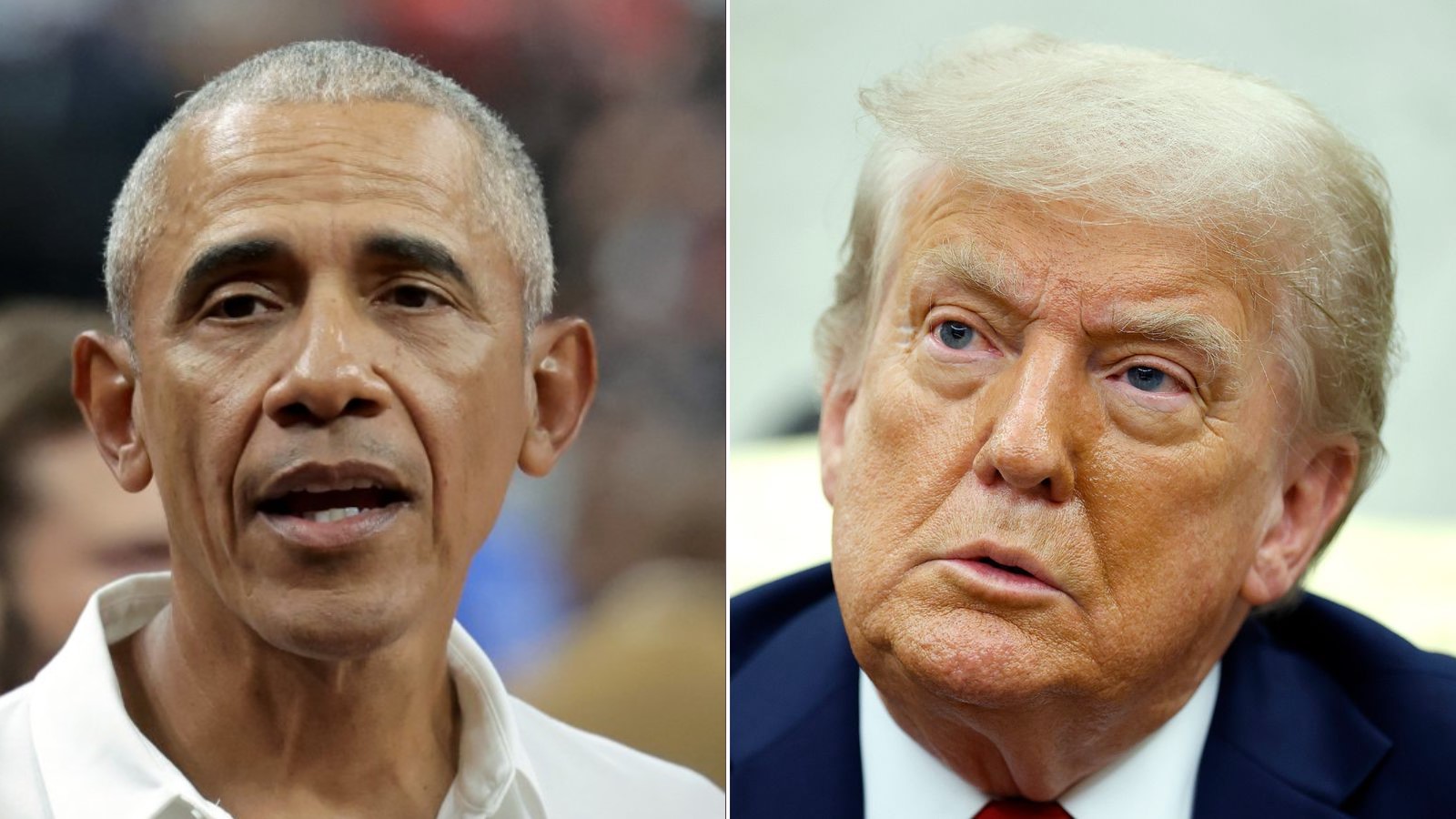
The involvement of then-President Barack Obama in directing the creation and scope of the intelligence assessment raises important questions about the appropriate relationship between elected officials and intelligence professionals. While presidents clearly have authority to request intelligence assessments and set priorities for the intelligence community, the extent and nature of political direction in this case appears to have been extraordinary.
The report indicates that these “unusual directives” influenced not only the decision to produce the assessment but also aspects of its content and timeline. This level of political involvement in intelligence production represents a significant departure from traditional practices designed to insulate intelligence analysis from political pressure and ensure objective assessments of national security threats.
The implications of such direct political involvement extend beyond the immediate circumstances of the 2016 election. If intelligence assessments can be subject to political direction regarding their conclusions or emphasis, it raises fundamental questions about the integrity and reliability of intelligence products more broadly. The intelligence community’s credibility depends largely on public confidence that its assessments are based on objective analysis rather than political considerations.
The Role of John Brennan and Agency Leadership
Central to the controversy surrounding the ICA’s production was the role of then-CIA Director John Brennan, who according to the committee’s findings played a pivotal role in shaping both the content and methodology of the assessment. The report indicates that Brennan advocated for including materials that were known to be questionable, including elements of what would later be known as the anti-Trump dossier.
The committee found that Brennan was aware that key source material was “largely based on ‘internet rumor'” but nonetheless pushed for its inclusion in the intelligence assessment. This decision to include known unreliable information in a high-stakes intelligence product represents a significant departure from standard analytical practices that emphasize source reliability and information verification.
Perhaps even more concerning was Brennan’s decision to “order the post-election publication of 15 reports containing previously collected but unpublished intelligence.” According to the committee’s findings, “three of which were substandard—containing information that was unclear, of uncertain origin, potentially biased, or implausible—and those became foundational sources for the ICA judgements that Putin preferred Trump over Clinton.”
The decision to publish previously unpublished intelligence reports specifically to support predetermined conclusions represents a troubling inversion of the normal intelligence process. Rather than allowing analysis to be driven by available evidence, it appears that evidence was selectively published to support preferred analytical conclusions.
Analytical Shortcuts and Methodological Flaws
The declassified report reveals significant methodological problems with the ICA’s production that go beyond simple time pressures or resource constraints. The committee found that “the draft was not properly coordinated within CIA or the IC, ensuring it would be published without significant challenges to its conclusions.”
This lack of proper coordination within the intelligence community represents a fundamental departure from established practices designed to ensure accuracy and reliability. Intelligence assessments typically undergo extensive review and coordination processes specifically to identify potential flaws, alternative interpretations, and analytical blind spots. By bypassing these safeguards, the ICA’s producers essentially insulated their conclusions from the kind of rigorous scrutiny that intelligence products are designed to withstand.
The compressed timeline and limited coordination had predictable consequences for the assessment’s quality. The committee found that “hurried coordination and limited access to the draft reduced opportunities for the IC to discover misquoting of sources and other tradecraft concerns.” These tradecraft failures represent basic analytical errors that proper review processes are specifically designed to catch and correct.
The committee’s investigation revealed that the ICA “misrepresented these reports as reliable, without mentioning their significant underlying flaws.” This misrepresentation of source reliability strikes at the heart of intelligence credibility – if analysts cannot trust that intelligence products accurately represent the reliability of their underlying sources, the entire system of intelligence assessment becomes compromised.
The Evidence Problem
Perhaps the most damaging revelation contained in the declassified report concerns the actual evidence underlying the ICA’s most significant conclusions. The committee found that “one scant, unclear, and unverifiable fragment of a sentence from one of the substandard reports constitutes the only classified information cited to suggest Putin ‘aspired’ to help Trump win.”
This finding is particularly significant because it suggests that one of the most consequential intelligence assessments in recent American history was based on extremely thin evidence. The characterization of the supporting evidence as “scant, unclear, and unverifiable” indicates that the ICA’s conclusions about Putin’s intentions were built on foundations that would not meet normal intelligence standards for reliability and confidence.
Even more troubling was the committee’s finding that the ICA “ignored or selectively quoted reliable intelligence reports that challenged—and in some cases undermined—judgments that Putin sought to elect Trump.” This selective use of intelligence represents a fundamental violation of analytical objectivity, suggesting that the assessment was designed to support predetermined conclusions rather than provide objective analysis of available evidence.
The report also indicates that the ICA “failed to consider plausible alternative explanations of Putin’s intentions indicated by reliable intelligence and observed Russian actions.” This failure to consider alternative explanations is another basic analytical error that proper intelligence tradecraft is designed to avoid. Intelligence assessments should always consider multiple possible explanations for observed phenomena and should explicitly address why certain explanations are preferred over others.
Warning Signs Ignored
The declassified report reveals that senior intelligence officials attempted to raise concerns about the assessment’s methodology and conclusions but were apparently ignored. The committee found that “a pair of senior CIA officers warned Brennan that ‘we don’t have direct information that Putin wanted to get Trump elected.'”
This warning from experienced intelligence professionals represents exactly the kind of analytical caution that should have prompted more rigorous examination of the assessment’s conclusions. The fact that such warnings were apparently dismissed or ignored suggests that the ICA’s production was driven more by political pressures and predetermined conclusions than by objective analysis of available evidence.
The dismissal of these professional concerns becomes even more significant when considered alongside the assessment’s ultimate conclusions. Despite the warnings from senior officers that there was no direct evidence for Putin’s alleged preference for Trump, the ICA nonetheless asserted high confidence in this judgment, creating a disconnect between the available evidence and the stated confidence levels.
Alternative Intelligence and Contradictory Evidence
The committee’s investigation uncovered intelligence that directly contradicted the ICA’s primary conclusions about Russian intentions and preferences. According to the report, intelligence from “a longtime Putin confidant” indicated that “Putin told him he did not care who won the election” and that Putin “had often outlined the weaknesses of both major candidates.”
This intelligence from a source with apparent direct access to Putin’s thinking would normally be considered highly valuable in assessing Russian leadership intentions. The fact that such intelligence contradicted the ICA’s conclusions and was apparently not given appropriate weight in the assessment raises questions about whether the analysis was driven by objective evaluation of available evidence or by other considerations.
Perhaps even more significantly, the committee found evidence that Russia was actually preparing for a Hillary Clinton victory, believing they “knew where she stood” and that they “could work with her.” This intelligence directly contradicts the narrative that Russia was working to elect Trump and instead suggests that Russian leadership may have been more comfortable with the prospect of a Clinton presidency.
The existence of this contradictory intelligence and its apparent exclusion from the ICA’s analysis represents a fundamental failure of intelligence tradecraft. Proper intelligence analysis requires that all relevant information be considered and that contradictory evidence be explicitly addressed rather than simply ignored.
The Broader Intelligence Community Assessment Process
The ICA’s production process, as revealed in the declassified report, represents a significant departure from normal intelligence community practices and raises broader questions about the integrity of the intelligence assessment process during periods of intense political pressure. The committee found that the assessment “excluded ‘significant intelligence’ and ‘ignored or selectively quoted’ reliable intelligence in an effort to push the Russia narrative.”
This selective use of intelligence and exclusion of contradictory information represents a fundamental corruption of the intelligence process. Intelligence assessments derive their value and credibility from their objective analysis of all available relevant information. When assessments become vehicles for promoting particular narratives rather than objective analysis, they lose their essential function and become indistinguishable from political advocacy.
The committee’s findings suggest that the ICA was produced under conditions that virtually guaranteed analytical failures and political bias. The combination of direct political pressure, compressed timelines, limited coordination, and predetermined conclusions created an environment in which objective intelligence analysis was nearly impossible.
Implications for Intelligence Community Credibility
The revelations contained in the declassified report have profound implications for public confidence in the intelligence community and its products. The intelligence community’s effectiveness depends largely on public and policymaker confidence that its assessments are based on objective analysis rather than political considerations. When that confidence is undermined, the intelligence community’s ability to fulfill its essential functions is seriously damaged.
The ICA became one of the most influential intelligence products in recent memory, shaping public understanding of the 2016 election and influencing political discourse for years afterward. The revelation that this assessment was based on flawed methodology, thin evidence, and political pressure raises serious questions about how many other intelligence products may have been similarly compromised.
The damage to intelligence community credibility extends beyond the immediate circumstances of the 2016 election. If intelligence assessments cannot be trusted to provide objective analysis free from political influence, policymakers and the public lose a critical tool for understanding complex national security challenges. This erosion of trust can have lasting consequences for American national security and democratic governance.
Congressional Oversight and Institutional Accountability
The House Intelligence Committee’s investigation that produced this declassified report represents an important example of congressional oversight functioning as intended. The committee’s multi-year investigation uncovered significant problems with one of the most consequential intelligence products in recent history and has now made those findings available to the public.
The investigation was initiated by then-House Intelligence Committee Chairman Devin Nunes and continued under the leadership of Rep. Adam Schiff, demonstrating that concerns about the ICA’s methodology and conclusions transcended partisan boundaries. The bipartisan nature of the investigation lends additional credibility to its findings and suggests that the problems identified were substantial enough to warrant attention from members of both parties.
The decision by Director of National Intelligence Tulsi Gabbard to declassify and release this report represents an important step toward transparency and accountability. By making these findings public, she has enabled public scrutiny of intelligence community practices and created opportunities for reforms to prevent similar problems in the future.
Lessons for Intelligence Reform
The problems identified in the declassified report point to several areas where intelligence community practices could be strengthened to prevent similar failures in the future. The report’s findings suggest that intelligence assessments need stronger safeguards against political pressure, more rigorous coordination processes, and better protections for dissenting analytical views.
The role of senior intelligence officials in ensuring analytical integrity appears to need strengthening based on the report’s findings. The apparent dismissal of warnings from senior CIA officers about the lack of direct evidence suggests that current processes may be inadequate to protect against political pressure and predetermined conclusions.
The intelligence community might also benefit from more robust processes for handling contradictory evidence and alternative explanations. The report’s finding that the ICA ignored or selectively quoted intelligence that challenged its conclusions suggests that current analytical practices may not adequately ensure that all relevant information is properly considered.
The Declassification Decision
Director Gabbard’s decision to declassify this report represents a significant moment in intelligence community transparency. The report had remained “highly classified within the intelligence community and had never been made public” since its completion in 2020, making its release a notable departure from typical intelligence community practices regarding sensitive internal assessments.
The timing of the declassification, coming years after the events in question and during a period of continued political debate about the 2016 election, raises questions about the motivations behind the release. However, regardless of the motivations, the public now has access to important information about how one of the most consequential intelligence assessments in recent history was produced.
The declassification does include some redactions, indicating that certain information remains classified for national security reasons. However, the portions that have been released provide substantial insight into the intelligence community’s internal processes and the problems that can arise when those processes are compromised by political pressure and analytical shortcuts.
Historical Context and Precedent
The problems identified in the ICA’s production are not entirely unprecedented in intelligence community history. Previous intelligence failures, from the Bay of Pigs to weapons of mass destruction assessments regarding Iraq, have revealed similar patterns of political pressure, analytical groupthink, and insufficient challenge to prevailing assumptions.
However, the 2016 ICA appears to represent a particularly egregious example of intelligence community dysfunction, combining direct political direction with methodological shortcuts and the dismissal of contradictory evidence. The domestic political implications of the assessment also distinguish it from previous intelligence failures that primarily affected foreign policy and military operations.
The ICA’s influence on American political discourse for years after its publication demonstrates the particular importance of maintaining high standards for intelligence products that have domestic political implications. When intelligence assessments become weapons in domestic political battles, the damage to institutional credibility and democratic governance can be severe and long-lasting.
Conclusion: Toward Accountability and Reform
The revelations contained in the newly declassified House Intelligence Committee report represent a watershed moment for understanding one of the most controversial episodes in recent American political history. The report’s findings challenge fundamental assumptions about the 2016 election narrative and raise serious questions about intelligence community practices during periods of intense political pressure.
The evidence presented in the report suggests that the Intelligence Community Assessment that shaped public understanding of Russian interference in the 2016 election was produced through a flawed process that violated basic principles of intelligence tradecraft. The combination of political pressure, methodological shortcuts, and selective use of evidence created an assessment that appears to have been more influenced by political considerations than objective analysis.
Moving forward, the intelligence community faces the challenge of rebuilding public trust while implementing reforms to prevent similar failures. The problems identified in the report are not simply historical curiosities but represent ongoing vulnerabilities in American intelligence practices that could affect future assessments and national security decisions.
The declassification of this report provides an opportunity for public debate about intelligence community practices and the appropriate relationship between intelligence agencies and elected officials. Such debate is essential for maintaining democratic oversight of intelligence activities and ensuring that the intelligence community serves the American people rather than partisan political interests.
Ultimately, the health of American democracy depends on having intelligence agencies that provide objective, reliable analysis free from political influence. The revelations in this report demonstrate how far the intelligence community strayed from these principles during the 2016 election period and highlight the urgent need for reforms to prevent such failures from recurring. Only through honest acknowledgment of past failures and commitment to meaningful reform can the intelligence community rebuild the trust and credibility essential to its mission.

Adrian Hawthorne is a celebrated author and dedicated archivist who finds inspiration in the hidden stories of the past. Educated at Oxford, he now works at the National Archives, where preserving history fuels his evocative writing. Balancing archival precision with creative storytelling, Adrian founded the Hawthorne Institute of Literary Arts to mentor emerging writers and honor the timeless art of narrative.