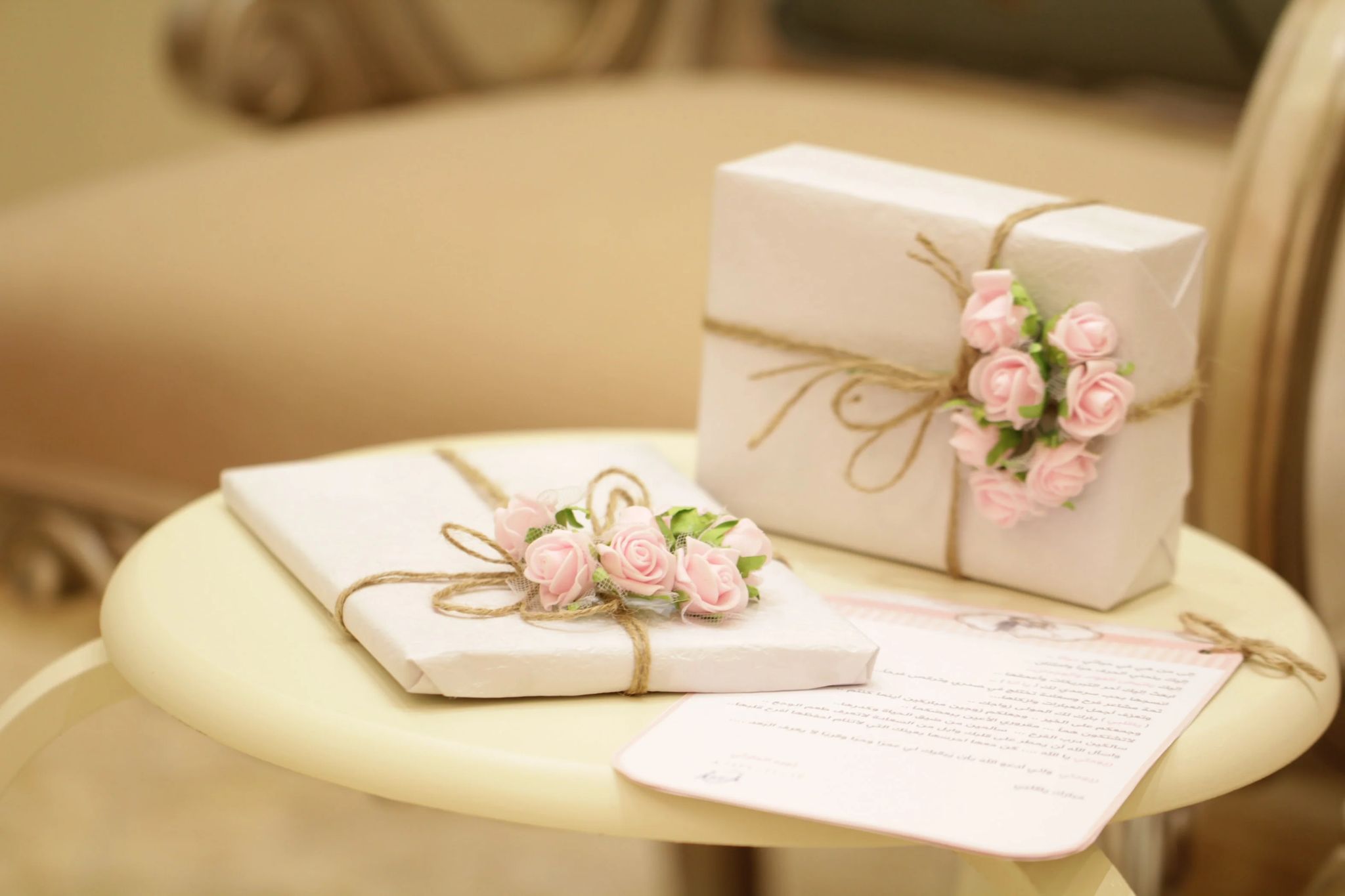
The Gift Table
The hotel was the kind of place where every surface gleamed. Marble floors, crystal chandeliers, white roses in arrangements that probably cost more than my first camera. The kind of venue Victoria had dreamed about since we were kids, when she’d cut pictures from bridal magazines and plan weddings for dolls while I took photos of light coming through our bedroom window.
I stood in the lobby, listening to music and laughter spilling from the ballroom. Four hundred people celebrating my sister’s perfect day. Four hundred people who mattered enough to be invited.
I wasn’t one of them.
The woman at the guest table—young, professional, wearing the kind smile of someone paid to manage awkward situations—scanned her list again.
“I’m sorry, I don’t see a Myra Ashford here. Perhaps you’re thinking of a different event?”
“No. This is my sister’s wedding. Victoria Ashford.”
Her expression shifted. Not unkind, just careful. “Let me check with the coordinator.”
While she stepped away, I looked at the gift table. Mountains of silver and white packages, each one wrapped perfectly, each one representing someone who’d been deemed worthy of witnessing Victoria’s big moment.
I pulled out my phone. Called Victoria.
She answered on the third ring, her voice bright and distracted. “Hello?”
“It’s Myra. I’m downstairs.”
Silence. Then, “What?”
“I’m in the lobby. The guest table says I’m not on the list.”
“Because you’re not invited.” Her voice dropped to a sharp whisper. “Myra, what are you doing here?”
“I’m your sister. I thought—”
“You thought what? That you could just show up? This day is for people who matter. People who’ve been part of my life. Not someone who ran away to play artist in California and hasn’t bothered to be family in ten years.”
The words landed like stones. Each one carefully chosen. Each one designed to hurt.
“Victoria—”
“Go home, Myra. Go back to whatever studio you’re pretending is important. This is my wedding. Mine. Not yours. And you’re not part of it.”
She hung up.
I stood there holding my phone, chandelier light refracting off the crystal above me, making everything look fractured and sharp.
The coordinator returned with an apologetic smile. “I’m sorry, but we can’t admit you without being on the list. Perhaps there’s been some confusion?”
“No confusion,” I said quietly. “I understand.”
I should have left then. Should have walked out of that hotel, gotten in a cab, gone to the airport early.
But I looked at the gift table again. At all those perfectly wrapped boxes representing people who’d earned their place in Victoria’s world.
And I thought about the small silver box in my bag. The one I’d been carrying since I left Los Angeles. The one containing the truth my sister didn’t know she needed.
“Can I at least leave a gift?” I asked the coordinator.
She hesitated. “I suppose that would be fine. But then you’ll need to leave the property.”
“Of course.”
I pulled the silver box from my bag. It was small—maybe four inches across—wrapped in white ribbon with a simple card tucked underneath. Plain handwriting: To Victoria, from your sister.
I set it on the table among the larger, flashier gifts. It looked insignificant. Easy to miss.
But it wouldn’t be missed.
Because what was inside that box would change everything.
I walked out of the hotel without looking back. Got in a cab. Gave the driver the airport address.
And I thought about what would happen in approximately three hours, when Victoria opened gifts in front of four hundred guests who mattered.
Ten Years Earlier
I need to explain how we got here. How two sisters who grew up in the same brick house in Boston ended up on opposite sides of everything.
Victoria was born first. Three years before me. By the time I arrived, she’d already established herself as the golden child—pretty, sociable, easy. She did ballet and piano. She got straight A’s without trying. She smiled in family photos like she understood they were documenting something important.
I was different. Quiet. Observant. I noticed things—how light changed throughout the day, how people’s expressions shifted when they thought no one was watching, how my mother’s voice went up half an octave when she talked about Victoria’s achievements.
Victoria got the bigger bedroom. The new clothes. The birthday parties with themes and matching decorations.
I got hand-me-downs and quiet afternoons and the growing understanding that I was the afterthought daughter.
On my tenth birthday, my parents forgot completely. They were busy with Victoria’s college applications—early admission to Harvard, full scholarship, the kind of achievement that overshadowed everything else.
That night, I sat in my room trying not to cry, trying to tell myself it didn’t matter, trying to be the kind of daughter who didn’t need attention.
Then Grandmother knocked.
She was my father’s mother, elegant and sharp-eyed, the kind of woman who noticed everything but commented on very little. She carried a small box wrapped in brown paper.
“Happy birthday, Myra,” she said, sitting on my bed. “I’m sorry your parents forgot. That’s inexcusable.”
“It’s okay—”
“It’s not okay. But it’s not surprising either. Your sister has always been the easy child to love. She reflects what people want to see. You show them what’s actually there. That makes people uncomfortable.”
She handed me the box.
Inside was a camera. Not expensive—a basic point-and-shoot—but real. Professional enough for a ten-year-old to learn on.
“You see the world differently, Myra,” Grandmother said. “You notice things others miss. That’s a gift. Use this camera to develop it.”
I did. All through high school while Victoria was winning debate competitions and dating the quarterback and being everything my parents could brag about at cocktail parties, I was learning photography.
I shot everything. Light through windows. Strangers on street corners. The way rain changed the city. By the time I graduated, I had a portfolio that earned me admission to art school.
My parents were… disappointed.
“Art school?” my mother said, like I’d announced plans to join the circus. “Myra, what are you going to do with that?”
“Photography,” I said. “I’m going to be a photographer.”
“That’s not a career. That’s a hobby.”
“It’s what I want to do.”
Victoria laughed. She was home for Christmas break, already working her first year at a consulting firm, already earning the kind of money that validated every choice she’d ever made.
“Myra wants to be an artist,” she told her friends over holiday drinks. “It’s cute. Like a phase.”
But it wasn’t a phase.
I moved to Los Angeles with one suitcase and my camera. I worked as an assistant for other photographers—carrying equipment, setting up lights, learning the business from the ground up. I lived in a studio apartment with three roommates and ate ramen and told myself I was building something even when it felt like I was drowning.
Slowly, it worked.
I started getting my own clients. Small weddings at first—friends of friends, people who couldn’t afford the big names. But I was good. I saw things other photographers missed. I caught moments that mattered.
My business grew. After five years, I opened my own studio. After eight, I had a team. After ten, I was shooting the kind of weddings that got featured in magazines, the kind where couples flew me to different countries, the kind that cost more than my parents’ annual income.
But I didn’t tell them. Didn’t correct their assumptions that I was still struggling. Didn’t send them articles or client testimonials or any proof that I’d succeeded despite their predictions.
Because by then, I’d learned something important: they didn’t really want to know. They wanted the story they’d already decided was true—Victoria the success, Myra the disappointment.
So I let them believe it.
Until Grandmother died.
The Inheritance
The funeral was cold. November in Boston, gray sky, wet leaves, everything feeling heavy and final.
I flew in from Los Angeles. Victoria drove up from New York where she’d moved for a promotion. My parents organized everything with the kind of efficient grief that looked appropriate from the outside.
We sat in the front pew—the perfect family, mourning together. Except I was sitting three rows back, behind my parents’ friends, behind Victoria’s colleagues, behind everyone who mattered.
After the service, the attorney who’d handled Grandmother’s estate asked to speak with me privately.
His name was Howard Chen. Older, precise, the kind of lawyer who’d been managing family affairs for decades. He led me to a small office in the funeral home and closed the door.
“Miss Ashford, your grandmother left specific instructions regarding her jewelry collection.”
I nodded. The jewelry was famous in our family—pieces that had been passed down through generations. My great-great-grandmother’s engagement ring. Art deco bracelets from the 1920s. Emerald earrings that had belonged to a woman who’d survived the sinking of a ship in 1911.
Everyone assumed Victoria would inherit them. She was the oldest. She was getting married. She was the one who attended charity galas where such pieces would be seen and appreciated.
Howard handed me an envelope with my name in Grandmother’s handwriting.
Inside was a letter and a key to a safety deposit box.
My dear Myra,
If you’re reading this, I’m gone. I hope the funeral wasn’t too terrible. I hope your parents didn’t make it worse by forgetting you were grieving too.
I’m leaving you my jewelry collection. All of it. Not because you’re the youngest or because I love you more than your sister. But because I trust you to understand what these pieces represent.
Victoria loves how things look. She always has. She’ll see dollar signs and investment value and the status that comes from owning beautiful things.
But you see meaning. You see history. You understand that these pieces carry stories—of women who wore them during wars, during celebrations, during the moments that made them who they were.
The jewelry isn’t valuable because it’s expensive. It’s valuable because it connects us to the women who came before. And I trust you to protect that connection.
Your sister will be angry. Your parents will be confused. They’ll try to convince you to share, to be “fair,” to consider Victoria’s position as the eldest.
Don’t. This is my decision. My property. My choice about who receives it.
Wear these pieces. Photograph them. Pass them to someone who will love them for the right reasons.
But most importantly, Myra—don’t let anyone make you feel guilty for being chosen.
All my love,
Grandmother
I read it three times in that small office while Howard waited patiently.
“She was very clear about her intentions,” he said when I finally looked up. “The collection is yours. Legally, irrevocably. No one else has any claim to it.”
“Does my family know?”
“Not yet. Your grandmother asked that I wait until after the service to inform them. But yes, they’ll need to be told. The pieces are currently in a safety deposit box. You’ll need to schedule a time to take possession.”
“What if they contest it?”
“They can try. But your grandmother was of sound mind when she made these arrangements. Her will is clear and properly executed. They won’t win.”
“But they’ll try.”
“Probably.”
I folded the letter carefully and put it back in the envelope. “When do I need to take possession?”
“Within sixty days. After that, there are storage fees.”
“I’ll schedule something next time I’m in Boston.”
Howard nodded. Handed me a card with his direct number. “Miss Ashford, your grandmother was a remarkable woman. She spoke very highly of you. I hope you know that.”
“I do now.”
I left the funeral home without telling anyone about the inheritance. Caught a cab back to my hotel. Flew home to Los Angeles the next morning.
Three days later, Howard called to tell me my parents had contacted him. They wanted to discuss “fair distribution” of the jewelry. They felt Victoria should receive “her share” as the eldest daughter.
“What did you tell them?” I asked.
“That the will is clear and not subject to negotiation. Miss Myra Ashford is the sole inheritor of the jewelry collection. There is no share for Victoria because your grandmother chose not to give her one.”
“How did they react?”
“Your father was quiet. Your mother was… less quiet. And your sister has left four messages asking me to reconsider.”
“There’s nothing to reconsider.”
“I agree. But Miss Ashford, you should be prepared for this to cause family tension.”
I almost laughed. “Howard, there’s been family tension for thirty years. This just makes it official.”
Six weeks later, I flew back to Boston. Met Howard at the bank. Opened the safety deposit box.
Inside were fifteen pieces of jewelry, each one wrapped carefully, each one accompanied by a small card in Grandmother’s handwriting explaining its history.
The engagement ring: 1889. My grandmother wore this while her husband fought in the Spanish-American War. She was 19 and pregnant with their first child. She never took it off.
The art deco bracelet: 1925. Given to my mother by her sister who died in the influenza pandemic. She wore it to remember.
The emerald earrings: 1911. Belonged to a woman named Catherine who survived the Triangle Shirtwaist Fire. She sold them to buy her passage to America.
Each piece had a story. Each one represented a woman who’d survived, who’d endured, who’d built something despite everything.
I took them all. Had them appraised for insurance purposes. The total value was approximately $400,000.
And I didn’t tell my family.
Because I knew what would happen if I did. My parents would insist on “fairness.” Victoria would demand her share. They’d make it about money instead of meaning.
So I stayed quiet. Wore the pieces occasionally. Photographed them. Kept them safe.
And waited for the inevitable moment when my silence would explode into something larger.
The Wedding Announcement
Victoria got engaged on Valentine’s Day to a man named Charles Worthington III. Old money. Boston family. The kind of pedigree my parents had been hoping one of their daughters would marry into.
The announcement went out in the Globe. Photos of the happy couple at some charity gala. My mother called to tell me, her voice bright with the kind of pride I’d never heard directed at me.
“Victoria’s getting married! To a Worthington! Can you believe it?”
“That’s wonderful,” I said, because what else do you say?
“The wedding will be at the Commonwealth Hotel. Four hundred guests. It’s going to be spectacular.”
“When?”
“June. We’ll send you details once they’re finalized.”
But the details never came. Weeks passed. I saw Instagram posts about dress fittings and venue tours and champagne brunches with bridesmaids. My sister’s wedding was apparently a full-time production.
I waited for my invitation.
Nothing.
Finally, I called my mother.
“Oh, Myra.” She sighed like I’d asked something complicated. “The wedding is very intimate. Just close family and friends.”
“I’m family.”
“You know what I mean. People who are actually involved in Victoria’s life. You’re so far away in California, and you know how you can be at these events…”
“How can I be?”
“Awkward. Different. Your sister doesn’t want any… distractions on her big day.”
Distractions. That’s what I’d become. Not a sister. Not family. A distraction.
“I see,” I said quietly.
“You understand, don’t you? This is Victoria’s day. Everything needs to be perfect.”
“Of course.”
I hung up and sat in my studio—my successful, thriving studio at the top of a downtown Los Angeles building—and thought about how my family still saw me as the struggling artist with nothing to contribute to a proper society wedding.
I opened Instagram. Victoria had posted a photo of her invitation—thick cream cardstock, formal calligraphy, gold embossing.
So excited to celebrate with the people who matter most!
Four hundred people mattered most.
I wasn’t one of them.
The Decision
I could have let it go. Could have sent a gift and stayed in California and accepted that this was how things were in my family.
But I’d spent thirty years being the daughter who didn’t matter. The sister who wasn’t enough. The family member who got forgotten, overlooked, excluded.
And I was done.
Not done in the loud, dramatic way. Not done with angry phone calls or confrontations or demands to be included.
Done in the quiet, deliberate way I’d learned from Grandmother. The way that used patience and timing and the element of surprise.
I booked a flight to Boston. Arriving the day before the wedding.
I packed one bag. One simple black dress. One pair of understated heels.
And one small silver box with white ribbon.
Inside that box, I placed three things:
First: a photograph I’d taken of Grandmother’s jewelry collection. All fifteen pieces laid out on black velvet, each one gleaming, each one representing hundreds of thousands of dollars and generations of family history.
Second: a copy of Grandmother’s will. The relevant section highlighted: “To my granddaughter Myra Ashford, I leave my entire jewelry collection, having full confidence she will value these pieces for their history rather than their price.”
Third: a handwritten note on my studio letterhead—the letterhead that listed my business address in downtown Los Angeles, my team of six photographers, and my client list that included three celebrities and two members of European royalty.
The note read:
Dear Victoria,
Since you didn’t think I was important enough to invite to your wedding, I thought I’d send a gift that might help you understand who I actually am.
The jewelry Grandmother left me is worth approximately $400,000. Mom and Dad have been asking me to share it with you. They think it’s only fair that the eldest daughter receive her share.
I’ve decided not to share.
Not because I’m petty or vindictive. But because Grandmother chose me deliberately. She trusted me to value these pieces for their meaning, not their status. She knew you’d see them as accessories for galas. I see them as connections to the women who wore them during wars and fires and moments that changed their lives.
The difference between us isn’t that you’re successful and I’m struggling. It’s that you measure success in titles and invitations and the number of people at your wedding.
I measure it in doing work I love, building something meaningful, and honoring the woman who saw me when my own family didn’t.
Enjoy your perfect day with your four hundred guests who matter.
Your sister,
Myra
I sealed the box. Wrapped it in white ribbon. Added a small card with simple handwriting: To Victoria, from your sister.
And I flew to Boston.
The Aftermath
I was already through security at Logan Airport when my phone started ringing.
First call: Victoria. I didn’t answer.
Second call: Mom. Ignored.
Third: Dad. Ignored.
Then the texts started:
Victoria: What the fuck did you do?
Victoria: You ruined my wedding
Victoria: Everyone is asking about Grandmother’s jewelry
Victoria: Mom is crying
Victoria: How could you be so cruel?
Mom: Myra, please call. Victoria is devastated. This is her special day and you’ve made it all about you.
Dad: This was inappropriate and hurtful. We need to discuss the jewelry situation when you return to Boston.
I turned off my phone. Boarded my flight. Flew home.
Three days later, after I’d recharged and rested and prepared myself, I turned my phone back on.
Eighty-seven missed calls. Hundreds of texts.
I called Howard Chen, Grandmother’s attorney.
“I assume you’ve heard from my family,” I said.
“Extensively. Your mother wants to sue you for emotional distress. Your father wants me to facilitate a ‘fair redistribution’ of the jewelry. Your sister wants… well, several things, most of them involving you returning property that legally belongs to you.”
“What did you tell them?”
“That the jewelry is yours. That your grandmother’s will is ironclad. That what you choose to do with your own property—including telling your sister about it in whatever manner you prefer—is not subject to their approval.”
“They’re going to keep fighting this.”
“Let them. They’ll lose. But Myra, I need to ask—was the wedding gift really necessary?”
I thought about that. About thirty years of being forgotten and overlooked and excluded. About a sister who thought I was too insignificant to invite to her wedding. About parents who’d spent decades treating me like the disappointing daughter.
“Yes,” I said. “It was necessary. Because they needed to understand that being underestimated doesn’t mean being worthless. It just means people aren’t paying attention.”
“Fair enough. But be prepared for this to get worse before it gets better.”
It did get worse.
My parents stopped speaking to me entirely. Victoria sent a ten-page letter detailing every way I’d ruined her wedding and her life and her relationship with her new in-laws who’d apparently witnessed the jewelry revelation and asked uncomfortable questions.
She’d opened the gift during the reception, at a table with her closest friends and Charles’s family. Read the note out loud because she thought it would be funny—look at my struggling artist sister trying to make herself sound important.
Then she’d seen the photograph. The will excerpt. The studio letterhead.
According to her letter, she’d gone pale. Had to excuse herself. Spent twenty minutes in the bathroom while guests whispered and her new mother-in-law asked pointed questions about family dynamics and inheritance disputes.
You humiliated me in front of four hundred people, she wrote. You made my wedding about you and your petty grievances. You’re selfish and vindictive and I never want to see you again.
I read it once. Put it in a drawer. Didn’t respond.
Because here’s what Victoria didn’t understand: I hadn’t made her wedding about me. I’d simply stopped pretending to be the struggling disappointment they all needed me to be.
The truth wasn’t vindictive. It was just uncomfortable.
One Year Later
I’m in my studio in Los Angeles. Editing photos from a wedding I shot last weekend in Napa Valley. The couple paid me $45,000 for three days of coverage. Next month, I’m flying to Scotland to shoot a destination wedding at a castle.
My business is thriving. My team is talented. My life is full of work I love and people who respect what I do.
I haven’t spoken to my parents in a year. Haven’t heard from Victoria in fourteen months.
But I got a letter yesterday.
Not from them. From Howard Chen.
Dear Myra,
I thought you should know—your grandmother established a trust before her death. She didn’t tell me about it until near the end, and she made me promise not to reveal it until a year after the jewelry inheritance situation had settled.
The trust contains an additional $200,000. It’s designated for one purpose: to fund your photography work. Your grandmother called it your “artistic freedom fund.” She wanted you to never have to compromise your vision for financial reasons.
There are no restrictions on how you use it. Buy equipment. Hire staff. Take time off to travel and shoot personal projects. It’s yours, no strings attached.
Your grandmother wrote one instruction: “Tell Myra she was always the artist, even when I didn’t understand what that meant. I’m proud of who she became.”
The funds are available whenever you’re ready.
Best regards,
Howard Chen
I read the letter three times. Then I pulled out the photograph I’d taken of Grandmother’s jewelry—the one I’d included in Victoria’s wedding gift.
Each piece gleaming on black velvet. Each one representing a woman who’d survived something difficult and emerged stronger.
I thought about the emerald earrings that belonged to Catherine who survived the Triangle Shirtwaist Fire. About how she’d sold them to start over in a new country. About how she’d chosen survival over sentimentality.
And I thought about Grandmother’s final gift—not just the jewelry or the money, but the message underneath both:
You were worth investing in. You always were. I’m sorry your parents couldn’t see it.
I emailed Howard: Thank you. I’m ready to accept the trust funds. And please tell my family—if they ask—that Grandmother left me one more inheritance. They don’t need details. Just the knowledge that she kept choosing me.
Then I opened my laptop and started planning the personal project I’d been putting off for years—a photography series about inherited objects and the stories they carry. About women who’d been overlooked and underestimated. About families who couldn’t see what was valuable until it was too late.
I’d call it “The Things We Leave Behind.”
And I’d start with a photograph of Grandmother’s jewelry.
Not because I wanted to hurt Victoria or prove something to my parents.
But because I’d learned what Grandmother tried to teach me—that being underestimated is sometimes a gift. It means people aren’t watching when you build something real.
My phone buzzed. A text from an unknown number:
This is Victoria. I heard about another inheritance. Mom told me to reach out. She thinks we should talk about fair distribution of Grandmother’s assets.
I looked at the text for a long moment. Thought about responding. Thought about explaining, one more time, that Grandmother’s choices weren’t mistakes—they were deliberate.
Instead, I deleted the message.
And I went back to editing photos of people celebrating love, surrounded by family who actually wanted them there.
Because I’d learned something else in the past year:
You can’t make people value you. You can only stop accepting being treated like you’re worthless.
And sometimes the greatest gift someone can give you isn’t money or jewelry.
It’s permission to stop trying to earn love from people who were never going to give it freely.
Grandmother gave me that permission.
The rest was up to me.
THE END

Sophia Rivers is an experienced News Content Editor with a sharp eye for detail and a passion for delivering accurate and engaging news stories. At TheArchivists, she specializes in curating, editing, and presenting news content that informs and resonates with a global audience.
Sophia holds a degree in Journalism from the University of Toronto, where she developed her skills in news reporting, media ethics, and digital journalism. Her expertise lies in identifying key stories, crafting compelling narratives, and ensuring journalistic integrity in every piece she edits.
Known for her precision and dedication to the truth, Sophia thrives in the fast-paced world of news editing. At TheArchivists, she focuses on producing high-quality news content that keeps readers informed while maintaining a balanced and insightful perspective.
With a commitment to delivering impactful journalism, Sophia is passionate about bringing clarity to complex issues and amplifying voices that matter. Her work reflects her belief in the power of news to shape conversations and inspire change.