The Soldier
The explosion was smaller than the ones I remembered. No desert heat behind it. No screaming metal. Just wood and cold air and the sharp crack of a breaching charge doing exactly what it was designed to do.
The front door disintegrated. Splinters and smoke poured into the cabin. Snow followed, driven by wind that had been waiting for an opening.
I didn’t move from the chair.
The first man through was big—six-two, maybe two-forty, tactical vest, night vision goggles pushed up on his helmet. He had the walk of someone who’d done this before. Military, probably. Private security now. The kind of contractor who took jobs without asking too many questions if the money was right.
His flashlight found me in the darkness. Swept across my face. Stopped on my chest.
On the small rectangular patch pinned there, just above my heart.
Silver and blue. An infantry badge. Combat patches on both shoulders of the flannel shirt I wore. And above them all, small but unmistakable even in flashlight beam: a Medal of Honor ribbon.
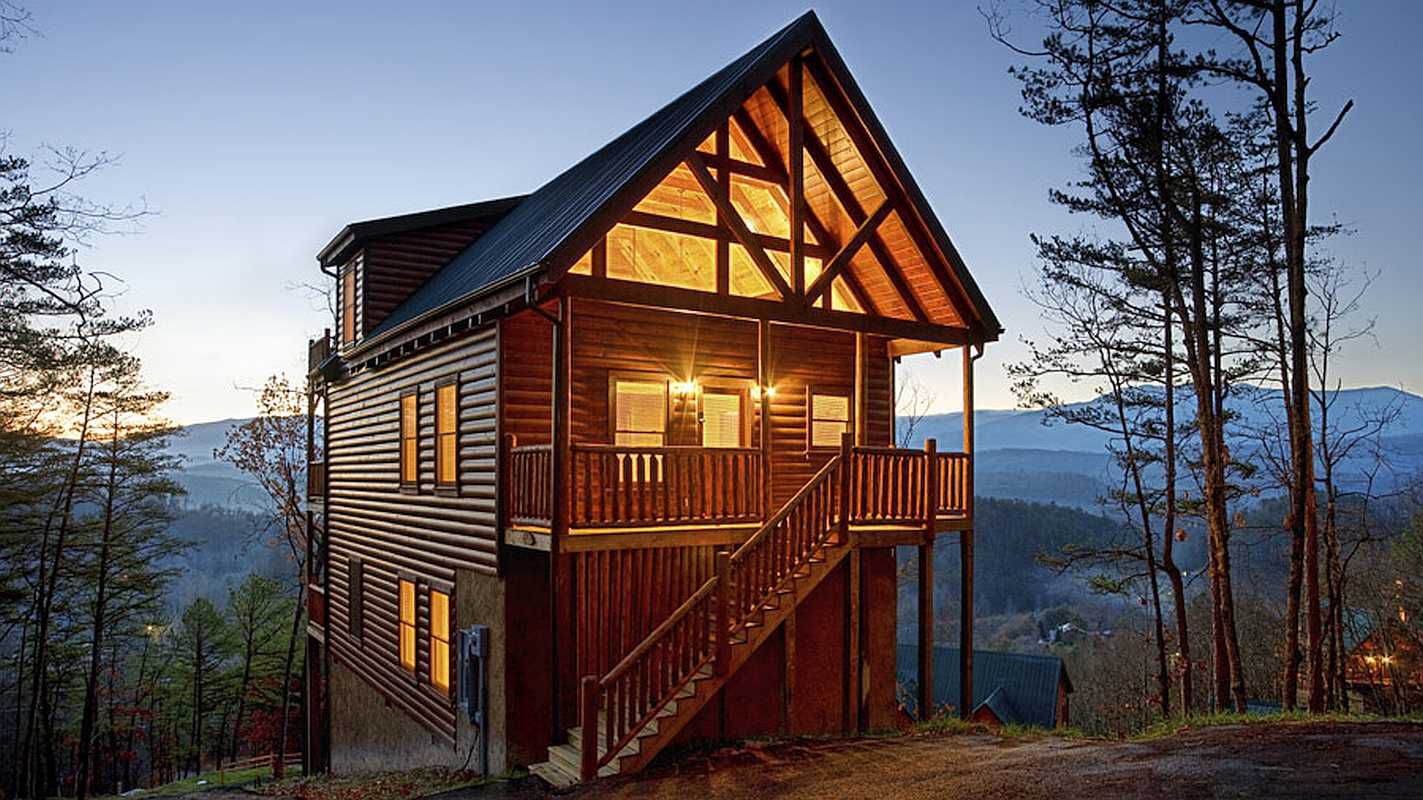
The man’s flashlight trembled. Just slightly. Just enough.
“Jesus Christ,” he said, his voice flat. Not to me. To whoever was listening on his comm.
Two more men entered behind him, slower now, weapons lowered but ready. They saw what he saw. One of them actually took a step back.
“Ma’am,” the first man said carefully. Very carefully. “We were told this was a property dispute. We were hired to… secure the premises. Nobody said anything about—”
“About what?” I asked quietly. “About the owner being home? About her being someone who knows exactly what you’re doing and why?”
I took a sip from my mug. Earl Grey tea, getting cold. I’d made it before they arrived, when the drone told me they were coming.
“You were hired to scare me off,” I continued. “Maybe hurt me if I didn’t leave. Burn the cabin if necessary. Make it look like an accident. Am I close?”
The lead man’s jaw tightened. He glanced at his team, then back at me.
“We didn’t know,” he said. “The client said it was a family thing. Said his cousin was squatting on property that belonged to him. Said she was… unstable. That we needed to remove her for her own safety.”
“Unstable.” I let the word hang there. “And the breaching charge? That was for my safety?”
“Ma’am, with all due respect—”
“Captain Dana Roman,” I interrupted. “Seventy-Fifth Ranger Regiment. Three tours in Afghanistan. One in Iraq. I’m sure your briefing didn’t mention that.”
Silence. The kind that fills a room when everyone realizes the job just went sideways.
“What’s your name?” I asked the lead man.
“Miller. Sergeant First Class, retired. Army.”
“Afghanistan?”
“Two tours.”
“Then you know what this is.” I gestured to the patches, the badge. “You know what it means. And you know that blowing down my door and walking in here with weapons drawn isn’t a property dispute. It’s assault with deadly force.”
Miller’s hand moved away from his rifle. Slow. Deliberate. A gesture his team read and mirrored.
“We’re backing out,” he said. “Right now. This isn’t what we signed up for.”
“Wait.” I set down my tea. “Before you go, I need you to understand something. The man who hired you? Julian Roman? He didn’t hire you to scare off a squatter. He hired you to terrorize a combat veteran so he could steal her inheritance. He lied to you about who I am and what this is. And if you walk away now without consequences, he’ll just hire someone else. Someone who won’t stop when they see these patches.”
Miller’s expression hardened. “What do you want us to do?”
“I want you to call him. Tell him you secured the property. Tell him the cabin is empty and I ran. Then I want you to stay right here and see what happens next.”
“Why?”
“Because Julian doesn’t know when to quit. And because you three look like you still remember what honor means.”
The Call
Miller made the call on speaker, standing in the ruins of my doorway while his team tried to reattach enough of the door frame to keep the wind out.
Julian answered on the second ring. I could hear the smile in his voice.
“Tell me it’s done.”
“Property secured,” Miller said, his tone flat and professional. “Target fled on foot into the woods. Cabin is clear.”
“She ran?” Julian laughed. “Of course she did. Dana always was a coward under all that tough-girl bullshit. Did you see where she went?”
“Tracks head north into the tree line. Without gear, in this cold, she won’t last long.”
“Good. Let nature do the rest. Burn the cabin. Make it look like she tried to start a fire to stay warm and it got out of control. I want this place gone by morning.”
Miller’s eyes found mine across the room. “Understood. But there’s a problem.”
“What problem?”
“The woman you said was your unstable cousin? She’s wearing a Medal of Honor, Julian. She’s a decorated combat veteran. You sent us to assault a goddamn war hero.”
The line went silent. When Julian spoke again, the smile was gone.
“She’s lying. Dana was in the Army, sure, but she was just a mechanic. She fixed trucks. She wasn’t—”
“I’m looking at her service record right now,” Miller lied smoothly. “Captain. Ranger Regiment. Multiple combat deployments. And she’s got the hardware to prove it.”
“She’s playing you—”
“I don’t think so. And even if she is, I’m not burning down a house belonging to someone who served. We’re done. Keep your money.”
“You can’t just—”
Miller ended the call.
“He’ll be here within the hour,” Miller said to me. “He’s the type who needs to see failure with his own eyes.”
“Good.” I stood, stretched. My back cracked—old injury, cold weather. “Let’s give him a show.”
The Preparation
Miller and his team weren’t just contractors—they were soldiers who’d found themselves on the wrong side of a very bad call. And like most soldiers, once they understood the actual mission, they committed completely.
“Your cousin hired three teams,” Miller explained as we worked. “We’re Team One. Team Two is staged at the bottom of the access road with vehicles. Team Three is supposed to be backup if things go loud.”
“How many total?”
“Nine of us. All former military. Most of us Army, one Marine, one Air Force PJ.”
“And they all think they’re here to remove a dangerous squatter?”
“That’s what we were briefed. Julian’s lawyer sold it as a family intervention. Said you’d threatened violence, that you had PTSD, that you’d become unstable after leaving the service.”
I laughed without humor. “That’s almost impressive. He built a whole narrative.”
“It’s fraud,” Miller said flatly. “And it’s going to cost him.”
His team worked fast. They secured the door as best they could, set up a portable heater to fight the cold pouring through the gap, and established a perimeter with motion sensors borrowed from their gear.
“If Julian’s coming up here himself,” one of the other men said—Thompson, a former Marine with a scar across his cheek—”he’s not coming alone.”
“No,” I agreed. “He’s not.”
I pulled out my phone and made three calls.
First: to the county sheriff, an old man named Porter who’d known my grandmother for thirty years.
“Sheriff? This is Dana Roman. I’m at my grandmother’s cabin and I need to report an attempted home invasion… Yes, I’m fine. They used explosives on my door… No, I’m not joking… I have three witnesses, all former military… Yes, I’ll stay on the property. Thank you.”
Second: to my lawyer—a sharp woman in Denver named Sarah Chen who specialized in property disputes.
“Sarah? Dana. I need you to file emergency injunctions tonight. My cousin Julian hired contractors to force me off my property using explosives and armed intimidation… Yes, I have evidence. I have witnesses. And I have a feeling this is about to get worse before it gets better… Send everything to my email. I’ll forward documentation within the hour.”
Third: to a number I hadn’t called in two years. A journalist in Seattle named Marcus Webb who’d covered military issues and veterans’ affairs for the Post-Intelligencer.
“Marcus? It’s Dana Roman… Yes, that Dana. I have a story for you. How do you feel about corrupt developers using military contractors to terrorize veterans? … Meet me tomorrow. I’ll have everything you need.”
When I hung up, Miller was watching me with something like approval.
“You’ve done this before,” he observed.
“Not this exactly. But I’ve planned operations. I know how to establish objectives and work backward from there.”
“What’s the objective here?”
“Make sure Julian faces consequences. Legal ones, preferably. But also public ones. He needs to understand that what he did tonight isn’t just criminal—it’s shameful. And shame is the only currency people like him actually value.”
The Arrival
Julian arrived ninety minutes later, right on schedule.
We heard the vehicles before we saw them—two SUVs, expensive and loud, roaring up the access road that was barely more than a glorified hiking trail.
Miller’s motion sensors picked them up at the tree line. His team moved into position without being asked—shadows at the edges of the property, watching, recording.
I stayed in the cabin, door still hanging half-open, cold pouring in, sitting in the same chair where they’d found me.
When Julian walked up onto the porch, he was flanked by two men in suits who looked like corporate lawyers trying to play bodyguard. Behind them, I could see Team Two from Miller’s unit, looking confused and uncomfortable.
Julian stopped when he saw the ruined door. The smile fell off his face.
“What the hell happened here?”
“What you paid for,” I called from inside. “Though I don’t think it went the way you planned.”
He stepped through the doorway. Saw me sitting there. Saw the patches, the badge, the absolute stillness of someone who’d learned to be comfortable in bad situations.
His face went through several expressions—confusion, calculation, anger—before settling on manufactured concern.
“Dana, thank God you’re okay. When I heard there’d been an accident—”
“Stop.” I stood. “Miller already told me what you hired them to do. Secure the property. Scare me off. Burn the cabin if necessary. I have it on recording.”
Julian’s eyes darted to Miller, who stepped out of the shadows near the fireplace.
“You said she ran,” Julian said, his voice tight.
“I lied. You hired us to assault a Medal of Honor recipient. We don’t do that.”
“She’s not—she doesn’t have—” Julian’s face was reddening now, the lawyer mask slipping. “Dana was a mechanic! She fixed trucks! She wasn’t some decorated hero—”
“Silver Star,” I interrupted quietly. “Bronze Star with Valor device. Purple Heart. Combat Infantryman Badge. And yes, Medal of Honor. For actions in Kandahar Province, 2014. I can walk you through the citation if you’d like, but the short version is I saved my entire platoon when we were ambushed. Lost three fingers and most of the hearing in my left ear doing it.”
I held up my left hand. He’d never noticed before—probably never looked that closely—but three of the fingers were prosthetics. Good ones, expensive, but not quite right if you knew what to look for.
“You’ve been to every family dinner, every holiday, for six years,” I continued. “And you never once asked about my service. Never thanked me. Never acknowledged what I did or what it cost. Because to you, I was just ‘the mechanic.’ Just the failure. Just the disappointment.”
“This isn’t about—”
“Yes it is. This is exactly what it’s about. You wanted Grandma’s cabin so badly you were willing to burn it down with me inside. You hired armed contractors to terrorize me off my own property. You lied to them about who I was. You put their careers and freedom at risk because you thought I was nobody important enough to matter.”
The lawyers behind Julian were backing away now. One of them was on his phone—calling their own lawyer, probably, or maybe just documenting distance from whatever was about to happen.
“I want everyone here to understand something,” I said, loud enough that my voice carried to all the men standing in the cold outside. “Julian Roman hired you under false pretenses. He committed fraud. He committed assault. He attempted arson. And he did it all to steal property from a family member he considered beneath him.”
“You can’t prove any of that,” Julian said, but his voice was weak now.
“Actually, I can.” I held up my phone. “Miller called you on speaker. I recorded the whole conversation. You explicitly ordered him to burn the cabin and make it look like an accident. You explicitly discussed letting me die of exposure in the woods. That’s attempted murder, Julian. That’s not a civil matter anymore. That’s criminal.”
His face went white.
“Plus,” Miller added, “we’ve been recording since we arrived. Body cams. Required for any operation like this. Our company’s policy. Every moment of tonight is documented.”
“You’re bluffing—”
“The sheriff is already on his way,” I said. “I called him an hour ago. He’ll be here in twenty minutes. And when he arrives, he’s going to find nine military contractors who will testify that you hired them to commit multiple felonies. He’s going to find the remains of a breaching charge used on my front door. And he’s going to find recordings of you ordering the destruction of a historic property.”
Julian looked around wildly, like he might find an exit that didn’t exist.
“I’ll pay you,” he said suddenly. “Triple what I offered. Fifty thousand. Cash. Just sign the property over and we forget this happened.”
“I don’t want your money.”
“Then what do you want?”
I walked closer to him, close enough that he had to look down to meet my eyes, close enough that he could see every scar, every line, every mark that the uniform had left on me.
“I want you to understand what you almost did tonight. You almost killed me. You almost murdered your own cousin over a piece of land. And you did it because you thought I didn’t matter. Because you thought people like me—people who serve, who work with their hands, who don’t have money or power—are disposable.”
“I never wanted to hurt you—”
“You hired men with guns to blow down my door.”
“That was just intimidation—”
“That was violence. And if I’d been anyone else, if I’d been the scared woman you expected, you’d have succeeded. I’d be running through those woods right now, freezing, terrified, while you stood here watching my grandmother’s cabin burn.”
Headlights appeared at the base of the driveway. Sheriff Porter, right on time.
“You have a choice now,” I told Julian. “You can cooperate. You can admit what you did. You can face the consequences like an adult. Or you can fight this, lie to the police, and find out what happens when you make an enemy of someone who knows how to fight back.”
Julian looked at the sheriff’s car, at the contractors surrounding him, at the ruins of his plan scattered around like the splinters of my front door.
“I want my lawyer,” he said finally.
“Good choice,” I said. “You’re going to need one.”
The Arrest
Sheriff Porter was seventy-two, weathered as old leather, with eyes that had seen too much stupidity to be surprised by anything. He took one look at the scene—the blown door, the contractors, Julian’s panicked lawyers—and sighed like a man who’d known this call was coming eventually.
“Dana,” he said, touching the brim of his hat. “You alright?”
“I’m fine, Sheriff. Thanks for coming.”
“Your grandma’d be proud.” He looked at Julian. “This the cousin?”
“Yes sir.”
“The one who couldn’t take no for an answer?”
“That’s him.”
Porter pulled out a notepad. “Alright. Someone want to tell me why there’s a hole where Dana’s front door used to be?”
Miller stepped forward, showed his ID, explained the entire operation—the hiring, the briefing, the fraudulent premise, the order to burn the cabin.
Julian’s lawyers tried to interrupt three times. Porter held up one hand each time, silent, until they stopped talking.
When Miller finished, Porter looked at Julian for a long moment.
“Son,” he said, “I knew your grandmother. Fine woman. She loved this place. Loved her granddaughter. And you thought it was a good idea to hire armed men to blow down her door and scare her off?”
“I didn’t—it wasn’t supposed to—they weren’t supposed to actually hurt her—”
“But they were supposed to use explosives. They were supposed to threaten her with weapons. They were supposed to burn her home.” Porter’s voice never rose, but each word landed like a hammer. “In my county, we call that terrorism.”
“Sheriff, my client would like to invoke his right to remain silent,” one of the lawyers said quickly.
“That’s fine. He can stay silent at the station while I book him for attempted arson, conspiracy to commit assault, and fraud.” Porter pulled out handcuffs. “Julian Roman, you’re under arrest.”
“This is insane—I’m a developer, I have connections—”
“I’m sure you do. They can visit you in jail.”
The cuffs went on. Julian was still protesting as Porter walked him to the patrol car, read him his rights, and put him in the back seat.
The lawyers followed, making calls, trying to arrange bail, trying to control a situation that had already spiraled beyond their ability to manage.
Miller and his team stayed behind.
“What happens to us?” Thompson asked.
Porter looked at them, looked at me. “Dana?”
“They were lied to,” I said. “They stopped the moment they understood what was really happening. They cooperated fully. As far as I’m concerned, they’re witnesses, not perpetrators.”
“That work for you, Sheriff?” Miller asked.
“I’ll need statements from all of you. And Dana, you’ll need to file a formal complaint, press charges, all of that.”
“I will.”
“Good.” Porter tipped his hat again. “Get that door fixed. It’s going to be a cold night.”
He drove away with Julian in the back, heading down the mountain toward consequences.
The Aftermath
The contractors helped me secure the door—a temporary fix with plywood and industrial adhesive that would hold until morning when I could get actual repairs done.
Before they left, Miller pulled me aside.
“I’m sorry,” he said. “We should have done more research. Should have verified the story.”
“You didn’t know. Julian’s good at lying.”
“Still. We’re supposed to be professionals. We got played.”
“You made it right when it counted. That’s what matters.”
He nodded slowly. “What happens now? To you, I mean.”
“I fix the door. I file charges. I make sure Julian faces every consequence he’s earned. And then I keep living here, in my grandmother’s cabin, on my land, doing exactly what I want.”
“And your family?”
I thought about that. About my mother’s voice on the phone, listing my failures. About the funeral reception where they’d laughed at me. About every dinner where I’d been the punchline.
“They can apologize or they can stay away. Either works for me.”
Miller offered his hand. I shook it.
“If you ever need anything,” he said, “security, testimony, someone who knows how to handle situations like this—you call me. No charge. Consider it making amends.”
“I appreciate that.”
They left as the sun was starting to rise, nine men who’d come to do a bad thing and ended up doing the right one instead.
I sat on the porch, wrapped in an old quilt, watching the light spill over the mountains.
My phone buzzed. Text from Sarah, my lawyer:
Injunction filed. Julian can’t touch the property. His development permits are suspended pending investigation. And the recording you sent me? Prosecutor says it’s gold. He’s looking at felony charges.
Then another text, this one from Marcus the journalist:
Just heard about an arrest in your family. Sounds like there’s a story here. Can I come up tomorrow?
I replied to both: Yes.
Then I made coffee, real coffee from the French press my grandmother had left behind, and I sat in the ruins of my front door and thought about what Julian had said at the funeral reception.
Money is the only thing that matters.
He’d believed that. Truly believed it. Believed it enough to hire armed men, to commit felonies, to risk everything for a piece of land he saw as nothing more than future profit.
But he’d been wrong.
Money hadn’t saved him when Miller saw my patches.
Money hadn’t saved him when the sheriff put on the cuffs.
Money hadn’t saved him from the consequences of thinking some people don’t matter.
What mattered was truth. Was honor. Was standing your ground when someone tried to take what was yours.
What mattered was being the kind of person who earned medals not by seeking them but by doing what needed doing when it needed doing.
What mattered was remembering that a cabin in the mountains wasn’t just property—it was home.
And I’d be damned if I let anyone take that from me.
Six Months Later
The criminal trial took three months. Julian pled guilty to reduced charges—attempted arson, conspiracy to commit assault, fraud—in exchange for avoiding prison time. He got five years probation, community service, and a permanent restraining order keeping him off my property.
His development company folded. Investors pulled out when the news broke. Clients didn’t want to work with someone who’d hire armed men to terrorize his own family.
The civil suit took longer. But when it settled, Julian paid full restitution—$150,000 for damages, legal fees, emotional distress, and punitive damages. Plus he signed over any future claim to the cabin or the land.
My mother called once, two weeks after the arrest. She wanted to “talk about what happened,” which really meant she wanted me to drop the charges and “stop embarrassing the family.”
I told her the family had embarrassed itself.
She hung up. We haven’t spoken since.
My aunt sent a card. No apology, just a note saying she “hoped I was happy now that I’d destroyed Julian’s life.”
I sent it back with one word written on the envelope: Yes.
Marcus’s article ran in the Post-Intelligencer and got picked up nationally. “War Hero Targeted by Wealthy Cousin in Land Grab Gone Wrong.” The comments section was brutal—thousands of people expressing outrage at Julian, at my family, at the idea that veterans could be treated as disposable.
The publicity brought other things. Interview requests I declined. Job offers I considered. And donations—people who read the story and wanted to help repair the cabin, restore the land, support a veteran who’d been targeted for standing her ground.
I used the money to fix everything. New door, new windows, structural repairs my grandmother had never been able to afford. Solar panels. A better well pump. A workshop where I could work on engines and metalwork, the skills I’d learned in the service and never stopped using.
The cabin stopped being tired. Started being solid again. Started being the home my grandmother had wanted it to be.
Miller came back three times—first to testify at the trial, then to help with repairs, then just to visit. We’d stay up late talking about deployments and adjustments and what it meant to be good at violence but trying to build something peaceful.
His team came too, sometimes. They’d work on projects around the property, help with the heavy lifting, treat the place like a restoration project they’d all invested in.
“This is what we should have been hired for,” Thompson said once, while we were building a new shed. “Building things instead of breaking them down.”
“Better late than never,” I said.
On what would have been my grandmother’s eighty-fifth birthday, I threw a party. Not at some expensive restaurant in Seattle, but here, at the cabin, with a bonfire and simple food and people who actually gave a damn.
Miller and his team came. Sheriff Porter came. Sarah my lawyer came. Marcus the journalist came. A few other veterans I’d stayed in touch with from my unit came.
My family wasn’t invited.
As the sun set and the fire burned, Porter raised his beer.
“To Eleanor,” he said, using my grandmother’s name. “Who knew exactly who deserved this place.”
“To Eleanor,” we echoed.
I looked at the cabin—my cabin—glowing warm in the twilight. At the land spreading out in every direction, mine and protected and finally at peace.
Julian had been right about one thing: money mattered.
But only because it let me defend what actually mattered.
The land. The home. The truth. The refusal to let someone else decide I didn’t deserve what was mine.
I’d spent years in uniform protecting people who never knew my name. I’d earned medals for actions I barely remembered and scars I’d carry forever.
But the thing I was most proud of—the thing that felt like the best thing I’d ever done—was sitting in that leather chair while armed men broke down my door, and refusing to be afraid.
Not because I wasn’t scared. But because I’d been scared before and learned that being scared doesn’t mean you have to run.
Sometimes it means you stay. You hold your ground. You show the people who thought you were weak exactly how strong you really are.
And then you keep that ground.
Forever.
THE END

Sophia Rivers is an experienced News Content Editor with a sharp eye for detail and a passion for delivering accurate and engaging news stories. At TheArchivists, she specializes in curating, editing, and presenting news content that informs and resonates with a global audience.
Sophia holds a degree in Journalism from the University of Toronto, where she developed her skills in news reporting, media ethics, and digital journalism. Her expertise lies in identifying key stories, crafting compelling narratives, and ensuring journalistic integrity in every piece she edits.
Known for her precision and dedication to the truth, Sophia thrives in the fast-paced world of news editing. At TheArchivists, she focuses on producing high-quality news content that keeps readers informed while maintaining a balanced and insightful perspective.
With a commitment to delivering impactful journalism, Sophia is passionate about bringing clarity to complex issues and amplifying voices that matter. Her work reflects her belief in the power of news to shape conversations and inspire change.