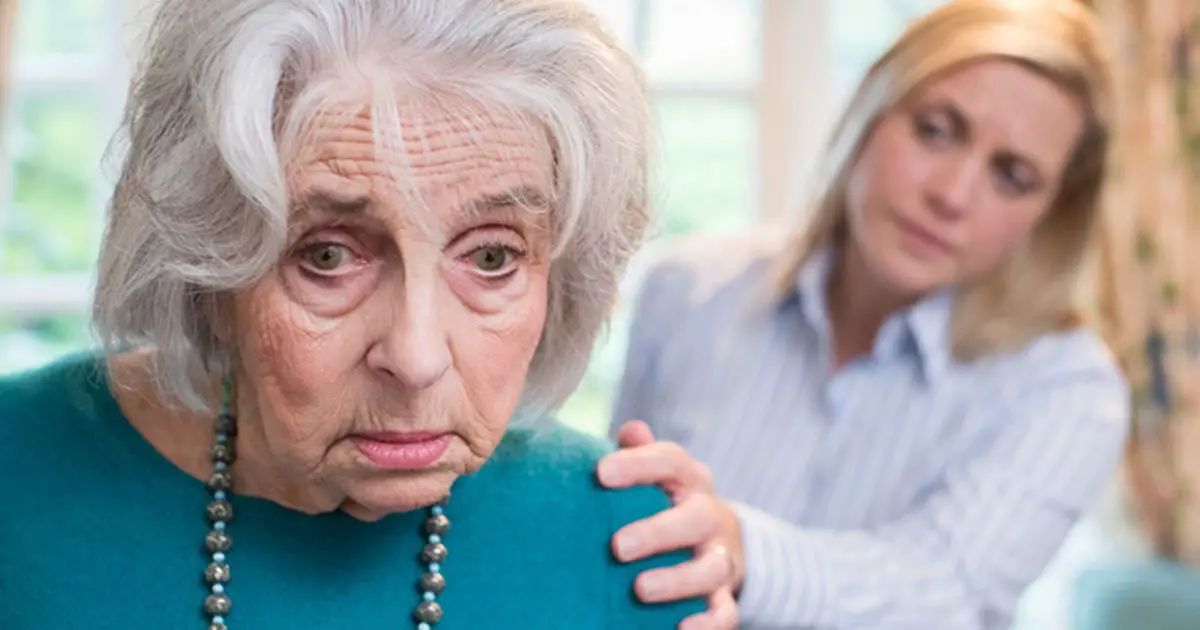
“My purse isn’t yours,” I told her.
But Ava had already slipped the strap from my shoulder the way someone takes a coat off a rack that no longer belongs in the room. “You don’t need this anymore, Mom,” she said, her voice neat as a receipt, her eyes moving over my living room the way appraisers look at a house. Measured, impersonal, already assigning value.
The purse hung from her hand, soft with years of use, the leather warmed by my skin. I watched her thumb the clasp open. It clicked with such a small sound, but it felt like a door giving way inside my chest.
“Mom, I’m simplifying things,” she went on. “You get confused with bills. I’ll handle the household spending.”
She said handle the household spending as if we were in a boardroom and not in the little house my late husband and I painted together one humid July, the house where the kettle still seemed to know when to whistle for two.
She sifted through my wallet. Cards. Folded grocery lists. A photograph of Adam in his marching-band uniform. A pharmacy punch card with one square left unstamped. She didn’t see any of it. She saw numbers. Access. Leverage. The inconvenience of me.
“Give it back,” I said.
My voice was calm. I learned a long time ago that calm is not weakness. Calm is control.
She slid my debit card into her phone case anyway, as casually as if she were tucking away a coupon. “We’re done with the old system,” she said. “I’ve already spoken to the bank. They know I’m family.”
A small lie wears perfume. A bigger one has the sharp smell of solvent.
This one stung.
I moved toward the kitchen because when your balance is being taken from you in plain sight, your body starts looking for motion, for a handle, for anything that still belongs to you. The kettle gave a soft pop on the stove. I poured water over the tea leaves with steady hands, hands that had folded a thousand donated shirts for a church laundry fundraiser back when Ava was thirteen and complained the whole drive there.
Funny what stays with you.
She followed me, the purse tucked under her arm like a trophy.
“Coffee for me,” she said, as if we were in some little café and I was anyone but her mother. “We’ll go by the bank after this. I’ll get the limits raised, set alerts, make sure everything is streamlined. I can’t keep fixing things every time you forget a password.”
“I don’t forget,” I said. “I choose.”
She didn’t hear it. People only hear the pitch they’re already tuned to.
“I’m only doing this because I care,” she said.
And there it was. The cushion wrapped around the shove.
“You’ll thank me when everything is simpler.”
“When water is forced through a narrow pipe,” I said, “it screams.”
The kettle made a thin little sound just then, as if it had decided to agree with me.
I set a cup in front of her. She didn’t touch it. She was all movement, her phone lighting up with notifications, a photo of a lamp she wanted for their dining room, some promotion from a mall store two towns over.
My purse sat between us on the table, small and faithful.
I sat down and took in my own house as if I hadn’t really seen it in weeks. The threadbare rug by the back door. The spider plant that refused to die. The picture of Adam with his first car, grinning at a dent in the fender as if it were a medal. Outside, a bird tested a few notes on the gutter.
Life kept moving in its humble gears while my daughter counted the teeth.
“Ava,” I said, and she looked up.
My girl was forty-eight and still could not hold a gaze for more than three seconds when she was doing something she should not be doing.
“We are not going to the bank together.”
She blinked, then smiled in the slow patient way adults smile at stubborn children. “We are,” she said. “Don’t make this difficult.”
“Difficult,” I said, “is the word people use when their plan meets a spine.”
Her smile twitched and vanished.
She stood, impatience drumming through her hands. “You keep the house. I’ll take the logistics. I’m signing on to everything. It’s safer that way. You’ll have an allowance. I’ll make sure your prescriptions are filled. You can just—” She fluttered her fingers, searching for a polite word. “Rest.”
I looked at those fingers, polished, quick, expensive. They had held diplomas and steering wheels and the hands of men she later left with clean breakups and tidy text messages. They had not, in a very long time, held mine.
“You can leave my purse on the table,” I said. “We’ll finish tea.”
She gave a short sharp laugh. “You think I’m asking?”
Then she tucked the purse under her arm again, the way someone conceals something they already consider taken. “I’ll be back at three. Be ready.”
The door closed behind her with the flat sound of a stamp.
Through the window, I watched her cross my little patch of lawn, heels that made her taller than apologies, hair I used to braid before dance recitals, shoulders set with the confidence of someone who thought the matter had already been decided. She got into her car, answered a call without looking, and drove away.
Silence sat down across from me.
The tea had gone the color of old amber. I picked up my cup and drank it steadily. Heat in the mouth wakes the rest of you.
Then I noticed she had left the extra purse she had brought over the week before, slung over the back of the chair by the window. I took it down and emptied it carefully. Coins. Keys. A half-empty pack of gum. The peppermints Adam was always stealing when he thought I wasn’t looking. My debit card was gone, of course.
But tucked into the lining was one envelope she had missed.
Inside was the list of questions I had written for the bank the night I woke up unable to swallow around the air in my own throat. Beneficiaries. Transfer limits. Account authorizations. What to do if someone decided you were easier to manage than to hear.
The clock on the stove said 10:17.
Morning light lay over the rug like washed linen. People think change arrives like fireworks. At my age, it feels more like folding a shirt. Corners square, fabric smoothed flat, intention obvious.
I put on my coat. I took the envelope. I left the cup in the sink, the spoon in the saucer, the kettle on its base. I locked the front door, tested the handle, felt the click like a vow.
Then I walked to the bus stop with my shoulder oddly light where a purse used to hang and my hands freer than they had felt in a long time.
The August air had that sharp edge it gets in a Midwestern town when summer knows it is running out. I rode past the library, past the bakery with its chalkboard sign for scones, past the hardware store where an old elm stood out front where Adam once climbed too high and froze halfway down until George coaxed him with a licorice rope and a promise not to tell his mother.
Inside the bank, it smelled faintly of printer ink, hand lotion, and lemon polish. A young teller with perfect eyeliner gave me the kind of smile trained to be polite without being intimate.
“How can I help you today, ma’am?”
“I need to close my checking account,” I said, “and move the funds somewhere safer.”
“Of course. Do you have your ID?”
I handed over my driver’s license. She typed for a moment, nails clicking against the keys, and then her expression altered almost imperceptibly.
“It’s a joint account with Ava Kent.”
I nodded once.
“There have been two withdrawals this week,” she said carefully. “One yesterday for three hundred dollars. One this morning for eight hundred.”
So that explained her confidence.
“Freeze it now,” I said, “and remove her authorization.”
The teller straightened. “We’ll need your signature for that.”
“I’m ready.”
Ten minutes later, I was sitting across from Mr. Calder, the branch manager, a silver-haired man in his fifties whose face still carried traces of the boy who used to run around Little League fields in this town. He had known George back when my husband came in smelling of sawdust and deposited cash from side carpentry jobs into an envelope account we called the roof fund.
“I can move the balance into an individual account immediately,” Mr. Calder said. “But if you’re worried about future access, there are stronger protections. We could place the funds into a trust in your name with a designated beneficiary.”
“Beneficiary,” I repeated.
“Someone you choose. The money remains yours while you’re living. It simply prevents interference from anyone else.”
I thought of Adam, who still came by on Sundays without asking for anything more than pie and tea. I thought of the way his hands shook when he got excited, just like George’s used to when he was building something he loved.
“I want Adam Lane as the beneficiary,” I said. “And I want it airtight.”
Mr. Calder nodded. “We’ll have legal prepare the paperwork. Do you want to include your house in the trust?”
I nearly said no.
Then I remembered Ava’s offhand comments over the years. How big houses were wasted on one person. How maybe we should think about downsizing before I tripped over a rug and broke a hip. How convenient it would be if things were more centralized.
“Yes,” I said. “The house too.”
An hour later, I walked out with a temporary debit card, a folder of documents, and an appointment with their lawyer for the following Tuesday. My balance was safe. My home was moving toward safe. For the first time in months, I felt my shoulders lower from where they had been living up near my ears.
On the bus ride home, the city slid past in familiar fragments. The diner with the red stools. The feed store sign that hadn’t changed in twenty years. The park where school bands practiced in September. I thought about Ava. She would be furious when she found out. Maybe she already was.
The house was quiet when I came in. My purse sat on the hall table, emptied of nearly everything except a crumpled receipt for milk. She had even taken the coins.
At two, the phone rang.
“Mom. Hi.” Ava’s voice was bright and false. “I went ahead and paid some bills for you this morning just to help out.”
“Thank you,” I said evenly. “Though I took care of my banking today. Everything is in order.”
There was a pause. I could almost hear her blinking.
“Oh. What do you mean?”
“I mean,” I said, “I’ve arranged things so no one has to worry about my finances anymore. No one at all.”
Her voice cooled by degrees. “Mom, I wish you’d talked to me before making big decisions. It’s not safe.”
“I know exactly what is safe for me,” I said, and cut her off before she could wrap that sentence in guilt.
Then I made tea and let it steep until the water went nearly black.
Out the window, the neighbor’s cat walked the fence with its tail high, moving as if the whole day belonged to it.
I decided I would move that way too.
I did not tell Adam what had happened right away.
When he came by that Sunday carrying a paper bag that smelled faintly of cinnamon rolls, I smiled as if nothing had changed. He sat at the kitchen table in that awkward stretched-out way tall young men do, talking about a group project nobody else seemed interested in finishing.
“It’s like herding cats,” he said. “No one answers messages until midnight, then they want to meet at seven in the morning, and somehow I’m doing all the work.”
“Sounds like you’re learning an important adult skill,” I said, pouring his tea. “Carrying more than your share.”
He grinned. “Guess I got that from you.”
I did not want to harden his afternoon with the ugliness of Ava’s visit, the withdrawals, the bank, the panic I had swallowed whole and turned into paperwork. That would come later, when it was time. For now I wanted to keep our Sunday ritual intact. Pie, tea, small talk, the kind of ordinary tenderness that should be allowed to stay ordinary.
After he left, the house felt quieter than usual. I wandered into my bedroom and opened the top drawer of my dresser. Under a stack of scarves lay the brown envelope from the bank. I slid it out and looked again at the preliminary trust paperwork. My name. Adam’s name. The house and funds clearly listed. It felt solid in my hands, like the click of a lock that had finally found its door.
That night I dreamed of George. Not the George from the hospital bed, not the one thinned by pain and careful breathing, but the one with strong hands and a sunburn across the back of his neck. In the dream, we were painting the kitchen. He stood on a chair telling me to keep the brush wet while I pretended not to notice the green paint already dripping onto the floor.
I woke smiling, and then came the small hollow ache of remembering that the person you miss most is still gone.
The next morning I called the lawyer Mr. Calder had recommended. Her name was Ruth Meyers. Her voice was brisk but kind in the way Midwestern women can be kind. No fuss, no softness wasted, but dependable all the same.
“We can see you Tuesday at eleven. Bring your identification, proof of property ownership, and any documents relating to your existing accounts.”
“I have them,” I said.
Around noon, Ava called again.
“Mom, I’ve been thinking,” she began in that careful voice she uses when she is trying to sound reasonable instead of controlling. “Managing money is stressful. You’ve got enough on your plate without keeping track of due dates and balances. Why don’t we set up an automatic transfer? I can handle the household stuff and you can relax.”
I let her talk.
It is extraordinary what people reveal when you don’t interrupt them.
She went on about convenience, peace of mind, modern banking, streamlining, all of it dressed up to look like concern.
When she finally paused, I said, “Ava, you’ve made it very clear that you think I’m not capable of handling my own affairs.”
“That’s not what I—”
“It is,” I said gently. “But here is the thing. My affairs are mine, and they are handled. There is nothing for you to manage.”
The silence that followed was thick enough to chew.
“Well,” she said at last, “I just hope you don’t regret shutting out the people who care about you.”
I smiled to myself and looked out the window at the wind chimes on the porch next door, barely stirring.
“If anyone cares about me,” I said, “they can do it without needing my bank card.”
After she hung up, I underlined the next item on my list: make copies of all documents.
At the library copier, two neat sets came out, one for me and one for Ruth. On the walk home I passed the bakery and glanced in the window. A young woman sat bent over a laptop, her hair falling forward. For one startling second she looked so much like Ava at nineteen that my breath caught.
Back then, Ava would sit at my kitchen table working through algebra, muttering at numbers, accepting a plate of cookies without ever lifting her eyes. Somewhere between that girl and the woman who had taken my purse, the space between us had filled with ledgers and conditions.
I made tea when I got home. I sat by the window and watched the late sun catch in the neighbor’s wind chimes. They made almost no sound, just a faint shift, as if something was deciding whether to speak.
I decided I would wait until after the lawyer visit to tell Adam. When I did, I wanted to be able to explain everything clearly, without fear, and with the facts settled.
Tuesday came crisp and bright. Ruth Meyers’ office smelled faintly of paper, coffee, and lemon polish. She was a small woman in her sixties with close-cropped hair and the kind of eyes that did not waste time.
“Mrs. Lane,” she said, standing to shake my hand. “Mr. Calder filled me in. I understand we’re finalizing your trust today.”
“Yes. And I want it secure enough that no one can lean on it from the outside.”
“That,” she said, settling into her chair, “is exactly what we’re here to do.”
We went through every detail. My house. My savings. The parcel of land George had held onto for thirty years because he swore someday he would build a shed there and never did. Ruth explained how the trust would bypass probate, how it would stand even if a relative tried to challenge it, how any amendment would require my physical signature and a notary witness.
“No phone pressure. No assumptions. No shortcuts,” she said.
“Good.”
By the time I left her office, the documents were signed, stamped, and sealed. Adam’s name sat clearly on the beneficiary line. No room for confusion. No room for anyone to step in and translate my life into something easier for themselves.
I walked home slowly, taking the long way past the park. Children shrieked from the swings. Dogs chased one another across the grass. A man sat on a bench feeding breadcrumbs to pigeons that barely bothered to move. The world looked exactly as it had the day before. But I did not.
When I got home, I unlocked the lockbox, placed the manila envelope inside, and closed it with a firm click.
The phone rang. Then rang again.
The machine picked up.
Ava’s voice filled the kitchen, smooth and practiced. “Mom, I heard you’ve been back to the lawyer. I wish you’d told me. We could have done this together as a family. I know you think I’m after your money. That isn’t true. I just want to make sure you’re safe. We can still fix this. Call me.”
I sat with my tea after the message ended, thinking about how much time she must spend rehearsing those words.
Later that evening, Adam called.
“How did it go?”
“Done,” I said. “It’s all in writing.”
“That’s good,” he said, and I heard relief settle into his voice. “I’m glad you didn’t wait.”
We talked a little longer, mostly about the cinnamon bun I had saved for him. When we hung up, the quiet in the house felt different. Not the heavy quiet of being observed, or judged, or cornered. The gentle quiet that comes when your decisions belong to you.
A week passed without storms.
I weeded the beans. Ironed pillowcases. Sent Adam home with the cinnamon bun and a jar of plum jam. The phone rang often, then less often.
On Thursday, the bank called. A careful young voice informed me that someone had tried to use an old authorization at a branch across town. It had been declined, flagged, and documented.
“Would you like to speak to the manager, Mrs. Lane?”
“No, thank you,” I said. “I already know everything I need to know.”
By Saturday the sky had cleared into the bright blue of an enamel bowl. I baked a small chicken, set the table for one, and opened the windows.
The knock came just before four.
I knew it was Ava by the pause between taps, by the little intake of breath she always makes before entering a room she thinks she can still control.
I opened the door but did not step aside.
She held a bouquet from the supermarket. Tulips already past their prime, stems sweating in cloudy water.
“I don’t know how to stand here,” she said, her voice tight. “As your daughter. As a stranger. I brought flowers.”
“You can stand as you are,” I said. “The vase is full. Say what you came to say.”
She swallowed and pulled my old leather purse from a tote bag on her arm. She set it gently on the hall table as if it were something alive and sleeping.
“It’s yours,” she said. “It always was.”
I looked at the purse. Scuffed corners. Familiar clasp. The zipper catching the light where she had once tugged it open without asking.
“I was scared,” she said at last. “Money makes people do foolish things. I thought if I didn’t act, someone would take advantage of you. And then—” She stopped and let out a shaky breath. “Then I became the thing I said I was trying to protect you from.”
She looked smaller somehow, shoulders drawn in, face stripped of performance.
“I’m not asking for money,” she said. “I’m asking for a way back.”
I let the words sit between us.
“A way back is not a circle,” I said. “It’s a road with markers. If you want to walk it, you’ll know you’re on it by how you behave when no one is watching.”
She frowned slightly. “I don’t know what that means.”
“It means you call before you come over. You don’t raise your voice in my house. You don’t touch my mail, my keys, or my purse. You don’t speak about my mind as if I’m not in the room. We can have tea on Sundays. We can talk about the garden. We will not talk about my accounts.”
Her eyes lifted to mine.
“And Adam is off-limits,” I said. “He is not your messenger. He will not be pulled into sides. If you have something to say to me, use your own mouth.”
She nodded once, then again. “I can do that.”
For the first time in weeks, she did not sound like she was auditioning for forgiveness. She sounded tired. Human. Frightened of herself in a way I had not seen before.
“I don’t want to be the woman who barged in and grabbed her mother’s life because she was afraid of losing her own,” she whispered.
“You already were,” I said. “But you do not have to keep being her.”
We stood there in the hallway, two women who had loved each other badly for a while, both waiting to see whether the weather would break.
Finally her eyes drifted back to the purse.
“There’s nothing missing,” she said softly. Then, with a thin embarrassed smile: “I checked. Old habit.”
“Old habits can retire.”
She asked if she could hug me.
“Not today,” I said.
I watched shame and relief cross her face together.
“Boundaries bruise when they’re new,” I told her. “Later, they hold you up.”
When she left, I put the flowers in the sink and my purse on the top shelf of the closet. Then I made tea, the good kind Adam brings, and carried my cup out to the porch.
The street breathed in its ordinary way. Children on bicycles. A dog with more bark than sense. Mr. Keegan watering his tomatoes as if expecting applause for every successful plant.
After a while, Adam arrived. I had called earlier and told him nothing urgent, only that there would be pie tomorrow if he was free. He sat on the step below mine, long legs sprawled out, the easy carelessness of youth in every angle.
“She come by?” he asked.
“She did.”
He glanced over. “Everything all right?”
“We have an understanding.”
He nodded, not pushing for details. That boy had always known the difference between curiosity and care.
We talked about his exam, the old car he wanted to keep alive another year, the lake he might drive to in summer. When he stood to leave, he leaned down and kissed my cheek.
“Proud of you,” he said.
Those words landed in a place that years of noise had never reached.
As the light faded, I wrote two notes.
The first I tucked into the lockbox with the trust documents: Home placed in trust. Choices made clear. Love does not require proof of funds.
The second I slipped inside the purse on the closet shelf: If you are opening this without asking, close it. Then try again with the doorbell.
I washed my dinner plate, turned the key in the front door, and stood for a moment in the quiet house that had held my best and worst days.
I am not a martyr. I am not a judge. I am an old woman who finally learned that dignity is not a gift people hand you when they feel moved enough. It is a line you draw and hold, even when your hand trembles.
I loved my daughter when she crossed that line. I will love her if she learns to see it. And if she doesn’t, I will still sleep well, because I chose myself without shouting. I did not let fear dress itself up as care and walk away wearing my name.
Tomorrow there will be coffee and pie. A phone that rings less often. A garden that insists on growing.
If peace has a sound, it is the creak of a clean floor and a kettle coming slowly to a boil.

Sophia Rivers is an experienced News Content Editor with a sharp eye for detail and a passion for delivering accurate and engaging news stories. At TheArchivists, she specializes in curating, editing, and presenting news content that informs and resonates with a global audience.
Sophia holds a degree in Journalism from the University of Toronto, where she developed her skills in news reporting, media ethics, and digital journalism. Her expertise lies in identifying key stories, crafting compelling narratives, and ensuring journalistic integrity in every piece she edits.
Known for her precision and dedication to the truth, Sophia thrives in the fast-paced world of news editing. At TheArchivists, she focuses on producing high-quality news content that keeps readers informed while maintaining a balanced and insightful perspective.
With a commitment to delivering impactful journalism, Sophia is passionate about bringing clarity to complex issues and amplifying voices that matter. Her work reflects her belief in the power of news to shape conversations and inspire change.