Access Is Not Ownership
The first text came at 2:07 a.m. while I was on assignment in Seattle. The hotel room was black except for the blue glare of my phone, the air conditioner rattling under the window, cold against my bare arms as I pushed myself upright against the headboard.
Mom: Finally did something about that house of yours. You’re welcome.
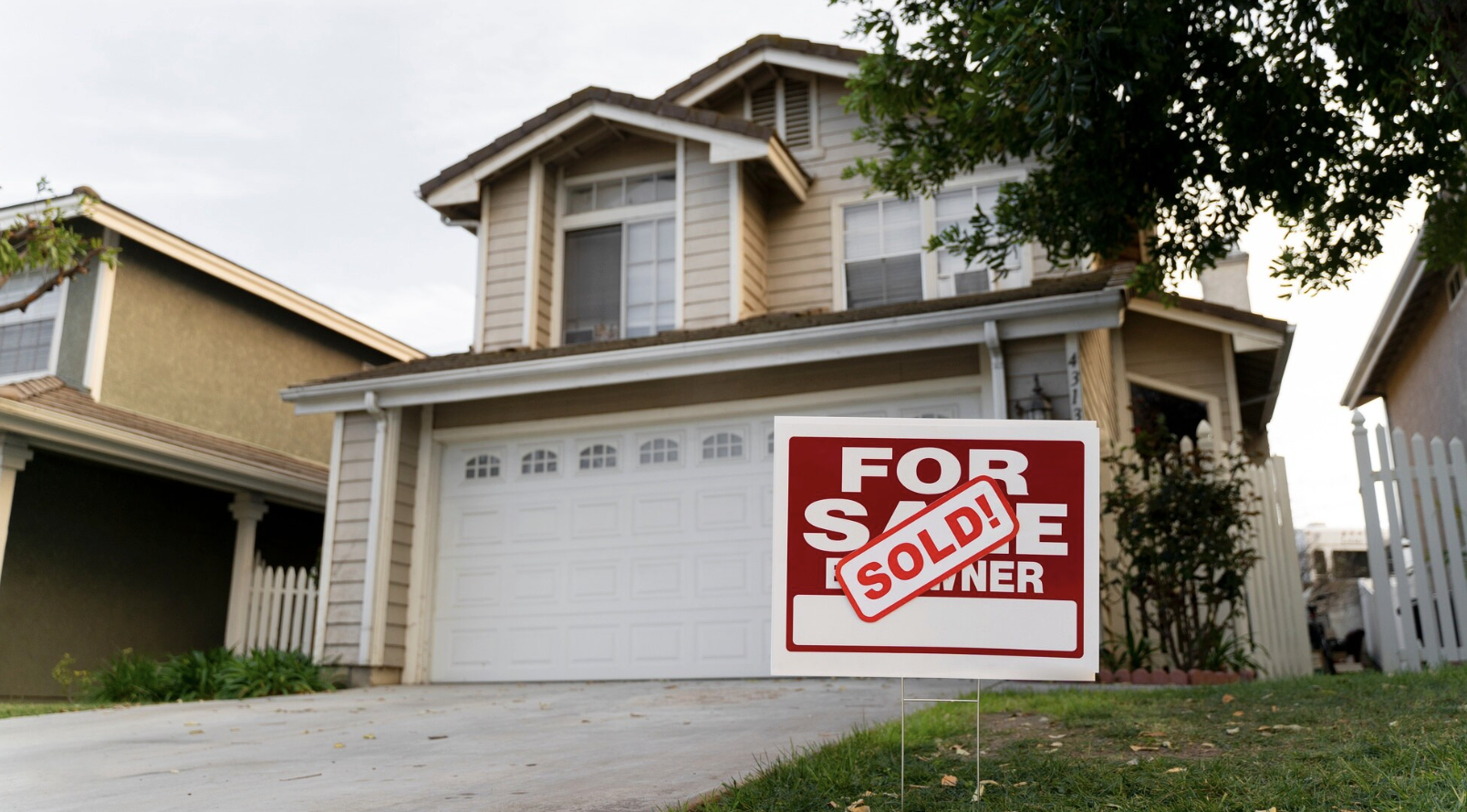
I stared at the screen until the words rearranged themselves into something my brain could process. The house in Alexandria. My house. The three-bedroom colonial I had bought two years earlier because it was fifteen minutes from the federal courthouse and twenty from my office at U.S. Marshals headquarters.
Me: What do you mean, did something about it?
Mom: Sold it. You were never there anyway. Always traveling for that job of yours. The money will help your sister with her wedding.
My mouth went dry so fast it hurt.
Me: You sold my house?
Mom: Don’t be dramatic. We still had your power of attorney from when you were overseas. We used it. The house was just sitting empty. $850,000 cash. Your father and I split it with Rachel for wedding expenses. You can thank us at the reunion next week.
Six years earlier, before Afghanistan, I had signed that power of attorney in a kitchen that smelled like pot roast, the two of us sitting at the table with her reading glasses on and a notary she had called as a favor. She had been the person I called when something broke, the person I trusted with every spare key and emergency document, the person I imagined would only move through my life when I genuinely needed her. I had signed because I still believed my parents understood the difference between access and ownership. They had kept my mail, my spare key, my emergency paperwork, all the ordinary little proofs a daughter gives her family when she thinks trust is mutual. Trust is dangerous when greedy people mistake it for permission. They do not break into your life with crowbars. They use the key you handed them.
I called my supervisor on the third ring. He picked up immediately, which told me he had been awake.
“Sir, we have a problem. My family just sold my house in Alexandria.”
A pause. Then his voice changed. “Your house? The safe house?”
My stomach dropped. “Yes, sir.”
“The one we’ve been using for witness protection? For the Castellano case?”
“Yes.”
“Who’s in the house right now?”
“Angela Moretti and her two kids. They were supposed to stay there three more weeks before relocation.”
He exhaled through his nose, hard and controlled. “And your family sold a federal safe house without notifying anyone. Get back to D.C. now. We’re moving the Morettis and opening an emergency investigation immediately.”
I caught the first flight out of Seattle. By the time I landed at Reagan National, my phone had seventeen new messages from Mom, each one wearing the same costume: why are you overreacting, you’re embarrassing us, you’re ruining Rachel’s weekend. I ignored every one and drove straight to headquarters in Arlington.
Deputy Chief Crawford was waiting with legal counsel and the kind of silence that tells you a room has already calculated how bad the damage is. I laid it out: the power of attorney, the deed transfer, the closing date, the $850,000 cash payment, the wedding money. Patricia Williams from legal turned her laptop toward us, her face gone still.
“The house sold for $850,000 through Riverside Holdings LLC,” she said. “That property is worth at least $2.8 million. This wasn’t a normal sale.” She kept typing. “Riverside Holdings is a Delaware shell company. Layered ownership. Concealed principals.”
Crawford looked at me. “Someone didn’t just stumble into a bargain. Someone targeted that address.”
That was when rage went cold inside me. Not loud, not cinematic. Cold. I wanted to call my mother and say things no daughter should ever have to say, but I locked my jaw and put both hands flat on the table instead.
We were at the Alexandria house within an hour with a tactical team. Angela Moretti was in the kitchen with her daughter and son when we came in. Her little girl was coloring at the table. Her son was eating grapes from a plastic bowl. A crayon rolled slowly off the table edge and clicked against the floor.
Angela looked up, saw our faces, and went white. “Did they find us?”
“No, ma’am,” Crawford said. “But we’re moving you now. Ten minutes. Essentials only.”
She looked at me. The hurt in her eyes landed before any accusation could. “You said we were safe here.”
That cut clean.
“I know. I’m so sorry.”
While the team helped her pack, Crawford pulled me aside. “Where are your parents now?”
“At my uncle’s farm in Pennsylvania,” I said. “Family reunion. They’re expecting me tomorrow.”
He nodded once. “We’re not waiting until tomorrow.”
We drove up that afternoon in three unmarked vehicles. My uncle’s farm sat on rolling land outside Harrisburg, all split-rail fences and late summer grass and white heat rising off the gravel drive. The reunion was already in full swing: kids running in the yard, country music crackling from a portable speaker, barbecue smoke drifting sweet and greasy in the sun. It looked like every family gathering I had driven to over thirty-three years of being a daughter in this family. Completely ordinary. Completely safe-looking. My mother near the grill laughing with aunts, my father inside probably collecting opinions on someone else’s business, Rachel somewhere arranging herself to be admired. I had spent my whole career learning not to trust the look of things.
My mother saw me first. Then she saw the people beside me.
The badges.
Her smile faltered. She called my name with that particular brightness she deployed when pretending surprise was delight. My father stepped out with a beer in his hand. Rachel came around the corner with Evan behind her, still holding a plate. I walked straight across the lawn with Crawford beside me. “Mom,” I said, loud enough for the nearest relatives to hear, “tell me exactly who helped you sell my house.”
She blinked as if I had slapped good manners out of the air. “This is not the time for dramatics.”
Dad gave a short laugh. “We solved a problem for you. You should be thanking us.”
Rachel crossed her arms. “You brought federal agents to my wedding weekend because you’re mad about a house you never even used?”
Crawford opened a folder. “That house was an active federal witness-protection site. A protected witness and two children were living there. Your unauthorized sale compromised a federal operation.”
The reunion froze. A paper plate tilted in one cousin’s hand. Ice knocked softly against the inside of a plastic cup. Someone’s fork hovered above potato salad while the music kept playing for three useless seconds too long. My aunt stared at the grill lid. My uncle looked at the grass. Every adult suddenly found somewhere else to put their eyes. Nobody moved.
Mom stared at Crawford. “No. That’s ridiculous. Sarah wouldn’t put strangers in her home.”
“I did,” I said.
Dad’s face hardened. “Then that’s on you. We had legal authority.”
Williams spoke next, calm and precise. “You used an outdated power of attorney to transfer a federal-use property far below market value to a shell company now under criminal investigation. That is not a family misunderstanding.”
Rachel’s fiancé quietly set his plate down.
That was the moment I noticed it. Not confusion. Recognition.
The gate opened behind us. Two marshals crossed the lawn with seizure warrants in hand. When one of them read the first traced account aloud, Evan looked up before anyone said his name, looked up like a man hearing his own front door unlock from the inside.
Rachel saw it too. “Evan?” she said slowly.
His face changed before his mouth moved. A guilty person can practice words. They rarely practice the first half-second of being caught.
Crawford turned toward him. “Evan Mercer?”
Evan swallowed. “Yes?”
“We have a warrant authorizing seizure of financial records, electronic devices, and assets connected to Riverside Holdings LLC and related transfers.”
Rachel’s mouth fell open. “Evan doesn’t have anything to do with this.”
But he had already stopped looking at her. He was looking at the warrant. Then at the driveway. Then toward the back fence. I knew that look. Flight calculation. I had seen it on fugitives and frightened witnesses and men who realized too late that the nearest exit had already been counted by people better trained than them.
“Don’t make that choice,” Crawford said quietly.
Evan froze.
Rachel took one step away from him. “Tell them they’re wrong.”
He said nothing.
My mother suddenly came alive again, as if refusing reality could still change its shape. “Evan helped us because Sarah refused to be reasonable. He knew someone who could make the sale fast. That’s all.”
Crawford looked at her. “Who did he know?”
Mom’s mouth closed. Dad answered for her, loud enough to show he thought dominance would still help. “He had an investor. A cash buyer. We had paperwork. We had authority. Sarah wasn’t using the house and we needed the money.”
“For Rachel’s wedding,” I said.
Rachel’s face went red. “Don’t put this on me.”
I looked at her steadily. “Where did the deposit for your venue come from? The payment for the dress? The honeymoon?” My voice never rose. That was what made her look scared. Not angry. Scared. Because anger would have given her something familiar to fight. Calm made it sound like evidence.
Williams opened a second folder. “Funds from the property sale were wired into three accounts. Two personal accounts held by Mark and Diane Bennett.” My parents. “And one account connected to an event vendor payment schedule for Rachel Bennett and Evan Mercer’s wedding.”
Rachel turned toward Evan. “You said your bonus came through.”
He looked at her then, and in that look I saw the whole machinery of it. My parents’ entitlement. Rachel’s need to be celebrated. Evan’s greed. A shell company waiting to buy a house for less than a third of its value. A safe house compromised because my family thought my absence meant vacancy.
Rachel whispered again, “You said it was your bonus.”
Evan’s jaw tightened. “It was going to be fine.”
That sentence struck her harder than the warrant. Because it did not deny anything. It only confirmed that she had been included in the fantasy but not the truth.
The search lasted two hours. Phones were bagged. Laptops retrieved from cars. A tablet from Rachel’s purse. Documents from my father’s truck. Evan’s phone was the prize. He had tried to delete messages. People always think deletion is a magic trick. It is not, not when federal investigators are tracing financial records, not when a safe house sale has created a paper trail bright enough to read in the dark.
Rachel cried in the shade near the porch, her wedding binder open on a picnic table, pages fluttering in the breeze: floral arrangements, seating charts, vendor confirmations, all those pretty plans funded by the theft of a home that had been sheltering a witness. My mother sat rigid in a lawn chair staring straight ahead. Dad paced until Crawford told him to stop.
And I stood beneath the maple tree at the edge of the yard thinking about Angela Moretti’s face.
You said we were safe here.
Not my mother’s entitlement. Not my father’s smirk. Not Rachel’s betrayal. Angela’s eyes. Her children at the kitchen table. The crayon rolling off the edge. Because my family had not only stolen from me. They had endangered people who had already risked everything by telling the truth.
And I stood beneath the maple tree at the edge of the yard thinking about Angela Moretti’s face. You said we were safe here. Not my mother’s entitlement. Not my father’s smirk. Not Rachel’s bewilderment. Angela’s eyes. Her children at the kitchen table. The crayon rolling off the edge and clicking against the floor. Because my family had not only stolen from me. They had endangered people who had already sacrificed enormously just to tell the truth.
At some point Rachel approached me. Her mascara had streaked, and her engagement ring flashed in the afternoon sun. “Did you know this would happen? Did you come here planning to ruin everything?”
I almost laughed. Not because it was funny. Because it was so exactly her. A federal witness exposed, her fiancé connected to the buyer, and the tragedy in her mind was still the wedding weekend.
“I came here because our parents sold my house,” I said.
“You always have to be so righteous.”
“Rachel. Did you know Evan helped them find a buyer?”
She looked away. “I knew he helped Mom and Dad find someone.”
“You didn’t ask why he was involved? At one-third market value?”
“Mom said you wouldn’t care.”
That landed harder than I expected. Not because I believed it. Because my own mother had made my absence sound like consent.
“She was wrong.”
Rachel’s voice dropped. “She said you travel so much you barely need a house. She said this was finally something you could do for me.” Finally. As if years of being the reliable daughter, paying for my father’s medical copay when insurance delayed, sending Rachel money after she quit two jobs in one summer, none of it counted until they could liquidate my walls.
I looked at her steadily. “You knew it was wrong.”
She started crying again, quietly this time. And for the first time all day I saw something in her beyond panic. Shame. It did not fix anything. But it was something.
The investigation moved quickly after that. Riverside Holdings was tied to a chain of shell entities used to acquire distressed or compromised property connected to federal personnel. That was the phrase in the report. Federal personnel. Not just me. Crawford believed the Alexandria address had been identified through Evan’s firm. He worked in private asset consulting, a vague, polished job that apparently involved enough access to property databases and enough moral rot to misuse them. Greed rarely needs the whole truth. It only needs enough opportunity.
My parents insisted they believed the power of attorney remained valid. Their attorney made that argument carefully, framing it as a family misunderstanding involving documents my mother genuinely believed still granted authority. That narrative collapsed within two days. Williams found emails from my mother to Evan: Will Sarah be able to undo this if she finds out? His reply: Not if the sale closes cleanly. Move fast. Discovery revealed they had consulted briefly before the sale closed on whether I would have any legal recourse once the deed transferred. That was not a family using old paperwork in good faith. That was a family asking a connected buyer whether their theft was reversible.
Move fast. I read that line in a sealed conference room two days later and felt something in me detach. Not break. Detach. The part of me that had still been a daughter looking for misunderstanding finally stepped back and saw defendants. That was what they had become. Maybe not in court yet. But in my heart.
I saw Angela Moretti three weeks after the emergency relocation, in a secure office with beige walls and no windows. Her children were in another room with a child specialist. Angela sat across from me in a gray sweater, hands wrapped around a paper cup of coffee she had not touched. She looked older than I remembered from the briefings, which was not surprising. People age in witness protection in ways that photographs do not prepare you for.
“I trusted you,” she said.
“I know.”
“My kids trusted you.”
“I know.”
Her eyes filled but her voice stayed hard, and I respected that hardness more than I could say. She had earned it. “Do you understand what it feels like to run from people who want you dead and then find out the danger came from someone else’s family drama?”
There was no defense for that. None. So I didn’t offer one.
“I’m sorry. I should have revoked the power of attorney years ago. I should have audited every old document. I thought because they were my parents, they would treat my trust as trust.”
I stopped. The excuse sounded pathetic before I finished it.
Angela looked at me for a long time. Then said, “Family makes people stupid.”
It was not forgiveness. It was recognition. The acknowledgment of a shared human flaw from a woman who had no particular reason to extend me any grace at all.
“Yes,” I said.
She finally looked down at her coffee. “Are we safe now?”
“Yes.”
“Don’t say that unless it’s true.”
I met her eyes. “You’re safe now.” This time, I knew better than to base that word on trust. It was based on protocols, locked systems, revoked documents, new identities, layered protection built so deep it would require a different kind of betrayal entirely to reach her.
Rachel’s wedding was canceled. Officially, it was postponed. That lasted four days. Then Evan was arrested on federal fraud and conspiracy charges tied to the property transfer scheme. He claimed through counsel that he had been misled by family informality. Family informality. That was one way to describe theft. He cooperated once he realized shell companies do not love you back, and gave up names tied to Riverside Holdings and several related entities. The investigation spread beyond my family into a broader property fraud network targeting absentee owners, deployed personnel, elderly property holders, and trust-controlled homes.
Rachel broke the engagement the week after Evan’s arrest, not nobly, not dramatically, but practically. She realized prison-adjacent grooms do not look good in wedding photos, and whatever feelings had been there before were harder to locate once the fraud became public.
My parents did not avoid consequences. Fraud. Misuse of power of attorney. False statements connected to the sale. Obstruction after Dad tried to move part of the money into my aunt’s account after the warrants had already been served. Some people see a cliff and still press the gas. My father was one of those people. The assets were frozen first, then seized: my parents’ accounts, the wedding deposits, a cashier’s check Mom had tucked inside a cookbook at my uncle’s house, which my aunt found and turned over because apparently even she had a limit.
My parents pleaded guilty to lesser charges. Dad served time. Mom received a shorter sentence and supervised release. Rachel avoided charges by cooperating early and proving she had not handled the documents directly, though the court made clear she had benefited from misappropriated funds. She lost most of the wedding money, most of her pride, and nearly all of the family’s sympathy once the truth became public knowledge. Sympathy is funny. People offer it generously when they think you have been embarrassed. They withdraw it quickly when they realize you were greedy.
The house sale was unwound after a months-long legal fight. Riverside Holdings never took possession. The deed was restored. But the Alexandria house never felt like home again. Not after Angela’s children had packed in ten minutes. Not after tactical teams swept the rooms. Not after I walked through the kitchen weeks later and found a single purple crayon under the table leg. I stood there holding it, thinking about how carelessly adults destroy safety. Then I put it in a small envelope and mailed it to Angela through official channels with a note: Found this. Thought your daughter might want it back.
Angela never replied. Two months later, Crawford told me her daughter had received it. That was enough.
My mother called from pretrial detention once. Her voice had lost all its polish, the smooth professional tone stripped down to something rawer and less rehearsed.
“Sarah,” she said when I answered.
I stood in my temporary rental apartment and waited. She had spent my whole childhood filling silences the moment they opened, rushing into gaps before they could become expectations. I was curious to see whether jail had changed that.
It had not.
“I didn’t know it was a safe house,” she said.
“No.”
“I didn’t know people were inside.”
“No.”
“I would never have done it if I knew.”
That was probably true. But it was not comforting. Because the fact remained that she would have done it to me. She had done it to me. And only regretted the federal consequences.
“You sold my home,” I said.
“You were never there,” she replied.
Even from jail. Even after everything. The same rotten justification, worn down to its essential shape by repetition. You were never there. As if presence were the metric of ownership. As if the mortgage payments I made from deployment zones and hotel rooms and temporary duty assignments were only real if I was physically standing in the kitchen to make them meaningful.
She finally said she called because my father wanted to know if I would make a statement for leniency.
Not love. Not remorse. Strategy.
“No.”
“He’s your father.”
“And he sold my house.”
A pause. Then, small and bitter: “You’ve become hard.”
“No,” I said. “I’ve become accurate.”
I hung up. My hands shook afterward. I did not call back.
I sold the Alexandria house the following spring. At full market value. No shell companies, no family involvement, no emotional discount applied to the asking price because someone needed me to feel guilty about my own property. At closing, I signed with a black pen while my attorney sat beside me. When it was done, I walked outside into clean April light and felt nothing at first, then grief, then relief, then something close to peace that I had not expected to find on the other side of all of this.
The proceeds went into a trust for emergency housing transitions for protected witnesses after relocation. I kept enough for myself. I was not trying to become a saint. But some part of that house needed to become safe again, and if not for me, then for someone.
When I told Crawford, he looked at me for a long moment. “You don’t have to do that.”
“I know.”
“Then why?”
I thought about Angela. About the purple crayon. About my mother’s text at 2:07 a.m.
“Because they turned my house into a weapon,” I said. “I want the last word to be shelter.”
He nodded once. “Good word.”
Two years later, I received a letter through official channels. No return address I recognized. Inside was a child’s drawing: a purple house, a bright yellow sun, three stick figures holding hands. In careful handwriting: Thank you for keeping my crayon safe.
Angela’s daughter.
I sat at my desk for a long time holding that paper. Then I framed it. Not the house deed, not the court order, not the restored sale documents. The drawing. Because it was the only record from the whole disaster that felt like something had survived without becoming hard. I hung it on the wall near my desk and placed a small brass frame beneath it with a sentence I wrote for myself:
Access is not ownership. Family is not immunity. And absence is not permission.
Years later, whenever a young marshal asked why I was obsessive about old authorizations and emergency contacts and backup protocols, I never told the whole story. I just pointed to the drawing and said: because safety is only real when the paperwork matches the promise.
And every time I said it, I remembered the reunion lawn, my father’s smirk, my mother’s declaration, Rachel’s shock, Evan’s face when the warrant found him. But I also remembered Angela’s children leaving with backpacks. The crayon under the table. The fund that came after. The house that stopped being mine and became shelter in another form.
My family thought they sold an empty house. They had no idea how much lived inside it. And by the time they understood, it was already too late to pretend they had only taken walls.
In the years since, I have thought about the power of attorney more than any other detail. A piece of paper I signed in good faith before a deployment, designed to protect me if something happened. The kind of document you give people because you believe that love and legal authority work in the same direction.
They do not, always.
Access is not ownership. Family is not immunity. And absence, whatever my mother believed, is not permission. I keep those sentences on my wall not as a reminder of what I lost but as a reminder of what I know now. Systems matter. Paperwork matters. Trust that is not audited is trust that accumulates risk like a house accumulating debt. I had handed my family a key and told myself the key was safe because I knew the people holding it. What I did not account for was the possibility that knowing someone and trusting someone could become two entirely different things without my noticing the distance between them.
The drawing from Angela’s daughter stays framed on the wall beside those words.
A purple house. A yellow sun. Three figures safe.
That is what I keep. Not the deed. Not the court order. The drawing. Because it is the only record from the whole disaster that reminds me why the paperwork mattered in the first place. Not for the house. For the people inside it. For all the people who trusted someone to build a wall between them and harm and found the wall had a door they did not know about.
I build better walls now.
With better locks.
And I audit the keys.

Specialty: Quiet Comebacks & Personal Justice
David Reynolds focuses on stories where underestimated individuals regain control of their lives. His writing centers on measured decisions rather than dramatic outbursts — emphasizing preparation, patience, and the long game. His characters don’t shout; they act.