I am fifty years old, and my life has been split in two since 2006.
Before Daniel. After Daniel.
Before, I was a mother driving down Route 9 with my seven-year-old son beside me, listening to him beg for a Sprite like it was medicine. After, I was the woman whose son disappeared from a rest stop while she was inside for less than two minutes.
I was buying him the Sprite. I turned around, and he was gone.
The police searched hard at first. Dogs. Helicopters. Volunteers. Men with clipboards asking me the same questions until the words stopped sounding real. What was he wearing. Did he know to stay by the car. Could he have wandered off. After a while the search lost momentum. The other customers lost interest. It became a file in a drawer somewhere, and I became a woman who had learned to carry something that never got lighter.
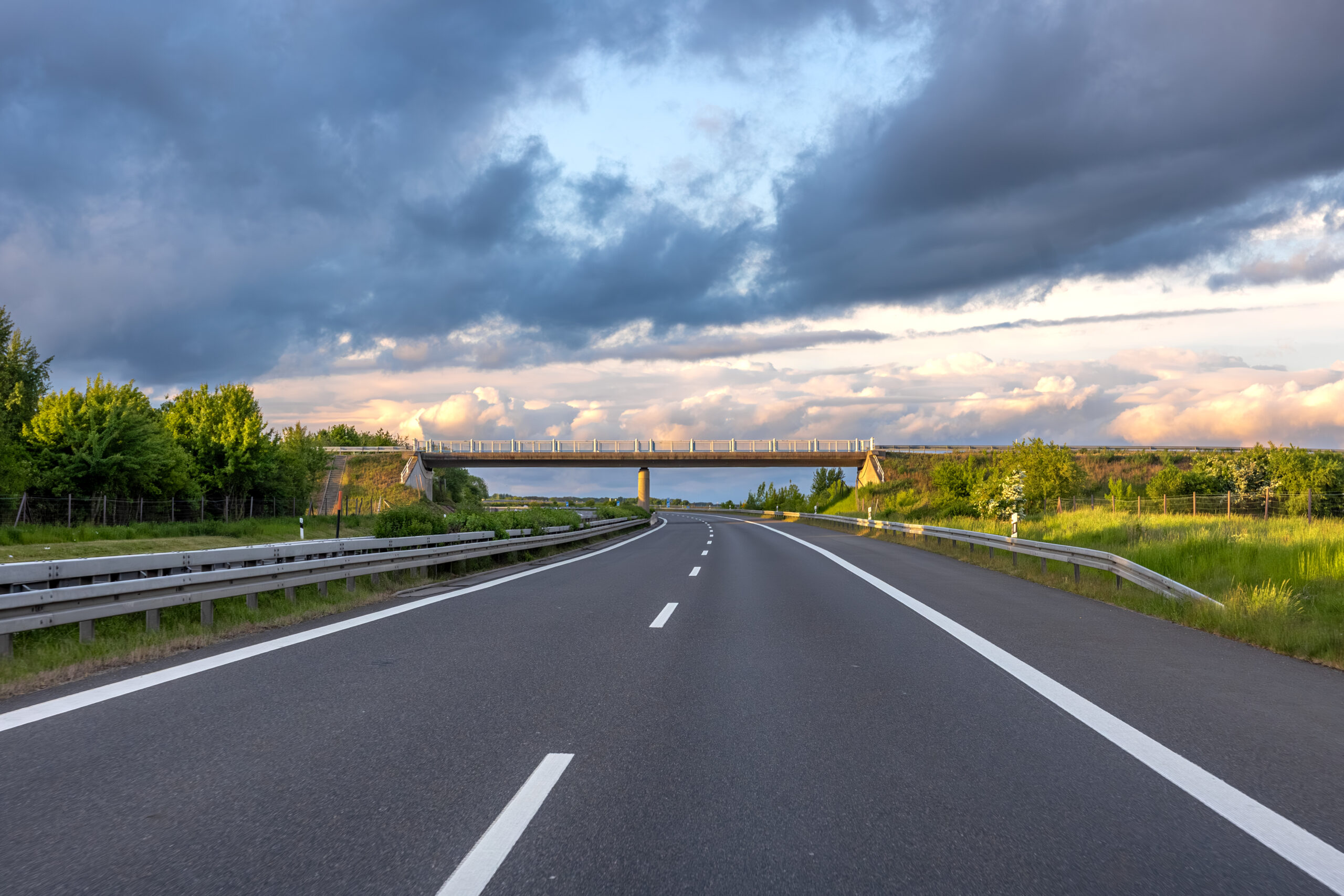
I stopped driving Route 9 after the first anniversary. I could not breathe on that road. Could not see a rest stop sign without hearing my own voice calling his name into the trees.
Last Tuesday, my GPS rerouted me around a wreck. I didn’t understand where it was sending me until I saw the sign.
Route 9.
My hands went slick on the wheel. I wanted to turn around. I didn’t.
Twenty miles in, my back tire blew. I got onto the shoulder and sat there, both hands locked on the wheel, crying so hard I could barely see. Not because of the tire. Because the road had me again.
A knock on the window made me jump.
An older man stood outside in a worn coat and split boots, gray beard moving in the wind. He looked like somebody the road had kept, the kind of man who had been weather-worn for so long the weather no longer bothered him.
I cracked the window.
“You all right?” he asked.
“No,” I said.
He looked at the back of the car. “You got a spare?”
“Yes.”
“Pop the trunk.”
He changed the tire without another word. Fast and steady, like he had done it a thousand times. I stood on the shoulder hugging my arms and staring at his hands, not knowing what else to do with myself.
When he finished, he wiped his hands on a rag and looked at me with the saddest eyes I had ever seen.
Then he said, very gently, “Take care now, Margaret.”
Everything in me stopped.
I hadn’t told him my name.
“What did you say?”
He was already stepping back toward the shoulder.
“Wait.”
He looked at me once, like there was more he wanted to say, then turned and walked toward the trees.
I got back into my car shaking. That was when I saw the Polaroid on the passenger seat.
A little boy in a red shirt. Hair falling into his eyes. A crooked front tooth.
Daniel.
A photo I had never seen before in my life. On the white border was an address, and under it, in shaky handwriting, my name.
I called the old sheriff. The one who had run Daniel’s case. He had been promoted to mayor while I was still looking for my child. The second he saw the photo on my phone screen, all the color left his face.
“Where did you get that?” he asked.
“Do you know this address?”
“Margaret, listen to me carefully. Do not go there.”
“Why?”
His jaw tightened. “Because if I’m right, that place belongs to Roy’s niece. Roy worked maintenance along Route 9 back then. We questioned him during the search. He said he saw nothing. If that photo came from him and the boy in it is Daniel, then I missed something I should have seen.”
“I’m already driving,” I said.
“Margaret, don’t do this alone. I’m coming now.”
I was already gone.
The house was small and ordinary. Toys in the yard. Wind chimes on the porch. A truck in the drive. I got out holding the Polaroid so tightly it bent at the edges.
Before I could knock, the door opened.
A little boy stood in the hallway clutching a toy dinosaur.
“Grandpa?” he called behind him.
My knees nearly gave out.
A woman hurried in and pulled the boy back. “Mason, come here.”
She looked at me. Then at the Polaroid in my hand.
“Oh God,” she said.
I stepped inside before she could stop me. “My son. That is my son.”
She stared at the picture. “That’s my husband.”
“Where is he?”
“At work,” she said quietly. “Lumber yard in Mill Creek.”
“My son is Daniel.”
She shut the door with trembling hands. “His name is Danny.”
The boy peered around her leg. He had Daniel’s smile somewhere in his face. Enough to hurt.
The woman said her name was Kate. She sat me at the kitchen table. There were crayons and a lunch box and a half-finished spelling sheet. I kept staring at the lunch box because looking at her was too much.
“Roy was my uncle,” she said. “He raised Danny. Said his father was an old friend from another county who had dumped him and disappeared. Roy moved a lot when Danny was little. Kept him out of school for almost two years. Then enrolled him under a different first name with bad paperwork and a story about lost records. By then nobody connected anything.”
I hated how much sense it made.
“I found the photo three weeks ago after Roy died,” she continued. “Just a photo, your first name, and an old address. Two days ago I found the clippings. Missing-child clippings. Yours.” Her voice shook. “I mailed a copy to the mayor that same day. Then Earl called.”
“The man on the road.”
She nodded. “I gave Earl the photo yesterday. He used to work with Roy. He recognized you from the old posters the second he saw the picture. He said if he ever saw you on Route 9, he would put it in your hands. I thought he was chasing ghosts.”
“He was waiting for me?”
“Not exactly. He sits out there some days, helps stranded drivers for cash. This morning he called and said Kate, she’s here. Her tire blew and she’s here.”
I stood up so fast the chair hit the wall.
Kate grabbed her keys. I told her no, not for the first minute. She looked like she wanted to argue, but she wrote down the address and said bring him home, she’d meet me there.
The lumberyard was thirty minutes away.
When I found Daniel he was stacking boards in the open yard. Late twenties. Broad shoulders. Sawdust on his sleeves. A little stiffness in the way he bent.
He turned and saw me looking. For one second I saw my little boy. Then I saw a grown man looking at a stranger.
“Can I help you?” he asked.
“Daniel,” I said.
He frowned. “No. Danny.”
I walked closer. “Your mother bought you a Sprite at a rest stop on Route 9. You went around the wrong side of the building and got lost.”
Nothing. He looked unsettled but blank. My chest went hollow.
Then I remembered what Kate had said. The cold bottle.
I turned around, drove to the gas station down the road, and came back. He was still there.
I walked up and put the cold Sprite in his hand.
He looked at it. Green label. Water beading over his fingers.
All the color drained from his face.
“There was a machine,” he said.
I said nothing.
He kept staring at the bottle. “I remember my hands getting wet. I remember being mad you took too long.”
“Yes.”
His breathing changed. “I had a red shirt.”
“Yes.”
“I went around the side. I thought I saw something in the trees.”
He looked up at me, terrified now.
“I couldn’t find the door again.”
The bottle slipped, and I caught it before it fell.
Then he whispered, “Mom?”
I put my hands on his face. He let me.
He was real. Alive. Warm. That was the moment I had been walking toward since 2006.
Kate met us back at the house and together we went through Roy’s locked cabinet in the trailer out back. Inside were boxes of clippings. Every anniversary article. Every public plea I had ever made. Every grainy newspaper photo of me standing next to Daniel’s school picture.
Roy had followed my life from a distance all these years.
Tucked in one box was a note in his handwriting.
Found boy crying behind rest stop. Said his name was Daniel. Said his mama was Margaret. I had a warrant and panicked. Thought I would call in the morning. Morning became too late.
That was it. Not some giant plot. Not a mastermind. A weak man who made one cowardly choice because he was scared of being picked up on old fines. Then he kept making that choice every day until it became a life.
Daniel leaned against the wall, pale and hollowed out. “He told me my father left me with him.”
“He lied,” I said.
Kate sat on the bed and cried quietly. Mason wandered in at some point and offered me a dinosaur sticker like this was a normal night. I took it.
An hour later the mayor arrived, pale and useless, followed by state police. Kate handed over Roy’s cabinet, the clippings, her copy of the letter, and the unopened envelope she had sent him two days earlier. I could not even look at the mayor. He had let the truth sit in front of him and done nothing but warn me away from it.
Later, when the house had gone quiet, Daniel and I stood alone in his kitchen. He still had the Sprite bottle on the counter beside him.
“I don’t know what happens next,” he said.
“You don’t have to know tonight.”
He nodded.
I asked him the question that had lived inside me since the day he vanished.
“Did you think I stopped looking?”
He looked at the bottle for a long second.
Then he said, “No.”
I started crying again.
He looked at me and said, “I think part of me knew that. I think that’s why I survived it.”
That broke me more than anything else.
I did not get his lost childhood back. I did not get his first shave, his graduation, his wedding, or the day his son was born. None of that can be returned. Roy stole those years from both of us with a single morning of cowardice, and no court date and no sentence will give them back.
But that night I stood in my son’s kitchen while my grandson pressed a dinosaur sticker into my hand and asked if I liked green.
I told him yes.
Daniel stood by the counter, tired and stunned and alive.
“I don’t know how to be your son,” he said.
“You already are.”
He looked at me for a long time after that, the way someone looks when they are trying to memorize a face they should have known by heart for twenty years.
Mason asked if I wanted to see his dinosaur collection. Daniel said it was past his bedtime. Mason said dinosaurs don’t have bedtimes. Daniel looked at me with an expression I recognized from somewhere very old, the beginning of a laugh he didn’t quite have words for yet.
“Five minutes,” Daniel told him.
I followed Mason down the hallway, and Daniel followed me.
That was how the night ended. Not with speeches or with answers to every question we still had. Just the three of us sitting on a bedroom floor surrounded by plastic dinosaurs while a seven-year-old explained, with the absolute authority of a child who has memorized something that matters, exactly why the stegosaurus was underrated.
I thought about Earl out there on Route 9, sitting on the shoulder some days helping stranded drivers, waiting for a chance to do one right thing. I thought about Kate, who had found the truth in a dead man’s cabinet and refused to let it stay buried. I thought about a tire blowing on a road I had avoided for twenty years, and about how sometimes the thing that undoes you is the same thing that finally brings you home.
I don’t have a tidy lesson from any of this. I don’t have wisdom about grief or patience or the way time works when you’re waiting for something that may never come.
What I have is a son.
What I have is a grandson who likes green and thinks stegosauruses deserve more credit.
What I have is the knowledge that I did not stop looking, and that somehow, across twenty years and a road I could not bear to drive, he knew it.
After all these years, Route 9 finally gave one thing back.

Adrian Hawthorne is a celebrated author and dedicated archivist who finds inspiration in the hidden stories of the past. Educated at Oxford, he now works at the National Archives, where preserving history fuels his evocative writing. Balancing archival precision with creative storytelling, Adrian founded the Hawthorne Institute of Literary Arts to mentor emerging writers and honor the timeless art of narrative.