The Same Hands
My father made sure the room knew I served coffee for a living before he said anything else.
“Your Honor, she’s only a waitress.”
He said it the way people say things they want to land, with a small pause after, just long enough for the room to process the word and decide what it meant. And the word meant exactly what he needed it to mean. Not hardworking. Not reliable. Not a person who had been on her feet since five in the morning and would be back on them tomorrow. Just less.
The courtroom was cold in the particular way of rooms where the HVAC system runs for the building’s sake rather than for the people inside it. My fingers kept brushing the seams of my black pants to remind themselves not to shake. The air carried hot printer paper and old wood polish and the faint burnt edge of coffee that had transferred from my jacket to the room around me. I had changed in the employee restroom at 8:06 that morning, folding my blue apron into my tote beside a stack of documents my father did not know existed. By 9:12 I was standing at the plaintiff’s table while my family arranged themselves on the other side of it and prepared to prove I was too small for what my grandfather had left me.
My father sat with his back relaxed and his hands folded, the posture of a man waiting for paperwork to finish processing rather than a man facing his daughter. He did not look nervous. He did not look conflicted. He looked comfortable, and that hurt in the specific way that things hurt when they confirm something you had been trying not to fully believe.
He had not come to fight me. He had come to watch me be removed.
Attorney Sterling stood beside him with a leather portfolio and the practiced smile of a man who had never needed to raise his voice because rooms had been arranged to hear him since birth. When he touched the presentation screen remote, the first photograph appeared.
I recognized the shot immediately. Behind the counter at the coffee shop, hair pulled back, sleeves rolled to my elbows, carrying two lattes with both hands because the foam would run if you tilted them. The timestamp in the corner read Monday, 7:18 a.m. Somebody in the back row laughed. The sound was small and quick, the way a laugh is when you want to enjoy something without looking like you’re enjoying it too much.
The second photograph showed me wiping down a table. The third showed me at the register with my head bent, taking an order from a man in a navy suit who had probably walked past me a hundred times without noticing my face.
Sterling let each image sit long enough for the room to absorb his intended meaning.
“These images were documented over a continuous three-week period,” he said, his voice smooth enough to make surveillance sound like diligence. “We argue that placing an eleven-million-dollar estate in the hands of someone employed in a low-wage service position, with no demonstrable financial sophistication, creates a substantial risk to the assets held in trust.”
Judge Harrison looked at me over the top of his reading glasses.
“Do you still work at that coffee shop, Ms. Whitaker?”
“Yes, Your Honor.”
He nodded slowly. The nod was worse than the question. It had the quality of a conclusion already reached.
“Managing a multimillion-dollar investment portfolio is quite different from serving coffee,” he said.
More people laughed. Not all of them. Enough. The court clerk looked down at her keyboard. A woman in the third row who was wearing a string of pearls covered her mouth, not because she was ashamed of laughing but because she had learned to be polite about enjoying certain things.
My father adjusted his tie. He still had not looked at me directly. Not once.
There are people who do not hate work. They hate the possibility that someone who works humbly might not require their permission to become something they have not been approved to be. They want a hierarchy maintained not because it benefits anyone but because it benefits them specifically. My grandfather understood that before I did. He had spent forty years accumulating money and had never once confused the accumulation with his own worth or with anyone else’s.
He was the only person in my family who never spoke about money as though it made him taller.
He could walk into a room full of institutional investors and still notice whether the receptionist had taken a lunch break. He remembered names. He paid attention in the specific way of people who understand that most information lives in the places no one is looking.
For two years before he died, he came to the coffee shop every Tuesday and Thursday after his physical therapy appointments on Maywood Street. He sat in the back corner by the window with a yellow legal pad, two paper cups, and a pen he clicked against his thumb when he was thinking. He always ordered the same thing, house drip with one sugar, and he tipped in cash and folded the bill under the lip of the cup so it would not blow away when the door opened.
He never told my father about those meetings.
At first, I thought he wanted company. My grandmother had been gone for three years and his routines had reorganized themselves around the absence. I thought the coffee shop visits were part of the reorganization. Then the questions started.
What would you do if one asset looked stable but produced nothing over four consecutive quarters?
What would you do if someone requested liquidity acceleration and the explanation did not hold together on inspection?
What does a balance sheet obscure when every individual number is technically accurate but the relationship between them has been arranged to mislead?
I answered between refilling napkins and wiping down the espresso bar, thinking out loud the way you do when you are not worried about being judged for being wrong. He would correct me sometimes, briefly, without drama. He would ask another question. He would not tell me I was right until I had earned it by being precise rather than merely close.
Once, on a Tuesday in November, I caught a discrepancy in a quarterly summary he had brought in a manila envelope. I found it on my ten-minute break, sitting on an overturned milk crate in the back hallway, and when I pointed it out he was quiet for a moment before he tapped the page twice with his pen.
“Emily,” he said, “most people look at numbers to confirm what they already believe. You look at them until they say what they actually mean.”
He did not say it warmly. He said it the way he said things he meant, without decoration, the way you would state that the sky was clear or that a column did not add up.
It was enough.
My father’s theory about the inheritance was that my grandfather had left me the estate because I was the granddaughter who visited. That was the story he could manage. A sentimental old man with softened judgment. A young woman who showed up at the right time. A mistake that a probate court could professionally correct without anyone having to admit that my grandfather had known exactly what he was doing.
He did not know about Whitaker Capital Analytics.
He did not know that my grandfather had formed it as a quiet internal review structure two years earlier, after my father had tried to push through a private investment that looked respectable on the surface and fell apart under scrutiny. He did not know that I had been reviewing quarterly portfolio summaries, preparing risk assessments, flagging irregular requests, and having those notes reviewed by my grandfather for twenty-six months. He did not know because he had never asked me a question without already knowing the insult inside it. He had never been curious about what I might know because his certainty about what I did not know had always been more comfortable than the alternative.
Sterling kept speaking.
He described my job as though it were evidence of a character defect. He said service employment did not demonstrate investment judgment. He said my lack of formal credential representation suggested immaturity. He said the court had a responsibility to protect the estate from the kind of mismanagement that resulted from unqualified custodianship. He said mismanagement without ever putting it beside my father’s name, though my father’s name was at the bottom of the freeze petition on Sterling’s table in a signature I recognized from birthday cards that arrived late every year.
The petition had been filed the previous Thursday at 9:12 in the morning. I had noted the timestamp when Margaret, my grandfather’s estate attorney, forwarded me the filing. At 9:12 that Thursday morning, I had been steaming milk for a woman who was crying quietly into her phone near the window with her free hand pressed flat against the table, the posture of someone trying to keep themselves anchored. At 9:12, my father had been trying to freeze the accounts my grandfather had already moved well beyond his reach.
Sterling closed his portfolio with a soft, deliberate snap.
“We request an immediate freeze on all inheritance assets pending further review and determination of the beneficiary’s capacity to manage same.”
The room waited for me to fold.
I had imagined the moment more than once in the weeks leading up to the hearing. In one version, I shouted. In another, I cried. In the ugliest version, I told my father exactly what kind of son he had been to the man whose money he was now trying to control, and I listed the evidence the way you list things when you have been keeping a private accounting for years. In all the versions, I was loud in some way.
But when the moment arrived, I did not feel loud. I felt very still.
I pictured sweeping the folder off the plaintiff’s table and letting the contents scatter across the courtroom floor, just to watch his face. Then I breathed in and opened the folder instead.
Anger is loud. Proof is patient.
The first document was the portfolio analysis log from Whitaker Capital Analytics. My name appeared in the reviewer column of quarterly allocation assessments going back two years, with my grandfather’s initials beside each one indicating his review. The second was a comparison set showing which investment changes he had approved following my recommendations, with the dates and outcomes. The third was a copy of my father’s freeze petition, signed the previous Thursday, along with two earlier account access requests that had been declined by the estate trustee.
The fourth document was the one I had not shown anyone, including Margaret’s paralegal, who had asked about the sealed page twice and been told it was not yet relevant.
My grandfather had arranged for it to be released from the will file under one specific condition. If my competency was formally challenged.
I carried the folder to the bench. The walk was not long but every step sounded precise against the floor, and the room was quiet enough that the sound arrived clearly.
Judge Harrison watched me approach with the patient weariness of a man who expected an emotional appeal delivered in person, perhaps tearful, perhaps earnest, the kind of thing that required him to be gentle and firm in the same breath.
I placed the folder in front of him.
“Your Honor, I believe these documents are responsive to counsel’s request.”
Sterling’s practiced smile did not vanish. It thinned, the way a smile thins when the person wearing it has just received information their face has not finished processing.
My father finally looked at me. Not fully. Just enough.
Judge Harrison lifted the first page. Initially, he read with the speed of a man scanning for the main point. Then his eyes slowed. He read the header again. Whitaker Capital Analytics. He moved to the second line, then the third. The room did not go quiet dramatically, the way rooms do in films at the moment of revelation. It went quiet the way a room goes quiet when everyone in it has simultaneously understood that something has changed and none of them yet know what to do with that.
Someone shifted in the back row and the sound of a shoe against the floor was too loud.
Sterling straightened. The woman in pearls lowered her hand from her mouth.
My father turned toward me fully then, and his expression did the thing that expressions do when a person’s certainty and their reality stop corresponding. He looked like a man who had pressed a key into a lock that had already been changed.
“Ms. Whitaker,” Judge Harrison said slowly, setting the first page down and looking at me over his glasses, “this notation on page two. Does this mean you have been reviewing allocations under your grandfather’s supervision?”
“For twenty-six months, Your Honor,” I said. My voice did not shake.
“And this document is signed by him?”
“Yes.”
He turned to the sealed page and began reading. I watched my father’s face during those two minutes. His jaw tightened and loosened and tightened again. Sterling leaned over to read along, and something in his posture shifted from confidence to calculation. The performed ease left him.
The document was not sentimental. My grandfather had understood that sentiment would be dismissed. It was precise and direct. It named me specifically as the person who had assisted with portfolio review under structured supervision. It stated that my employment in the service industry was not and should not be interpreted as evidence of financial incapacity. It stated that my father had made multiple attempts over the preceding two years to access or redirect trust funds without providing sufficient justification when asked by the estate trustee. It requested that any challenge to my designated role as beneficiary be evaluated alongside the accompanying analysis record.
And at the bottom, in my grandfather’s small, careful signature, was a single line he had written separately from the formal language above it.
My granddaughter has earned my confidence through work nobody in this family respected because they never bothered to notice it.
Judge Harrison read it once. Then again.
He set the page down and sat back and looked at the room in the way of a man who has just understood that the morning has taken a different shape from the one he anticipated.
“This is absurd,” my father said.
The words came out fast and sharp, the sound of something that had been contained under pressure and found an opening.
Judge Harrison looked at him.
“Mr. Whitaker, I would advise you to let counsel handle this.”
Sterling did not speak.
His silence answered the room more completely than any objection would have.
My father looked at me. I saw both versions of him simultaneously, the man who had patted my head at family dinners and told relatives I was sweet but not practical, and the man who had hired someone to photograph me working for three weeks so the photographs could be placed in front of a judge as evidence of insufficiency. They were the same man. That had always been true. Only the room had changed.
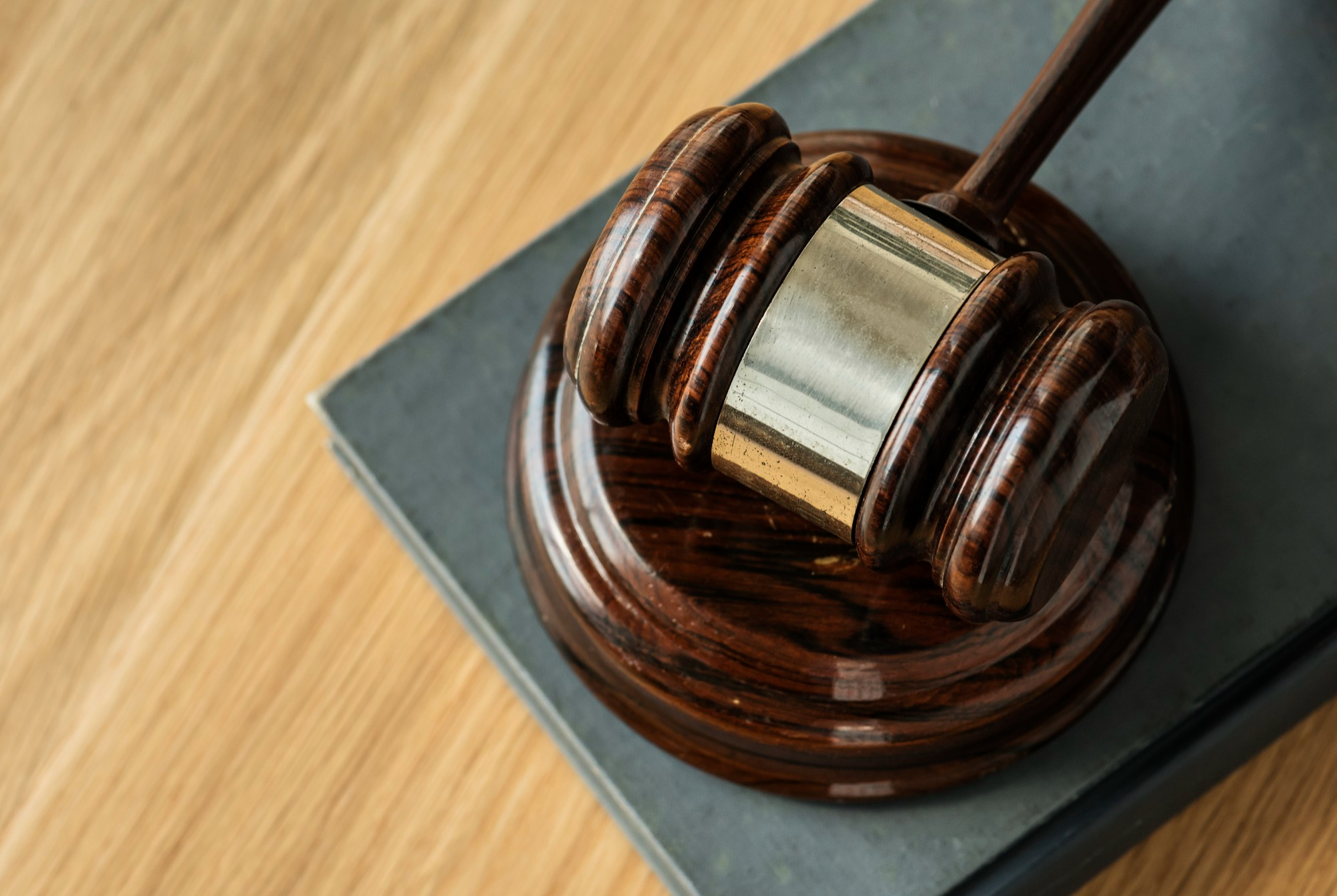
Judge Harrison called a recess. The gavel came down cleanly. Not dramatically. Just finally.
People stood slowly, the way people stand when movement still feels like it requires permission.
Sterling bent close to my father and spoke in a low, fast voice. My father did not answer. He kept looking at the documents on the bench, and his expression had settled into something I had not seen on his face before, not anger, not calculation, but the particular look of a person who has just discovered that a room they thought belonged to them has had a different name on the deed the entire time.
In the hallway during the recess, my aunt found me near the vending machines. She had been sitting in the row behind my father all morning. Her voice when she spoke had gone soft in the specific way family voices go soft when the people using them have just realized they chose the wrong side too publicly.
“Emily,” she said.
I looked at the coffee I had bought from the machine downstairs, because seventeen years of shift habits are stronger than courtroom decorum.
“Did you know?” I asked.
“Know what?”
“That he was going to use photographs of me working.”
She looked past my shoulder at the wall.
That was answer enough.
The hearing resumed twenty-one minutes later. Nobody laughed when I walked back to the plaintiff’s table.
Judge Harrison placed the documents in front of him and spoke with the careful, measured tone of a man correcting a public error in a way that acknowledges the error without amplifying it.
He said the freeze request would not be granted on the basis presented. He said the record introduced significant concerns about the petitioner’s stated motivations. He said employment in the service industry was not, by itself or by implication, evidence of incompetence in financial matters. He said the analysis record would be reviewed in full by the court.
Then he looked at me directly.
“Ms. Whitaker, your grandfather’s stated confidence in your capacity will not be treated by this court as a clerical accident or a sentimental gesture.”
My father’s face went red in the gradual way of a person absorbing something rather than reacting to it.
Sterling was still.
I felt no dramatic surge. No music, no rush, nothing that resembled what victory looks like in the imagined version. Just the specific quiet of standing upright after bracing for a blow that did not arrive. The strange lightness of a body that prepared for impact and found instead that the ground held.
Afterward, in the courthouse hallway with people moving around us toward the exits, my father said my name.
“Emily.”
I stopped. I did not turn fully around.
“You embarrassed me,” he said.
I almost laughed. Not because it was funny. Because he genuinely believed the wound was his. Because standing in a hallway where he had just tried to have me removed from my own inheritance, the narrative his mind had assembled was that I had done something to him.
“No,” I said. “I answered you. Those are different things.”
He looked past me toward the courtroom doors, toward the family members who were standing in clusters doing the careful thing of being close enough to witness and far enough to deny involvement.
“Your grandfather would not have wanted this,” he said.
He said it with the specific weight of a person deploying the last tool available to them. A dead man’s name. A daughter’s potential guilt. A family audience. He needed me to absorb the sentence and reframe what had happened as my failure.
I reached into my tote and pulled out the blue apron I had folded in the employee restroom at 8:06 that morning. I smoothed it once along the hem.
His eyes dropped to it.
“My grandfather came to that coffee shop twice a week for two years,” I said. “He met me there on purpose. He sat in the back corner by the window and he asked me questions I had to think to answer. He knew exactly where I worked. He knew exactly what I knew.”
My father’s face changed then. Not with remorse. With something closer to the recognition that arrives when a person understands how much has been happening outside their awareness. How many rooms have existed all along that they never thought to look into because they were certain of what was inside.
I put the apron back in my tote.
“He chose me,” I said. “He did the work to know why.”
I walked out through the courthouse doors into afternoon light that seemed unreasonably bright after the cold of the courtroom. The street held the ordinary movement of a city going about its afternoon, people carrying folders, paper cups, lunch bags, the accumulated small evidence of lives in motion.
My phone buzzed before I reached the curb. My manager at the coffee shop.
You okay?
I looked back at the courthouse, at the flag near the entrance moving gently in the wind, at the windows reflecting a sky that had cleared without anyone arranging it.
Then I typed back.
Yes. Running a little late, but I’ll be there.
I meant it completely.
Because the job had never been the shame. The job had been where my grandfather found me, twice a week for two years, at a back corner table with a legal pad and two paper cups and a clicking pen. The job had been where he asked his questions and waited through my silences and corrected me and asked again. The job had been the place where he decided something, over coffee and quarterly reports and a ten-minute break on a milk crate in a hallway, and then put what he decided into a sealed document to wait for the moment his confidence would be challenged.
They had laughed when they heard waitress.
They went silent when they saw the file.
But my grandfather had understood, long before that morning, long before the cold courtroom and the photographs and my father’s folded hands and the small deliberate laughter of a woman in pearls, what it would take everyone else a formal proceeding to learn.
The same hands that carry coffee can carry proof.
And sometimes that is the thing that makes the whole room stop.

Lila Hart is a dedicated Digital Archivist and Research Specialist with a keen eye for preserving and curating meaningful content. At TheArchivists, she specializes in organizing and managing digital archives, ensuring that valuable stories and historical moments are accessible for generations to come.
Lila earned her degree in History and Archival Studies from the University of Edinburgh, where she cultivated her passion for documenting the past and preserving cultural heritage. Her expertise lies in combining traditional archival techniques with modern digital tools, allowing her to create comprehensive and engaging collections that resonate with audiences worldwide.
At TheArchivists, Lila is known for her meticulous attention to detail and her ability to uncover hidden gems within extensive archives. Her work is praised for its depth, authenticity, and contribution to the preservation of knowledge in the digital age.
Driven by a commitment to preserving stories that matter, Lila is passionate about exploring the intersection of history and technology. Her goal is to ensure that every piece of content she handles reflects the richness of human experiences and remains a source of inspiration for years to come.