My phone buzzed against the stainless steel counter of the nurses’ station at exactly 7:14 in the evening.
I glanced down expecting a lab result or a schedule change. Instead, I saw an email notification from my father, Brian. The subject line read simply: Update regarding summer reunion.
I wiped my hands with sanitizer, the sharp alcohol smell filling my nose, and opened the message.
It was brief. Brutally brief.
Morgan, due to limited capacity at the main house this year, we unfortunately cannot accommodate you for the reunion weekend. Please make other arrangements if you plan to be in the area.
I stared at the screen while the hum of the hospital faded into white noise.
I wasn’t just uninvited. I was being dismissed like a vendor whose contract had expired.
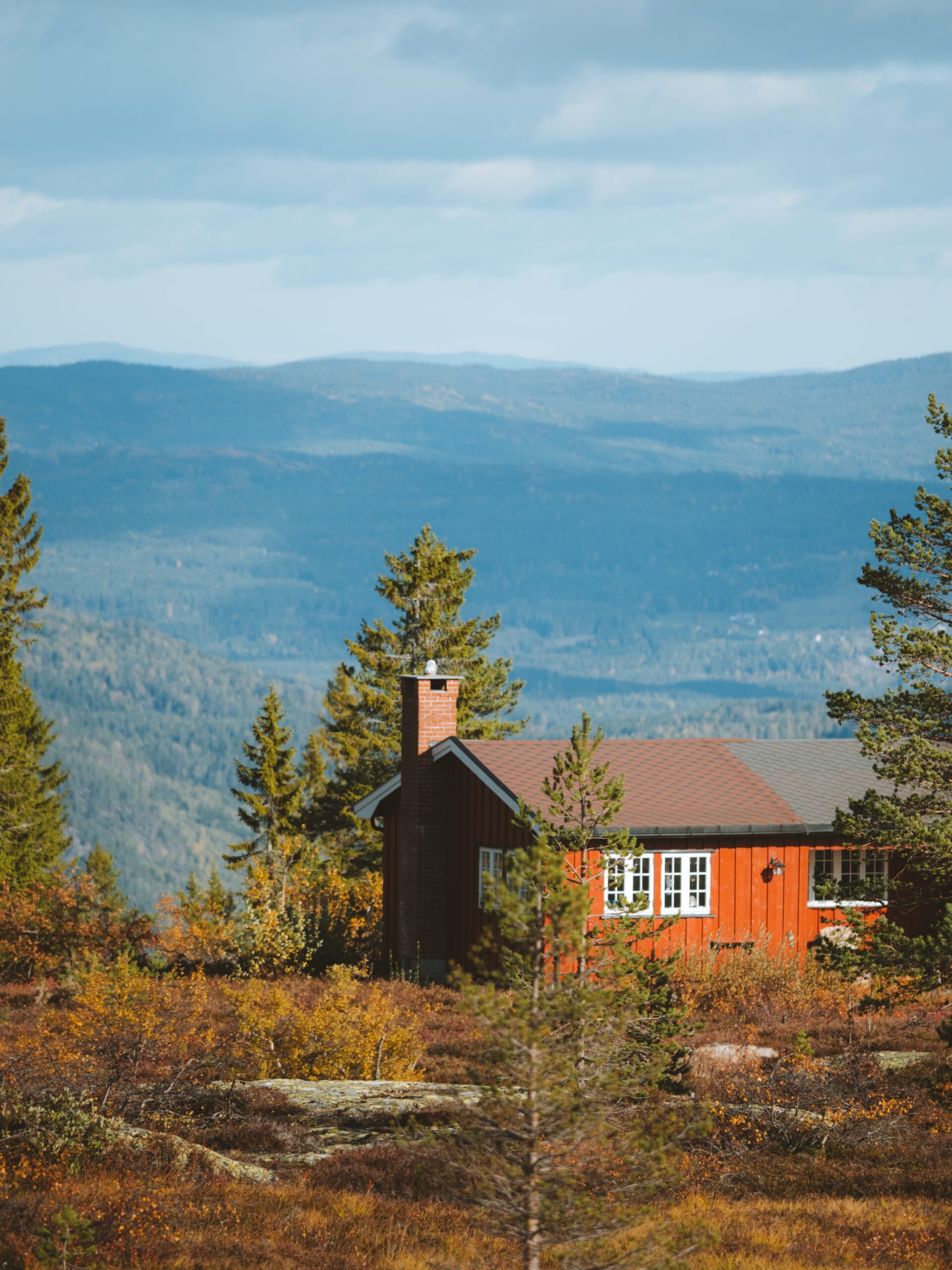
The irony was sharp enough to cut, because I wasn’t merely a guest at that estate. I was the reason it still had a roof.
But standing there under the fluorescent lights, I didn’t feel sadness. I felt a cold, clinical clarity wash over me, the same thing I feel during a Code Blue. The emotion shuts off and the training takes over.
I didn’t throw my phone. I didn’t cry in the breakroom bathroom. I didn’t type a furious response demanding an explanation. In my line of work, panic is a liability. When a patient is hemorrhaging, you don’t stand around asking why they’re bleeding. You stop the flow. You apply the tourniquet. You amputate if you have to.
I sat down on the vinyl stool, the material squeaking in the quiet room, and unlocked my phone again. I didn’t open my email. I opened my banking app.
My thumb hovered over the scheduled transfers tab. There it was, pending for the first of the month, just as it had been every month for the last five years. Thirty-five hundred dollars, labeled simply: main mortgage.
Thirty-five hundred a month. Forty-two thousand a year. Over five years, I had poured two hundred and ten thousand dollars into a property my name was legally attached to and my presence was apparently forbidden from.
I looked at the number on the screen, and it didn’t look like money anymore. It looked like a tumor.
For years, I had told myself this was duty. My father had framed it as an investment in our legacy. He’d needed a co-signer for the renovation loan, a hundred and eighty thousand dollars to redo the roof, the deck, and the wiring of the old family estate on the Maine coast, and he couldn’t get approved on his own credit, not after his third failed business venture. So I stepped in. The capable daughter. The one with the steady income and the pristine credit score. I signed the papers. I set up the autopay.
And staring at that blue screen, I finally understood the delusion I’d been operating under. Economists call it the sunk cost fallacy: you keep pouring resources into something not because it’s working, but because of how much you’ve already poured in. I kept paying not because they treated me well, but because I had already paid so much. I thought I was buying equity in my family’s affection. I thought I was purchasing a permanent seat at the table.
But love isn’t a subscription service. You shouldn’t have to pay a monthly premium just to be tolerated.
I tapped the transfer. A menu appeared. Edit. Skip. Cancel series.
I selected cancel series.
The app asked for confirmation. Are you sure you want to cancel this recurring payment?
I didn’t hesitate. My pulse didn’t even quicken. The line item vanished from the screen, and just like that, the digital tether that had bound me to their approval for half a decade was severed. A clean cut. Surgical.
I slid the phone back into my scrub pocket and took a deep breath of antiseptic and stale coffee. I felt lighter. The anger hadn’t arrived yet. It would, I knew. But in that moment, all I felt was the cool, quiet satisfaction of a problem solved.
They wanted me gone. Fine.
They’d just forgotten that when you cut off the source, the lights go out.
I walked back onto the floor. I had patients to tend to, lives to save. And for the first time in my life, I wasn’t going to waste a single heartbeat trying to save people who were drowning me to stay afloat.
The reunion weekend arrived like a cold front. I didn’t go anywhere. I stayed in my apartment twenty-two floors above the city, surrounded by glass and chrome and silence, a fortress of my own making, paid for with money I earned saving lives.
I made tea, wrapped my palms around the warm ceramic, and did the one thing I knew better than to do.
I opened Instagram.
I told myself it was reconnaissance. Intelligence gathering. Really, it was the human urge to press on a bruise to see if it still hurts.
It did.
The first post was a video story from my brother Jared. He was standing on the expansive deck overlooking the Atlantic, the deck that had cost forty-five thousand dollars to reinforce three years ago, money I had wired directly to the contractor because my father’s card was declined.
“Family time is the best time!” Jared shouted over the wind, holding a beer.
He panned the camera. There was my mother, Susan, head thrown back laughing, a glass of Chardonnay in her hand. There was my father at the grill, looking like the lord of the manor. There were cousins I hadn’t seen in years, aunts and uncles who probably assumed I was simply too busy working to come.
It wasn’t a party. It was a production.
But what struck me wasn’t their happiness. It was the complete, seamless nature of my absence. There was no gap where I should have been. No empty chair. No paused conversation. It was as if I had never existed at all.
They weren’t missing me. They were thriving on what I provided, and my physical presence was the only cost they weren’t willing to pay.
I zoomed in on a photo my mother had posted. The caption read: Blessed to have this legacy for our children.
Our children. Plural. Only one child was there.
The anger arrived then, and it wasn’t hot or explosive. It was cold. It started in my chest and spread out to my fingertips, and instead of making my hands shake, it steadied them.
They were drinking wine on a deck I paid for. Sleeping under a roof I insured. Celebrating a legacy currently being subsidized by my twelve-hour shifts in a trauma unit. I wasn’t a family member to them. I was infrastructure. The plumbing, the wiring, the foundation. Essential, and meant to stay hidden behind the drywall.
I closed the app and set the phone on the granite countertop, and the silence in my apartment felt different now. Not lonely. Pregnant with potential.
They thought they had erased me. They thought they could ghost me out of my own life.
But ghosts have a way of haunting the places they’re denied rest. And I was about to become the most dangerous kind of ghost there is.
The kind who holds the deed.
Monday morning didn’t break with sunlight. It broke with a digital tremor.
My phone started vibrating on the nightstand at 6:30 a.m. I was already awake, drinking coffee, watching the city stir below. I let it ring. Brian. It rang again. And again. On the fourth call, I answered without saying hello.
“Morgan, what the hell is going on with the bank?” My father didn’t waste time on pleasantries. His voice was tight and high, pitched with the specific panic of a man who lives beyond his means. “The mortgage transfer bounced. Insufficient authorization. You need to call your bank immediately and fix this glitch.”
“It wasn’t a glitch,” I said, calm and level against his fraying edge. “I canceled the transfer.”
Silence. Three full seconds of dead air.
“You what?”
“I canceled the transfer. I’m not paying the mortgage anymore.”
“Are you insane?” His voice climbed to a shout. “Do you have any idea what you’ve done? We have vendors to pay from the party. The caterer, the tent rental. Those checks clear today. If that mortgage money isn’t in the account to cover the spread, we’re going to overdraw.”
The admission was breathtaking. He wasn’t just using my money for the house. He was commingling funds, using my mortgage payment to float his cash flow for a party I had been explicitly disinvited from.
“That sounds like a problem,” I said. “But not my problem.”
“Morgan, stop being petty,” he snapped. “I know you’re upset about the invite. It was a logistical error, okay? Susan felt terrible. But we simply didn’t have the bedrooms. We had investors coming, people crucial to Jared’s new venture. Sometimes you take one for the team.”
“Take one for the team,” I repeated. “Dad, I’ve been funding the team for five years. I bought the uniforms. I built the stadium. And you benched me.”
“Don’t be dramatic. Transfer the money now and we can discuss this later. If you don’t, you’re cutting off your nose to spite your face. You think you can just walk away? You need us.”
“I need you?” A laugh bubbled up, dark and humorless. “Dad, look around. Look at the deck. Look at the roof. Look at the wine in your refrigerator. I don’t need you. You are currently standing inside my charity.”
“You ungrateful little—”
“I’m hanging up now,” I said. “Good luck with the vendors.”
I ended the call. My hand trembled slightly, not from fear but from the adrenaline of finally saying it out loud. He thought he held the cards because he was the patriarch. He hadn’t noticed the game change. He wasn’t a player anymore.
He was a liability. And liabilities get liquidated.
I didn’t wait for the callback. I dialed a number saved in my phone under “emergency professional.” David, a forensic accountant I’d worked with two years earlier when a hospital administrator tried to embezzle from the nursing pension fund. Expensive, discreet, and terrifyingly good at finding money trails people want hidden.
“Morgan,” he answered on the second ring. “You don’t call to chat. What’s wrong?”
“I need you to look into a property. An estate in Maine. I co-signed a renovation loan five years ago. I need the current financial status, and I need you to look for any irregular income associated with that address.”
“Irregular income?” His tone sharpened. “You think they’re laundering?”
“I think they’re spending money they don’t have. And I want to know where it’s coming from.”
“Give me two hours.”
It took him ninety minutes. When my phone rang, I was pacing the living room.
“You were right to call,” David said. “I found something interesting. Actually, I found something criminal.”
“Tell me.”
“The property isn’t just a private residence, Morgan. It’s listed on a luxury rental platform as ‘The Cliffside Estate.’ The listing’s been active for eighteen months. High-end vacation rental, ten thousand a week in peak season, booked solid June through September.” He paused. “But here’s the kicker. The listing isn’t under your father’s name. It’s under an LLC registered in Delaware. Jared Ventures LLC.”
My brother. My unemployed, perpetually finding-himself brother was running a six-figure hospitality business out of the house I was paying for.
“How much?” I asked, barely above a whisper.
“Based on the booking calendar and average rates, conservatively, they’ve pulled in over a hundred and fifty thousand in the last year alone. And per the records I pulled, none of that income was declared, and not a dollar of it went toward the principal on the loan you co-signed.”
The room tilted. This wasn’t ingratitude. This wasn’t neglect. This was theft. They were monetizing my investment, pocketing the profit, and leaving me holding the debt. Living like royalty in a castle built on my credit score.
“Send me everything,” I said. “Every screenshot. Every booking record. The LLC registration. All of it.”
“Morgan.” David’s voice dropped a register. “If you use this, it’s fraud. You could put your brother in jail.”
I looked out at the skyline, steel and glass reflecting the cold sun, and thought about the email. We cannot accommodate you.
“He put himself there,” I said. “I’m just turning on the lights.”
I hung up. The sadness was gone. The hurt was gone. What remained was the cold, hard certainty of a diagnosis. The infection was deep. It was systemic.
And it was time to cut it out.
I drove north. The city dissolved into suburbs, suburbs into highway, highway into the rugged pine-lined roads of coastal Maine. Four hours of silence. No radio, no podcasts. Just the hum of the engine and the rehearsal of what I was about to do.
I reached the estate as the sun began to dip, throwing long bruised shadows across the driveway. Three cars sat on the gravel. My father’s SUV. My mother’s sedan. Jared’s convertible, the one I knew for a fact he couldn’t afford.
I didn’t park in the guest spot. I parked directly in front of the garage, blocking all three of them in.
I walked up the stone path I had paid to have relaid two summers ago, to the heavy oak front door, and pulled out my key. I wondered, briefly, if they’d changed the locks.
They hadn’t. Arrogance is often lazy.
The lock clicked. The door swung open. The house smelled of stale wine and expensive candles.
They were all in the great room, draped across the custom leather sectional. Jared laughing at his phone. My mother flipping through a magazine. My father pouring a drink at the wet bar.
They froze. The silence that fell wasn’t awkward. It was heavy, like a dropped curtain.
“Morgan.” My mother stood, clutching the magazine like a shield. “What are you doing here?”
“I have a key,” I said flatly. “It’s my house.”
“It’s not your house,” Jared sneered, not bothering to stand. “You just co-signed. That doesn’t make you the owner. And you weren’t invited.”
“Actually,” I said, crossing to the coffee table and dropping a thick manila folder onto the glass. The sound was a gavel strike. “It makes me the primary financial guarantor. And since the mortgage payment bounced yesterday because I canceled it, and since you’ve defaulted on the terms of the loan by operating an unregistered commercial enterprise on residential property, I am exercising my right to secure the asset.”
My father slammed his glass down. “Commercial enterprise? What are you talking about?”
I opened the folder. The first page was a full-color printout of the listing. The Cliffside Estate, hosted by Jared Ventures LLC.
“A hundred and fifty thousand dollars in revenue last year,” I said, looking directly at my brother. His face went white. “Not a dime of it toward the mortgage. Not a dime of it declared to me.”
“That’s just a side thing,” Jared stammered. “Helping out with expenses.”
“You didn’t help with expenses,” I corrected. “You profited from my liability. That’s fraud, Jared. And Dad, you let him do it.”
“This is a family home,” my father shouted, his face going a dangerous shade of red. “You’re trying to steal it out from under us.”
“I’m not stealing it,” I said. “I’m repossessing it.”
The air in the room changed. Annoyance curdled into something closer to terror, because they finally understood I hadn’t driven four hours to argue. I wasn’t there to beg for an apology or negotiate a seat at next year’s table.
I was there to foreclose on their entitlement.
“You have until sunset,” I said. “Pack what you can carry.”
My mother broke the silence first. She didn’t scream. She dissolved, and it was a tactical dissolution, the maneuver she’d perfected over decades. Welling eyes, trembling hands, voice dropping to a wounded whisper.
“Morgan, please. You can’t do this. We’re your family. The house is full of food. Where are we supposed to go?”
“I don’t know,” I said. “Maybe rent an Airbnb. I hear Jared knows the market.”
“This is cruel,” my father spat, stepping between us. “You’re doing this out of spite, because you weren’t invited to a barbecue. You’re evicting your own parents over a bruised ego.”
“I’m evicting you over fraud. The bruised ego was just the reason I finally looked at the books.”
“I won’t leave,” Jared said, crossing his arms, going for defiance and landing on a child caught with his hand in the register. “I have tenants coming next week. A corporate retreat. They paid six thousand upfront. I can’t just cancel.”
“You already canceled,” I said. “I contacted the platform an hour ago with the deed and the police report number I filed regarding the utility accounts opened in connection with my name. The listing has been suspended. The deposit is being refunded out of your account.”
Jared’s phone buzzed in his pocket. He pulled it out, stared at the screen, and the defiance drained out of him like water through a cracked glass.
“You reported me to the police,” he whispered.
“Not yet,” I said. “I filed a report to establish ownership. The fraud charges are pending.”
Then I set my phone on the coffee table, dialed, and hit speaker. It rang once.
“This is Catherine.”
My lawyer’s voice filled the room, crisp and professional.
“Catherine, I’m with the occupants,” I said. “They’re refusing to vacate.”
“Certainly,” Catherine said, as though reading a weather report. “If the occupants do not vacate the premises voluntarily within the hour, we will proceed with filing criminal charges against Jared Ventures LLC for wire fraud, bank fraud, and grand larceny. Given the amounts involved, in excess of a hundred and fifty thousand dollars, the exposure includes substantial federal prison time. We will also be naming Brian and Susan as accessories, as they knowingly facilitated the enterprise on a property they did not own.”
The room went dead silent. The only sounds were the refrigerator’s hum and the wind battering the big ocean-facing windows.
“Prison?” my mother gasped. She looked at Jared. Then, “Brian,” she pleaded.
My father looked at me. He was searching my face for the daughter who used to chase his approval, the girl who’d do anything for a nod and a pat on the head.
He didn’t find her. He found a landlord.
“Pack the car,” he said, his voice hollow.
“Dad—” Jared protested.
“Pack the car!” Brian roared, the veins standing out in his neck. “Do you want to go to jail? Because she’ll do it. Look at her face. She’ll do it.”
It took them forty minutes. I stood by the door and watched. I didn’t help. I didn’t hinder. I witnessed. They threw clothes into garbage bags. They grabbed the expensive wine. They took the leftover catering trays. It was a chaotic, humiliating retreat from a kingdom they had never actually owned.
When the last bag was in the SUV, my father turned to me on the porch. The wind whipped his hair and made him look smaller. Older.
“You’ve destroyed this family,” he said.
“No,” I replied, swinging the heavy oak door closed between us. “I just stopped subsidizing it.”
I turned the deadbolt. The click echoed through the empty house, and it was the loudest sound I have ever heard.
It sounded exactly like freedom.
The silence after they left was absolute. The house, usually filled with the ambient noise of their entitlement, was just wood and stone and the sea outside.
I walked the empty rooms. Scuff marks on the floors where they’d dragged furniture. Empty bottles in the recycling. The ghost of the family I had spent five years and two hundred ten thousand dollars trying to buy.
I spent the next three days cleaning. I scrubbed the floors until my knees ached. I washed the salt spray off every window. I stripped the beds and donated the linens. A doctor would have recognized what I was doing. I was debriding the wound. Sanitizing it. Preparing the patient for recovery.
I didn’t sell the house. That would have been the easy financial decision, the logical end to a bad investment, and Catherine gently suggested it more than once. But I wasn’t interested in logic anymore.
I was interested in healing.
I called her on Friday morning. “I want to restructure the ownership. I’m not selling. I’m donating the use of the property.”
“Donating? To whom?”
“To the healers who are drowning,” I said. “I want to turn it into a respite center. A retreat for crisis nurses, trauma surgeons, first responders. People who spend their lives saving everyone else and have nowhere to go when they’re the ones who need saving. A week of silence. A week of ocean. A week where nobody asks them for anything.”
“That’s generous,” Catherine said, her voice softening for the first time in our professional relationship. “And the operating costs?”
“I’ll cover them,” I said. “It costs less than supporting a family that hates me.”
I renamed the estate. It isn’t The Cliffside Estate anymore. There’s a small carved sign at the head of the driveway now, where my father’s name used to be on the mailbox.
The Haven.
Six months later, the first guest arrived. An ER nurse from Chicago who had worked through the worst years of her unit’s history and hadn’t slept a full night in two. I met her at the door, not as a landlord but as a colleague. I handed her the key. I told her the fridge was full. I told her the ocean was hers.
When she cried, standing in the entryway with her duffel bag still on her shoulder, I didn’t offer platitudes. I just stood with her and let her cry, because I know better than most that sometimes the only way to heal is to finally be allowed to fall apart in a place where falling apart is safe.
My family tried to reach out when the story hit the local paper. The nurse who donated her million-dollar view. They saw the article. They saw the praise. They probably saw a way back in.
I didn’t answer the calls. I didn’t read the letters.
Because here is what five years of payments and one cruel email finally taught me. I spent half a decade believing that if I just gave enough, carried enough, paid enough, they would eventually look at me and see a daughter instead of a resource. But people who see you as infrastructure do not suddenly see you as family when you upgrade the wiring. They just bill you for more.
The deck still overlooks the Atlantic. The roof I financed still keeps out the rain. But now the rooms fill with exhausted healers instead of entitled relatives, and the only thing anyone is asked to bring is themselves.
I built a sanctuary out of the ruins of my inheritance.
And the first rule of a sanctuary is simple. You don’t let the wolves back in.

Specialty: Legal & Financial Drama
Michael Carter covers stories where money, power, and personal history collide. His writing often explores courtroom battles, business conflicts, and the subtle strategies people use when pushed into a corner. He focuses on grounded, realistic storytelling with attention to detail and believable motivations.