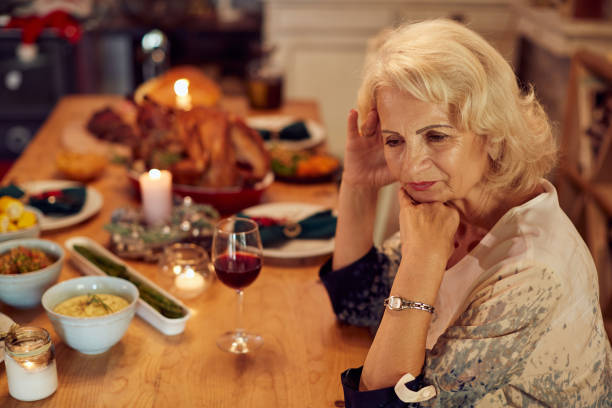
At sixty-two, I believed my husband could humiliate me as much as he wanted because the price of leaving him was my health.
That was the sentence I lived inside for a year. Not marriage. Not partnership. Not even betrayal. Just a hard, practical calculation: if I filed for divorce, I lost the insurance plan that paid for the biologic infusions and prescriptions keeping my autoimmune disease under control. Without those medications, my joints inflamed so badly I could barely hold a coffee mug. My lungs could get involved. My kidneys could get involved. I knew exactly how expensive staying alive was because I read every explanation of benefits that came through the mail.
So when my husband of forty years, David, told me he had been seeing another woman for eight months and had no intention of ending it, I did what still shames me to remember. I begged.
We had been eating pot roast at our kitchen table when he said it, almost lazily, as if he were updating me about a schedule change at work. He wanted honesty, he said. He did not want secrets. He liked our home, he liked our holiday traditions, and he did not want the hassle of divorce. But he was also in love with someone else. Her name was Paige, she made him feel understood, and he was not going to stop seeing her.
I had spent most of my adult life making David’s life run smoothly. I met him at twenty-one, married him at twenty-two, left a promising administrative job at twenty-four after our first child was born, and never fully went back to a career because there was always another baby, another school pickup, another move for his job, another reason the family needed me more than I needed myself. That kind of sacrifice looks noble when you are young and everyone tells you marriage is teamwork. It looks very different when you are older and discover the scoreboard was never kept in your name.
I remember sliding off my chair and onto the kitchen floor. I remember hearing myself say, please do not destroy everything we built. Tell me what you need to stay. He sat there watching me in silence, then answered with the sentence that changed my life: I cannot stop seeing her.
I should have stood up then. I should have told him to get out. I should have called a lawyer the next morning. But fear is not elegant when it arrives. It does not look like strength. It looks like a woman doing humiliating math on the kitchen floor.
So I made a bargain that felt temporary when I said it and became a prison the moment he accepted it. I told him he could keep seeing her as long as he did not leave me. He nodded once, almost relieved, and the rules of my marriage changed before my eyes.
After that, his disrespect became casual. That was the worst part. Grand cruelty at least feels dramatic enough to name. Casual cruelty settles into the wallpaper. He would zip a weekend duffel bag in our bedroom every Thursday and say, back Sunday night, as if he were going on harmless business travel. Sometimes he came home the next morning, showered in our bathroom, ate the eggs I scrambled, changed into one of the shirts I had washed, and went to work. He stopped treating his affair like a secret and started treating it like one more household routine.
He talked about Paige in front of me. He told me she listened better. He said they never argued. One morning his phone buzzed on the bathroom counter while he was in the shower. A video call lit up the screen, and there she was, smiling from whatever warm, private space she occupied in the version of his life that had no bills piled on the counter and no wife swallowing humiliation in the next room. When he stepped out, I told him his phone was ringing. He answered it right there, dripping water onto the bathmat, laughing while he told her he would be there within the hour.
By autumn he began splitting weekends openly. One Saturday he was at our kitchen table asking whether I wanted pancakes. The next Saturday he was apparently buying throw pillows and produce with her in another part of town, playing husband in a parallel life. My sister Naomi saw them once in a big-box store, holding hands near the seasonal aisle. She called me crying so hard I could barely understand her. When I confronted him, he shrugged and said, you accepted this. I never said I would hide it.
Then came Thanksgiving. Our three grown children were there with their spouses and grandchildren. David carved the turkey, poured wine, smiled for photos, and told my grandson a ridiculous joke about pilgrims and football. At eight o’clock, he dabbed his mouth with a napkin, put on his coat, and announced that Paige was waiting. He left while I stood at the sink with my hands in greasy dishwater and the roasting pan in front of me. Nobody said anything. My children looked stunned, then embarrassed, then careful. Everyone performed normal because the alternative was to name the horror out loud.
That night I lay awake and finally admitted the truth to myself. I was not staying because I still believed in the marriage. I was staying because David worked for a large corporate firm with excellent health benefits, and my medications would cost more than I could manage alone. I had no pension of my own. I had almost no retirement savings. The house still had a mortgage. I had spent decades contributing unpaid labor to a life that was legally shared but economically tilted entirely in one direction. That is a very particular trap for a woman my age. People call it choice because they do not want to call it what it actually is.
A month later David invited me to a company dinner because, as he put it, it would look better if my wife came. I wore a navy dress and pearl earrings and smiled until my face hurt. The ballroom was decorated with winter greenery and small white lights. I shook hands with people who praised David’s leadership and asked how long we had been married. Forty years, I said, every time, and I felt like a fraud on my own behalf.
Toward the end of the evening I slipped into the restroom and stood at the sink trying not to cry. A woman I vaguely recognized from David’s office came in beside me. Her name was Linda, the wife of one of his colleagues. She glanced at me in the mirror and said, very quietly, you do not have to answer, but are you all right?
Something in me cracked. Not dramatically. Not with sobbing. Just enough for honesty to slip through. I said, my husband has another life, and I cannot afford to leave him because I need his insurance.
Linda went very still. Then she reached into her purse, took out a business card, and placed it on the counter between us. My sister thought the same thing, she said. Talk to this attorney before you decide you are trapped forever. Men like that count on women not asking the next question.
I kept that card in my coat pocket for three days before I called.
The attorney’s name was Ellen Duarte. She was in her late fifties, silver-haired, brisk, and almost offensively calm. I cried through the first ten minutes of our consultation because saying the facts out loud made them sound more degrading than they had sounded inside my own head. Ellen did not flinch. When I finally stopped, she folded her hands and said, first, your husband cannot simply terrify you with assumptions and call them facts. Second, we need numbers, not fear.
She brought in a benefits specialist who walked me through the landscape I had never dared to explore. If I filed, David could be required by temporary court order to maintain my existing coverage while the case was pending. If the divorce became final, federal COBRA continuation could extend the same employer plan for up to thirty-six months, and in a negotiated settlement David could be required to pay those premiums. Given my age, my health, the length of the marriage, and the years I had spent out of the workforce raising our children and supporting his career, I also had a strong claim for spousal support and a substantial share of his retirement assets.
I stared at them. So I do not have to choose between medicine and dignity?
Ellen’s expression softened. You may still have to fight for both, she said. But no, he does not get to hold your health over your head and call that consent.
It felt as if a wall I had mistaken for the horizon had suddenly revealed a door.
Then Ellen gave me instructions. Say little. Gather everything. Bank statements, tax returns, credit card records, retirement account balances, mortgage papers, insurance information, and any proof that marital money had been spent on the affair. She was especially interested in the expensive gifts, hotel charges, dinners, and travel. People who behave shamelessly, she said, usually document themselves beautifully.
She was right. Once I knew what I was looking for, the evidence was everywhere. I found receipts for jewelry and a designer handbag on the card we had always used for family expenses. I found hotel charges disguised as conference fees. I found restaurant bills from weekends he had claimed to be golfing with old friends. I found electronic transfers from our joint account made the same week he told me we needed to cut back because of my medical expenses. By the time I finished, Ellen’s office had a thick folder documenting more than eighty thousand dollars of marital spending on his relationship with Paige.
The next hard thing was telling our children.
I invited them over on a Sunday afternoon when David was at Paige’s. I made coffee I barely touched and sat at the dining room table where their father had first confessed everything. Amy, our oldest, kept saying, mom, why did you not tell us? My youngest, Ben, looked physically ill. Our middle child Lauren took my hand and said quietly, because she thought she had no choice. She understood before the others did.
They were angry, but not at me. That was a mercy I had not let myself hope for. Amy said I could stay with her if I needed somewhere to go. Ben offered to help scan every document in the house. Lauren, who worked in hospital administration, understood immediately how frightened I had been and how rational that fear had seemed. For the first time in a year, I did not feel alone inside my own life.
We filed six weeks later.
David came home on a Thursday afternoon with his weekend duffel already packed. I was sitting in the bedroom chair by the window. There was an envelope on the bedspread with his name on it. He picked it up, opened it, and laughed at first, the way he might laugh at a joke that missed its landing. Then he reached the motion for temporary orders and the laughter disappeared.
You cannot do this, he said. You need my insurance.
I stood up slowly. My knees were shaking but my voice was steady. No, David. I needed information. There is a difference.
He turned red so quickly it frightened me. He called me ungrateful. He called me manipulative. He said I had betrayed everything. That was the moment I understood something essential about men like my husband: they can justify almost anything they do to you, but they cannot tolerate the idea that you might use the law, the truth, or your own intelligence to defend yourself. The rules were meant to apply only in one direction.
Ellen asked the court for temporary support, exclusive use of the marital home, an order prohibiting asset transfers, payment of attorney fees, and maintenance of my insurance while the case was pending. The judge granted more than David had expected. He was required to maintain the household expenses and the existing health coverage. He was ordered not to dissipate marital assets further. Paige, who had apparently found the arrangement more romantic when it came with no financial accountability, grew less enchanted once lawyers and spreadsheets entered the picture.
David’s strategy at mediation was to argue that I had consented to an unconventional arrangement and was only changing course because I was jealous. Ellen dismantled that argument methodically. She presented my medical records and employment history. She presented the financial dependency that had accumulated over forty years. She presented messages in which I had begged him not to leave me because I was terrified of losing coverage. She presented the spending records. Consent obtained through economic coercion, she said in one conference, is not the same thing as freedom. Even David’s attorney looked down at the table.
Mediation lasted all day. David arrived angry and left smaller. Affairs thrive in the fog of fantasy. They look very different under fluorescent lights beside a calculator and a forensic accounting summary. By the end of the negotiations, he had agreed to terms he once would have mocked me for requesting. I received sixty percent of the net proceeds from the sale of the house because of his documented misuse of marital funds. I received half of his retirement accounts accumulated during the marriage. I received monthly spousal support. He paid my COBRA premiums after the divorce so I could stay on the same health plan until I reached Medicare eligibility. He also paid a substantial portion of my attorney fees.
What surprised me was not that I won more than he wanted to give. It was how ordinary the process looked once I stopped treating him as all-powerful. He was not a king. He was a man with a payroll login, a retirement account, and an inflated sense of what he could get away with. The system that had frightened me was imperfect and slow and expensive, but it was not the absolute wall I had imagined. It had doors in it. I had simply never known to look.
The divorce was final eleven months after I first called Ellen.
By then I had sold the family house and moved into a quiet two-bedroom condo near Amy. It was smaller, easier to manage, and entirely peaceful. On the first Saturday morning there, I woke up at six expecting to hear David in the shower before one of his weekends away. Instead there was nothing but the refrigerator humming and a mourning dove outside the balcony door. I made eggs for one person and ate them standing in the kitchen in the morning light. I cried halfway through, but not from grief. From relief. The specific relief of a woman who has stopped holding her breath.
A few months later I learned Paige had left him. The thrill of having a man divide his life between two women was apparently less appealing once one of those women was no longer subsidizing the arrangement with silence and scrambled eggs. David sent me a long email claiming he had made mistakes, claiming he had been confused, claiming he had never intended to hurt me so badly. I read it once and deleted it. There are apologies that are invitations back into the same old trap. I had become wise enough by then to recognize one.
Three years passed faster than the year I spent feeling trapped.
My health stabilized because I stayed on my treatment plan without interruption. I joined a patient support group. I began doing part-time remote bookkeeping work, not because I had to prove anything to anyone, but because I wanted money with only my name attached to it. My grandchildren learned that my new place always had colored pencils in the kitchen drawer and cinnamon crackers in the pantry. My children stopped looking at me with pity and started looking at me the way adult children look at a parent when they finally understand what she survived.
The morning my Medicare card arrived in the mail, I sat at the small oak table in my condo and held it in both hands for a long time. It was an ordinary piece of card stock, not a miracle. But it marked the end of the fear that had once kept me kneeling on a kitchen floor, bargaining with a man who had already decided my dignity was negotiable. I was no longer one insurance renewal away from losing the ability to treat my own body. I had crossed to the other side of that particular terror and I was still standing.
That evening Naomi came over with takeout and a grocery-store cake decorated with uneven blue flowers. We ate on the balcony while the sun went down over the rooftops and talked the way sisters talk when something long and difficult has finally ended. At one point she raised her plastic cup and said, to the woman who thought she was trapped.
I laughed and clinked mine against hers. To the woman who learned she was not.
When she left, I locked my own door, washed my own plate, and stood for a moment in the soft quiet of my living room. No duffel bag by the bed. No Thursday dread. No waiting for footsteps that belonged to a man who had decided my need to live was leverage he could hold over me indefinitely.
I once believed that survival meant accepting whatever scraps of dignity remained after a husband was done taking what he wanted. I know better now. Survival is not staying where you are humiliated because fear tells you there is no door out. Survival is learning the actual facts, gathering your proof, asking for help from someone who knows more than you do, and walking through the door you could not see before someone put a business card in your hand and said you are not as trapped as he wants you to believe.
The last sound I heard that night was not a key in the lock. It was my own laughter, low and surprised, moving through a home where nobody was leaving me behind anymore.
That is how the story ended. Not with revenge. Not with a new romance. Not with any dramatic reckoning. Just with peace, and a Medicare card, and eggs made for one in the morning light.
It turned out that was more than enough.

Specialty: Legal & Financial Drama
Michael Carter covers stories where money, power, and personal history collide. His writing often explores courtroom battles, business conflicts, and the subtle strategies people use when pushed into a corner. He focuses on grounded, realistic storytelling with attention to detail and believable motivations.