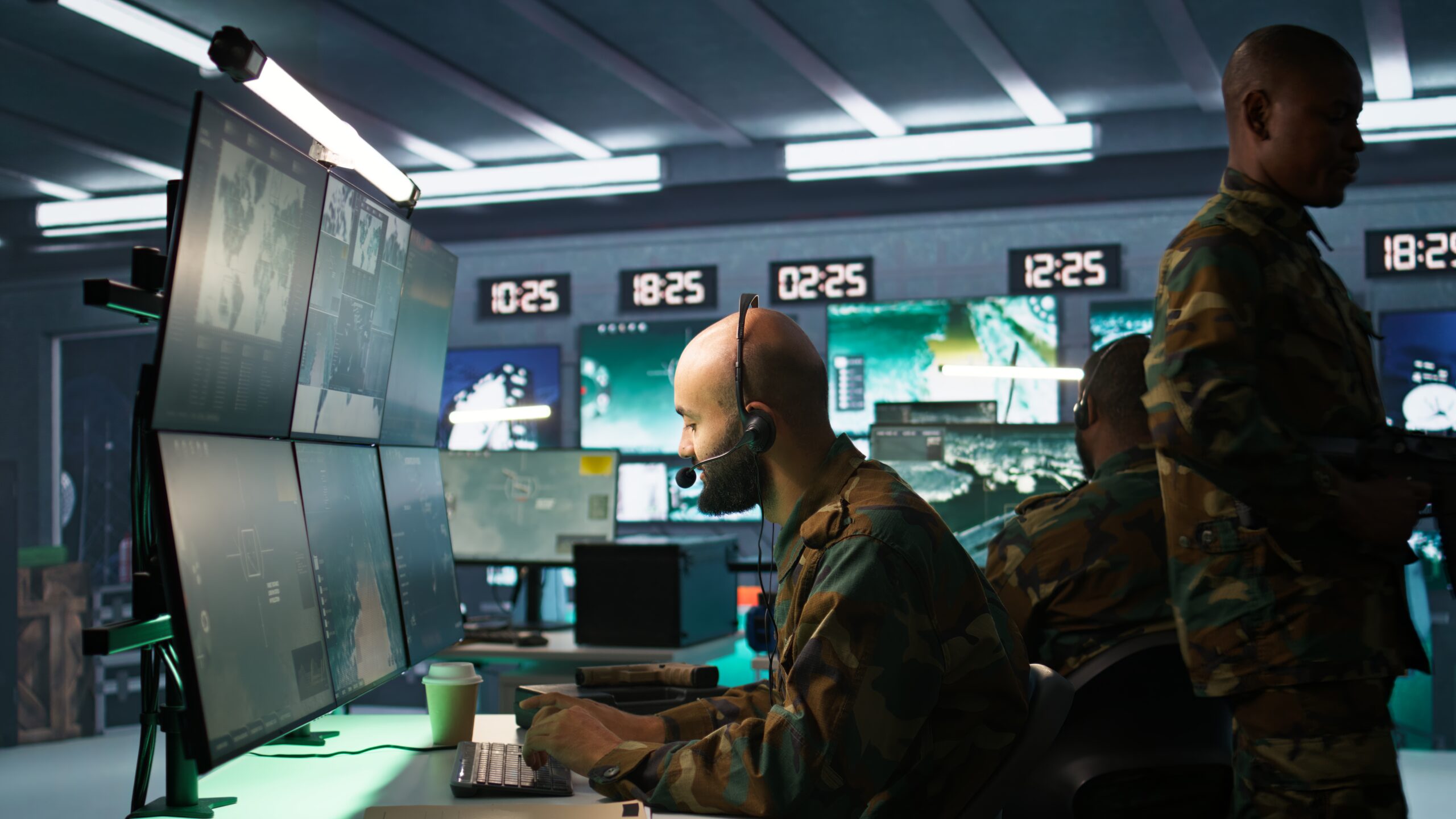
The first mistake Lieutenant Commander Marcus Thorne made was thinking the raven patch was decoration.
The second was touching it.
“Cute patch, sweetheart,” he said, loud enough for every recruit in the hangar to hear. His finger flicked the black bird sewn into the shoulder of my old flight jacket, and the sound was barely anything at all. A little tap against cracked leather. A small disrespect in a large room.
The recruits laughed because Thorne had made it safe to laugh. That was the part that mattered.
Twenty of them stood in a loose half-circle around training bay seven, all polished boots, tight shoulders, and eyes too young to hide fear well. They wanted to be chosen. They wanted to be noticed. They wanted to become whatever version of a pilot Thorne was performing for them that morning.
The hangar smelled like jet fuel, floor wax, hot circuitry, and the cinnamon gum half the recruits chewed because they thought it made them look relaxed. It did not. It made the room smell like nerves. Beyond the hangar doors, the California sun cut across the concrete in hard white strips, and the noses of training jets gleamed outside. A small American flag snapped in the wind off the bay.
I had always loved that sound. It reminded me of my father’s porch in Iowa, where the flag rope would clink against the pole while he worked the line with his big hands. Every Thanksgiving morning, before my mother opened the oven, he raised that flag in an old Navy sweatshirt and told me the same thing. “Evie, don’t ever beg a loud person to see your worth.” Then he would look at me over his shoulder and finish it. “Let your work do it.”
I was thinking about that while Thorne laughed at my jacket. I was also thinking about simulator seven.
At oh-seven-eighteen that morning, its maintenance log had flagged a three-millisecond delay in the haptic feedback loop. Three milliseconds do not sound dangerous to people who have never landed in bad weather. Three milliseconds sound like nothing to people who believe courage is mostly noise. But three milliseconds can make a pilot feel deck contact before the aircraft has it. Three milliseconds can make hands trust a lie. Three milliseconds can kill someone before they even know the machine has betrayed them.
So I kept my diagnostic tablet balanced on my knee and worked.
That bothered Thorne more than the jacket. People like him can handle being ignored by a superior. They cannot handle being ignored by someone they have already decided is beneath them.
“Well, well,” he said, stepping close enough for his shadow to fall across my screen. A few recruits laughed before he even finished walking. Trained dogs do not wait for the whole whistle.
I tilted the tablet away from the glare.
“Lost, sweetheart?” he asked.
I looked up then. Thorne had the kind of face that photographed well from a distance. Blue eyes. Perfect hair. A jaw carved for a recruitment poster. But up close, there was something tight and hungry in him, something that needed a room to shrink before he could feel tall.
“I’m running diagnostics,” I said. My voice stayed level. That made his smile thinner.
“Diagnostics,” he repeated, as if the word were beneath him. “This is an advanced combat training bay, not a community college computer lab.”
Someone near the back snorted. Another recruit whispered that I was probably IT. Thorne grinned at that. He liked borrowed cruelty when it came from below him. “Exactly,” he said. “IT.” Then he reached down and flicked the raven patch on my shoulder again. “Cute patch, sweetheart. Did they give you that with your little tool kit?”
The laughter hit the hangar walls and came back larger.
I did not move. I did not explain. I did not pull away because the patch deserved more than a flinch. I looked at his hand and said, “Don’t do that again.”
For half a second, the room went quiet. Then Thorne laughed louder than everyone. “Oh,” he said, turning so the recruits could see his amusement. “She’s got teeth.”
The baby-faced recruit with the quick mouth stepped forward. His name tag read Deckard. He could not have been more than a few months out of whatever classroom had told him confidence and competence were the same thing. “Maybe the bird patch means she flies drones at birthday parties,” he said.
More laughter.
I closed the diagnostic panel. Click. The sound was small, but it carried because everyone was waiting for me to be embarrassed. Thorne heard it. His eyes narrowed.
“You know what I hate?” he asked, turning back toward the recruits like a preacher finding his place at the pulpit. Nobody answered. He did not need them to. “I hate people who walk into sacred places without understanding the cost of being here.”
That almost made me smile.
Sacred places. He meant the simulator bay. He meant the polished floor, the expensive systems, the aircraft parked outside, the ritual of young recruits watching him talk about courage. I had seen real sacred places burn. I had seen the inside of a cockpit go red with warning lights while alarms overlapped so violently that sound became texture. I had smelled hydraulic fluid and blood in the same breath. I had landed a crippled aircraft on a carrier deck while my left hand went numb, my copilot did not answer, and the ocean rose toward us like a wall.
Afterward, there had been a hospital room. A folded flag. A sealed envelope. A letter from command that praised discipline while burying the mission so deep that some people would never even be allowed to know why the raven existed. Not decoration. Not attitude. Not a cute patch. A call sign can become a scar when the story behind it is not allowed to live in public.
Thorne did not know that. He did not know enough to be ashamed.
He pointed toward simulator seven. “You know so much, sweetheart? Climb in.”
The laughter changed then. It sharpened with anticipation. Everyone knew simulator seven. Even recruits who had never touched it knew the stories. It ran the Widowmaker scenario, a combat readiness test built to punish arrogance. Engine failure. Blackout weather. Hostile locks. Tower interference. A carrier deck pitching so hard that even veteran pilots sometimes stepped out pale and quiet. The simulator manifest called it advanced training. Pilots called it a humility machine. Most did not last two minutes.
Thorne folded his arms. “Unless you’d rather go back to your little wires.”
For one ugly heartbeat, I imagined standing up fast and knocking his hand away from my jacket. I imagined letting the recruits see anger. I imagined giving Thorne exactly the reaction he had been trying to drag out of me since he noticed I did not look impressed.
Then I thought of my father’s porch. The flag rope tapping the pole. His voice. Let your work do it.
So I slid the tablet onto the metal cart. I set my cold coffee beside it. I stood. The recruits stepped back. They did not mean to. Their bodies understood a change in pressure before their pride did.
Thorne smirked. “There she goes. Let’s see what the tech girl can do.”
I reached beneath the console and pulled out my helmet.
That was when the first crack appeared in his confidence. He had not noticed it before because he had been too busy performing. Real pilots notice helmets. Mine was matte black and scarred along the left side where shrapnel had kissed it over the Persian Gulf. The paint was worn thin near the oxygen clips. On the back, half hidden by scratches, someone had painted a tiny gray raven.
Deckard saw it first. His mouth opened slightly. Then closed. Doubt is quiet when it is new.
I carried the helmet to simulator seven. The closer I got, the quieter the hangar became. The machine sat in the corner like a locked animal. Thorne watched me with his arms still crossed, but his shoulders had changed. That small adjustment told me he was beginning to wonder whether he had made a mistake in public. Public mistakes are the only kind men like him truly fear.
I climbed into the cockpit. The seat took my weight with a familiar firmness. The harness crossed my chest. The canopy lowered. The outside laughter became muffled behind thick glass. Inside, the cockpit smelled like warm plastic, old leather, and filtered air. My hands found their places before thought had to instruct them. Throttle. Switch guard. Comm. Trim. Every pilot carries a second body made of repetition. Mine woke up.
Thorne’s voice clicked into my headset. “Try not to throw up, sweetheart.” A few recruits chuckled from somewhere beyond the canopy. It sounded far away now.
I adjusted the throttle. I checked the diagnostic status. The haptic delay was corrected. The log accepted the fix at oh-seven-thirty-nine local. Then I pressed the live-control switch.
“Tower,” I said, calm enough for the bay speakers to carry every word, “this is Raven requesting live-control authorization for simulator seven.”
Through the canopy, I watched Thorne’s face stop moving.
That was the moment the room understood something had shifted, even if it did not yet know what. Because I had not said trainee. I had not said technician. I had not said ma’am, sir, permission, or please. I had said Raven. And somewhere above us, the real tower answered.
“Raven, standby for clearance.”
The hangar went silent. Not polite silent. Not confused silent. The kind of silence that feels like every chair, every clipboard, every breath in the room has been caught by the same hand.
Thorne leaned toward the control console. “Tower, confirm identity,” he snapped. He tried to make it sound procedural. It came out afraid.
On the screen beside my knee, a green authorization bar moved slowly across the display. The record opened clean.
RAVEN. LIVE-CONTROL ACCESS. WIDOWMAKER EVALUATION.
Deckard’s clipboard slipped from his hand and hit the concrete. The slap of it made three recruits flinch. Nobody bent to pick it up.
Thorne stared at the monitor like the letters had insulted him personally. That was the thing about proof. It does not shout. It just stands there and lets the liar decide whether to keep embarrassing himself.
“Control,” Thorne said, lower this time, “I need confirmation of who authorized this exercise.”
The tower operator did not rush. That almost made it worse. “Authorization is valid. Raven has senior live-control clearance for simulator seven.”
The words moved through the hangar slowly. Senior. Live-control. Clearance. I could see the recruits processing each one. For the first time all morning, they were not looking at Thorne to learn what to think. They were looking at me.
Thorne’s jaw flexed. “That is not standard for a diagnostic contractor,” he said.
I almost laughed then. Not because it was funny. Because even cornered, he still needed the wrong label to be true.
“I’m not a diagnostic contractor,” I said.
The bay speakers carried it. Nobody breathed loudly enough to hide behind. Deckard’s face had gone pale in uneven patches. A young woman near the back lowered her clipboard as if it suddenly felt childish in her hands. The instructor by the bay door stopped pretending not to watch.
Thorne turned toward me slowly. His smile was gone. “What exactly are you claiming?” he asked.
I looked at him through the canopy. “I’m not claiming anything.”
That was true. Claims are for people without records. I had a helmet. A call sign. A clearance line in the control system. A sealed history that men like Thorne had mistaken for absence.
The tower came back again. “Lieutenant Commander Thorne, confirm you understand Raven has senior control of simulator seven for this evaluation.”
It was an order dressed as a sentence. The room heard it. So did he.
Thorne’s face tightened so hard that the skin around his mouth went white. For a moment, I thought he might refuse. That would have been foolish, but pride has talked better men into worse decisions. Then he looked at the recruits. That saved him and ruined him at the same time. Because they were all watching.
“Yes,” he said. The word cost him. The tower waited. Thorne swallowed. “Yes, I understand.”
“Raven,” the tower said, “you are cleared for live-control start.”
I did not look away from him when I answered. “Copy. Raven cleared.”
The Widowmaker loaded. The cockpit lights dimmed into simulation mode. Rain hammered across the virtual canopy. Warning tones began to stack. Engine two flickered. Hostile lock tone pulsed in my headset. The carrier deck appeared and vanished inside a wall of black weather. Behind the glass, the recruits moved closer despite themselves.
Nobody laughed now.
That was the first lesson of the morning. Not that I was special. Not that Thorne was small. That the loudest person in the room is not always the one with authority. Sometimes authority is the woman everyone underestimated while she fixed the machine they were afraid to touch.
The scenario hit hard in the first thirty seconds. A crosswind slammed the aircraft left. Tower interference flooded the comm with false vectors. The engine failure came early. Thorne’s eyes lifted from the monitor to my hands. That was when I knew he finally understood. He had thought he had challenged a technician. He had put a combat pilot in a cockpit and given her witnesses.
My left hand moved before the alarms finished. Throttle correction. Trim adjustment. Pitch hold. I let the bad tower chatter wash past and listened for the true command thread underneath it. Combat teaches you that panic is noisy, but survival is often very quiet.
The deck vanished. Returned. Vanished again.
The recruits watched the display with their mouths half open. Deckard finally bent and picked up his clipboard, but he did it slowly, like sudden movement might make the room remember him.
“Wave-off recommended,” the simulator barked.
I ignored it. Not because I was reckless. Because I knew the scenario. I knew where it lied. I knew where the deck would be when the weather broke for half a second. Thorne knew it too. That was why his face changed. He recognized the decision before the recruits did.
“Too low,” someone whispered. My hands stayed steady.
There are moments in a cockpit when fear stops being an emotion and becomes information. You do not defeat it. You read it.
The deck rose. The aircraft shook. For one second, the ocean filled the world. Then the landing system caught. The simulator slammed into arrested recovery so hard that the harness dug into my shoulders. The alarms died. The cockpit went still. A green status line appeared.
SCENARIO COMPLETE.
No one spoke.
The canopy lifted. Air from the hangar rolled in, carrying jet fuel, cinnamon gum, and the sharp salt wind from outside. My hands came off the controls slowly. Not because they shook. Because I wanted the recruits to see exactly what calm looked like after the machine stopped screaming.
Thorne stood a few feet away. His arms were no longer crossed. That mattered more than an apology would have.
I climbed out with my helmet under my arm.
Deckard stared at the raven patch and then at the floor. “I didn’t know,” he said. It was not enough. It was also the first honest thing he had said all morning. “You didn’t ask,” I told him. The words landed harder than I expected. A few recruits looked away.
Thorne said nothing.
The tower speaker clicked one last time. “Raven, control confirms clean recovery.”
Clean recovery. Two words. Years of silence folded inside them.
For a second, I was back on my father’s porch in Iowa, hearing the rope tap the flagpole while he told me not to beg loud people for belief. I wished he could have heard the hangar then. I wished he could have seen the recruits standing straighter for a different reason. Not because Thorne had told them to. Because the room had finally learned what respect sounds like when it arrives late.
It does not always come as praise. Sometimes it comes as silence. Sometimes it comes as a dropped clipboard, a vanished smirk, a tower operator saying your call sign like everyone should have known it from the beginning.
Thorne stepped aside when I walked past him. He did not apologize. Men like him often confuse apology with defeat. But he moved. That was enough for the moment.
At the cart, my coffee was cold. My diagnostic tablet still showed the corrected haptic loop. I signed the maintenance entry, logged the evaluation time, and closed the record.
The raven patch sat heavy on my shoulder. Not decoration. Not proof I owed anyone a story. Just a warning to people who think quiet means empty.
My father had been right. Do not beg a loud person to see your worth.
Let your work do it.
That morning, in front of twenty recruits, the tower did the rest.

Sophia Rivers is an experienced News Content Editor with a sharp eye for detail and a passion for delivering accurate and engaging news stories. At TheArchivists, she specializes in curating, editing, and presenting news content that informs and resonates with a global audience.
Sophia holds a degree in Journalism from the University of Toronto, where she developed her skills in news reporting, media ethics, and digital journalism. Her expertise lies in identifying key stories, crafting compelling narratives, and ensuring journalistic integrity in every piece she edits.
Known for her precision and dedication to the truth, Sophia thrives in the fast-paced world of news editing. At TheArchivists, she focuses on producing high-quality news content that keeps readers informed while maintaining a balanced and insightful perspective.
With a commitment to delivering impactful journalism, Sophia is passionate about bringing clarity to complex issues and amplifying voices that matter. Her work reflects her belief in the power of news to shape conversations and inspire change.