My name is Calvin Draper. I am thirty-four years old, single, and working as a doctor at Tanova Healthcare Harton, in a small Tennessee town tucked into the Appalachian foothills. Out here the highways curve like gray ribbons between green hills, old pickup trucks sit in gravel driveways, and porch flags hang still in the heavy Southern air.
Tuloma is nothing like New York or Los Angeles. The streets go quiet after nine. The main drag has a diner with bottomless coffee, a hardware store that still smells like sawdust, and a couple of small coffee shops where retired teachers and off-duty nurses sit under framed photographs of high school football teams, talking about everything and nothing as the sun slides down behind the hills.
I love this place. Not just because it is peaceful, or because a weathered American flag flutters outside the hospital entrance every morning I walk in. I love it because this is where I finally found what my life was supposed to be, and also where I understood just how badly the people I called family had failed the one person who loved me most.
Today, sunlight is pouring across the desk in my small apartment, catching the edge of my stethoscope and the stack of patient charts I brought home but haven’t touched. I am scrolling my phone without really seeing anything when a Facebook notification pops up, bright and insistent.
On this day, sixteen years ago.
I tap it without thinking.
The screen fills with a picture: me and my grandmother, Hazel Draper, standing at Hartsfield-Jackson International Airport in Atlanta. Behind us, an American flag hangs from a high steel beam, just above a crowd of travelers and rolling suitcases. I am eighteen in the photo, too tall for my age, all elbows and messy hair. My arm is wrapped around my grandmother. She is small and straight-backed in her cardigan and comfortable walking shoes, white hair neatly curled, smile so wide it almost hides the tired lines around her eyes. We are both grinning like the whole world is finally opening its doors to us.
Looking at that photo now, my heart feels like someone is squeezing it in slow motion. That day is not just a memory. It is a wound that never fully closed. The day everything shifted. The day I understood that family and love are not always the same thing.
I set the phone down, close my eyes, and let the past pull me under. The years peel back like old wallpaper, and suddenly I am not Dr. Draper in a Tennessee apartment anymore. I am Calvin, the boy who thought he understood what family was, before an airport and a missing plane ticket and thirty thousand dollars changed everything.
I was born and raised in Greenville, South Carolina, a busy mid-sized city with warehouses, industrial parks, and a downtown where office workers rush through crosswalks with their coffee cups and keycards swinging. My father, Gordon Draper, was an engineer, always hunched over blueprints spread across our kitchen table, talking about load-bearing beams and concrete pours while the evening news murmured in the background. My mother, Janelle, was an accountant who lived inside spreadsheets and year-end reports, coming home drained but still opening her laptop again at the kitchen counter under the fluorescent light.
We were not poor. We lived in a suburban ranch-style house with vinyl siding, a two-car driveway, and a little American flag clipped to the mailbox. The yard was neat, the mortgage was paid on time, and the pantry always had cereal and coffee. But the house never felt warm.
I do not doubt that my parents loved each other. I do not even doubt they loved me, in whatever way they understood love. But that love rarely made it to the surface. Family dinners, on the rare nights they sat at the table instead of eating separately in front of their laptops, were quiet affairs. The main sound was cutlery touching plates or the hum of the refrigerator. The questions, when they bothered with any, were always the same. How were your finals, Calvin. What is your class rank. No did you make any new friends. No are you happy. So I answered in clipped sentences, knowing they were already thinking about emails and upcoming meetings and tax deadlines.
There was only one place I ever felt truly alive. One place where the air itself felt like a hug.
My grandmother’s house in Tuloma, Tennessee.
Every summer, my parents put me on a Greyhound bus or drove me up the interstate, past billboards and truck stops and green highway signs, to drop me at her small wooden house on the edge of town. Those summers were the best months of my childhood.
My grandmother, Hazel, was petite but strong, tough in the way only women who have worked nights in hospitals and raised children alone ever really are. She had been a nurse at the local hospital, working double shifts, grabbing naps in on-call rooms, living on vending machine coffee and whatever she could pack in a brown paper bag. She divorced when my father was still young and raised him and his sister, my Aunt Paula, almost entirely on her own. She never complained, but the years were etched into her. They showed in the tiny lines fanning from the corners of her eyes and in the way her hands, still steady, carried a faint tremor when she thought no one was watching. When she smiled, though, she lit up the room.
Her house sat on the outskirts of Tuloma, a little wooden place with peeling white paint, a sagging front porch, and a shallow set of steps where I used to sit listening to cicadas. She kept pots of flowers along the porch rail, petunias and geraniums and her favorite yellow marigolds, and in the backyard she had a vegetable garden that somehow always produced more tomatoes and beans and squash than one person could eat.
Inside, the first thing you noticed was the smell. Freshly baked cookies cooling on old wire racks, the faint scent of antiseptic that clung to her clothes from all those years working in the hospital, and the warm comforting smell of old wood that had soaked up decades of laughter and late-night conversations. Every time I crossed that threshold, she pulled me into a tight hug, even after I had shot up taller than her.
Calvin, you are growing so fast I can barely keep up, she would say, laughing as she reached up to ruffle my hair.
But her eyes, those warm hazel eyes I was named after, always sparkled like I was the best thing that had ever walked through her door.
Those summer days felt like heaven. She taught me how to bake cookies from scratch, letting me crack the eggs and sneak chocolate chips from the bowl. She told me stories about her hospital nights, tiny preemies who pulled through when no one thought they would, cranky surgeons who secretly cried when a patient died, the way she used to hide a peppermint in her pocket for scared kids in the pediatric ward. We sat on the porch at dusk, watching fireflies blink in the yard while the local radio station played country songs and old rock ballads on a crackly speaker inside. Sometimes she laughed so hard telling a story she had to wipe tears from her eyes.
And yet, when she thought I was not looking, I would catch her sitting by the front window with her hands wrapped around a mug of coffee gone cold, staring at the framed photograph she kept on the little table next to her chair. In that photo were my father, my Aunt Paula, and me. She dusted the frame carefully, as if it were made of crystal. But the way her fingers lingered on my father’s face, on Paula’s, told a different story. Sometimes a shadow crossed her expression, a sadness so deep it made my chest ache, even when I was too young to understand why.
My father had left Tuloma as soon as he could. After college he took an engineering job in Greenville, married my mother, and built a life that looked good on paper. Aunt Paula married a man named Leon Mallister, a wealthy real estate developer. They moved to Peachtree City, Georgia, where manicured lawns and golf carts on tree-lined paths replaced the cracked sidewalks and sagging porches of my grandmother’s town. Both of them left Tuloma behind. They left my grandmother behind in that little wooden house with her marigolds and her memories. They rarely visited. Maybe a quick stop on the way somewhere else, a rushed holiday call with forced laughter.
I thought she just missed her family. I did not yet understand that neglect can carve empty spaces in a person that never quite fill back in.
She lived alone, but she never let the loneliness turn bitter. She tended her garden like it was a living thing that loved her back. She rode an old bicycle with a wire basket to the grocery store, sometimes bringing back fresh peaches or a loaf of bread from the bakery by the town square, where an American flag hung over the courthouse steps. She cooked simple meals in her small kitchen, chicken and rice, vegetable soup, cornbread in a cast-iron skillet. In the humid afternoons we would kneel side by side in the dirt, pulling weeds and watering the plants, and she would talk while we worked, her voice steady and calm.
Back then I would run around that hospital all night, she would say, pushing her hair away from her face with the back of her wrist. Sometimes I did not sleep for two days straight. But when we saved somebody, it made every ache worth it.
I admired her more than anyone. Not just for her strength, but for the way she loved, with this quiet unyielding unconditional love that never demanded anything in return. She had given everything to my father and Aunt Paula. Her youth, her health, her best years. She never once asked them to pay her back.
Even as a teenager, I could feel that something wasn’t fair.
Everything began to shift the spring I turned eighteen, right after I graduated from high school. One evening, my parents called me into the living room. The TV was off, their laptops closed, and their expressions carried a kind of rehearsed excitement. Calvin, my father began, his voice almost booming with enthusiasm, we are planning a big trip. He had an airline brochure next to him on the coffee table. The whole family is going to Europe, he said. Paris, Rome, London. A once-in-a-lifetime trip.
My heart sped up. Europe. The word felt unreal in my mouth. I pictured my grandmother standing under the steel lattice of the Eiffel Tower, her white hair blowing in the Paris breeze. I imagined her on a boat in Venice, laughing as she watched the city lights twinkling across the water.
Then one night I walked past my parents’ bedroom and heard their voices, low and conspiratorial. It’s expensive, my mother murmured. The hotels, the tickets, everything. We can have Mom contribute. She’s got savings from all those years as a nurse. She’ll want to help since it’s a family trip.
I froze.
I knew my grandmother had a little nest egg, money saved from all the night shifts and the meals she skipped so her children could eat. But I had always assumed that money was for her security. For emergencies. For her old age. Something in my chest twisted, but I forced myself to breathe. I told myself that if Grandma agreed, it must mean she wanted this trip as much as we did. I wanted to believe this was about love, not taking advantage of her.
In the weeks that followed, my father suddenly seemed to remember he had a mother. He called her more often, his deep voice artificially light. How are you, Mom. Eating okay. Taking your vitamins. I have been thinking about you. Aunt Paula sent photos from her upscale neighborhood, a stylish scarf she had bought, designer sunglasses she thought Grandma might like to see.
My grandmother smiled when she talked about these calls, but every time there was that flicker in her eyes. A tiny shadow, as if she could not quite believe this sudden rush of attention.
One weekend the whole family descended on Tuloma like a traveling show. My parents, Aunt Paula, Uncle Leon, my cousins Isabelle and James. They rolled their suitcases across the gravel and into my grandmother’s small wooden house, filling it with perfume and cologne and the faint chemical smell of dry-cleaned fabric.
Inside, the atmosphere felt off from the beginning. Everyone was too cheerful, too loud. My father settled on the couch beside my grandmother and took her hand like he was auditioning for a role. He talked about strolling through Parisian streets, about tossing coins into the Trevi Fountain in Rome, about seeing Big Ben up close instead of in pictures. Mom, this is our chance to be together, he said. The whole family. You have to come.
My grandmother sat in her favorite armchair, fingers twisting the hem of her sweater. She shook her head gently. I am old, she said, her voice soft. My health isn’t what it used to be. I don’t know if a trip that far is a good idea.
My father did not back off. We will be with you, he said quickly. We will take care of everything. It is a once-in-a-lifetime opportunity, Mom. You deserve it.
Finally, she looked at me. Her eyes met mine, searching, as if I were the only person in that room who could anchor her. If Calvin wants me to go, then I will go, she said, offering a small uncertain smile.
I walked over and hugged her as tightly as I could. Please go, Grandma, I whispered. I will take care of you.
I had no idea I was helping to push her into a trap.
The next day I was walking past my parents’ bedroom when I heard my mother’s voice again, low and sharp. She transferred the money, she said. All of it. All of her savings.
I stopped outside the doorway, heart thudding. All her savings. All the money from those endless shifts, from the meals she had skipped, the new shoes she had not bought, the vacations she never took. My mouth went dry. I wanted to knock, to walk in and demand an explanation. But at eighteen, I still thought parents were supposed to know best. So I told myself the trip would justify everything. That seeing my grandmother happy in Europe would make it all okay.
She arrived at our house a few days before departure, having taken a bus from Tuloma. She stepped out of the Greyhound station holding a dark green suitcase that looked like it belonged in the 1970s, its corners worn smooth from years of use. When I ran up and hugged her, the familiar faint scent of antiseptic and flour wrapped around me. It was like being transported straight back to her kitchen, to summers spent in that wooden house.
Those few days before we left felt like stolen time. At night, after my parents went to bed, we lay in the glow of the muted television and she told me more stories about the hospital, about the times she had tucked little toys under kids’ pillows, how she always kept a piece of candy in her pocket to give to frightened children before they went into surgery. We talked about the trip, about what I thought she would love most. I will go wherever you are, she said one night, staring at the ceiling. That is enough for me.
On departure day, we loaded the car and drove the nearly three hours to Atlanta along the interstate, tractor-trailers blowing past us as billboards advertised fast food and exit after exit of gas stations. I sat in the back with my grandmother, holding her hand. She kept her eyes on the window, watching the trees roll past. Don’t worry, I whispered. It is going to be so much fun. She smiled, but it did not quite reach her eyes.
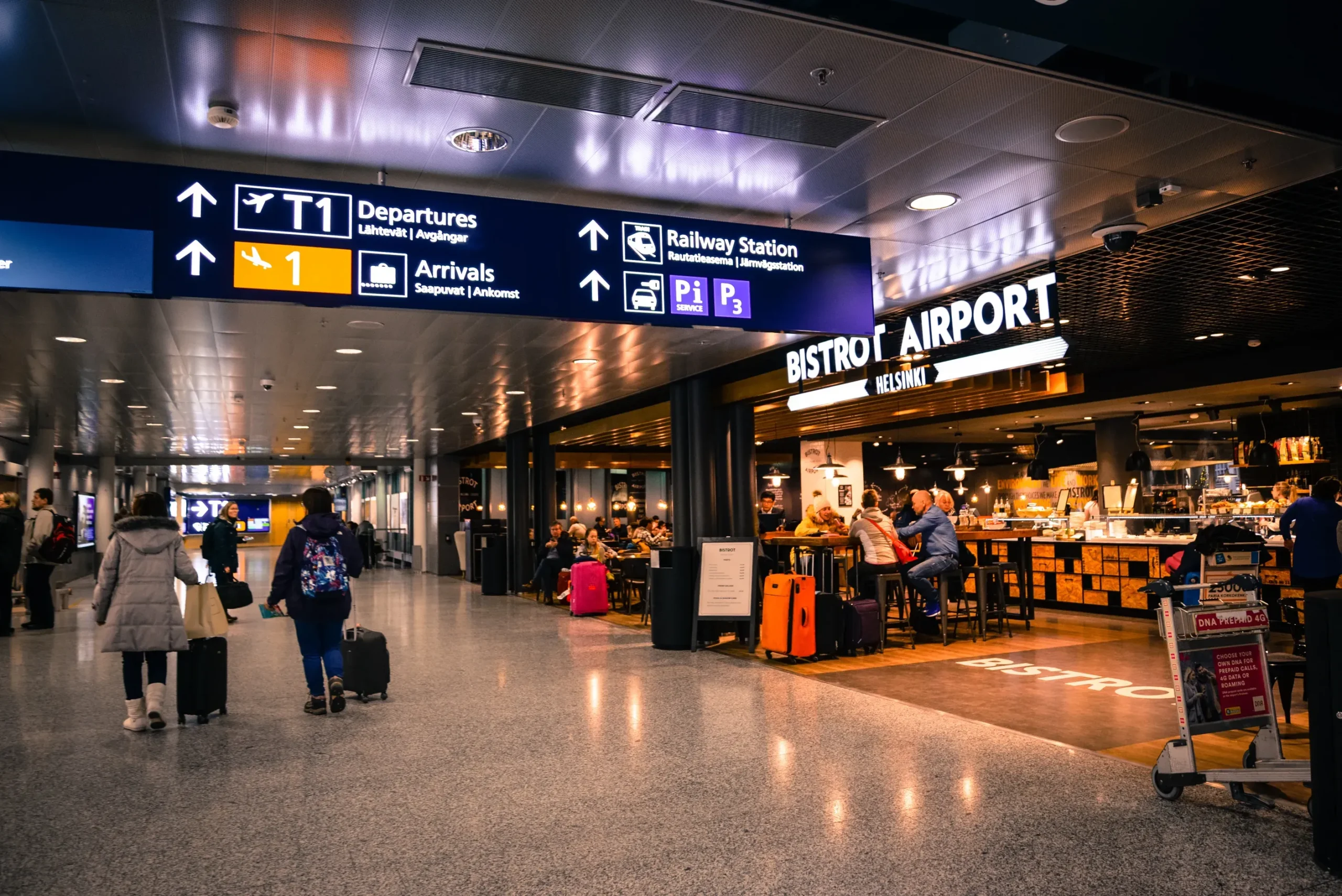
Hartsfield-Jackson was its own world, bright and loud and sprawling. We rolled our suitcases past families, business travelers, soldiers in uniform walking in tight clusters. That big American flag near the security line seemed to watch all of us streaming through. Aunt Paula’s family was already there when we arrived. Leon offered a brief hey Mom like they had bumped into each other at a grocery store. Isabelle and James barely glanced up from their phones.
We joined the check-in line. I stood beside my grandmother, heart pounding with that nervous excitement you only feel when something big is about to happen.
Then I noticed my father at the counter, frowning as he spoke to the airline employee. His voice carried a sharp edge I knew meant trouble. My grandmother and I stepped forward as the line shifted. Grandma, it is almost our turn, I said. She did not move. Calvin, she whispered, a strange alertness creeping into her tone. Where is my ticket.
I turned to look at my father, waiting for him to wave it at us, to explain that everything was fine. Instead he turned, face a little flushed. Mom, he said, there is a slight issue with the booking system. Your ticket has not been confirmed.
The words hit me like I had missed a step on a staircase. Not confirmed. How is that possible. We have been planning this for months.
My mother stepped in and reached for my arm. Calvin, calm down, she murmured. It is probably a system error. We will sort it out later.
But my grandmother straightened, her small frame suddenly feeling taller. Gordon, she said, her voice calm but edged with something I had never heard from her before. Tell me the truth. Did you ever book a ticket for me at all.
The question hung between us like a dropped glass. My father hesitated, looking briefly at my mother as if she might save him from the answer. Then he sighed. Mom, you are getting old. Your health is not good. That long a flight could be dangerous. It is not practical. You should stay home and rest. We will take you somewhere closer next time.
Stay home. Next time.
The words sliced through me. I turned to Aunt Paula and Uncle Leon, waiting for them to protest, to insist that of course Grandma was coming, that this had to be a mistake. Leon stared at his phone as if suddenly fascinated by emails. Paula looked away, focusing on her luggage tag.
My grandmother stood there, hands gripping the handle of her suitcase so tightly her knuckles turned white. Her shoulders trembled, but she did not cry. Her eyes moved from my father to my mother to Aunt Paula. But no one met her gaze.
What are you talking about, I finally burst out. She paid for this trip. You used her money. How can you leave her behind.
People nearby started turning toward us. A family with small kids stopped in the line behind us. A TSA officer glanced over with an unreadable expression.
Calvin, calm down, my mother snapped, her soothing tone gone. You do not understand. This is adult business.
But I could not calm down. Not this time.
In that moment, everything snapped into place. The sudden phone calls. The visit to Tuloma. The coaxing. The way they had encouraged her to empty her account in the name of family. They had never planned to take her with us. The trip was not a gift for her. It was a purchase, and she was the one who had paid.
Something inside me broke.
Grandma, I said, my voice shaking but resolute. I am not going. I am staying with you.
She turned to me, eyes wide. Calvin, no, she whispered. You have to go. Do not miss this because of me.
But I could not imagine walking down that jet bridge, sitting in that plane, watching my parents order wine and flip through in-flight magazines, knowing they had stolen her savings and abandoned her in the middle of one of the busiest airports in America.
No, Grandma, I said. I am not going anywhere without you.
My father stepped closer, jaw clenched. You are being foolish, he said. If you want to stay with her, fine. Figure it out yourselves.
Aunt Paula rolled her eyes. Don’t be childish, Calvin, she said, her voice dripping with contempt. Are you trying to ruin this trip for everyone.
I did not answer. I just held my grandmother’s hand tighter.
Without another word, they turned their backs on us. They picked up their carry-ons, adjusted their sunglasses, and walked toward security. Isabelle and James trailed behind them, occasionally glancing back over their shoulders like they were watching some strange scene on a reality show. No apology. No hesitation. No last look at the woman who had raised them. Just gone.
I stood there with my grandmother in that busy terminal, the noise of the airport swirling around us, the rolling suitcases and the announcements and the coffee orders and the laughter of other families getting ready to board planes and go somewhere together.
My grandmother did not say anything. She just stared at the spot where her children had disappeared, as if the floor had opened up and swallowed them whole.
Grandma, I said softly, my throat tight. Let us go home.
She nodded slowly, as if waking from a dream.
I led her away from the check-in counter, pulling her suitcase behind us. She walked like someone moving through water, every step heavy. We slipped out through the automatic doors, back into the sticky Georgia heat, and I waved down a taxi and helped her into the back seat. Back to Tuloma, Tennessee, I told the driver, giving him the address of her little wooden house.
As we pulled away from the airport, the massive terminal receding in the rearview mirror, my grandmother watched the planes through the window, her eyes distant. For a long time she was silent. Just the sound of the engine, the occasional country song playing low on the radio, and the steady beat of tires over highway seams.
Halfway into the drive, she spoke. Is it because I am poor, Calvin, she asked, her voice barely above a whisper. Because I am old. Because I do not fit into their world anymore.
Her words cut straight through me. I wanted to scream, to tell her no, that she was better than any of them, that the problem was not her. But all I could do was squeeze her hand. No, Grandma, I said, forcing the words out past the ache. It is not your fault. They do not deserve you. She nodded, but I could tell she did not believe me. The hurt was too deep.
We rode the rest of the way in silence, a silence filled with all the things neither of us knew how to say.
By the time the taxi pulled up in front of her house, night had fallen. The porch light flickered on automatically, casting a yellow pool across the steps, the marigolds still visible in the dim glow. I paid the driver and carried her suitcase inside. The familiar smells wrapped around us, cookies and old wood and the faint scent of detergent. It should have felt comforting. Instead the house felt heavier, quieter than I had ever known it. She lowered herself into her armchair and reached for the framed family photo on the side table. She held it so tightly her hands shook. I knelt in front of her.
Grandma, I said, my voice breaking, I will not let them hurt you again. I promise.
She forced a small smile, the kind that tries to protect the other person more than itself. Calvin, go to your room, she said gently. It is late. I am not going anywhere, I answered. I am staying right here with you. She did not argue. She just leaned back and stared at that photo, as if trying to reconcile the smiling faces in the frame with what had just happened at the airport.
I spent that night half-awake on the couch, listening to the old house creak and settle, thinking about my parents in some airplane seat, reclining and adjusting their blankets while flight attendants rolled carts down the aisle. They thought this would all just disappear. That I would get over it. They were wrong.
I woke up early the next morning, the light outside still gray. My grandmother was asleep, finally breathing evenly down the hall. I stepped out onto the front porch, the boards cool under my bare feet. The marigolds swayed gently in the morning breeze, their bright yellow petals a stubborn burst of color against the fading white paint of the house.
I pulled out my phone and started searching. I did not know exactly what I was looking for. I just knew that what my parents had done felt wrong in a way that went beyond hurt feelings. It was not just a bad decision or a misunderstanding. They had taken advantage of someone who trusted them completely. After a few minutes I found the website for Adult Protective Services in the state of Tennessee. The page explained how they investigated financial, physical, and emotional abuse of vulnerable adults. I read about family members who pressured elders into giving up their savings, about fraud disguised as gifts, about deceit and manipulation.
I scribbled down the phone number, hands shaking.
But then doubt crept in. These were my parents. My aunt and uncle. Did I really want to drag my own family into an investigation. I looked back at the little house. Thought about my grandmother standing in that airport, humiliated and discarded. Thought about thirty thousand dollars that were supposed to keep her safe in her old age, now floating somewhere over the Atlantic in the form of hotel upgrades and expensive dinners. If I did nothing, what would stop them from doing it again.
I dialed the number.
A man answered, introducing himself as Dorian Hail. His voice was deep and calm, with the kind of steady patience you only hear in people who deal with hard stories every day. I told him everything. My words tumbled over each other at first, the Europe trip, the way they had convinced my grandmother to transfer her savings, the day at the airport, the missing ticket, the way they had walked away. He listened without interrupting, only occasionally asking a precise question.
Does your grandmother have proof of the bank transfer. Were there any witnesses at the airport who heard what your parents said.
I told him I could get bank statements and that one of the airline employees had been present when the argument happened. I remembered her face, concerned, watching from behind the counter.
All right, Calvin, Dorian said. You and your grandmother need to come into the local APS office. We cannot promise you how this will end, but we can look into it. What you are describing sounds serious.
When I hung up, my legs felt weak, but there was a strange kind of relief too. I had done something. Taken one step.
I went back inside. My grandmother was sitting at the small kitchen table, her hands wrapped around a coffee mug. The morning light slanted across the worn laminate and the little salt and pepper shakers shaped like birds.
Calvin, you are up early, she said.
I sat down across from her, watching the steam rise from her mug. Grandma, I said carefully, I called an agency that helps protect older people. They investigate when someone takes advantage of them. I told them what happened. They want us to come in and talk.
Her eyes widened. Oh, Calvin, she said, her voice breaking slightly. You do not have to do that. I do not want to make a big scene. They are still my children.
I reached across the table and took her hand. Grandma, they do not deserve your protection, I said quietly. They took your money. They lied to you. They left you in the middle of an airport like you did not matter. If we do nothing, they will think they can keep doing things like this.
She looked at me for a long time. The lines in her face seemed deeper than ever, but behind them I saw something else. Pride. If you think it is right, she said at last, then I trust you.
On a drizzly morning a few days later, we walked into the APS office in Tuloma, a low brick building not far from the county courthouse where a faded flag stirred lazily outside. Inside, the waiting room had worn chairs, a coffee machine that burbled quietly, and a bulletin board covered in pamphlets about elder care and legal aid. Dorian stepped out to greet us, a tall man in a neatly pressed shirt and tie, a worn leather folder under his arm. He shook my grandmother’s hand gently.
We sat in his office and he listened again as I laid everything out in order. The phone calls. The visit. The transfer of money. The airport scene. I handed him the bank statements that Martha, the bank teller who had known my grandmother for years, had helped us print. One clear line showing a transfer of over thirty thousand dollars from my grandmother’s account to my father’s. My grandmother spoke too, her voice steady but soft. I just wanted them to be happy, she said, eyes on her folded hands. I thought if I helped them with this trip, we could be a family again.
Dorian took notes, his expression serious. Mrs. Hazel, Calvin, he said finally. We have enough here to open a formal investigation. Financial abuse of an older adult is a serious matter. We will contact everyone involved and verify the facts. He turned to me. You did the right thing, he added. Not everyone has the courage to stand up to their own family.
While APS began their work, I stayed in Tuloma. I mowed the grass, helped her in the garden, and made simple meals in that small kitchen. At night we watched local news and old game shows on her bulky television. I started keeping a journal. Every detail went in there. The timeline of phone calls. The exact words my father had used at the airport. The way my mother had said this is adult business. Writing it down helped me stay focused. Helped me remember that what I was doing was not out of spite. It was about protecting someone who deserved better.
My grandmother did her own quiet preparation. One morning I walked into the living room and saw her standing in front of the wall where she kept her family photos. She took the main family photo down, wiped it with a soft cloth, then set it face down on the table instead of hanging it back up. Grandma, I asked gently. Why did you do that. She looked at the photo, then at me. I am not angry, she said softly. I am just tired. I do not want to look at their faces anymore. Her words cut deep. This was not just about the airport. It was about years of waiting for calls that never came, visits that were always too short. The airport was just the final crack in something that had been breaking for a long time.
Nearly three weeks after the airport, Dorian called with an update. We have confirmed the bank transfer and spoken to the airline employee who witnessed the incident, he said. We are issuing summons to your parents and your Aunt Paula. If they do not cooperate, we will move forward with court proceedings.
I decided I needed to see my parents and Paula again, not to apologize, not to reconcile, but to look them in the eye knowing I had chosen a different side. I did not tell my grandmother what I was planning. I told her I had errands to run in the city. She reached up to ruffle my hair, like she had when I was a boy. Be careful, she said. You are my only comfort now, Calvin. Those words weighed on me all the way to Atlanta.
Hartsfield-Jackson was just as loud and busy as it had been that awful day, but this time I was not there as a passenger. I waited in the arrivals area, where the sliding doors opened and closed, spilling out tired travelers with neck pillows and duty-free bags.
Then I saw them. My father, tanned and relaxed, sunglasses hooked onto the front of his shirt. My mother, laughing at something Aunt Paula said. Paula carried a designer bag. Leon pushed a luggage cart piled with suitcases, some with sticker tags from Paris, Rome, and London. Isabelle and James walked beside them, eyes glued to their phones, swiping through photos of themselves in front of monuments.
They looked happy. Carefree. Like people who had enjoyed every last cent of a vacation they had no right to take.
Before I could move, Dorian stepped into their path. Mr. Gordon Draper, Mrs. Janelle Draper, Mrs. Paula Mallister, Mr. Leon Mallister. I am Dorian Hail from Adult Protective Services. I have summons related to allegations of financial abuse of Mrs. Hazel Draper.
The air around them seemed to freeze. My father’s smile dropped. My mother’s eyes went wide. Paula’s hand tightened around her purse strap. Leon’s jaw clenched. What, my father snapped. This is some kind of mistake. Dorian did not flinch. He handed each of them a packet. You will have the opportunity to respond, he said. Please read these documents carefully and contact our office.
I stepped forward then, unable to stand in the shadows any longer. It was not Grandma, I said, my voice cold. She did not report you. I did.
My father’s head snapped toward me. Calvin, he hissed, his face red. Have you lost your mind. You would do this to your own family. My mother glared at me. You are ruining everything, she said. Aunt Paula shook her head, her lips curling. You are just like your grandmother, she said. Soft. Foolish. Ungrateful.
I looked at each of them in turn. At my father, who had once carried me on his shoulders through our yard. At my mother, who had bandaged my scraped knees when I crashed my bike. At Paula, who used to send birthday cards with five dollar bills tucked inside when I was little. I saw anger. Panic. Fear of consequences. But I did not see remorse.
I will be with Grandma, I said. Do not look for me.
I turned, nodded to Dorian, and walked away without looking back.
On the bus ride home to Tuloma, nighttime pressing in on the windows, I stared at my reflection in the glass. I did not feel triumphant. I felt tired. Heavy. Like something had been severed for good.
Back at the wooden house, my grandmother sat in her armchair with an old paperback in her lap, eyes soft but distant. Calvin, where have you been all day, she asked the moment I walked in. I sat beside her and told her everything. The airport, the summons, the confrontation. She listened quietly, hands clasped so tightly her knuckles showed white through the thin skin.
I did not want you to face them, she said finally, her voice rough. They are still your parents.
No, I said, taking her hands in mine. Family is the people who love and respect you. You are my family.
She looked at me, and for the first time in days, tears welled in her eyes. Thank you, Calvin, she whispered. I do not know what I did to deserve a grandson like you.
In the weeks that followed, APS moved forward. My parents and Paula claimed my grandmother had given them the money as a gift. They insisted they had acted out of concern for her health, not malice. They argued that leaving her at the airport was a difficult but necessary decision. Dorian was not easily swayed. We have the bank statements, he told me. We have the airport employee’s account. And we have your grandmother’s sworn statement. That is more than enough to move this into court if needed.
The court date was set at the county courthouse in Tuloma, a modest red brick building with white columns and a flagpole out front. My grandmother refused to attend. I do not want to see them, she said. Not like this. Calvin, you go. I trust you.
On the morning of the hearing, I ironed a white dress shirt she had washed and pressed herself. I could see her careful folds in the fabric, the way she had smoothed the collar. You look like a real lawyer, she joked weakly as I buttoned it. I am just here to tell the truth, I said.
Inside the courtroom, the air felt heavy. My parents and Paula sat on one side with their lawyer. My father avoided my eyes. My mother kept her head down, fingers twisting the strap of her purse. Paula glared openly. Dorian sat next to me, his presence a steady weight at my shoulder.
The judge, a woman with sharp assessing eyes, called the case to order and asked Dorian to present the allegations. He stood up and spoke clearly. We are bringing a case of financial abuse of an elderly person. Mrs. Hazel Draper was convinced to transfer her entire savings, approximately thirty thousand dollars, under the pretense of a family trip to Europe. Once her funds were obtained and the trip paid for, she was deliberately excluded and left at the departure airport.
My parents’ lawyer stood up immediately. Your honor, he said smoothly. My clients deny any wrongdoing. The funds in question were voluntarily gifted by Mrs. Draper. There is no proof of coercion. He produced papers he called a family agreement, some document I had never seen before, signed months earlier. My blood ran cold. A family agreement. They were trying to turn a betrayal into a contract.
Dorian responded calmly, submitting the bank statements, the written statement from the airline employee, and my grandmother’s sworn account of what had been promised and how she had understood the arrangement.
When it was my turn to testify, my legs felt like they were made of lead as I walked to the stand. I raised my right hand, swore to tell the truth, and then told the judge everything. The whispered conversation about my grandmother’s savings. The sudden visits. The convincing. The day at the airport. The words stay home and next time. The way they had walked away while my grandmother stood frozen with her suitcase. I tried to keep my voice steady, but it shook when I described the look in my grandmother’s eyes as the realization sank in.
They took her money, I said finally. Money she earned working nights in a hospital, taking care of other people’s families. They promised her a trip. A chance to be part of something, to feel loved and included. Then they left her in an airport and flew to Europe without her. They have never apologized. They have never shown remorse.
When I stepped down, my father stared at me like I was a stranger.
The judge took her time reading through everything. The courtroom was so quiet I could hear the distant hum of traffic outside and the soft tick of the old wall clock.
At last, she spoke. The court finds that there is sufficient evidence to determine that financial abuse of an elderly person occurred in this case. Mr. Gordon Draper, Mrs. Janelle Draper, Mrs. Paula Mallister, and Mr. Leon Mallister are ordered to repay the full amount of thirty thousand dollars to Mrs. Hazel Draper. Furthermore, this conduct will be recorded as an incident of elder financial abuse. The defendants are hereby stripped of any inheritance rights from Mrs. Hazel Draper and any rights to petition for guardianship over her person or estate in the future.
Silence fell heavy over the room.
My father shot to his feet, his face purple. This is ridiculous, he shouted. We are her family. The judge banged her gavel. Sit down, Mr. Draper. Aunt Paula began to cry, not the kind of crying that comes from regret, but the sharp angry kind that comes from humiliation. Leon muttered something under his breath. My mother just stared at her hands.
I did not feel victorious. I felt sad. Sad that it had come to this, that we needed a courtroom and a judge and official records to make clear what should have been obvious from the start. You do not steal from the people who raised you.
That evening I sat in my grandmother’s living room and told her everything. She listened quietly. When I finished, she sighed, her eyes glistening. If only they knew how to love, she said softly. Her words hurt more than anything the judge had said. Grandma, I told her, taking her hand. I love you. Truly. And that has to be enough for both of us. A faint but real smile crossed her face.
The money was returned to her account, but she would not touch it. This is for you, Calvin, she told me firmly. I do not need anything else. Having you is enough. We are not going to let what they did define the rest of my life, she said. Or yours.
We started rebuilding, one small choice at a time.
I decided not to go back to Greenville. Instead I stayed in Tuloma. I enrolled at a nearby community college with a pre-med program, working in the mornings and taking classes in the afternoons and evenings. I had always been fascinated with the way my grandmother talked about medicine, with this blend of seriousness and wonder. Now I understood why. I will save people like you did, I told her one afternoon as we weeded the garden, dirt under our fingernails and the smell of fresh earth all around us. She laughed and ruffled my hair. You will do better than me, Calvin, she said. I believe in you.
To make sure the restitution money came to stand for something new, I suggested we enroll in a painting class at the community center. At first she protested. I have not held a paintbrush since I drew those heart diagrams for doctors, she joked. But on Wednesday evenings we started walking to the community center, where fluorescent lights hummed over long tables covered in canvases and jars of brushes. The room smelled like paint thinner and coffee.
My trees looked like green blobs. My hills were uneven. She laughed, holding her side. Her own painting started uncertain, but soon she was sketching the rolling hills outside Tuloma, the hospital where she had worked, the rows of bright marigolds in her garden. The colors seemed to bring something back to her face. Those classes became the brightest part of our week. She spilled paint on her shirt one night and laughed so hard she had to sit down. She tried to paint a bird once and ended up with something that looked almost exactly like a banana with wings. We joked about it for days.
I watched her laughing with new friends, other seniors, a retired teacher, a former factory worker, and realized how much the town loved her. She was not alone anymore.
Over time life settled into a rhythm. I balanced school with volunteering at the local hospital, the same one where she had once worked double shifts. I pushed patients in wheelchairs, helped nurses fetch supplies, and sat with older patients who had no visitors. Walking those halls felt like following in her footsteps. I studied hard, pouring myself into biology and chemistry and physics. When I got tired, I looked at the painting of marigolds she hung on my bedroom wall, bright yellow against deep green, like hope refusing to fade.
My grandmother started going to senior group meetings at the community center. She made friends who appreciated her for who she was, who asked her for baking tips and listened when she talked about her days as a nurse. Martha from the bank came over one afternoon with a plate of homemade cookies. I hear you are quite the artist now, Hazel, she said. My grandmother laughed, cheeks flushing pink. I watched them talk and felt something warm loosen in my chest. After everything, she was still capable of joy.
But nothing was perfect. Sometimes I would find her sitting by the window, staring out at the hills, her eyes carrying that same far-off look I had seen years ago when she stared at the family photo. I knew she was thinking about my father and Paula, about the children she had raised who had chosen themselves over her. I could not replace them. I could only be there and hope it was enough.
Time moved on. I took the MCAT and passed with a score good enough to get into medical school. The day the email arrived with my acceptance, I ran all the way back to the house. Grandma, I got in, I shouted. I am going to medical school. She wiped flour from her hands and hugged me, her apron dusting my shirt with powder. I knew you would, she said, eyes shining. You are my pride, Calvin. We celebrated with spaghetti I cooked a little too soft and a batch of cookies she handled herself. It was a simple dinner, but it felt like a feast.
The joy did not last long.
In my second year of medical school, I noticed she was slowing down. She coughed more. She got winded walking up the small hill from the garden to the porch. Sometimes she had to sit on the top step to catch her breath. I begged her to see a doctor. I am just old, she insisted. This is what happens. But old age does not make your chest sound like that when you breathe.
The doctor’s words cracked my world. Lung cancer, he said quietly. Advanced. We can try chemotherapy, but it will be hard on her body. I looked at my grandmother, sitting on the exam table in her carefully ironed blouse, shoes neatly laced, hands folded in her lap. I do not want chemo, she said before I could speak. I have lived a long life. I want to be home. With my grandson.
I wanted to scream, to bargain, to tell her I had seen treatments work. But I saw her eyes, clear and firm. She had already made her decision. I asked for a leave from school, ready to throw everything aside and stay by her side every second. She refused. You will keep studying, she said. You have worked too hard. I am not your burden, Calvin. You are my legacy.
I cried in front of her for the first time. You were never a burden, I said. You are the reason I am doing any of this.
We compromised. I cut back on everything that was not essential, taking as many lectures online as I could, driving back the second class ended, spending nights in that wooden house listening to her breathing in the next room.
She spent her final months living more fully than some people do in decades. She painted more, small canvases of hills and marigolds and sunrises over the hospital parking lot. She gave her paintings away to neighbors, to Martha, to people in her senior group. She taught me how to make her cookies properly, guiding my hands as I measured flour and sugar. She told me stories she had never shared before, about her own dreams when she was young, about nights when she thought she would drop from exhaustion but kept going because there was a patient who needed her. I wrote everything down, filling notebook after notebook.
The day I graduated from medical school, she was too weak to leave the house. I wore my cap and gown anyway and drove straight from the ceremony back to Tuloma. She lay in her bed, sunlight slanting across the quilt she had had since before my father was born. Grandma, I said, my voice breaking. I did it. I am a doctor. She smiled, eyes bright even in her frailty. I am proud of you, Calvin, she whispered. You are my doctor.
It was the happiest and saddest moment of my life.
That night, my grandmother died quietly in her sleep, in the house she loved, surrounded by the things that had been her world. Her paintings. Her marigolds outside the window. The faint smell of cookies still lingering in the kitchen. I sat in the silence that followed, holding the painting of marigolds she had made for me, feeling like a piece of my soul had been cut away. But even in my grief, I knew she had not really left. She was in the hills outside. In the wind through the garden. In every patient I would ever treat.
I organized her funeral at the small church she had attended for years. On the day of the service, Tuloma’s hills glowed under a clear sky, as if the whole town had decided to be gentle just for her. The church was full. Neighbors, her painting classmates, former coworkers from the hospital. Some older people I did not recognize stood in the front rows wiping tears, patients she had cared for years ago. People brought small paintings and photographs she had inspired them to make. They placed them around her photo like a ring of color and memory.
I had sent a message to my parents and to Paula. Grandma passed away. The funeral is Saturday at First Presbyterian in Tuloma. No response. No call. No flowers. On the day of the funeral, I watched the door until the last person came in and sat down. My parents never appeared. Neither did Paula or Leon or my cousins. Their absence did not surprise me anymore, but it still left a familiar ache.
After the service, I went back to the wooden house. I sat on the porch where we had once watched fireflies, the marigolds swaying in the warm breeze like nothing had changed. I thought about everything, from that airport to the courtroom to her last months. I did not regret calling APS. I did not regret testifying. But I could not help wondering if things could have ended any differently. If there had been a path where my grandmother was safe and loved and my family had not completely shattered.
Then I remembered what she said. If only they knew how to love. It hit me that I had not torn this family apart. They had, when they chose selfishness over love, over and over again, long before a courtroom ever got involved.
I decided to stay in Tuloma for good. This town, with its quiet streets and hospital on the hill, felt more like home than Greenville ever had. I took a residency at Tanova Healthcare Harton, the same hospital where my grandmother had once pushed carts down hallways and checked pulses under dim fluorescent lights. Every shift I walk through those doors and see the small American flag by the entrance, I think of her. I listen to patients. I sit with families. I remember her telling me, sometimes people do not need medicine first. They need someone to really hear them.
One afternoon, while cleaning out the house, I found a box under her bed. Inside were letters. Dozens of them. All addressed to me. She had written them over the years, when I was a kid in Greenville, when I was busy with school, when I only saw her in the summers. She never mailed them. She just kept them, page after page of her handwriting. She talked about her garden. About the weather. About the little boy she remembered running around her yard with scraped knees. She told me she thought of me every time she saw a boy my age at the grocery store. She tucked in small pieces of advice.
Calvin, you are my light, one letter said. No matter how hard life gets, always do what is right. That is what makes you different.
Tears blurred the ink as I read.
I hung her marigold painting in my office at the hospital. Patients comment on it sometimes. That is a cheerful picture, they say. I smile and tell them it belonged to someone very special.
Three years after finishing my residency, I stood alone in my small office at Tanova, my certification hanging on the wall, the marigold painting catching the afternoon light. Grandma, I said quietly. I did it. No voice answered. But somehow, the room felt less empty.
I never reached out to my parents or to Paula again. They never called or wrote. The silence between us said everything that needed to be said. I do not hate them. I do not lie awake planning revenge. I just feel sorry for them. For the life they chose. A life without the woman who loved them most.
Looking back, I know life is not fair. People get sick. People leave. People betray you. But we still get to choose how we respond. My grandmother taught me that love is not about words. It is about what you do when it is hard. It is about standing beside someone when everyone else walks away. It is about fighting for justice, not because it is easy, but because you could not live with yourself if you did not.
I lost her. But in losing her, I found the meaning of my life.
If you have someone in your life who loves you the way my grandmother loved me, quietly and fiercely and without conditions, cherish them. Listen to them. Learn from them. They are the ones who shape who you are long after they are gone. And if you ever find yourself standing in an airport watching someone walk away from a person who gave them everything, do not look away.
Stay.

Laura Bennett writes about complicated family dynamics, difficult conversations, and the quiet moments that change everything. Her stories focus on real-life tensions — inheritance disputes, strained marriages, loyalty tests — and the strength people find when they finally speak up. She believes the smallest decisions often carry the biggest consequences.