I had not told anyone I was coming home.
Not my mother. Not my sister. Not even Maya.
For five years, my life had been measured in concrete dust, steel beams, wire transfers, and video calls that ended too soon. I worked construction outside Riyadh, where the sun came down like judgment and the nights were so quiet a man could hear every mistake he had ever made. I told myself I was doing it for my family. That line got me out of bed when my back hurt so badly I had to sit on the edge of my bunk and breathe before I could stand. I repeated it when my hands cracked from heat and work, when another holiday passed and I watched my son blow out birthday candles through a phone screen.
I was doing it for Maya. For Ethan. So they would never have to stand in a grocery store choosing between milk and medicine. So my wife would never worry about rent again. So my son could grow up in a house with a yard, good schools, and a father who had given him more than empty promises.
The house was outside Houston, in a quiet neighborhood with wide driveways, polished lawns, and black iron gates. I bought it three years into my contract, piece by piece, payment by payment, while I slept in a narrow room half a world away. My mother had helped handle everything. At least, that was what I believed.
When I left, Maya had been overwhelmed. Ethan was only two, and I was terrified of leaving her alone with bills, repairs, and contractors who never showed up when they said they would. My mother stepped in the way she always did, with a firm voice and a purse full of labeled envelopes.
“James,” she told me, “you go do what you need to do. I’ll keep the house running. I can handle paperwork.”
People at church trusted my mother. She chaired committees, organized meal trains, remembered who was allergic to pecans. If a woman like that told you she could take care of things, you believed her.
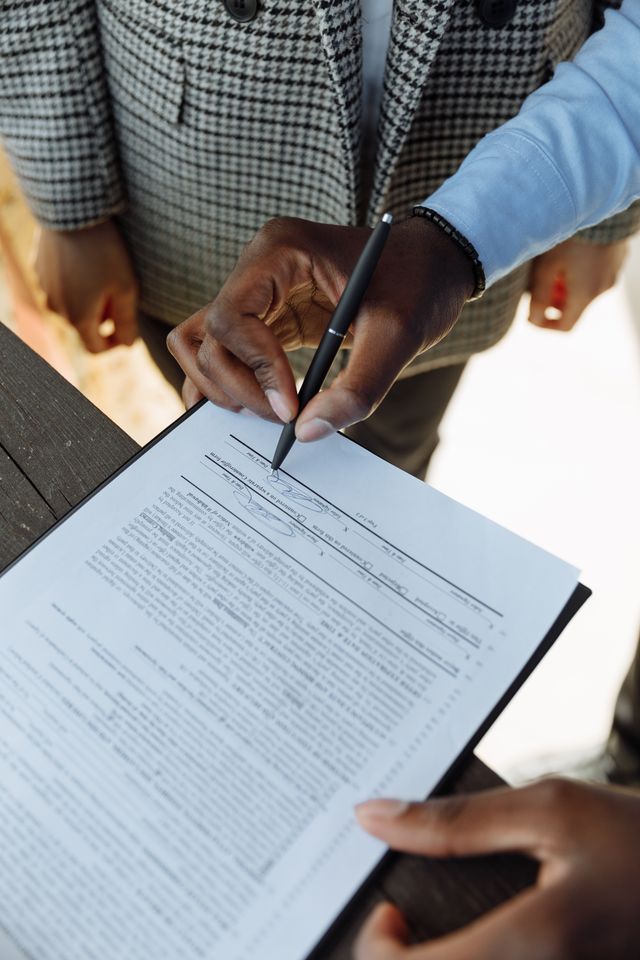
So I signed what she told me to sign. A limited power of attorney. Access to a checking account. Permission to pay contractors, utilities, property taxes, groceries, school fees, and anything Maya and Ethan needed. Every month I sent eight thousand dollars. Sometimes more. When Ethan needed speech therapy, I sent extra. When Maya’s car supposedly broke down, I sent extra. When my mother said the air conditioner failed in August, I sent extra without asking questions.
My mother always had a reason Maya could not come to the phone. Maya was at the grocery store. Maya was tired. Maya was emotional. You know how young wives are, James.
I told myself the small uneasiness in my chest was only homesickness. A man can explain away almost anything when he is tired enough.
At first, Maya called me every few days. Then once a week. Then only when my mother said she was available. Sometimes she sounded like she had been crying, but when I asked, she smiled too quickly and said the connection was bad. Ethan grew taller through a screen. His baby cheeks thinned out. His voice changed from toddler babble to careful little sentences. He called me Dad because Maya taught him to, not because I had earned it by being there.
That shame lived under my ribs. So I worked harder. Took overtime. Skipped meals when the job ran late. Slept through celebrations. Carried one photograph in my wallet until the edges went soft: Maya holding Ethan on our old apartment balcony, both of them laughing at something I could no longer remember. That was the family I was going home to.
My contract ended early on a Tuesday. No warning, no farewell. The company lost part of the project, paid us out, and sent us home in batches. Men around me cursed or cheered depending on what waited for them on the other side of the flight.
I stood in the airport in Riyadh with my duffel bag, work boots still dusty, and thought about calling Maya. Then I decided not to. For once, I wanted to surprise them.
At the airport shops, I bought a box of chocolates in a gold tin because Maya had once told me she missed the small luxuries of being remembered. I bought her a bracelet too, delicate gold links with a tiny blue stone at the clasp. It was not the most expensive thing in the store, but it looked like her. Quiet. Beautiful. Stronger than it seemed. For Ethan, I bought toys until the cashier laughed. A remote-control truck. Building blocks. A soccer ball. A little toy airplane, because I wanted to tell him that airplanes could also bring fathers home.
On the flight, I could not sleep.
Three nights before departure, sitting on my bunk with a plastic cup of coffee and a stack of old emails, I had noticed something that did not belong. A bank notification buried in a thread. A transfer from the family account to a business name I did not recognize.
Claire Elaine Interiors.
My sister did not own an interior design company. She had once painted her dining room and called herself creative, but that was the extent of it.
I logged into the account for the first time in years. It took three tries to remember the security questions. My mother had changed some contact settings, but she had not removed my name. Maybe she thought I was too tired to look. Maybe she thought a son raised to obey his mother would never question her.
The statements loaded slowly. At first I thought there had been a mistake. Then I kept scrolling.
Large withdrawals. Checks made out to Claire. Payments to luxury boutiques. Country club charges. Catering deposits. A lease payment on a Mercedes. Transfers to a savings account in my mother’s name. And mixed among all of it, tiny grocery charges. Eleven dollars. Seventeen dollars. Four dollars and eighty-two cents. A pharmacy receipt once every few months. No pediatric dental bills. No school clothing purchases. No car repair matching the amount she had asked me for. No air conditioning company. No speech therapy center.
By the time my plane crossed the Atlantic, I knew enough to be afraid.
The rideshare driver dropped me at the curb just before seven in the evening. The sky was turning a soft purple, the kind Houston gets when the heat finally loosens its grip. My house stood at the end of the cul-de-sac behind its iron gate, every downstairs light blazing. Music pulsed through the windows. Cars lined the driveway and curved along the street. Women in dresses laughed under the porch lights. Men in pressed shirts stood near the pool fence like they owned the place.
For a moment I thought I had the wrong house.
Then I saw Claire through the front window, lifting a champagne flute, her mouth open in that sharp laugh she used when she wanted everyone to know she was having a better time than they were. Beside her stood my mother. Helen wore a cream-colored dress with pearls at her ears, and around her neck was a necklace I recognized immediately. Small gold leaves. Blue sapphire center. I had sent that necklace to Maya on our anniversary two years earlier.
My mother was wearing it in my house while music shook the glass.
Something in me went very still.
I paid the driver, thanked him, and stood on the sidewalk until his taillights disappeared. Then I carried my bags toward the side path. The gate code still worked. The side yard smelled like cut grass, chlorine, and catered food. Through the dining room windows I could see silver trays, white roses, eucalyptus. The backyard was quieter, darker. The pool lights shimmered blue, but near the service entrance the porch bulb flickered weakly. Nobody had decorated that side of the house. Nobody had swept the leaves from the back steps.
That was where I heard my son’s voice.
“Mom, I’m hungry.”
I stopped so suddenly the strap of my bag slid off my shoulder.
A beat passed. Then Maya answered.
“Shh, baby. Don’t let Grandma hear. Eat this. I washed it. It won’t taste so bad.”
I moved toward the sound.
Behind the house, near the service walk where the trash cans sat, my wife was sitting on an old wooden crate. Her hair was tied back with a rubber band. She wore a faded shirt I had not seen in years and jeans loose at the waist. One arm was wrapped around Ethan’s shoulders as if she was trying to fold him into herself and hide him from the world. My son sat beside her with a plastic food container in his lap, holding it with both hands like someone had taught him not to spill a single bite. He was seven now. But he looked smaller than he should have.
Inside the house, people laughed.
Outside, my wife and child ate beside the trash cans.
Maya looked up first. The porch light caught her face. I had spent five years missing that face, and still I almost did not recognize it. It was the fear more than anything else.
Maya saw me and did not run into my arms. She froze. Her mouth parted. Her hand tightened on Ethan’s shoulder. For one sharp second, she looked like a woman caught doing something wrong. That hurt worse than any heat, any injury, any lonely night overseas.
Then disbelief came over her.
“James?” she whispered.
Ethan turned and stared at me the way children stare when they are trying to match a real face to a face they have only ever seen inside a phone.
“Dad?” he said. Small. Careful. Almost a question.
I dropped to my knees in front of him. The concrete bit through my pants, but I barely felt it. I touched his cheek. His skin was cool. Too cool for a Texas evening.
“Hey, little man,” I said, and my voice broke on the second word.
Ethan looked at Maya first, asking permission with his eyes. That nearly finished me. Then he leaned forward and I pulled him into my arms and felt bones where there should have been softness. He smelled like soap, old laundry, and something sour from the container. I held him tightly, then forced myself to ease up, because he was so still.
Maya covered her mouth with both hands.
“I didn’t know you were coming,” she said.
“I wanted to surprise you.”
Her laugh came out like a sob.
Behind us the patio door opened and music spilled into the dark. Claire’s voice carried across the yard.
“Where did that child go?”
Not Ethan. Not my nephew. That child.
A woman answered from inside: “Helen said he gets into things.”
Claire sighed. “Maya needs to watch him. This is not a daycare.”
Maya flinched. Ethan pressed closer to me.
Something inside me changed shape.
I had thought anger would be hot. I had thought it would come roaring, all fists and shouting. But what rose in me was quiet. It settled low and heavy, like a door closing forever.
Maya reached for my wrist.
“Please,” she whispered. “Don’t go in angry.”
I looked at her. My wife, sitting outside her own home like a servant waiting for permission to breathe.
“What did she do to you?” I asked.
Maya’s eyes filled.
“She said you knew,” she said. “She said you didn’t want me handling money. That you told her I was irresponsible. She said the house was in her care, and if I made trouble, she would tell you I was unstable. She said no judge would leave Ethan with a mother who couldn’t provide.”
I could not speak.
Maya looked ashamed, which was the cruelest part.
“She took my phone at first because she said I was upsetting you. Then she gave it back but checked it. She said if I told you anything, she would stop paying Ethan’s school fees. She told the neighbors I had anxiety. She told church people I was difficult. When I tried to leave, she said the car wasn’t mine, the house wasn’t mine, and I had no money.”
“She hit you?”
“No,” Maya said, too quickly. “Not like that.”
That was the sentence people used when the wounds did not bruise.
Ethan looked up at me. “Grandma says we don’t waste food. If people don’t finish it inside, Mom can wash it.”
I closed my eyes.
For five years I had poured my body into the ground overseas while my son learned to eat leftovers washed in a sink.
I reached into my travel bag and pulled out the folder I had assembled before boarding. Bank statements. Wire receipts. Account printouts. The limited power of attorney. The revocation Renee Caldwell, a Houston real estate attorney, had filed that afternoon.
“Maya,” I said. “Listen to me. You did nothing wrong.”
She shook her head.
“You did nothing wrong,” I repeated.
Her face crumpled.
I stood and helped Ethan up. His hand slid into mine, tiny and cold.
The patio door opened again before we reached it. Claire stepped out holding a champagne flute, silver dress, earrings I recognized from a department store ad my mother had once sent me by mistake. Her eyes landed on Maya first, sharpening.
“There you are,” she said. “Mom’s been looking for”
Then she saw me.
The glass slipped in her hand but did not fall.
For one second, Claire looked like a child caught stealing from the pantry. Then she smiled.
“James! Oh my God, you’re home!”
She came toward me with her arms open.
I did not move.
Her arms slowed, then dropped.
I walked past her into the house.
The party did not stop all at once. In real life, conversations die unevenly. One person notices, then another. A laugh cuts off. Someone turns down a song without knowing why. Glasses hover in midair. People look from face to face, trying to decide what they are allowed to understand.
My mother saw me last. She turned from the kitchen island with that queenly smile still in place. Then her eyes met mine. For half a second, her entire expression emptied. No joy. No surprise. No relief that her son had returned safely after five years overseas. Just calculation. Then she recovered.
“My baby,” she cried, both arms lifting.
I stepped back. The silence spread.
She stopped in the middle of the kitchen. The smile stayed, but the skin around it tightened.
I set the folder on the island. The sound was small. Everyone heard it.
“Turn off the music,” I said.
No one moved.
I looked at Claire.
She hesitated, then walked to the speaker and pressed a button. The music stopped mid-song.
My mother folded her hands.
“James,” she said, using the voice she had used when I was a boy and had embarrassed her in public, “you are exhausted. You’ve traveled halfway around the world. Go upstairs. Shower. Rest. We can talk as a family after our guests leave.”
“This is my house.”
Her nostrils flared. “Of course it is.”
“My wife’s house.”
A pause. “Of course.”
“My son’s home.”
No answer.
I turned to Ethan.
“Buddy, when did you last eat a full meal at this table?”
His fingers tightened around mine. He looked at the long dining table, then at my mother.
“Christmas,” he said.
A woman near the sink put a hand to her mouth.
My mother laughed once, sharp and false. “Children say things. They eat in the kitchen all the time.”
Maya’s voice came quietly from beside me.
“No, we don’t. We eat after. Or outside. Or upstairs if there are guests.”
My mother’s smile thinned. “Maya, you are overwhelmed. Don’t do this in front of people who care about this family.”
I opened the folder and spread several pages across the island. Wire transfer confirmations. Account statements. A stack thick enough to shame a room.
“These are the transfers I sent every month,” I said.
“A family matter,” she said.
“A theft matter.”
Claire’s champagne glass trembled.
I pulled out the account statements. “Payments to Claire Elaine Interiors. Twenty-two thousand dollars in one year. Fifteen thousand the next. Twelve after that. No website. No tax listing I could find. Just a bank account.” I continued down the page. “Houston Oaks membership. Mercedes lease. Boutique charges. A renovation invoice for Claire’s townhouse. Two trips to Santa Fe. One cruise deposit.”
My mother’s voice dropped. “You don’t understand how expensive it is to maintain a household like this.”
I looked at the silver trays lined across my counters. The wine. The flowers Maya loved but had been told were too expensive to die so quickly.
“Was my son expensive?”
Her eyes hardened. “Do not weaponize that child against me.”
That child again.
I saw Ethan’s face close.
“His name is Ethan,” I said, loud enough for every person in the kitchen to hear. “And you will never call him that again.”
Her cheeks flushed. For the first time all night the mask cracked.
“You come back after five years and think you get to judge me? I was here. I kept this house respectable. I kept your name clean. I kept your wife from embarrassing you in front of everyone.”
Maya drew a sharp breath.
I turned to her. “What did she tell you about the money?”
Maya’s eyes moved over the papers. “She said you sent enough for bills and the rest was being saved. She gave me cash for groceries if I asked right. Sometimes twenty dollars. Sometimes nothing if she decided I had been ungrateful.”
Guests had begun edging toward the door. Some wanted to leave. Others could not look away.
My mother pointed at Maya. “She is lying.”
Ethan spoke before I could.
“No, she’s not.”
The room froze. His voice was small but clear.
“Grandma says Mom lies when she cries,” he said.
Maya closed her eyes.
My mother looked at him like he had betrayed her.
I had seen enough. I pulled one document from the back of the folder. “This is the revocation of the power of attorney. Effective immediately. My attorney filed notice this afternoon.”
My mother blinked. “What attorney?”
“Renee Caldwell.”
Recognition passed across several faces. In Houston, that name carried weight.
“I also spoke with the bank,” I said. “The account is frozen pending review. Every transfer over five hundred dollars is being audited.”
Claire stepped forward. “You can’t do that to Mom.”
“I already did.”
“She’s your mother.”
“And Maya is my wife.”
My mother’s face changed at that. Not grief. Anger. As if I had named the wrong loyalty.
“She turned you against me,” she whispered.
“No,” I said. “You did.”
The doorbell rang.
A moment later, Renee Caldwell walked through the front door wearing a navy suit, silver hair cut neatly at her jaw. Behind her stood a uniformed Harris County deputy. My mother put one hand on the island.
Renee looked around the kitchen once. She took in the guests, the food, Maya’s face, Ethan’s worn shoes, the necklace at my mother’s throat. Then she set her briefcase on the island.
“Mrs. Whitaker,” she said to my mother, “you were served electronically this afternoon at the email address listed on the power of attorney. You are not on the deed. You are not a tenant. Your authority to act on Mr. Whitaker’s behalf has been revoked. You are being asked to leave the property tonight.”
Claire let out a stunned laugh. “Leave? Mom lives here.”
“No,” I said. “Maya lives here. Ethan lives here. My mother stayed here because I trusted her.”
A woman from my mother’s church, Mrs. Landry, stood slowly from her chair. “Helen,” she said, her voice unsteady, “is this true?”
My mother turned on her. “Don’t be foolish.”
That was the mistake. Helen could survive accusations. She could survive paperwork. She could even survive me coming home early. But she could not survive speaking that way to a woman whose pot roast recipe she had praised for fifteen years.
Mrs. Landry’s face hardened. She did not ask again.
People began leaving then. No stampede, just purses gathered, chairs pushed in, whispered apologies offered to nobody in particular. The women who had come to praise Helen’s generosity slipped past Maya without meeting her eyes.
My mother reached up and touched the necklace at her throat.
I held out my hand. “Take it off.”
She stared at me. “I am your mother.”
“And you wore my wife’s anniversary gift while my wife sat outside feeding my son scraps from a plastic container. Take it off.”
Her hands shook as she unclasped it. For one bitter second I remembered being eight years old and watching those same hands tie my shoes before school. I remembered her singing in the kitchen. I remembered her holding my face after my father died and telling me I was the man of the family now.
That was the cruelty of it. Bad people do not always arrive as monsters. Sometimes they are the people who packed your lunch, paid for your braces, and knew which hymn made you cry. And then one day you find out they have been using your love as a key.
My mother placed the necklace on the island. I picked it up and turned to Maya. Her eyes filled before I even reached her.
“I’m sorry,” I said. “For not seeing. For not asking better questions. For leaving you alone with someone I thought was safe.”
Maya closed her hand around the necklace but did not put it on. Some gifts need to be cleaned of the hands that stole them.
My mother left without ceremony, the deputy a patient presence behind her and Claire. At the door she paused.
“You’ll regret this,” she said.
I looked at Ethan. “No,” I said. “I already did my regretting.”
The door closed.
The house went quiet in a way that felt almost physical. The caterers stood uncertainly near the silver warmers. I thanked them and told them to leave the food.
I turned to Maya. She was staring at the dining table like it belonged to someone else.
“Are you hungry?” I asked.
She looked embarrassed. That broke something in me all over again.
“Maya,” I said quietly. “Are you hungry?”
She nodded once.
I looked at Ethan. “How about you?”
His eyes moved to my mother’s empty chair. “Can I eat inside?”
I crouched in front of him. “You can eat anywhere in this house. At this table. On the couch. On the floor watching cartoons. You are not a guest here. You are not in the way. This is your home.”
Children do not unlearn fear because of one speech. But sometimes a speech is where the unlearning begins.
I lifted Ethan into a chair at the dining table. He sat stiffly at first, as if waiting to be corrected. Maya sat beside him only after I pulled out her chair. She looked at the silverware, the folded napkin, the candles, the flowers, and then covered her face with one hand.
I set the chocolates beside her plate. “I brought you these,” I said, which was stupidly small, because sometimes love returns with gifts too little for the damage it is trying to undo.
Maya laughed and cried at the same time. “You remembered.”
“I remembered everything. Just not enough of what mattered.”
She reached for my hand. For the first time since I had arrived, she touched me without fear.
Later that night, after Ethan had fallen asleep on the couch with the toy airplane tucked under his arm, Maya told me everything. Not in order. Pain never tells itself in order.
She told me how, six months after I left, my mother had started criticizing grocery receipts. Then clothes. Then how often Maya called me. Helen said video calls made me homesick and distracted, and if Maya loved me, she would stop burdening me. Claire moved in temporarily after a breakup and never really left. When Maya complained, Helen said Claire was family and Maya was being selfish.
My mother fired the housekeeper I thought we still had, then expected Maya to clean before church friends came over. She hosted luncheons, Bible studies, charity meetings, birthday parties, and gatherings that required Maya to cook, serve, wash dishes, and disappear before dessert.
“She said people judged you by me,” Maya whispered. “She said if I looked tired, they would think you had failed.”
She told me my mother had sold her car and told me it needed too many repairs. She told me Ethan had been pulled from the private school I thought he was attending because Helen called it too expensive, then dressed him in his old uniform for video calls so the lie would hold.
I sat very still.
“She said no judge would leave Ethan with a mother who couldn’t provide,” Maya said again, like the words still lived in her throat. “I started to believe maybe she was right. You were gone so long. And every time I thought about telling you, I heard her voice saying you would think I failed.”
“You survived,” I said. “That is not failure.”
Maya cried quietly. Without covering her face. Like she was too tired to hide it anymore. I held her while she shook. I wanted to promise I could fix everything by morning, but that would have been another lie. Some damage has to be repaired in layers. Bank by bank. Meal by meal. Night by night.
So I promised the only thing I could.
“She will never control you again.”
The next morning I woke on the living room floor with Ethan asleep beside me. He had rolled off the couch at some point and curled near my shoulder, the toy airplane still in his hand. I heard Maya in the kitchen and sat up too quickly, heart lurching. Then I smelled pancakes.
She turned when she heard me. Her hair was down. She wore one of my old shirts from the laundry room. The tightness around her mouth had softened.
“I wanted to make breakfast,” she said. “For us.”
Ethan woke to the smell and sat up rubbing his eyes. “Pancakes?”
“With chocolate chips.”
He looked at me. “Is that okay?”
“Yes,” I said, keeping my voice steady. “That is very okay.”
He ate three. Maya ate two. I spent most of breakfast watching them breathe.
Renee returned at nine with a locksmith, a bank representative on speakerphone, and a calm list of steps. Locks changed. Gate code changed. Security system reset. Credit reports pulled. New accounts opened. Old cards canceled. School records requested. Medical appointments scheduled. The bank review took weeks. People who love dramatic endings do not like paperwork, but paperwork is where power lives. Receipts. Dates. Transfers. Documents that do not cry, flatter, or forget. Renee traced everything. My mother had not just spent money. She had built a whole life out of it, paid Claire’s debts, renovated her townhouse, funded church events under her own name, made donations that got her thanked from pulpits. She used my money to become generous in public while being cruel in private.
The worst discovery came from a storage closet behind the laundry room. Maya found the boxes while looking for old towels. Inside were things I had sent over the years. Dresses for Maya. Shoes for Ethan. Birthday cards. Toys. A winter coat with a dinosaur hood that Ethan had once mentioned wanting. All of it unopened. Stacked. Hidden. My mother had received them, thanked me, sometimes even sent photographs of Ethan supposedly loving them, then locked them away.
Maya sat on the laundry room floor surrounded by stolen birthdays and cried so hard she could not breathe. I sat beside her and opened every box.
Ethan found the dinosaur coat. It was too small now. He held it against his chest anyway.
“Was this mine?” he asked.
“Yes.”
“Can I keep it?”
I swallowed the knot in my throat. “Of course.”
Two weeks after I came home, we took Ethan to a real school. Maya and I walked him in together. At the classroom door he held my hand so tightly my fingers ached.
“What if I do it wrong?” he asked.
“You won’t.”
“But what if I do?”
“Then we’ll help you.”
He looked at Maya. “Both of you?”
She crouched in front of him. “Both of us.”
Something shifted in his face. Not a full smile. Just the beginning of believing something.
After drop-off we sat in the car and did not drive away. Maya watched the school doors.
“I used to dream about this,” she said. “Coming home without being afraid of what mood your mother was in.”
“We’re going to have a lot of ordinary days,” I said.
She smiled. “That sounds nice.”
Ordinary became our work. We bought groceries together, not with cash Helen handed out like charity but with a debit card in Maya’s own name. We took Ethan to the dentist. Two cavities, one infection. Maya touched my arm when she saw my face in the waiting room.
“Don’t disappear into guilt,” she said.
So I stayed. I learned Ethan’s teacher’s name. His favorite cereal. The way he liked the hallway light left on but pretended he didn’t. I put the bracelet in Maya’s drawer and told her it could wait.
My mother called dozens of times. I did not answer and forwarded every text to Renee.
The lawsuit became local gossip. My mother could not resist telling her version, and it grew each time. The problem with lies is that they require cooperation from reality. Reality had bank statements, school records, photographs online of my mother wearing my wife’s necklace at a charity event. By December the church removed Helen from two committees pending review. That word did more damage than any insult I could have thrown. Not condemnation. Not scandal. Just the possibility that she might not control the story.
We reached a settlement in January. My mother agreed to repay a substantial portion through the sale of her condo. Claire agreed to repay what could be traced to her, which meant selling the townhouse she had bragged about. A confidentiality clause was proposed.
I refused.
Maya asked afterward why I refused.
“Because silence is how she kept doing it,” I said. She looked out the window for a long time. Then she nodded.
Spring came slowly that year. The neighborhood continued being a neighborhood, because that is what neighborhoods do. Scandal fades. Grass grows. HOA emails resume. Someone complains about a basketball hoop.
But inside our house, life changed in ways both small and enormous.
Maya chose new curtains. Not expensive ones. Just hers. She cut her hair to her shoulders because Helen had always told her long hair looked more appropriate. She opened a small baking business from our kitchen after neighbors, perhaps trying to repent, began ordering cakes and cookies. By summer she had a waiting list for birthday cakes and lemon bars people called better than bakery ones.
The first time Maya received payment through her own business account, she stared at the notification on her phone. Then she smiled. Not big. But real.
Ethan gained weight. His cheeks filled out. He still hid snacks in odd places for a while, granola bars under his pillow, crackers in a shoebox, apple slices wrapped in napkins in his backpack. We did not scold him. We put a snack basket on the counter and told him it was always available. For weeks he checked it every morning. One day he stopped checking. That was the day Maya cried in the pantry where he could not see.
I sold the house eventually. Maya chose what to keep and on closing day stood with me in the empty living room.
“You okay?” she asked.
“I thought this house meant I had made it.”
She took my hand. “You came home. That matters more.”
We bought a smaller place forty minutes away. A brick ranch with a big oak tree, a kitchen that needed updating, and a backyard where Ethan could kick a soccer ball into the fence without anyone worrying about appearances. The neighbors asked normal questions. No one knew Helen.
That was a gift.
The first Saturday in the new house we painted Ethan’s room blue. He got more paint on himself than the wall. Maya laughed so hard she had to sit down. I stood holding a roller, watching blue fingerprints appear on the old hardwood floor, and for once I did not think about money.
That evening we ate pizza on paper plates in the living room because the dining table had not arrived. Ethan looked around.
“This house is smaller,” he said.
“It is,” I said.
He nodded thoughtfully. “Good.”
Maya smiled. “Good?”
He leaned against her shoulder. “I can find you faster.”
That became the sentence I carried.
Not the bank statements. Not the lawsuit. Not my mother’s threats.
I can find you faster.
One evening near the start of summer, traffic pushed us past the old neighborhood on the way home from Ethan’s soccer game. The mansion appeared at the end of the cul-de-sac, iron gate shining in the afternoon sun. New flowers by the porch. A child’s bike on the lawn. Wind chimes near the back patio.
Ethan looked out the window. “Is that the old house?”
“Yes.”
“Do you miss it?”
I looked at Maya. She was watching the house, but her face was calm.
“No,” I said. “Not anymore.”
Ethan nodded. “Me neither.”
We drove on.
That night, after dinner, Ethan brought me the toy airplane from Riyadh. The tape on the wing had yellowed. One wheel was missing.
“Can we fix it again?” he asked.
We sat at the kitchen table with glue and a tiny screwdriver from the junk drawer. Maya rolled dough nearby. The radio played low. Outside, cicadas buzzed in the dark.
Ethan watched me tighten the little screw.
“Dad?”
“Yeah?”
“When you were on the airplane coming home, did you know?”
“Know what?”
“That you were going to find us.”
My throat tightened. “No,” I said. “I didn’t know.”
He thought about that. “But you did.”
“I did.”
He leaned closer, satisfied with the repair.
“Good,” he said.
Then he picked up the airplane and flew it across the kitchen, making engine sounds, while Maya laughed and told him not to crash into the pie.
I sat there with my hands still smelling faintly of glue and understood something I wish I had known years earlier.
Providing is not the same as protecting. Trust is not a substitute for attention. And sometimes the person standing closest to your front door is the one you should have questioned first.
I still work construction, but in Texas now. Smaller jobs. Honest hours. I come home dirty most evenings and Ethan meets me at the door. Maya’s baking business has taken over half the kitchen, and I complain about powdered sugar on the counters only when I want her to throw a towel at me.
On Sundays we eat breakfast late. Sometimes pancakes, sometimes cereal straight from the box, because ordinary families are allowed to be lazy.
Every now and then Ethan asks if there is food left whether we should save it. We always answer the same way: only if you want to. The first time he scraped leftovers into the trash without checking our faces first, Maya looked at me across the kitchen and we both understood.
Not waste.
Safety.
That was worth more than every mansion I had ever paid for.

Ethan Blake is a skilled Creative Content Specialist with a talent for crafting engaging and thought-provoking narratives. With a strong background in storytelling and digital content creation, Ethan brings a unique perspective to his role at TheArchivists, where he curates and produces captivating content for a global audience.
Ethan holds a degree in Communications from Zurich University, where he developed his expertise in storytelling, media strategy, and audience engagement. Known for his ability to blend creativity with analytical precision, he excels at creating content that not only entertains but also connects deeply with readers.
At TheArchivists, Ethan specializes in uncovering compelling stories that reflect a wide range of human experiences. His work is celebrated for its authenticity, creativity, and ability to spark meaningful conversations, earning him recognition among peers and readers alike.
Passionate about the art of storytelling, Ethan enjoys exploring themes of culture, history, and personal growth, aiming to inspire and inform with every piece he creates. Dedicated to making a lasting impact, Ethan continues to push boundaries in the ever-evolving world of digital content.