When I turned off the county road that Saturday morning, the tires of my old SUV crunched over the gravel in a way I had always loved. That sound used to mean I had made a good choice.
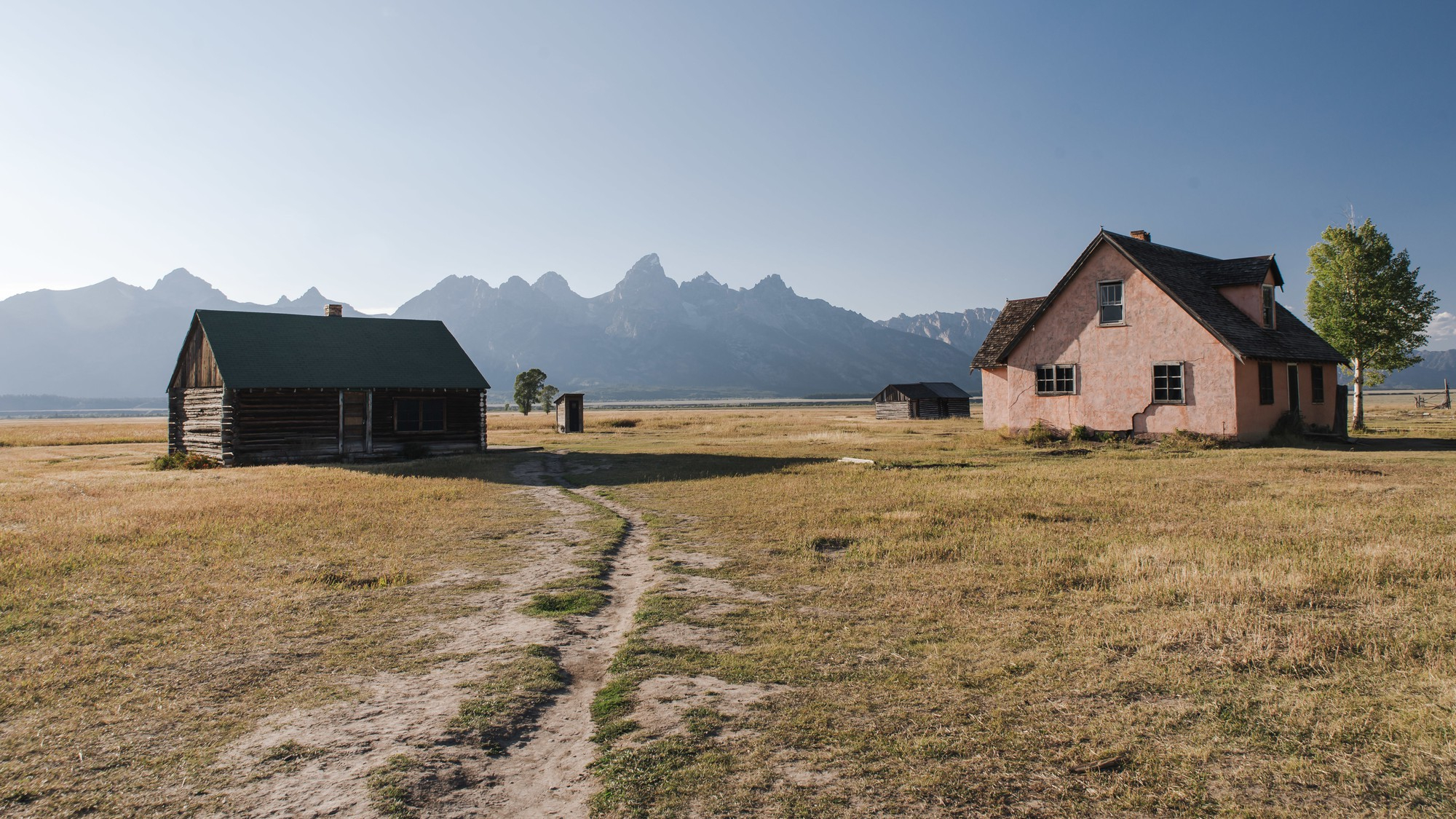
The property was five acres outside town, with a narrow driveway lined on both sides by orchard trees that were just starting to turn. A small three-bedroom farmhouse with white siding, a deep front porch, and a kitchen wide enough for sunlight to spill across the floor by noon. When I bought it, I imagined my daughter standing at that window with a cup of coffee in her hand, finally safe. I imagined tomato plants behind the garage. I imagined her laughing again, the real kind, the kind that doesn’t apologize for itself on the way out.
The air that morning smelled like damp leaves, cut grass, and the faint sweetness of fruit softening in the orchard. A little American flag hung by the porch post and moved gently in the breeze.
Everything outside looked peaceful.
That was what made the inside feel so wrong.
I parked beside the mailbox and sat for a moment with both hands on the steering wheel. I was seventy years old, with knees that ached whenever rain was building. I had driven out with a bag of peaches, two jars of soup, and a small envelope of grocery coupons, because that is the kind of thing mothers do when they do not want to arrive empty-handed. I had not expected to arrive at a battlefield.
The screen door tapped in the breeze when I walked up. Nobody answered when I knocked. The front door was unlocked, so I stepped inside and heard the television before I heard my daughter. Then I saw her.
Sasha stood at the kitchen sink with both hands sunk in gray dishwater. Her shoulders were folded inward, and her face was turned slightly away from the living room as though she was trying to press herself into the tile backsplash. She was crying, but not the kind of crying that asks for anything. She was crying the way women cry when they have already learned to keep working through it, tears sliding down her cheeks while she scrubbed a plate that was already clean. Her hair was in a crooked ponytail. Her sleeves were wet past the wrists. The skin beneath her eyes was dark and swollen in the way of someone who had not slept properly in days.
My daughter was forty-three years old. In that moment she looked the way she had at nine when she fell off her bike and tried not to cry because other children were watching.
Behind her, the living room was full of people.
Not one guest. Not a couple stopping by. Eight people had arranged themselves across my daughter’s house as though it belonged to them, which they appeared to have decided it did. Omar’s mother, Denise, was stretched across the couch with a throw pillow tucked behind her back like she was testing the amenities in a hotel. Omar’s sisters, Taylor and Morgan, were on the far end of the room with their feet on the coffee table and paper plates balanced in their laps. Omar’s brother Derek was somewhere near the hall with his wife, and their two children were running circuits through the house. One child had a cookie in each hand. The other had a plastic truck he was slamming repeatedly into the baseboard with the focused persistence of someone who has been told nothing is off limits.
Crumbs on the rug. A sticky handprint bright on the wall beside the hallway. No one corrected the children. No one looked at the handprint.
Taylor called toward the kitchen without looking away from the screen: “Sasha, where’s the sugar?”
Denise held up her plate. “These eggs are cold. Make me new ones.”
Morgan kicked one heel against the coffee table and laughed at something.
Sasha wiped her cheek with the back of her wrist and reached for another pan.
Rage does not always come like thunder. Sometimes it arrives very quietly, and that quietness is how you know it is real, how you know it has moved past the part of the brain that manages presentation and settled into something older and more decisive. I stood in the kitchen doorway with my tote bag in my hand and felt the room narrow around me. The television sound went thin. The smell of grease and dish soap thickened in my throat. My fingers tightened around the leather strap of my purse until I could feel the cut of it.
This was not what I bought the house for.
Let me tell you why I bought it.
Eighteen months before that morning, Sasha had left her first marriage. She had been married for eighteen years to a man who never struck her, which made some people think she should have been grateful, because they had decided that the absence of violence was the full definition of a good marriage. Those people have not watched a person get erased one small insult at a time.
Her ex-husband ignored her for days when he was angry, the kind of silence that says you are not worth addressing. He hid bills and then blamed her for not knowing about them. He called her dramatic when she cried and useless when she stopped crying. He convinced her over the course of eighteen years that she was difficult, that her needs were excessive, that she was lucky he tolerated her at all. When she finally asked for a divorce, he fought for everything he could reach: the house, the savings, the car I had bought her for her thirtieth birthday, which became part of a dispute because his name had been connected to the insurance. He fought not because he wanted those things but because making her fight for them was one last way to make her feel she had no right to anything.
When Sasha came to my apartment, she had two suitcases, a folder of papers, and a face so empty it frightened me. For weeks she apologized before taking anything from my refrigerator. She folded my towels without being asked. She jumped when my phone rang. She started every sentence with I’m sorry to be a burden, and the worst part was that she meant it, because eighteen years of being told she was a burden had made her believe it.
A person can leave a cruel house and still carry the rooms inside her.
I had spent thirty years doing bookkeeping for a small medical office. I was not wealthy. I knew how to stretch a chicken into three meals and which day the grocery store marked down meat and which bills could wait three days and which ones could not. Over those thirty years I had saved five thousand dollars, carefully, in the particular way of someone who has accepted that the margin for error is narrow and who therefore leaves no gap. I had saved it because I did not want Sasha to have to worry about me when my body slowed down. I wanted to be something other than a problem when that time came.
But watching her move through my apartment like a person who had forgotten she was allowed to take up space, I understood what the money had actually been for.
I started looking at property listings. I did not tell Sasha for several weeks, because I did not want to raise a hope and then have to explain why it had not worked. I went through the county real estate database on my laptop in the evenings after dinner, looking for something with enough land to feel like space but close enough to town that she could work and buy groceries without a long drive. I looked at forty-three properties over six weeks. Most of them were too expensive, or too close to neighbors, or in neighborhoods that had the particular feeling of places where a woman alone might not feel entirely easy. Three of them were right in most ways but wrong in one critical one.
The farmhouse was the forty-fourth.
The farmhouse cost fifty-two thousand dollars, which required draining my savings completely and taking out a small bank loan. I sat with the loan paperwork for three days before signing it, not because I doubted the decision but because I had learned over thirty years of bookkeeping that the only responsible way to make a large financial commitment is to sit with the full weight of it and make sure you still want to proceed once you’ve felt it. I still wanted to proceed.
The building was not immaculate. The porch boards needed sanding. The upstairs bathroom had a faucet that squealed. The garage door stuck in cold weather. But the property had five acres, fruit trees, and quiet, and most importantly it had the one thing my daughter had not had in years: a place where nobody had the legal or moral authority to order her out.
I signed the papers at 9:12 on a Tuesday morning and kept every document in a blue folder labeled in capital letters: DEED, LOAN, TAXES. The county clerk stamped the transfer with Sasha’s name only. Not mine, not any future partner’s name, not a joint anything. Only Sasha.
When I handed her the keys, she held them in both hands as though they were something fragile.
“It’s really mine?” she said.
I put my arms around her and told her yes.
She cried into my coat for a long time. My collar was damp when she finally pulled back. I did not mind at all. Those tears sounded like a beginning.
For a while, the house did what I had hoped it would do.
Sasha painted the kitchen a soft yellow. She bought tomato plants and put them in buckets behind the garage. She called me one Sunday just to tell me she had slept eight hours with the window open, and in the telling of it her voice had the particular quality of someone recovering something they had stopped expecting to have. That was the first time I heard her laugh without apologizing afterward.
Then she met Omar.
I tried to like him. I genuinely did. He was polite at the beginning, calling me ma’am and carrying grocery bags once when he knew I was watching, telling Sasha she deserved a peaceful life. He said all the things a person says when they are standing outside the door and have not yet revealed what they intend to bring in with them. Peace is an easy word to use when you are auditioning for someone’s trust. The test is what comes through with you once the trust is given.
What Omar brought in, eventually, was his family.
It began the way these things always begin: with what sounds reasonable. Denise needed somewhere to stay while her apartment was being painted, just one weekend. Then Taylor had a fight with her roommate and needed a few nights. Then Derek required a temporary place for himself and his wife and their two children, also just briefly, just until something sorted itself out. Omar told Sasha she was being selfish when she hesitated. He told her that family helped family, that she had more space than she needed, and that after everything she had been through, he would have thought she would be more compassionate.
That last sentence is worth examining, because it is a precise piece of cruelty. It took the vocabulary of her healing and turned it against her. It made her hard-won ability to hold a boundary sound like evidence that she had become cold. It used her past pain as a lever to open the door wider. And Sasha, who had spent eighteen years being told that her instincts were wrong and her discomfort was selfishness, had not yet rebuilt enough confidence in her own perceptions to push back.
So the door stayed open, and then open a little wider, and then wider still.
By the time I walked in that morning, three weeks had passed. Eight people were occupying my daughter’s home. A chore list in Denise’s handwriting was on the refrigerator, with Sasha responsible written at the bottom. There were extra shoes piled by the front door, backpacks by the stairs, a school notice with Derek’s child’s name on the breakfast bar. Someone had moved Sasha’s framed photograph of the orchard from the side table and replaced it with a stack of takeout menus. The laundry basket in the hallway overflowed with clothes that did not belong to Sasha.
I took a photograph of the chore list while nobody was looking. That is the habit of a bookkeeper: when something is wrong, document it before anyone has time to clean it up.
Denise noticed me then. Her eyes moved across my plain coat and old sneakers and tote bag with a single assessing glance, and then she called toward the kitchen, not hello, not good morning, just: Sasha, your mother is here.
The way Sasha said Mom when she turned around told me everything. There was relief in it and fear in it and shame, and the shame made me angrier than anything else I had seen that morning, because she had done nothing wrong and somehow they had made her feel caught.
I set the peaches on the counter.
Omar appeared from the back bedroom in sweatpants and a T-shirt, wearing the smooth, practiced smile of a man who has worked out how to stay unbothered. He said he hadn’t known I was stopping by, as if this were a hotel with a guest register.
I asked how long they had been there.
Sasha said three weeks before he could redirect the conversation.
Denise sat up and said that family helped family.
I looked at the sink full of dirty dishes, at the cold eggs Denise had demanded remade, at the chore list, at the children running uncorrected through rooms my daughter had once kept orderly because order made her feel safe after years of chaos.
I said that family didn’t turn one woman into staff.
Taylor scoffed. Morgan rolled her eyes. Derek’s wife appeared in the hallway and folded her arms. Omar moved toward me with his smile adjusted to the version meant to signal that we were all adults here and there was no need for anything to escalate.
He said: let’s not make this dramatic.
That sentence has always told you everything about the person using it. It only gets said when someone wants the quiet person to stay quiet, when the person called dramatic is actually the person noticing something real.
Denise stood and said Sasha didn’t mind.
Sasha’s hands were still in the sink. Water dripped from her wrists onto the floor. She did not look at Omar. She looked at me. And she said, in a voice just above a whisper: I do.
The television kept playing.
I reached into my purse and pulled out the blue folder.
Omar’s smile tightened before I opened it. Not dramatically, just slightly, in the way that a face changes when the body has understood something the brain hasn’t quite finished processing. Denise looked at the folder with the sharp attention of someone who had not anticipated paperwork.
That was their first mistake. They had mistaken kindness for weakness. They had arrived at an old woman with soup and a tote bag and decided that was the whole of her.
I laid the deed transfer on the counter. Then the loan agreement. Then the property tax receipt. Then I turned my phone around and showed the photograph of Denise’s chore list.
This house belongs to my daughter, I said.
Denise laughed, thin and dismissive, and said Sasha had invited them.
Sasha pulled her hands from the sink. Her fingers were waterlogged and wrinkled. Her voice shook, but it came out. She said she hadn’t.
The room held still.
I did not shout. I did not give anyone anything they could use afterward to make me look unstable or controlling. I took my phone, called the non-emergency sheriff’s line, and reported unwanted guests refusing to leave a property they did not own.
The dispatcher asked if anyone was in immediate danger.
I looked at my daughter.
Not anymore, I said.
Then I opened the front door.
What followed was loud. Denise shouted first, then Taylor, then Derek’s wife said it was cruel, while Derek himself argued he had nowhere to take the children. Morgan pointed her phone at me like the camera was evidence of something. Omar kept his voice low throughout, which was the most telling thing about him. He said Sasha’s name quietly, repeatedly, with the specific practiced softness of a man who has learned that quiet control is harder to argue with than noise. He said: tell her to stop.
Sasha stood for a moment. I could see the old reflex in her, the trained instinct to smooth things over, to absorb the discomfort, to apologize her way back into being liked. Old fear has muscle memory.
Then she reached for a dish towel, dried her hands, and walked to the doorway.
You need to leave, she said.
Not loud. But hers. And that made it powerful in a way that volume never could have.
Five minutes later, all eight of them were on the gravel.
A sheriff’s deputy arrived as they were loading into their cars, and during the commotion something happened that I had not anticipated.
Derek had been guarding a plastic storage bin with the self-conscious attention of someone who does not want you to notice what they are paying attention to. The deputy noticed. When he asked Derek to step back from it, Derek’s grip tightened on the lid, and Omar said his brother’s name sharply, one syllable, too quickly, and that particular combination of behavior was sufficient to make the deputy ask to see the contents.
The lid popped. A stack of mail slid across the gravel. White envelopes, a bank notice, a change-of-address form, and a folded document with Sasha’s signature reproduced at the bottom.
Sasha made a sound like all the air had been pushed out of her.
The deputy picked up the folded page and looked at it carefully. Then he asked Sasha if she had authorized it.
No, she said.
Omar’s color left him. Denise stopped talking. Even Morgan lowered her phone.
The document was a residency and mailing-address claim. Not sufficient on its own to transfer ownership of anything, but sufficient to create confusion in the paperwork. Sufficient to muddy billing records. Sufficient for someone to argue later that they had been established residents with permission. Sufficient to make a woman who was already uncertain about her own rights doubt them further.
That is how it works, often. Not a kicked-down door. A coat hung inside, mail received, food eaten, labor extracted, and then genuine offense when the person whose house it is remembers that it has a lock.
The deputy photographed the documents on the gravel. He noted the names on the mail. He asked Sasha whether she wanted the unauthorized guests removed.
She looked at Omar. I watched it happen, the old negotiation, the weighing of what she owed against what she was allowed to want. Then she looked at me. I did not nod. I did not prompt her. This had to be hers.
Yes, she said.
They left under the deputy’s observation. Denise called me controlling. She said mothers like me ruined marriages. Sasha flinched at first, and then she reached behind her and closed the screen door. The small click of the latch was the quietest sound of the morning and the most final one.
Omar tried once more from the driveway, his voice soft: Sasha, you don’t want to do this.
She looked at him through the screen. I didn’t want any of this, she said.
He had nothing for that.
Inside, after they were gone, the silence was enormous. The television was still running. A pan sat cooling on the stove. The sink was full. The chore list was still on the refrigerator. Sasha walked to it, pulled it down, and stood there looking at it. Then she tore it in half, and in half again, and again, and dropped the pieces in the trash.
She stood over the trash can with her hands shaking and her breathing uneven, and I thought she might cry. Instead she just breathed.
I started washing dishes.
She turned quickly. Mom, you don’t have to.
I know, I said.
I handed her a dish towel.
We washed them together. Not because dishes are important, but because for three weeks she had been washing everyone else’s mess alone, and that day she did not have to.
By late afternoon we had changed the locks. I called the loan officer who had handled the original purchase and asked what steps Sasha needed to take to protect her mailing address and property records. We made copies of the deed. We wrote down the deputy’s report number and the time of every event since I had arrived. We saved the photograph of the chore list and the photograph the deputy had taken of the documents on the gravel.
At 6:40 in the evening, Sasha sat at the kitchen table with her hair down and her hands wrapped around a mug of soup and finally talked through the full sequence of it. How it began with Denise and one weekend, then expanded through each sibling as their separate reasons arrived. How Omar called her selfish when she hesitated and compassionate when she complied. How the laundry list had appeared on a Tuesday, the cold eggs on Wednesday, and by Friday Omar told her she was embarrassing him by being tense around his family.
She said she had thought about calling me but was afraid I would be disappointed in her.
For what? I asked.
For letting it happen again, she said.
That broke something in me more thoroughly than anything else that day. Because the broken thing it reached was the part I had been quietly afraid of since she came to my apartment the first time, since I watched her apologize before opening my refrigerator. The fear that the damage went so deep she would always find her way back to it.
I put my hand over hers on the table. Her fingers were still rough from dishwater.
You didn’t let anything happen, I said. They pushed until something gave. Those are not the same thing.
She cried then. The loud kind, finally. The kind that asks to be heard rather than apologized for.
I stayed the night. Every sound made her sit up at first, a branch against the window, the ice maker, a car on the road. But nobody came back.
The next morning she called Omar and put him on speaker. He moved through his stages in order: first the apologies, then the blame, then the tears, and when none of those produced the outcome he was managing toward, he arrived at anger, which was the realest thing he had shown her in their entire relationship. When he finally said she owed his mother an apology, she hung up.
I refilled her coffee. Some victories are too tender for applause.
Over the following week, she made the calls herself. She contacted the post office about the unauthorized mail. She asked the deputy how to add the document issue to the formal report. She checked her credit. She went to the county clerk’s office and asked what mechanisms existed to protect the property record going forward. She was not fearless about any of it. Her hands shook on the phone more than once. But she was exact. She was careful. She was learning that paper could protect peace in situations where love had failed to.
When Omar came with the deputy present to collect his things, a duffel bag and two boxes and some tools that Sasha confirmed were his, Denise stayed in the car and did not look toward the porch. Taylor did not come. Derek sent a message later about the storage bin, and Sasha sent one sentence back: speak to the deputy about the documents. Then she blocked him.
The house changed slowly after that. She washed every blanket. She threw away the broken truck the children had left. She moved her orchard photograph back to the side table where it belonged. She took down Omar’s jacket from the hook by the door, put it in a box, and set the box outside. On Monday she painted over the scuff marks in the hallway. By Wednesday she had replanted the tomato buckets that had been knocked sideways near the garage. On Friday evening she opened the windows, and the air that came through smelled of soup and clean laundry and the particular freshness of June, with no grease in it, no dish soap, nothing that belonged to anyone else.
A week after everything, she called me from the kitchen.
I picked up braced for another crisis, the way you brace for them after a hard stretch, the way every ring sounds like the beginning of a new emergency.
Her voice was quiet. Not distressed quiet. The other kind.
Mom, she said, I slept until eight.
I sat down on the edge of my bed.
That’s good, I said. My voice came out rougher than I intended.
She laughed once. Not a big laugh, not healed, not the kind you perform to reassure someone watching. Just real.
After all of it, the thing that stayed with me was not Denise’s face when the cruiser pulled up, or the way Omar’s color left him when the documents slid across the gravel, or even the three words I said at the gate before I closed it.
It was Sasha at her own sink, tearing that list into pieces.
Because that was the moment the house became hers again. Not because of the deed, not because of the county stamp, not because I had spent my savings and taken out a loan and driven out with peaches and soup and a blue folder. Those things mattered. But a home is not truly yours until your own voice is allowed to live in it.
For three weeks, eight people had occupied my daughter’s house and occupied her sense of her own rights along with it. They had used the vocabulary of family and compassion to make her doubt what she was allowed to want. That is not an unusual tactic. It works on people who have been trained out of trusting their own perceptions.
But one locked gate and one blue folder and one word she said to a deputy on her own porch without anyone prompting her had started her back.
She did not owe them the house.
She did not owe any man the right to turn her safety into his family’s convenience.
The orchard is coming along now. The tomatoes behind the garage produced their first real batch in August. Sasha keeps the blue folder in the top drawer of the kitchen desk, the one where the mail goes and the keys go and the ordinary documents of a daily life that is hers.
Every now and then, when I visit, I see her glance toward that drawer before she smiles.
Not because she is afraid.
Because she remembers.
And the remembering keeps it hers.

Adrian Hawthorne is a celebrated author and dedicated archivist who finds inspiration in the hidden stories of the past. Educated at Oxford, he now works at the National Archives, where preserving history fuels his evocative writing. Balancing archival precision with creative storytelling, Adrian founded the Hawthorne Institute of Literary Arts to mentor emerging writers and honor the timeless art of narrative.