My name is Myra Seward. I was thirty four years old when I learned that the spare key I had given my parents for emergencies had become, in their minds, permission to rearrange my entire life while I was thousands of miles away.
I was in Singapore on the biggest business trip of my career when my phone buzzed with a Ring notification. Motion detected at the front door. At first I assumed it was a delivery driver, maybe a neighbor, maybe mail left too close to the porch. I was sitting in a hotel room at Marina Bay Sands with my laptop open, reviewing slides for a presentation that could change the next decade of my career. My blazer hung over the chair. My notes were spread across the desk. Outside the window, the city glittered like something from another life entirely.
Then I opened the app. My parents were inside my house. Not outside. Inside.
My mother, Donna, stood in my kitchen opening cabinets. My father, Gerald, walked toward the hallway with a measuring tape in one hand and his phone in the other, as though he were documenting a property he had every right to inspect. For one second my mind tried to rescue them. Maybe there had been an emergency. Maybe a pipe had burst. Maybe my neighbor Rachel had called them because something looked wrong. I almost hit the call button. Almost. Instead I rewound the footage.
The first clip began at 2:47 in the afternoon Denver time. My mother unlocked my front door with the spare key I had given her two years earlier. She stepped inside without hesitation, my father trailing behind her, and the two of them moved through my home as though they were touring a rental property. She measured the basement. She opened closets. She checked the water pressure in the bathroom. My father took notes. Then I heard his voice, low and uncertain, ask whether I would really be okay with this.
My mother laughed. Not loudly, not cruelly, just dismissively, the way you’d laugh at someone asking whether the sun would rise in the morning.
“Gerald, please. Once everything is here, she will not make a scene. She will just accept it. You know how she is.”
I sat frozen with the phone in my hand. She will just accept it. You know how she is. I replayed that sentence three times, not because I didn’t understand it, but because I finally did. That was the story of my entire life compressed into a single, careless sentence.
Growing up as the oldest child in the Seward family had meant learning to figure things out yourself. When I was sixteen, my younger brother Kyle got a brand new Ford Mustang for his birthday, cherry red, leather seats, the whole production, along with a party for thirty of his friends and a cake shaped like a steering wheel. When I turned sixteen two years earlier, I got a used Honda Civic I paid for myself, half from babysitting money, half from a loan my father reluctantly co-signed, and a birthday dinner at Applebee’s with four friends. I never complained. That became the pattern. Myra doesn’t need anything, my mother would tell relatives at Thanksgiving, waving her hand as though she were paying me a compliment. She’s so independent. So strong. People heard praise. I heard the truth sitting underneath it. Myra won’t make a fuss, so we don’t have to try.
By the time I graduated from the University of Colorado with a computer science degree, I had learned to expect nothing from anyone. I paid off forty seven thousand dollars in student loans by myself, over six years, three roommates, a secondhand couch, more skipped vacations than I could count. Kyle, meanwhile, dropped out of community college twice, got rescued from credit card debt three separate times, and still somehow remained the child my parents described as full of potential. When I found out one Christmas that my mother had quietly been making his minimum payments for eighteen months, I said nothing. That was what strong daughters did. They absorbed. They accommodated. They accepted. I spent thirty four years believing my silence was strength. I did not realize it was simply convenient for everyone except me.
By that March I had built a life that should have made my family proud, if they had ever bothered to actually understand it. I was a senior cybersecurity consultant at Sterling Cyber Solutions, one of the top security firms in Denver, having worked my way up from junior analyst over seven years. My name was on published white papers about enterprise security protocols. I had presented in rooms full of executives who listened to me more carefully than my own family ever had. None of it mattered to them. To my parents I was still Myra in Colorado, the daughter who moved away, the one who was too busy with computer stuff, the one who didn’t come home for every holiday.
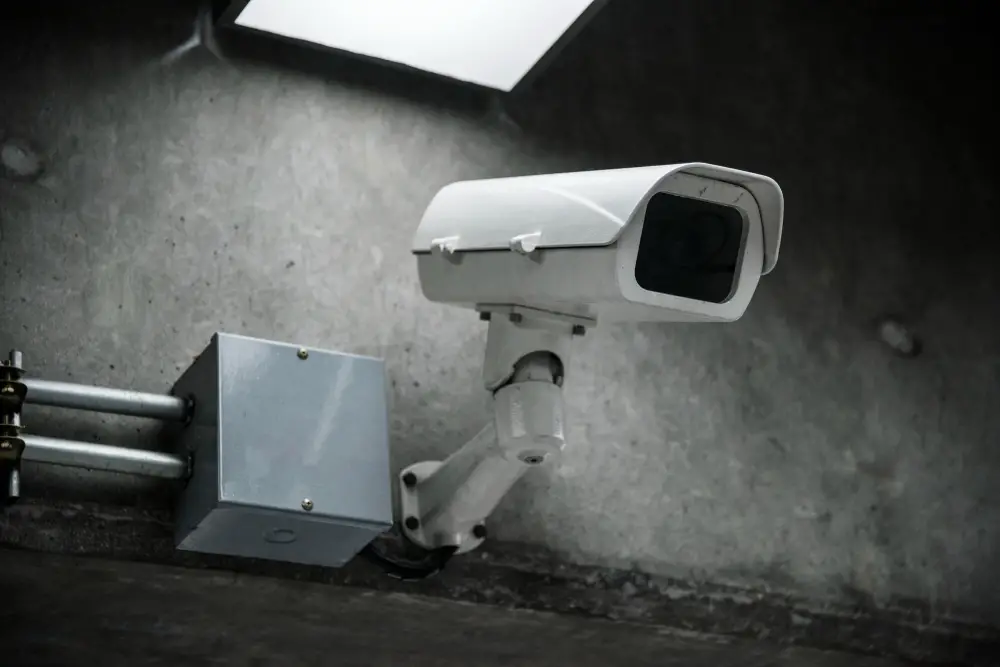
In 2021 I had bought a three bedroom home in Aurora, just outside Denver, with a two car garage, a finished basement, and enough sunlight in the living room to make every cold morning feel softer. I put down ninety seven thousand dollars from savings built over a decade. The mortgage was in my name alone. No one helped. No one co-signed. No one paid the closing costs. It was mine, the first major thing I had ever owned that nobody else could claim credit for. The month I moved in, I installed a Ring security system, six cameras including two inside, since I traveled often and lived alone. I thought I was protecting myself from strangers. I never imagined the real threat would walk in with a spare key and call me sweetheart at Christmas.
My mother, Donna Seward, was fifty nine that year, and had spent three decades building her reputation at Hillcrest Country Club back in our hometown. She chaired galas, organized golf tournaments, sat on the welcoming committee for new members. Her entire identity was wrapped around the image of a perfect family, successful husband, accomplished children, a Christmas card people remembered. Only part of that image was real. My father had retired from a middle management job four years earlier and was quiet in the way people sometimes mistake for kindness. He would rather mow the lawn than confront my mother about anything, and I had stopped counting on him for backup somewhere around age twelve. My brother Kyle was thirty one and had held six different jobs in eight years, never for more than eighteen months, and every time he quit or was let go, my mother found a reason it wasn’t his fault. Bad management. Difficult coworkers. Bad timing. By that March, Kyle was unemployed again and three months behind on rent, his girlfriend Brittany also out of work, their landlord already starting eviction proceedings.
Three weeks before my trip, my mother called with a suggestion. I had all that space in my house, she said, and Kyle just needed a few months to get back on his feet. I said no, politely and firmly. There was a pause on the line, the kind she used when she wanted me to fill it with guilt. I didn’t. She sighed, said something about family helping each other, and hung up without saying goodbye. I assumed that was the end of it. I was dangerously wrong.
The week after that call, my boss pulled me into his office with news that changed everything. David Morrison, director of client solutions, slid a folder across his desk. Meridian Financial Group, a Singapore based investment firm expanding into the American market, needed a complete security overhaul, worth two point three million dollars over three years, the biggest deal Sterling had ever pursued in that region. I’d fly out March first, twelve days on site, and if I closed it, senior manager and a forty five thousand dollar bonus were waiting. I told David I wouldn’t let him down. I emailed my family a brief update that I’d be hard to reach except for emergencies. My mother replied with one line. So your house will be empty for twelve days. I didn’t think twice about it. I should have.
Before I left, I gave a spare key to my neighbor Rachel Holloway, along with my alarm codes and instructions to water my one surviving houseplant if she remembered. What I didn’t mention was that my parents also had a spare key, given to them in 2022 during their only visit since I’d bought the house, for emergencies, my mother had said. A burst pipe. A power outage. It had seemed reasonable at the time. They were my parents.
Two days into the trip, after a long stretch of preparation meetings, I was reviewing slides in my hotel room when the notification came through. And there they were, my parents, inside my house, my mother saying the basement would be perfect for Kyle and Brittany, that I barely used it anyway, that I would simply accept it once everything was already in place.
I downloaded the clip. Then I opened my email and found the U-Haul confirmation, forwarded to an old family account I still had access to because nobody had ever bothered changing the password. A fifteen foot truck reserved under my father’s name, pickup in Ohio, drop off at my address in Aurora. They weren’t asking. They weren’t even pretending to ask. They were simply taking.
I didn’t sleep that night. Instead I sat with my laptop open and documented everything, forty seven minutes of footage from that first visit, the U-Haul reservation, every relevant detail with its timestamp intact. Then the next day’s footage arrived. Kyle and Brittany, walking through my front door with what had to be a copy of the spare key, heading straight for my bedroom instead of the basement. This is way better than I expected, Kyle said, flopping onto my bed with his shoes still on. Big sister doesn’t need the master bedroom, he told his friend. She’s never even here. When his friend asked if I’d be upset, Kyle laughed it off. Myra? Please. Mom’s got her handled. She said, and I quote, leave it to me, I know how to manage her.
I took a screenshot at the exact moment his shoes touched my white duvet. They weren’t just planning to take my home. They were planning to take my dignity along with it.
The old Myra would have called immediately, stammered through a confrontation, listened to my mother’s justifications, let my father’s silence fill the gaps, and somehow ended up apologizing for being difficult. I was done being the old Myra. Sitting on the edge of my hotel bed at two in the morning Singapore time, I understood that a phone call would only give them time to spin the story into something where I became the villain for overreacting. If they wanted to ambush me with something already done, I would return the favor somewhere my mother could not escape, somewhere her carefully built image actually mattered.
Her sixtieth birthday party at Hillcrest Country Club was scheduled for two weeks later. Eighty five confirmed guests. Cream colored invitations with gold embossing. Every person she had ever wanted to impress would be in that room. I texted my aunt Linda, my father’s younger sister and the only relative who had ever pulled me aside at holidays and told me my mother wasn’t being fair to me, and asked if I could say a few words at the party. Of course, honey, she replied. Your mother will be thrilled.
I called Rachel and showed her the footage. She sat with it for thirty seconds before leaning toward the camera. Myra, what in the world. They’re moving him in on March eighth, I told her. Five days away. I told her about the party, the plan to let them believe they’d won until they hadn’t. Are you sure about this, she asked. This isn’t something you take back once it happens. I told her about thirty four years of silent accommodation, the Honda Civic while Kyle got a Mustang, the phone calls that only came when someone needed something, my mother’s certainty that I didn’t need anything as though that were a fact of nature rather than a failure of love. I’m okay with it, I said. Then I’ve got your back, she told me.
That evening I emailed Marcus Webb, a real estate attorney who lived a few houses down from me, describing the situation and asking about my rights as sole property owner. His response, when it came, was unambiguous. As sole title holder, I had complete authority over who resided there. A spare key given for emergency access did not constitute permission for extended occupancy by a third party. I was within my rights to demand immediate departure, change the locks, and involve authorities if necessary. I saved the email in two separate places.
Over the following days I built the rest of my case with the same precision I brought to security assessments at work. I got a verification letter from Ring confirming continuous cloud backup of my footage, timestamped and authenticated. Rachel installed two additional cameras inside the house, one in the basement, one outside my bedroom, so that whatever happened next would be captured from every angle. And I kept building the social stage, confirming with Aunt Linda that eighty five guests were expected, that I’d be given a moment at the microphone, that my mother was, in her words, always saying I didn’t express myself enough at these things.
March eighth arrived while I should have been asleep in Singapore. Instead I watched, in real time, as the U-Haul pulled into my driveway, my father driving, Kyle in the passenger seat, Brittany following in his beat up Nissan with two friends I recognized from old photos. For six hours I watched them move my brother’s life into my home. At first they carried boxes into the basement, and I allowed myself one moment of grim satisfaction that they were at least following the original plan. That satisfaction lasted three hours, until Kyle reappeared on camera inside my bedroom directing his friends to push my bed against the wall, to mount a television, to clear out my closet by nightfall. One of his friends asked, uncertainly, if this was really his sister’s room. Kyle waved him off. She’s got like three bedrooms. She doesn’t need the big one. Besides, it’s not like she’s going to say anything. Myra’s like pathologically non-confrontational.
By midafternoon my mother arrived and toured the house with the satisfaction of someone inspecting a completed project. This will work perfectly, she told my father. Once Kyle is settled, Myra will see it makes sense. My father, to his minimal credit, said he still thought they should have asked. My mother’s laugh turned sharp. Asked, Gerald? If we asked, she would have said no. And then what, Kyle on the street? Our son? No. This is family helping family. Myra will understand. That evening they ordered pizza, ate it on my couch, and watched my television. My mother left me a cheerful voicemail about wonderful news she couldn’t wait to share. I saved it to the evidence folder alongside everything else. Forty seven video clips. Fourteen hours of footage. One family that assumed I would simply accept it.
While all of this unfolded, I closed the biggest deal of my career, channeling twelve days of suppressed rage into a flawless presentation for Meridian’s executive team. By late afternoon we had a verbal commitment, and David called that night to tell me the client had never seen anyone handle their concerns with such composure. Contract signing was confirmed. Senior manager position, mine. I looked at my phone, where the Ring app still showed Kyle’s car parked in my driveway, and told David it was just jet lag.
I flew back to Denver and landed the morning of the fourteenth. Kyle’s Nissan and Brittany’s Honda were still in my driveway when I checked the app from the airport, smoke rising from my own chimney. For a moment I imagined driving straight there and watching their faces collapse. But that would have given them an escape route, a chance for my mother to reframe the story before I ever reached the microphone. So I checked into a hotel downtown instead and told my mother, by text, that I was resting before the contract signing and would see everyone at her party. Her reply came with three exclamation points. I almost admired the audacity.
The next day I signed the two point three million dollar contract in my best gray suit, and that night, in my hotel room, I practiced my speech. Twelve slides. Four embedded video clips. One timeline. Everything they had said and done, ready to appear on an eighty five inch screen at Hillcrest Country Club.
The night before the party, Rachel sat on the edge of my hotel bed while I ran through the presentation one final time. Is this about justice, she asked, or is it about revenge. I’d asked myself the same question a dozen times. If I confront them privately, I told her, nothing changes. My mother cries, makes excuses, maybe apologizes without meaning it, and in six months there’s another boundary crossed, another assumption that I’ll simply accept it. The only way to break the pattern is to make the cost visible. Public. Undeniable. Rachel nodded and handed me a backup USB drive. Do not apologize when you’re up there, she said. Not once. They did this. You’re just showing people what they did.
Hillcrest Country Club looked exactly the way my mother had dreamed it would, crystal chandeliers, white linen, a string quartet, gold balloons spelling out sixty above a three tier cake. Eighty five guests moved through the room in cocktail attire, women in pearls, men in sport coats, people whose opinions had shaped my mother’s entire identity for decades. I arrived in a navy dress, unremarkable, composed, the USB drive tucked into my clutch. I had already arranged with the club’s AV technician to have the projector ready under the pretense of helping with a birthday slideshow.
Kyle spotted me first, standing near the bar with Brittany, both of them laughing at something on his phone, looking like a man who believed he’d gotten away with something. Brittany leaned in and told me to act surprised when my mother made her announcement, that it was supposed to be a big reveal. I’ll do my best, I told her.
When my mother took the stage, the quartet stopped and the lights dimmed around her. She thanked everyone for coming, talked about how blessed she felt, and then arrived at what mattered most to her. Family. Her wonderful husband. Her impressive daughter out in Colorado. And then, with theatrical excitement, her son Kyle, who had finally found stability, who had just moved with his girlfriend into a beautiful new home, a fresh start this family had proudly helped make happen. The room applauded. Eighty five people clapped for a story that was, in every important way, a lie.
Then she invited me up to say a few words.
The walk to the stage felt endless, past tables of country club members, past relatives I barely recognized, past Kyle and Brittany’s smug smiles. Each step was another chance to turn back, to be the accommodating daughter one more time. I did not turn back.
Thank you, Mom, I said into the microphone. And thank you all for being here. Before I continue, I need to clarify something. Mom just mentioned that Kyle moved into a beautiful new home. She’s absolutely right. It is beautiful. I know, because I’m the one who bought it.
The silence that followed was immediate and total.
It’s my house, I said. And no one asked me if Kyle could live there.
I walked them through it methodically, the way I would walk a client through a security breach. The deed, my name highlighted, purchased with my own savings, mortgage in my name alone. The spare key given two years earlier for emergencies. The footage of my mother measuring my basement, her voice filling the ballroom exactly as it had filled my hotel room in Singapore. She will just accept it. You know how she is. The U-Haul confirmation. Kyle on my bed with his shoes on my duvet, telling his friend I was pathologically non-confrontational. The six hours of moving day. My father’s quiet objection and my mother’s sharp dismissal of it, Kyle on the street, our son, no, this is family helping family, Myra will understand.
I understand perfectly, Mom, I said, looking at her directly. You assumed I wouldn’t say no because you never gave me the chance. You assumed I’d be practical because that’s what you trained me to be for thirty four years. But here’s what you didn’t calculate. I’m done being practical for people who treat my boundaries like suggestions.
My mother’s face had gone pale, her champagne colored dress suddenly looking fragile rather than elegant. Myra, she whispered, you’re ruining my birthday in front of everyone. This is cruelty. No, Mom, I said. This is consequences.
My father stepped forward then, and for a moment I thought he might defend her. Instead his voice broke. Myra, I’m sorry. I should have stopped it. I knew it was wrong. Something shifted in my chest, not forgiveness, not yet, but acknowledgment. You should have, Dad, I said. Thirty four years of knowing things were wrong and saying nothing. But at least you’re saying it now.
Across the room, Aunt Linda stood and spoke plainly to my mother about a lifetime of watching her dismiss me, overlook me, make me feel like I mattered less than Kyle. Tonight, she said, she finally said enough. Then she turned to me. I’m proud of you, Myra. This took courage.
Kyle shoved toward the stage, insisting this was insane, that it was just a house, that family shares. It’s my house, Kyle, I said, and you’re leaving it. I told him about Marcus Webb’s letter, about the deadline for his departure, about the legal steps that would follow if he missed it. And if you want to talk about fair, I added, maybe start with the student loans I paid alone while Mom covered your minimum payments. Or the Honda Civic I bought with babysitting money while you got a Mustang. For one second I saw something like shame cross his face before he looked away. Brittany pulled him toward the door, and they left without looking back.
I’m sorry you all had to see this, I told the remaining guests. But I’m not sorry I showed you the truth.
Thirty two minutes later, my mother found me sitting in my rental car in the parking lot, engine running, heat on. She slid into the passenger seat bringing cold air and the familiar scent of her perfume. I’m sorry, she said. I should have called first. I just thought you would understand, you’re the strong one. That’s the problem, Mom, I told her. That is exactly the problem. You’ve spent my whole life telling yourself I’m strong, that I don’t need anything, that I’ll just accept it. But what you actually mean is that I’m convenient. That I won’t push back. That you can take and take because I’ll absorb it.
I told her I needed space, at least a month, no calls, no texts, no showing up at my house. I love you, Mom, I said. But loving you cannot mean letting you walk over me anymore. She nodded, crying silently, and got out of the car. I drove away.
The next morning I returned to my own house with Rachel beside me as a witness. Kyle’s car and Brittany’s were still in the driveway. Inside, boxes were half packed, my dishes wrapped in newspaper by hands that weren’t mine. Kyle accused me of humiliating our mother in front of everyone, of not understanding what family meant. Family asks, I told him. Family communicates. Family respects boundaries. What you and Mom did was entitlement, and I’m done pretending otherwise. Something in him deflated. Whatever, he muttered. We’ll be out by tomorrow. By the next afternoon, they were gone, and a locksmith had changed every lock in the house. The invoice came to four hundred eighty seven dollars. The house was mine again. Quiet. Messy. Bruised in ways that had nothing to do with furniture. But mine.
The fallout moved through Hillcrest slowly and then all at once. Within a week my mother was asked to step down from the spring charity gala committee. My father called me for the first time in his life without my mother prompting him, admitting he should have done more a long time ago. It was not enough. But it was more than I had ever gotten from him before.
Kyle’s fresh start lasted three weeks, bouncing between friends’ couches until my mother suggested, predictably, that he and Brittany could stay with them. According to Aunt Linda, my father said no for the first time in his life, telling my mother they had been helping Kyle his entire life and it had gotten him nowhere. Without a safety net to fall back on, Kyle started applying for jobs in earnest, and in April he began working at an Amazon fulfillment center, eighteen dollars an hour, four ten hour shifts a week. Not glamorous. But a paycheck he’d earned without anyone rescuing him. Brittany left him nineteen days later, saying she hadn’t signed up for this. When I heard that, I felt something unexpected. Not satisfaction. Sadness. My brother wasn’t a monster. He was enabled, by our parents, by girlfriends, by a family system that never once required him to stand on his own feet. Maybe, finally, he was learning to.
My career kept climbing through all of it. The promotion became official on April first, the forty five thousand dollar bonus hit my account on the fifteenth, and my new salary settled at two hundred fifteen thousand dollars a year. Not bad for the daughter who supposedly didn’t need anything. But the money mattered less than walking into that office each day knowing I’d gotten there entirely on my own terms.
In early April my father asked to meet me at a coffee shop downtown, neutral territory, the first time in thirty four years he had ever asked to see me alone. He looked older than I remembered, more gray, more lines. He told me he’d been thinking about the past three decades, about watching my mother favor Kyle and dismiss me and saying nothing because saying something meant fighting with Donna. I was a coward, he said, and I told him, yes, he was. He didn’t argue. I’m not closing the door, Dad, I told him. But I need to see change, not just words. He said he’d try. We sat there another hour, talking more openly than we ever had before. A beginning. Fragile. Uncertain. But real.
My mother’s letter arrived on lavender stationery a few weeks later, three pages of cursive that circled around an apology without ever quite landing on one, more focused, in the end, on the friends she’d lost and the way people looked at her differently now than on the trust she’d actually broken. I wrote back that I heard she was sorry but that she was still focused on how she’d been hurt rather than on why I’d felt I had no other option, and that if she was serious about understanding, family therapy was the way forward. She scheduled a session with a therapist named Dr. Wright, who gently but firmly kept redirecting the conversation back to patterns instead of public perception. My mother cried. She argued. Then she scheduled a second session.
By June I had adopted a gray tabby named Pixel who’d been overlooked at the shelter for months, and Kyle had texted to tell me, without asking for anything, that he’d kept his job three months, the longest he’d held anything in years. I waited two days before responding, telling him I was glad, that it was a real accomplishment, but that I wasn’t his safety net and any relationship between us would have to be built as equals. He said he understood, that he wasn’t looking for a bailout, that what happened had made him think about a lot of things. Maybe we can get coffee sometime, he wrote. No agenda. I left it unanswered for a few days before telling him that maybe, when I was ready, I’d reach out. That was the truth. For now, it was enough.
One night in late June I opened the old folder out of some mixture of curiosity and the need to confirm everything I remembered was real, and watched my mother’s voice fill the screen again, dismissive as ever. It didn’t hurt the same way it had in that Singapore hotel room. It felt distant now, like watching a documentary about someone else’s life. I closed the file, saved it back to the archive, and didn’t delete it. Evidence was evidence, and I wasn’t naive enough to think everything was permanently resolved. But I didn’t need to watch it again either.
I carried a glass of wine out to the back patio that night, Pixel weaving between my ankles before settling into the chair beside me, the Denver sky faintly lit with stars through the city glow. They thought I was weak, I said, to no one in particular. They thought silence meant acceptance. I looked back through the glass door at the living room I had chosen, furnished, paid for, and protected myself. The cameras in the corners kept their quiet watch, but they weren’t watching for family anymore. They were watching for me. And that made all the difference.
That July felt like the first month of the rest of my life. I started seeing a therapist of my own, not because I was broken, but because healing requires more than distance from the people who hurt you. It requires understanding why you let them in the first place. I booked a trip to Portugal with Rachel for September, two weeks with no work emails and no family obligations. I started saying no to things that drained me and yes to things that filled me up. I stopped measuring my worth by how useful I was to other people.
I am standing in my living room now as I think back on all of it. Afternoon light comes through windows I picked myself, falling across hardwood floors I paid for with money I earned. Pixel is asleep on the chair my mother once measured for Kyle’s gaming setup. The Ring camera in the corner blinks its quiet blue light, still watching, still recording, still mine.
Some people will hear this story and think I went too far, that family matters should stay behind closed doors, that blood means forgiveness even when forgiveness is demanded before accountability. Here is what I know instead. I spent thirty four years handling things privately, thirty four years of quiet accommodation, thirty four years of being the easy daughter who didn’t need anything, and it landed me in a hotel room in Singapore watching my own mother give away my home because she assumed I wouldn’t fight back. So I fought back, not with cruelty, not with chaos, but with the truth, spoken in the one place my mother valued enough to finally have to hear it.
If any of this sounds familiar to you, if you have been the one who always gives, always forgives, always absorbs, I want you to understand something simple. You are allowed to have boundaries. You are allowed to say no. You are allowed to protect your space, your peace, and your life, and none of that makes you selfish or cruel. Sometimes it is the only way you finally become visible to the people who got used to seeing straight through you. And if the people who claim to love you cannot survive your boundaries, that tells you something important about the kind of love they were actually offering all along.
My mother thought I would just accept it. For most of my life, she would have been right. But this time, the camera was watching. And so, finally, was I.

Lila Hart is a dedicated Digital Archivist and Research Specialist with a keen eye for preserving and curating meaningful content. At TheArchivists, she specializes in organizing and managing digital archives, ensuring that valuable stories and historical moments are accessible for generations to come.
Lila earned her degree in History and Archival Studies from the University of Edinburgh, where she cultivated her passion for documenting the past and preserving cultural heritage. Her expertise lies in combining traditional archival techniques with modern digital tools, allowing her to create comprehensive and engaging collections that resonate with audiences worldwide.
At TheArchivists, Lila is known for her meticulous attention to detail and her ability to uncover hidden gems within extensive archives. Her work is praised for its depth, authenticity, and contribution to the preservation of knowledge in the digital age.
Driven by a commitment to preserving stories that matter, Lila is passionate about exploring the intersection of history and technology. Her goal is to ensure that every piece of content she handles reflects the richness of human experiences and remains a source of inspiration for years to come.