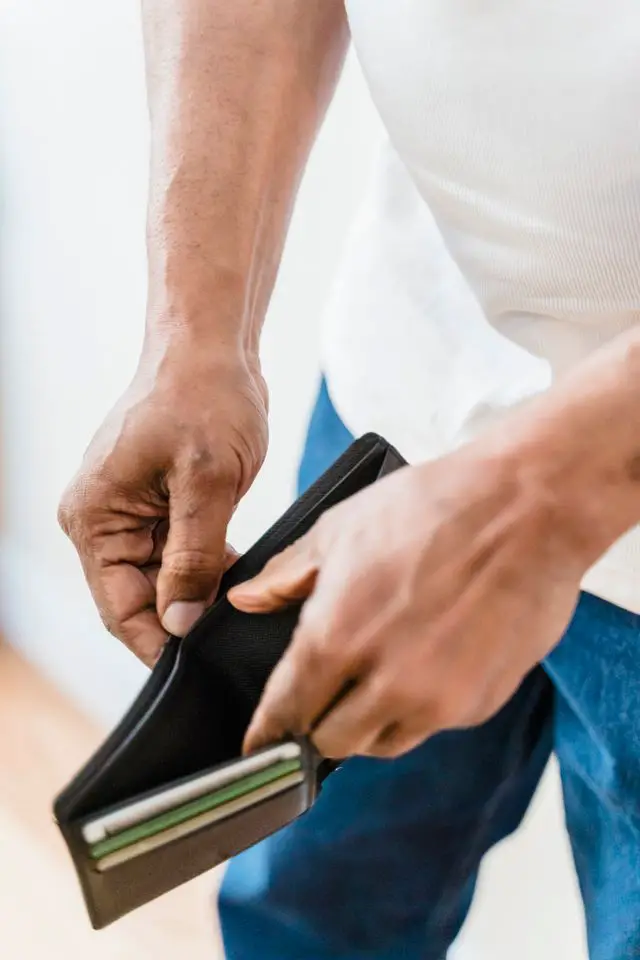
My brother stole my ATM card, drained the account I had spent two years protecting, and used my bedroom as a welcome gift for his new girlfriend.
When I came home from a fourteen hour NICU shift, my suitcase was standing by the front door beside three black trash bags stuffed with my clothes. My parents were in the kitchen smiling like they had simply rearranged the furniture, and my brother Liam flicked my blue debit card across the table like a man laying down a winning poker hand.
Your job here is done, he said.
My mother laughed under her breath. My father took a sip of beer and told me I had owed them rent anyway. None of them knew the account they had emptied was not a normal savings account. By the next morning, the bank was calling it restricted trust fraud. By the end of the week, the police had the video. And by the time my family finally understood what they had done, it was already too late to pretend it was just family business.
My name is Maya Miller. I was twenty nine then, working nights and double shifts as a neonatal intensive care nurse in Columbus, Ohio. People hear NICU nurse and imagine soft voices and tiny hats. There is some of that. There is also fear, machines breathing for babies who weigh less than a bag of flour, parents sleeping upright in vinyl chairs because going home feels like betrayal. I knew how to stay calm around pain, how to move fast without looking panicked, how to comfort strangers while my own heart was tired. What I did not know, even after all those years, was how to stop hoping my own parents would one day see me clearly.
I had moved back into their house two years earlier to save money for a nurse practitioner program. It was supposed to be temporary. My mother, Susan, had cried at the kitchen table and said it would be nice to have her daughter home again. My father, Robert, had cleared his throat and said, as long as you pull your weight. I believed them. That was my mistake.
Inside that house, nothing had changed since I was a teenager. Same oak cabinets, same beige carpet, same family photos in the hallway, except every framed picture of Liam showed him grinning with a trophy or a cap and gown, while mine were mostly school portraits and one nursing graduation photo my mother had hidden behind a ceramic pumpkin for two full seasons and never bothered to move back.
I paid for my own groceries. I covered the electric bill most months. I bought paper towels, laundry detergent, my mother’s coffee creamer, the expensive trash bags my father insisted on. I shoveled the walk, picked up prescriptions, cleaned the bathroom Liam treated like weather that happened to other people. Still, I was the one treated like a guest who had stayed too long.
Liam, thirty two, lived rent free in the basement, which my parents called his space, as if he were an artist in a loft instead of an unemployed man surrounded by energy drink cans and unopened mail. Every six months he had a new plan, dropshipping, crypto, sports betting analytics, then streaming. My parents called him ambitious. When I picked up extra shifts, they said I was never around. When Liam slept until noon, they said he was working late. Liam was the investment. I was the utility. If I complained, my mother narrowed her eyes and said, after everything we’ve done for you. It took me years to understand that in my family, love was not a feeling. It was a debt they kept rewriting.
That Thursday began before dawn, my alarm going off at four thirty in the small room at the end of the hall that used to be my grandmother’s sewing room. Cold March rain tapped the window. I dressed quietly, moved through the hallway so I wouldn’t wake anyone, packed a bruised apple and a turkey sandwich in a grocery bag. My winter coat hung on the hook near the garage door. That was where my debit card was. I did not know that then.
I had stopped for gas the week before, Liam in the passenger seat because my mother had asked me to pick him up. He said his phone was dead, stood close enough at the pump to see me type my PIN. I remember feeling annoyed. I do not remember feeling warned.
The shift was brutal from the first hour, two admissions before breakfast, frightened grandparents who had driven all night from Kentucky, a mother apologizing to her baby through incubator glass as if love could be measured by guilt. By evening I had helped a family through the kind of goodbye no parent should make. By the time I clocked out I felt hollowed out the way nurses understand, not sad in one place but sad everywhere. All I wanted was a hot shower and thirty minutes without anyone needing me.
The rain had turned colder by the time I pulled into the driveway. A silver sedan I didn’t recognize sat behind Liam’s beat up Honda. Through the front window, I saw my suitcase standing upright beside the door.
I got out slowly, badge still clipped to my scrub top, lunch bag hanging from two fingers. When I opened the door, pepperoni pizza, beer, and my mother’s lemon cleaner hit me first. Then the trash bags, three of them, heavy and overstuffed. One had split near the bottom, my gray hospital hoodie poking through the plastic. My shoes sat in a cardboard box beside them. A framed photo of me and my Aunt Evelyn had been placed face down, like even the picture had been evicted.
Laughter rolled out from the kitchen. Liam’s laugh, loud and triumphant. I walked toward it. My father sat at the table with a beer. My mother wiped an already clean counter, wearing the satisfied expression she got whenever she had made a decision for someone else. Liam leaned back in my father’s chair, one arm around a young woman with glossy hair and a pink sweatshirt that said Blessed. That was Brittany, three weeks into dating my brother, bare feet propped on my mother’s chair, scrolling her phone like she’d walked into a hotel room that came with annoying staff.
My mother looked up and smiled. Oh good, you’re home. Not how was your shift. Not Maya, we need to talk. Just that, like I had arrived right on schedule for my own disposal.
Why are my things by the door, I asked.
Liam grinned. Because we need the room.
My father rubbed his thumb along his beer label. Your mother and I talked it over.
That sentence never meant anything good in our house. Brittany’s moving in, Liam said. She needs the upstairs room. I’m turning the guest room and your room into a studio. Streaming setup, sound panels. Dad said we can knock out part of the wall.
You’re tearing down my bedroom wall so Liam can play video games, I said to my father.
Don’t minimize your brother’s work, he said.
Work? He doesn’t have a job.
Liam’s smile dropped just enough to show the cruelty underneath. Not everyone wants to spend their life wiping babies and acting superior.
It was not the insult that hurt most. What hurt was that my mother did not flinch. She just folded the dish towel and said, Maya, you’ve been here two years. Most adult children would be grateful. Instead you make the whole house tense.
I pay bills here, I said.
You help. There’s a difference.
I paid the electric bill last month, I said, my hands starting to shake. I buy groceries, my car, my insurance, my phone. I’m saving for school.
My father leaned back. Exactly. You save. You hoard. You act like this family is a burden while you sit on money.
Something about the way he said money made my skin go cold. What money, I asked.
Liam’s grin returned. Slowly, theatrically, he pulled my blue debit card from his jeans pocket. My brain refused to connect it with reality for a second. My card should have been in my wallet, locked in my locker all day. Then I remembered my coat. The gas station. His eyes over my shoulder.
He flicked the card across the table. Your job here is done, he said.
What did you do, I asked.
Collected what you owed, he shrugged.
My mother made a small noise, half warning and half approval. My father spoke before I could. We decided it was time to settle things. You’ve had cheap living for two years. Tenants pay rent.
I pulled out my phone with numb hands, opened my banking app. Checking, twelve dollars and eleven cents. Savings, forty three cents. Cash withdrawals. Online transfers. A furniture outlet charge. A rental truck payment. And one transaction that made my knees weak, eighteen thousand seven hundred dollars held for custom media equipment. My tuition money. My application money. Forty two thousand dollars, gone.
You stole from me, I said to Liam.
Here we go, he rolled his eyes.
You emptied my account.
Brittany finally looked up, her expression not shame but irritation, like my grief was delaying her move in. You don’t get to live here free and stack cash while the rest of us struggle, Liam said.
That was my graduate school fund, I said.
My mother’s mouth tightened. You and that school. Always trying to become something we’re supposed to clap for.
I thought you were proud of me, I said.
She laughed once, small and sharp. Maya, pride is for people who don’t make everyone else feel small. There it was, the truth finally dressed in plain clothes. They had not hated my struggle. They had hated that I might leave it.
My father stood. You need to go. It’s raining, I said. There are hotels. With what money? Liam smiled again. Guess you should’ve budgeted better.
I looked at my mother one last time, some childish part of me still believing she would stop this. Instead she picked an invisible crumb from the counter and said, don’t make a scene in front of Brittany. That sentence closed a door no insult had managed.
I dragged the trash bags to my car one by one, rain soaking through my scrubs, socks spilling from the split bag onto the wet porch. No one came to help. Through the window I saw Brittany lean against Liam and laugh at her phone. My father turned up the television. My mother shut the blinds. I had spent years trying to earn warmth from people who rationed it like food during a storm, and that night they did not even spare me a porch light.
I drove without knowing where, finally pulling into a twenty four hour Kroger lot because it was bright and had cameras. I sat gripping the wheel in the cold, past the point where tears felt affordable.
At ten thirty four, my phone rang, an unfamiliar number with my bank’s caller ID. I almost didn’t answer, then thought of the empty account and hit accept.
Ms. Miller, a calm woman said, this is Patricia Norwood, fraud prevention at Buckeye Federal. Are you in a safe place to talk? No bank employee had ever asked me that. I’m in my car, I said. Alone? Yes.
I need you to listen carefully, she said. Several transactions from your restricted education trust account are pending. Because this account has internal disbursement controls, some funds moved into temporary holds, not all of them settled. Did you authorize these transactions? No, I said, my brother stole my card.
The trust documents limit these funds to tuition, verified living expenses, and education related disbursements, Patricia continued. Purchases at gaming equipment vendors and cash withdrawals fall outside permitted categories. Unauthorized access may involve criminal fraud.
My aunt set it up, I whispered. Evelyn Hart, Patricia said. Her attorney is still listed as a contact. Thomas Kessler.
Aunt Evelyn. My mother’s older sister, treated in our house like a cautionary tale, never married, no children, bought her own house, spoke directly. My mother called her lonely. My father called her difficult. I loved her. She took me to the library as a kid, remembered my school projects, asked real questions. When she got ovarian cancer, I drove her to chemo, cleaned her kitchen, read aloud when her eyes were too tired. Your mother thinks endurance is the same thing as love, she told me once, gripping my wrist. It isn’t. After she died, Thomas Kessler contacted me. She had left me forty two thousand dollars in a restricted education trust, a bridge, tuition, fees, a life that didn’t require asking my parents for permission to breathe. I never told my family the details, only that Evelyn had left me some school money. My mother had sniffed, of course she did, always playing favorites from the grave.
Now I sat in a grocery store lot, soaked and shaking, while the protection Evelyn had built around that money began to wake up.
Please come to the main branch at nine tomorrow, Patricia said. Bring identification. Do not contact your family about the account. I am also notifying Mr. Kessler tonight.
I called the only person I trusted enough to see me broken, my nurse manager Sarah Donnelly. She answered on the second ring, and when I couldn’t say her name, her voice changed instantly. Where are you? Kroger, off Henderson. Stay in the car, lock the doors, I’m coming.
Fifteen minutes later she pulled up in sweatpants and a coat over pajamas. She opened my door, looked at the trash bags, then at my face. Oh honey, she said, and that was when I finally cried, the ugly kind, the body finally feeling the injury once the emergency was over. She moved a bag into her car, handed me a napkin, said you’re coming home with me. Her house smelled like laundry soap. Her husband Mark carried my bags without one invasive question. That kindness almost hurt worse than the cruelty. When you grow up earning every inch of tenderness, ordinary decency feels suspicious at first.
The next morning I drove to Buckeye Federal’s downtown branch, limestone and polished floors, low voices. Patricia turned out silver haired and careful eyed. She led me to a conference room where Thomas Kessler waited, tall and lean, Evelyn’s trust file in front of him with colored tabs.
Maya, he said, standing. I’m sorry. The simple dignity of it stung my eyes.
Patricia walked through the transactions, ATMs, attempted transfers, a large order for cameras and lighting and a custom computer, a furniture deposit in Brittany’s name, an attempted transfer to Liam’s digital wallet. The bank had frozen most pending charges once the trust controls flagged the categories. Some cash was gone. The attempt itself had left a trail bright enough for a child to follow.
Did your brother know the account was restricted, Thomas asked. No. Your parents? No, they only knew Evelyn left me money for school. Did you give Liam permission to use your card? Never. Written notice to vacate? I let out a humorless laugh. They put my clothes in trash bags.
Family theft cases can be messy, Thomas said. People lie, claim permission, shift blame. What we need is proof of planning, not just that he used the card, but proof they knew you hadn’t consented.
Then a memory rose so suddenly I almost spoke over myself. The camera, I said. My parents had installed a Wi Fi security camera in the living room six months earlier, aimed at the entryway and kitchen, supposedly for porch pirates but mostly used to track when I came home. It recorded audio, cloud storage, and my father had never figured out the setup, so I had created the admin login myself.
Open it, Thomas said, and for the first time since I’d met him, he smiled, a lawyer’s smile, a smile with paperwork behind it.
My hands shook as the feed loaded. Thursday morning, five oh six, twenty minutes after I’d left for work. Liam walked into the living room holding my coat, checked the hallway, reached into the pocket. My blue card flashed in his hand.
Did you get it, my mother asked from the couch. Told you, Liam laughed, she never checks anything before work. Did you see the PIN, my father asked. At Speedway last week, Liam said, she didn’t even cover the keypad. My mother made a sound of disgust. Just do it before she checks her phone. My father’s voice turned flat and businesslike. ATM first, then online orders, use your phone. Susan, pack her clothes, don’t fold everything, just bag it, she’ll cry and drag it out if you let her. What if she calls the police, my mother asked. For what, my father snorted, she’s been living under my roof, we’ll say she owed back rent.
On the recording, my mother smiled. Not nervously. Like she was hearing a clever line. I sat in that conference room and watched my family plan my ruin over morning coffee. For years I had told myself they were stressed, tired, old fashioned. There, on a screen in a downtown bank, intention sat in plain view.
Thomas asked me to send him the file immediately, contacted the trust department, then the police. By noon I had given a statement. By evening my phone was a hornet’s nest. My mother called eleven times. Liam texted, you really went to the bank, are you insane, then, you gave me the card, don’t act brand new, then, mom is crying, hope you’re proud. My mother’s texts came longer, this has gone too far, we were trying to teach you responsibility, families handle things privately, a decent daughter would never humiliate her parents like this. My father’s message was short. Drop this, or don’t come back.
I forwarded everything to Thomas. Do not engage, he replied. Preserve everything.
I worked. I slept on Sarah’s pull out couch. I kept my scrubs folded in a laundry basket under her guest room window. In the NICU, the world was frightening but it made sense, alarms meant something, numbers meant something. A respiratory therapist named June left homemade soup in the break room fridge with my name on it. Another nurse, Caleb, handed me a roll of quarters for laundry, stole them from my husband’s poker jar, don’t argue. That was how I began learning the difference between people who say family and people who act like one.
The investigation moved fast because the evidence required no interpretation, video of the theft, audio of the planning, bank records tying every transaction to Liam’s phone and email, text messages showing intimidation after the fact. The prosecutor did not treat it like household drama. Thomas filed a civil claim for the stolen funds, attempted misuse of restricted trust assets, illegal lockout, emotional distress, legal fees, and punitive damages, notifying probate court that Evelyn’s protective conditions had been triggered.
Protective conditions. Aunt Evelyn had known, not every detail, but the shape of their greed. She knew that if money ever became visible, my family would convince themselves it belonged to whoever wanted it loudest.
Three weeks later, Thomas told me Liam had been charged. It should have felt triumphant. It made me feel tired. He’ll try to claim you gave him permission, Thomas said, then shift blame to your parents, and they’ll shift it back. That is usually how these families function once consequences arrive. These families, I repeated. Yes, he said gently, the first time anyone had put my parents into a category instead of a private shame I had failed to solve.
The first hearing was held on a gray morning that smelled like wet wool. Sarah came, sat close enough that our shoulders touched. My parents arrived looking respectable, my mother in her church coat with curled hair, my father in a suit straining at the stomach. Families like mine do not always arrive looking monstrous. They arrive looking tired and offended. Liam arrived with a public defender, pale and restless, wearing a shirt I had bought him two Christmases earlier. Brittany was not there. That told me more than I expected.
The prosecutor outlined the evidence, then played the video. There was my brother with my coat, my mother asking did you get it, my father saying we’ll say she owed back rent, Liam laughing, her job here is done. Hearing it in my parents’ kitchen had shattered me. Hearing it in court placed it where it belonged, not inside my head where my family could rewrite it, but on the record.
After a recess, Liam returned smaller, damp with panic, and when asked if he wanted to make a statement, his attorney’s warning came too late. I didn’t plan it by myself, he blurted. It was Dad’s idea to say rent. Mom packed the bags. They told me Maya had been using the family and it was only fair. My father shot to his feet, you little liar. The judge’s head snapped up, sir, sit down. My mother began crying for real then, not remorse, just the performance escaping her control. Your Honor, Liam said, voice cracking, they pushed me. They always push me. They said Maya thinks she’s better than us. They said it was time she learned.
I sat very still. Sometimes justice does not look like punishment. Sometimes it looks like the truth becoming too heavy for the liars to keep holding together. My parents had built a family system around protecting Liam at all costs, and now the son they had treated like a prince was dragging them into the light to save himself. I did not smile. I did not need to.
The judge set conditions, no contact from Liam, a warning to my parents through counsel. Outside, my mother tried once more, coming toward me with a tissue clutched in her hand, using the soft voice she saved for witnesses. You’ve made your point, she whispered. My point? Your brother is scared. Your father’s blood pressure is through the roof. The neighbors are asking questions. Do you have any idea what this is doing to us? Not what they had done to me. What exposure was doing to them. I slept in my car in the rain, I said. For one night, Maya, she said, blinking at the inconvenient fact. As if cruelty came with a grace period.
For the first time in my life, my father’s you’ve always been dramatic passed by like traffic noise. No, I said, I’ve always been useful. You mistook that for weak. My mother’s face changed, not with guilt, with recognition. She understood the old door was no longer where she had left it. I walked away before she could answer.
The criminal case ended with a plea, Liam admitting to unauthorized card use and fraud tied to the restricted account, probation, a felony record, restitution, community service, a no contact order. Brittany left before the plea was entered, according to a message he sent before Thomas shut his number down, not signing up for legal drama, she’d said. I wished her clarity.
The civil case was quieter and more devastating. Thomas laid out documents the way a surgeon lays out instruments, the trust terms, the transaction logs, the camera transcript, the text messages, photos of my belongings in trash bags, Sarah’s statement confirming I’d arrived soaked with no housing. My parents tried to argue I had lived rent free. Thomas asked for a lease. They had none. Written rent demands. None. Why, if this was a legitimate dispute, had Liam hidden the card use and had my parents discussed a false back rent story before I even came home. Their attorney had no clean answer.
The judgment came down in late spring. My parents were held financially liable for the unrecovered funds, my legal fees, damages from the illegal lockout, and punitive damages. The number was larger than anything they could comfortably pay. Their savings were thin, their credit heavy, Liam had borrowed against anything he could. My father tried to refinance and was denied. A lien was placed. Eventually the house had to be sold, the same house they had thrown me out of to build a gaming studio, the same porch where my socks had spilled into the rain.
I did not go when the sign went up. A neighbor sent a photo with a simple message, I’m sorry I didn’t know sooner. The sign stood near my mother’s tulips. Behind it, in the upstairs window, I could see the room that had been mine. For a long time that house had represented everything I could not escape. Now it was just brick, siding, gutters, debt. My parents moved into a two bedroom apartment near a shopping center, telling relatives they were downsizing after a stressful legal misunderstanding.
By then I had moved into a small apartment near the hospital, third floor, no elevator, a kitchen barely wide enough to turn around in. I loved every inch of it. If dishes sat in the sink, nobody called me lazy. The first night, I woke at two in the morning in a panic because the house was too quiet. Then I remembered. Quiet was allowed now.
At Thomas’s office that August, he handed me a sealed envelope, cream colored, my name written across the front in Evelyn’s slanted handwriting. This was attached to the trust instructions, he said softly, to be given to you if any dispute arose over the funds.
My dearest Maya, it began. If you are reading this, someone has likely tried to convince you that what I left you belongs to them. Let me be plain. It does not. I did not leave you this money because I pitied you. I left it because I watched you become kind in a house that rewarded selfishness. I watched your mother mistake control for love and your father mistake obedience for respect. They mocked my life because I refused to shrink mine around their approval. Do not shrink yours. This trust is not a gift meant to make you comfortable. It is a tool meant to make you free. You do not owe gratitude for mistreatment. You do not owe loyalty to people who only call you family when they need access. And you do not have to set yourself on fire to prove you are warm. I have always seen you. Aunt Evelyn.
I cried in Thomas’s office, not quietly, for the little girl carrying too many library books, for the nursing student studying while Liam yelled at a game downstairs, for the woman on the porch in the rain, because someone had seen me clearly before I knew how to see myself. That letter changed the shape of my grief. Before it, part of me still felt discarded. After it, I felt delivered.
The next year was not a movie montage. It looked like working nights, filling out financial aid forms, meeting a therapist on Tuesday afternoons, learning not to apologize for things I hadn’t done. It looked like blocking numbers, holidays with Sarah’s family where nobody made me earn a plate, panic attacks in grocery aisles, buying a new winter coat because the old one still felt like theft. I entered my nurse practitioner program that fall, the trust paying tuition directly, and kept Evelyn’s letter in my desk drawer. On hard days I read one line. I have always seen you. That was enough to keep going.
Two years later I graduated with honors. Sarah cried loudest of anyone. No one from my biological family attended. That absence no longer felt like a wound. It felt like clean air. I accepted a position at a children’s hospital in Seattle, packed my apartment into a rented truck, and watched Ohio flatten behind me in the rearview mirror.
Seattle rained often and the rent was insulting, but the first morning in my new apartment, coffee in hand, gray light spreading over the city, I felt something I had never felt in my parents’ house. I felt unobserved. No footsteps listening. No one measuring my groceries. Eventually I bought a small Craftsman house north of the city, old wood floors, a kitchen window over the sink. The first thing I hung on the wall was a framed copy of Evelyn’s letter. The second was my nursing degree. The third was a photo of Sarah, June, Caleb, Mark, and their dog Pickles at a backyard cookout, all of us laughing at something I no longer remember. That was my family wall.
Almost three years after Liam stole my card, on a rainy Tuesday evening while I made tea, my phone buzzed. Unknown number, Columbus area code. I let it ring out. A voicemail appeared, and I waited a full minute before playing it.
Hey Maya, it’s me, Liam’s voice came through thin and older. I know you probably don’t want to hear from me, but Mom’s health hasn’t been great. Dad’s having trouble with rent. I can’t get decent work with the record. Look, I know mistakes were made on both sides. But we’re still family. At some point you have to put the past behind you. You’re doing well now. We heard about the house. I’m not asking for much. Just help us get back on our feet.
Mistakes were made. On both sides. The oldest magic trick in the world, turn harm into fog, then ask the person you hurt to get lost inside it.
I stood in my kitchen holding the phone. Rain tapped the window. The kettle began to hiss. Across the room, Evelyn’s letter hung in its frame, steady as a witness. I tried to find anger. There was none. I tried to find grief. There was some, but old, a faded bruise, tender only if pressed. Mostly I felt distance, peaceful and adult, the kind you do not get by winning an argument, but by no longer needing the people who taught you to beg for crumbs.
I deleted the voicemail. Then I blocked the number. Not because I wanted revenge. Because access is not love. Because forgiveness does not require reopening the door. Because the word family is not a skeleton key people get to use after they have robbed you, humiliated you, and left you in the rain.
Sometimes freedom arrives looking nothing like freedom. Sometimes it looks like your suitcase by the door, a bank account showing forty three cents, sitting soaked and shaking in a grocery store parking lot convinced your life has collapsed. But collapse and release can feel similar at first. That Thursday night, my brother thought he had emptied my future. My parents thought they had put me back in my place. They thought money was the thing they had taken. They were wrong. What they really took was the last excuse I had for staying. By stealing my card, Liam created the paper trail. By packing my clothes, my mother created the proof. By threatening me, my father created the witness statement. And by installing that camera to control me, they recorded the very truth that set me free.
I still work with fragile lives, still stand beside incubators watching tiny chests fight for breath, still tell frightened parents, one minute at a time, because sometimes that is the only honest promise anyone can make. I know now that survival does not always roar. Sometimes it is a woman in wet scrubs refusing to answer a cruel text. Sometimes it is a bank manager asking if you are safe. Sometimes it is a friend driving through rain at night because you called. Sometimes it is an aunt who loved you enough to build protection into the fine print.
My brother stole my ATM card on a Thursday. By the next Thursday, the bank had frozen the transactions, the attorney had the recordings, and the police had a case my family could not cry their way out of. They planned their theft around the daughter they remembered, the obedient one, the tired one, the one who kept hoping love would appear if she just worked hard enough. But the woman who walked off that porch in the freezing rain was no longer that daughter. She was cold. She was broke. She was shaking. And for the first time in her life, she was finally leaving with the truth.

Lila Hart is a dedicated Digital Archivist and Research Specialist with a keen eye for preserving and curating meaningful content. At TheArchivists, she specializes in organizing and managing digital archives, ensuring that valuable stories and historical moments are accessible for generations to come.
Lila earned her degree in History and Archival Studies from the University of Edinburgh, where she cultivated her passion for documenting the past and preserving cultural heritage. Her expertise lies in combining traditional archival techniques with modern digital tools, allowing her to create comprehensive and engaging collections that resonate with audiences worldwide.
At TheArchivists, Lila is known for her meticulous attention to detail and her ability to uncover hidden gems within extensive archives. Her work is praised for its depth, authenticity, and contribution to the preservation of knowledge in the digital age.
Driven by a commitment to preserving stories that matter, Lila is passionate about exploring the intersection of history and technology. Her goal is to ensure that every piece of content she handles reflects the richness of human experiences and remains a source of inspiration for years to come.
Another great story from Lila. I love her writing.
Thank you
Mike