The Dollar and the Envelope
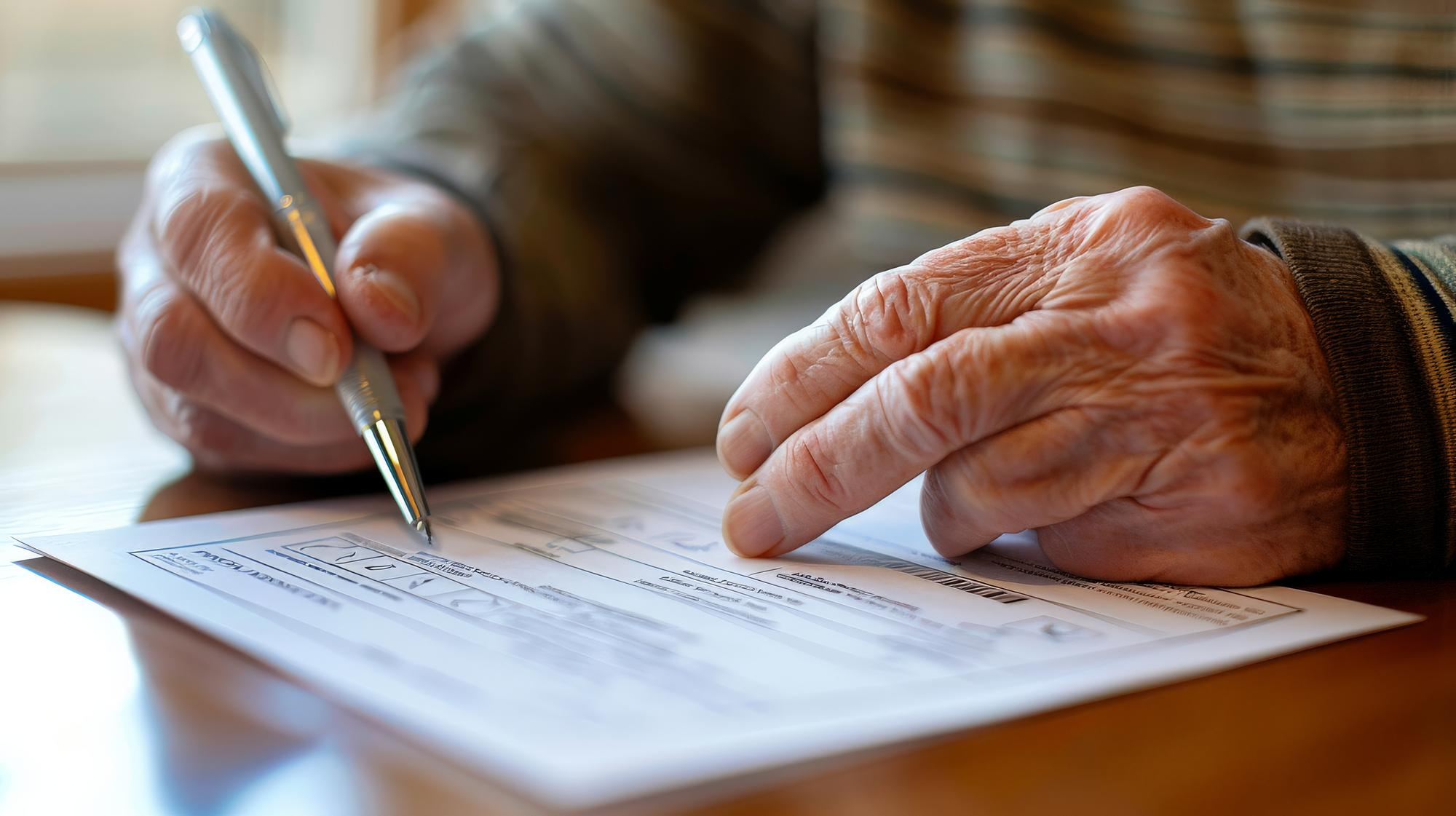
My name is Amanda Riley, and at twenty-eight I found myself sitting in a lawyer’s office watching my sister receive nearly seven million dollars while I received a single dollar. Not a symbolic gesture wrapped in something larger. Not a placeholder for a fortune to come. One dollar, folded once, handed to me across a mahogany table by a man with kind eyes and a slight tremor in his voice. My grandfather Maxwell had been my hero, my confidant, the only person in my family who ever looked at me and saw something worth encouraging. So the question that lodged itself in my chest, sharp and cold, was simple. Why would he leave me with almost nothing.
But there was a gleam in his attorney’s eye that afternoon, a quiet patience in the way he handled the papers, and it made me pause even in the middle of my humiliation. Something wasn’t adding up. I couldn’t have known then that the dollar was the first move in a game my grandfather had been quietly setting up for years, a game designed to expose everything my family had spent a lifetime hiding.
I grew up in a comfortable suburban house outside Boston, the kind of home that looked ordinary from the street but ran on an invisible current of anxiety about appearances. My parents, Richard and Elizabeth, believed in the right brands, the right schools, the right conversations at the right parties. We were never truly wealthy, though you would never have known it from the way they carried themselves. Everything was a performance, and my sister Caroline was born to star in it. Three years older than me, she was beautiful and easy in a room, effortlessly saying the things that made adults nod with approval. She went to a prestigious business school, held herself with perfect posture, and smiled the kind of smile my parents wanted to frame and hang in the entryway.
Then there was me. From the time I was small I was drawn to the natural world, to the quiet machinery of it, the way a marsh cleaned its own water or a forest recovered from fire. I spent my weekends volunteering at wildlife rehabilitation centers and pulling trash off beaches while Caroline networked at country club luncheons. My passions were met with a thin, practiced disappointment. My mother had a way of waving her manicured hand as if she could physically brush my interests aside. Environmental science won’t pay for the life you’re used to, Amanda, she would say. Caroline understands the importance of stability. The message was never subtle. Caroline was building a future. I was indulging a hobby.
But there was one person who saw me differently, and his opinion mattered more to me than all the others combined. My grandfather Maxwell had made a fortune as an investment banker, though you would never have guessed it from the way he lived. He wore the same worn leather watch for as long as I could remember, ignoring my mother’s endless campaign to replace it with something a man of his means ought to have. The true value of something isn’t in its price tag, Mandy, he would tell me, using the nickname no one else was permitted to use. It’s in the purpose it serves.
During my summer breaks from college, while my parents and Caroline toured European capitals and posted photographs of themselves in front of cathedrals, I drove out to Grandpa’s lake house in the Berkshires. We would sit on his dock for hours with fishing rods in our hands, talking about everything from climate models to the philosophers he’d read in his youth. He never once made me feel like my choices were a mistake. The world needs more people who care about its future than its stock market, he told me one evening as the light went long and gold over the water. Your passion has purpose. Don’t let anyone convince you otherwise.
Family dinners were another matter entirely. Thanksgiving and Christmas at our house felt less like celebrations and more like quarterly performance reviews. My mother orchestrated everything down to the folded napkins, steering conversation toward Caroline’s latest triumph. Caroline just secured an internship at Goldman Sachs, she would announce while cutting the pie, and the table would murmur its approval. Then the pivot to me, delivered with a smile that never touched her eyes. Amanda is still exploring her options. My father, a corporate attorney with a permanent crease between his brows, offered advice that always landed as criticism. There’s no money in saving trees, he liked to say. It’s time to think realistically about your future.
Grandpa would catch my eye across the table and wink. Sometimes he changed the subject to spare me. Other times he met my parents head on. Not everyone measures success by their bank account, Richard, he said once, and the tension in the room went so taut I could almost hear it hum. My mother cleared her throat and redirected us to something safer, but Grandpa gave me the smallest nod, and in that moment I knew I had at least one ally in the world.
When he was diagnosed with pancreatic cancer two years ago, the family arithmetic shifted overnight. Suddenly my parents and Caroline were visiting constantly, arriving with expensive gifts and offers to help manage his affairs. Their concern rose and fell in exact proportion to his net worth, which even I understood was considerable. I kept doing what I had always done. I brought him homemade soup and sat with him while he grew thinner, watching old Western movies or reading aloud from the mystery novels he loved. During one of my last visits, three months before the end, he took my hand with a grip that surprised me. Remember, Mandy, he said, timing is everything. In investments and in life. When I asked what he meant, he only smiled that cryptic smile of his. Patience is its own reward. The truth always rises to the surface eventually. Then he asked about my research as if he had said nothing unusual at all.
The call came on a rainy Tuesday morning while I was standing in a creek collecting water samples. My mother’s voice was clipped and businesslike. Your grandfather passed this morning. The funeral is Friday. Please wear something appropriate. No comfort. No acknowledgment of what he had been to me. Just logistics and a note about my wardrobe.
The funeral was exactly what my mother wanted it to be, elegant and restrained and impressive to the right people. I watched her introduce herself to Grandpa’s old colleagues, networking even in her grief. Caroline wore designer black and cried precisely two tears during the eulogy, her makeup somehow surviving intact. My father spent most of the reception discussing investment strategies with Grandpa’s financial advisors. I stood alone beside the photo display I had assembled, looking at the pieces of his life reduced to a collage. A young man in an army uniform. A father holding my mother as an infant. An old man teaching a seven year old girl to cast a line. A whole existence flattened into snapshots and polite conversation over expensive little sandwiches.
A week later, a notice arrived from Mr. Peterson, Grandpa’s attorney, announcing the reading of the will. My mother immediately went shopping for the occasion. Caroline canceled meetings to guarantee her availability. My father began researching estate taxes. I wanted none of what they wanted. I hoped only for closure, some final thread connecting me to the man who had truly seen me. Maybe his fishing gear. Maybe the conservation books we had argued over so happily. The night before the reading I couldn’t sleep, so I sat on my balcony under the stars and remembered how he had taught me the constellations at the lake. Some patterns are only visible when you know what to look for, he had said. I had no idea how completely those words would come to define the days ahead.
The offices of Peterson, Blackwell and Associates occupied the top floor of a sleek downtown building, all glass and mahogany and quiet, expensive light. My mother arrived first, of course, in a navy Chanel suit that probably cost more than three months of my rent, her ash blonde bob so precise it didn’t move when she turned to appraise my simple black dress. You could have made more of an effort, Amanda, she whispered. This is an important day. My father strode in checking his watch, calculating as always. Caroline arrived last in heels that announced her across the hardwood, air kissing my cheeks and settling beside our mother with her designer bag arranged just so in her lap. I sat a little apart from them, an outsider even here, though the distance was not accidental.
We were not the only ones present. Harold Winters, Grandpa’s best friend of fifty years, sat quietly in the corner. Marta Jimenez, his housekeeper of two decades, dabbed at her eyes with a tissue, her grief the only genuine emotion in the room. Mr. Peterson adjusted his glasses and began. Maxwell was very specific about how this should unfold, he said. My mother straightened, her smile tightening into something brittle.
The smaller bequests took half an hour. Grandpa had been generous with his charities, his staff, his old friends. Harold received the vintage car collection. Marta was given a life estate in the guest house on the main property, along with a sum that made her gasp aloud and press the tissue to her mouth. My mother’s foot tapped an impatient rhythm. My father checked his watch twice. Caroline kept her pleasant expression fixed in place while her fingers drummed silently against her purse.
Now to the main distributions, Mr. Peterson said at last. To my daughter Elizabeth and her husband Richard, I leave my primary residence in Beacon Hill and my vacation property in Palm Beach. For the first time that day my mother’s smile turned genuine. The properties were worth millions. To my granddaughter Caroline Riley, I leave the sum of six point nine million dollars, to be held in a trust as outlined in section four. Caroline’s breath caught audibly. She seized our mother’s hand and squeezed it in triumph. My father nodded his approval.
Then every eye in the room turned to me, and a strange hollowness opened in my stomach. To my granddaughter Amanda Grace Riley, Mr. Peterson read, his voice softening, I leave the sum of one dollar. The silence that followed had a texture to it. I felt the blood leave my face and fought to keep my expression still. Additionally, he continued, Amanda is to receive this sealed envelope, to be opened after the conclusion of today’s reading. He handed me a thick manila envelope with my name written across the front in Grandpa’s unmistakable slanted hand. My fingers trembled as I took it.
My mother broke the silence with a short, sharp laugh she didn’t bother to disguise. Well, that’s clarifying, isn’t it, she said. Always the disappointment. Caroline at least had the grace to look uncomfortable, though a gleam of triumph never quite left her eyes. I’m sure Grandpa had his reasons, she offered, in a tone that suggested those reasons were my own failings. My father simply shook his head, dismissing me as effortlessly as he always had. I clutched the envelope and fought the urge to bolt from the room, away from the pity in Harold’s eyes and the confusion on Marta’s face and the barely hidden satisfaction radiating from my family. Pride kept me in my chair. Whatever Grandpa had intended, I would not give them the pleasure of watching me break.
Is that all, my mother asked, already gathering her purse. Actually, no, said Mr. Peterson. Maxwell prepared a video to be played after the reading, and he was insistent that everyone remain present. My father’s irritation was immediate. Is that really necessary. We all have commitments. It is a condition of the will, Peterson replied, his tone leaving no room for argument. All beneficiaries must remain for the entire proceeding or risk forfeiture. That settled it. However little they thought of me, my family would sit through anything before endangering their windfall.
The lights dimmed and a screen descended from the ceiling. After a moment of static my grandfather’s face appeared, recorded perhaps a month before his death. He looked frail, the illness having carved him down, but his eyes were as sharp and alert as ever, the eyes of a man who had built a fortune by noticing what everyone else overlooked.
If you’re watching this, he began, his voice stronger on the recording than it had been in his final weeks, then I’ve moved on to whatever comes next, and you’re all sitting in Peterson’s uncomfortable chairs wondering what this old man has up his sleeve. A small smile tugged at the corner of his mouth, and I recognized it instantly. It was the exact expression he wore when he was about to win at chess, the game he had taught me over long rainy afternoons at the lake.
He thanked Harold for fifty years of honesty in a world of yes men. He gave Marta the guest house that, he said, had always been more hers than his. Then his expression shifted as he turned to my parents. Elizabeth, my only daughter, he said, you were always ambitious, even as a little girl. Richard, we’ve had our differences, but I never doubted your dedication to the life you chose. My mother’s smile wavered. There was something underneath his words that was not quite praise. To Caroline, congratulations, he continued. You’ve always understood the value of money and appearances. I’ve structured your trust with quarterly distributions. Use it wisely. Caroline’s face flickered between satisfaction and unease, and I saw that I was not the only one who caught the double edge in his voice.
Then he looked directly into the camera, and I had the uncanny sense that he was looking straight at me across the distance of death. Amanda. My Mandy. You see what others miss. You always have, from the time you were small and noticed the bird’s nest in the oak that everyone else walked past. Remember what I told you about timing and patience. True wealth isn’t measured in dollars. My throat closed. Even now, even gone, he saw me.
His expression turned serious. My will may seem straightforward, perhaps even unfair to some of you, but there’s more to this story, as there usually is. I’ve arranged a series of tasks that must be completed before the full terms of my estate can be implemented. Consider it my final lesson. My father made a low sound of protest and my mother silenced him with a sharp elbow. Any attempt to contest this will or circumvent the process, Grandpa went on, will result in the entirety of my estate, every property, every investment, every penny, being transferred immediately to the Maxwell Riley Foundation for environmental conservation. My mother’s breath hissed inward. My father’s face went dark. The first step begins today. Amanda, the envelope contains the key to my lake house and instructions for your first task. Go there. His eyes twinkled with that old mischievous light. And remember, things aren’t always as they appear. Sometimes a single dollar can be worth more than millions.
The screen went black and the lights came up, and every eye in the room fixed on the envelope in my hands. Mr. Peterson cleared his throat and reminded everyone that any attempt to contest the will would trigger the charitable clause. My mother recovered first, her social mask sliding smoothly back into place. Well, that was certainly dramatic, she said with a forced little laugh. Amanda, we’ll naturally accompany you to the lake house. Family support and all that. The shift was so sudden it almost made me laugh. An hour ago I was a disappointment. Now I was their access to whatever game Grandpa had built.
I don’t think that’s necessary, I said, surprised by how steady my voice came out. Don’t be ridiculous, my father cut in. This affects all of us. We’ll drive up together in the morning. For perhaps the first time in my adult life I stood my ground against that authoritative tone. No. Grandpa addressed the envelope to me, and I’ll go alone. Amanda, my mother hissed, her composure slipping. This is not the time for your stubbornness. Actually, Mr. Peterson interjected, the instructions specify that Amanda must be the one to open the lake house and retrieve the next communication. Others may visit afterward, but the first task is hers alone. My mother’s lips pressed into a bloodless line, but the threat of the charitable clause held her tongue.
In the hallway outside, Caroline caught up with me, her expression uncharacteristically uncertain. I could drive up with you tomorrow, she offered quietly. Just for support. This is all so strange. I studied her face, trying to read whether this was concern or strategy. I need to do this alone first, I said. But I’ll call you after. She nodded, disappointment flickering before her smile returned. Of course. Just keep us in the loop. As I walked to my car with the unopened envelope pressed to my chest, I couldn’t shake the feeling that Grandpa’s final game had only just begun, and that for once I was not simply a pawn on someone else’s board.
The two hour drive gave me room to think. I made it well out of the city before pulling into a rest stop to open the envelope. Inside was the promised key, attached to the fish shaped keychain I had given him for his seventieth birthday, and a letter in his slanting hand. Mandy, it read, if you’re reading this, the first phase is complete. Go to the lake house alone. In my study you’ll find answers to questions you haven’t thought to ask yet. Remember our chess games. The first move is never the most important one. It’s the setup that matters. Trust yourself. Love, Grandpa. Cryptic as ever. I smiled despite everything and drove on, memories rising with every familiar bend in the road.
The house came into view as the afternoon sun struck the water, scattering it with the diamonds of light that had fascinated me since childhood. The modest A frame with its wide deck was exactly as I remembered, a little more weathered but otherwise untouched. Grandpa had refused every one of my mother’s suggestions to renovate or expand. Some things are perfect just as they are, he always said. I was reaching for my overnight bag when a car pulled up behind me. Then another. My heart sank as I recognized my parents’ Mercedes and Caroline’s BMW.
Surprise, Caroline called out, too brightly. We thought we’d join you after all. Family adventure. My mother didn’t bother with the pretense. We’re not letting you handle this alone, Amanda. There’s clearly something significant happening, and we all have a stake in it. The will said I come alone, I reminded them, anger tightening in my chest. For the initial entry only, my father countered smoothly. Peterson confirmed we could join afterward, and here you are, first through the door. We’re just here to support the process. Support the process. Not support me. The distinction could not have been clearer.
Rather than argue, I turned and walked to the door. The key slid home with a familiar click and the door swung open on creaking hinges, releasing the scent of pine and old books, Grandpa’s scent, and for a moment I stood frozen, half expecting to hear him call from the kitchen offering hot chocolate. Everything was as he had left it under a fine layer of dust. Fishing rods leaning in the corner. His reading glasses on the side table beside his armchair, a bookmark still riding in the mystery novel he had been reading. My family pushed in behind me, their designer shoes clicking across the floor, the sound obscene in that quiet place. God, it’s stuffy, my mother complained, already opening windows. This place always needed a proper renovation. My father was cataloging the room with his eyes. The property itself is the real asset, he murmured. Lakefront here goes for a premium now. Caroline drifted to the mantel and picked up a framed photograph. I forgot how many pictures of you he kept here, she said, and I couldn’t read her tone at all.
I moved past all of them toward the hallway and Grandpa’s study, the room that had always been locked when we were children, not out of secrecy but respect. Everyone needs a space that’s entirely their own, he had explained. The fish keychain held a second smaller key that fit the lock perfectly, and the door swung open on a room smaller than I remembered, walls of bookshelves surrounding a simple oak desk angled to look out over the lake. Maps were pinned to a corkboard, filing cabinets lined one wall, and a worn leather chair sat as though he had only just risen from it. Start looking for anything valuable, my father instructed, already at the cabinets. Investment records, deeds, anything that explains this. Richard, my mother scolded, though her own eyes were doing exactly the same arithmetic.
I approached the desk slowly, drawn to a framed photo I had never seen. A younger Grandpa stood proudly before a small office building, the sign above him reading Riley Innovations. Something stirred in the back of my memory. Before I could catch it, Caroline was at my side reaching for the frame. What’s that. I don’t know, I admitted. My father glanced over. Riley Innovations. Never heard of it. Something in his voice made me look up sharply, but his face gave away nothing as he returned to the files.
On the desk blotter lay a single sheet of paper covered in a series of numbers, dates paired with dollar amounts, and beneath them a question in Grandpa’s hand. Where did it all begin. The earliest entry read fifty years back. Two thousand nine hundred seventy five dollars. The figure resonated with something he had once told me about his very first investment. While my family tore through the room around me, I sat in his chair and opened the desk drawer, finding a leather bound book embossed with the words First Steps. Inside were the records of his earliest investments, including that same twenty nine seventy five put into a small technology company in 1975, his first real success. The final entry sat oddly among the financial notes. The truth is in the foundation. Remember to look beneath the surface.
My attention drifted to the small chess piece that had always sat on his desk, a knight carved in dark wood. On impulse I picked it up. The base felt loose, and when I twisted it, it came away to reveal a tiny compartment holding a small key and a folded note. What’s that, Caroline asked, suddenly beside me again. I unfolded it. Second letter in the floor safe. Combination, date of betrayal. Across the room my father was flipping through an old photo album with contempt, muttering about sentimental nonsense before tossing it aside so carelessly that photographs scattered across the floor. Richard, my mother snapped, though she wasn’t worried about the pictures. She was pulling pages from the album herself, examining them and discarding the ones that didn’t interest her. There must be records here.
I knelt to gather the fallen photos, most of them of Grandpa with my mother as a child and later with me. One stopped me. A yellowed newspaper clipping, its headline reading Local Entrepreneur Sells Patent For Millions. Grandpa stood shaking hands with another man, both of them smiling. The caption named the buyer as Wilson Technologies. Mom, I said slowly, did Grandpa own a company called Riley Innovations. Her hands froze mid sort. That was before your time, she said. A small venture that didn’t amount to much. But her voice carried an edge I knew well, the same one she used to smooth over anything uncomfortable at a dinner party.
I found the safe in the corner, a seam in the hardwood half hidden beneath a small rug. The date of betrayal. I stared at the clipping again and read the date. June seventeenth, 1995. I turned the dial to six, seventeen, ninety five, and the door released with a satisfying click. Inside was a thicker envelope and a small leather notebook bound with a rubber band. I grabbed both and stood before anyone could reach them. What did you find, my father demanded, his phone call abandoned. Another letter, I said, holding the envelope close. And a notebook. Open it, my mother demanded, her composure fraying. This treasure hunt has gone on long enough. I think I’m supposed to read it privately first. That’s absurd, my father snapped. This concerns all of us.
Something in me that had been bending for twenty eight years finally held firm. The will is clear about following his instructions exactly, I said, echoing Peterson. I’m not risking the charitable clause because you’re impatient. My mother’s eyes narrowed. Amanda Grace Riley, you will show us that letter immediately. We are your parents. No, I said simply. Grandpa addressed this to me. My father took a step toward me, his face darkening. You ungrateful. Stop it, Dad, Caroline cut in, startling everyone. She’s right. We can’t risk that clause. My parents turned to her in astonishment. She shrugged, unreadable. I have six point nine million reasons to follow the rules exactly. Let Amanda read it first. It wasn’t support, but it was something, and I took the opening to move toward the door.
Caroline followed me into the hall, her voice unusually hesitant. Amanda, wait. There’s something you should know. I paused. For once her perfect mask had slipped, showing real conflict beneath. Things aren’t good with Mom and Dad, she said quietly, glancing back to be sure they couldn’t hear. Dad’s firm lost major clients last year. They’ve been living on credit and appearances. They’re counting on this inheritance. The revelation shouldn’t have surprised me, and yet it did. Why are you telling me this. Her smile was bitter. Maybe I’m tired of the act too. Just be careful. They’re desperate, and desperate people do desperate things. Before I could answer, our parents emerged from the study, and I hurried out the front door with the letter and notebook pressed to my chest. This isn’t over, Amanda, my father called after me. You can’t keep family matters to yourself. I kept walking, and for the first time I understood that in this story, family matters might mean something more than he intended.
I drove into town and checked into the small inn where Grandpa and I used to have lunch after our fishing trips. The innkeeper, Martha, recognized me at once and folded me into a warmth my own family had never offered. I was so sorry about Maxwell, she said. He was one of the good ones. She gave me room eight, the one with the best view of the mountains, the one Maxwell always said helped him think. Once I was settled, I spread the contents of the envelope across the bed. There was another letter, but also legal documents and old newspaper clippings, and the notebook, which I opened first.
What I found stunned me. It was a detailed record of Grandpa’s true holdings, far beyond anything revealed in the will. Properties across three continents. Investment portfolios. Patents. Business interests totaling well over twenty four million dollars. My one dollar inheritance suddenly seemed less like an insult and more like a message written in a language only I was meant to read. I turned to the letter with unsteady hands. Mandy, it began, the notebook contains the truth about my estate, far more substantial than what was revealed. But money is just money. What matters is the truth behind it. Your next task is to investigate Riley Innovations. Peterson holds the company’s records in a separate file. Call him. Once you understand what happened there, you’ll know why I’ve structured things this way. Be careful. The people closest to us can sometimes be the ones we know least. Trust your instincts. They’ve always been good. Love, Grandpa.
I called Peterson, who was not remotely surprised to hear from me. Maxwell anticipated your call around this time, he said. I have the Riley Innovations files ready. Within minutes my laptop chimed with dozens of scanned documents, and as I read them, the story assembled itself into something monstrous. Grandpa had founded the company in the early nineties around a revolutionary circuit design that promised to transform computing efficiency. It was small but growing, with patents pending. Then in 1995 he abruptly sold everything to Wilson Technologies for a fraction of its worth. The timing made no sense. Why would a man of his instincts sell a promising company for less than it was worth.
I dug deeper, and there it was. A memo from Richard Riley, my father, who had been handling legal work for the company. He had advised Grandpa that a competing patent would soon render the technology worthless and recommended an immediate sale. Six months later Wilson Technologies used that same design to launch the most successful product line in its history, earning billions. No competing patent had ever existed. And the detail that made my stomach turn, my mother had been working at Wilson Technologies in their acquisitions department at the time. The pieces locked into place with sickening clarity. My parents had engineered the sale of my grandfather’s company, taking compensation from Wilson that never appeared in the official records. They had betrayed him, their own father, for money. A memory surfaced of Grandpa telling me, years ago, about the mistake of trusting the wrong people. Sometimes those closest to you can be blind to your best interests, he had said. I had assumed he meant business associates.
The next morning I called Peterson again. Did my grandfather know about my parents. He discovered it about five years ago, Peterson confirmed. An old colleague from Wilson came clean. Devastated isn’t a strong enough word for what it did to him, but he was strategic. He wanted proof before confronting anyone. And he restructured his entire estate after learning the truth. What you saw at the reading was only the surface.
By evening I was ready. I drove back to the lake house knowing they would still be there, and I found them on the deck drinking wine and discussing the property’s development potential. Their conversation stopped the instant they saw my face. Amanda, my mother began with false brightness. We were just discussing how to. Profit from Grandpa’s home, I finished for her. Or were you reminiscing about Riley Innovations and how neatly you engineered its sale. The glass nearly slipped from her hand. My father’s face hardened into the expression he used in tough negotiations. I don’t know what you think you’ve discovered, he said carefully, but business decisions from thirty years ago are hardly relevant now. Fraud is always relevant, Dad, I said. So is betrayal.
I laid the most damning documents on the table between us. My mother’s memo to Wilson’s chief executive outlining Grandpa’s vulnerabilities. My father’s falsified legal opinion. The backdated consulting agreement that had paid them nearly half a million dollars after the sale closed. Where did you get these, my father demanded, his voice dropping into something dangerous. Grandpa had copies all along, I said. He knew what you did. Both of you. My mother recovered fast, her mask sliding back. You’re blowing ancient history out of proportion. Business is complicated. Your grandfather did very well from that sale. He was robbed of millions, I said. By his own daughter and son in law.
Caroline had gone silent, staring at the papers with dawning horror. Is this true, she finally asked. Did you really do this. Of course not, our mother snapped. Amanda is being dramatic, as usual. But something had already shifted in Caroline’s face. She turned to me. This is what Grandpa’s game is about. He’s making things right. Before I could answer, a courier arrived at the door with an envelope addressed to me. Mr. Peterson said to deliver this exactly at seven, the young man explained. Inside was a third letter, along with a note from Peterson. To be opened when the truth is laid bare.
I read it aloud, my voice gaining strength with every line. My dear family, if this letter is being read, then Amanda has discovered the truth about Riley Innovations. The betrayal I suffered at the hands of those I trusted most was the greatest disappointment of my life. But it taught me to look more closely at character, at who people truly are beneath the appearances they maintain. The will reading you attended was part of a test, one final assessment of character. The true disposition of my estate depends entirely on how each of you has behaved during this process. Everything has been observed and documented. My mother had gone deathly pale. My father looked as though he might be ill. Peterson has been instructed to arrive with a notary and witnesses to document the final phase of my estate plan, I read on. The choice of who truly inherits now depends on what has been revealed.
As if summoned, Peterson’s car pulled up outside, followed by two others. My mother stood so abruptly she knocked over her wine. This is ridiculous. A person can’t control things from the grave. We’ll contest this entire charade. I wouldn’t advise it, Peterson said, entering with his associates. Maxwell anticipated every possible legal challenge. Contesting will only send everything to charity, exactly as stipulated. And besides, he added, you might want to see this first. He opened a laptop and played a video that showed my parents ransacking the study the day before, my mother tearing pages from albums, my father on the phone about developing the property before Grandpa was even properly in the ground. The lake house has been equipped with recording devices for the past week, Peterson explained. Maxwell wanted to see true colors, not performances. My mother’s scream could probably be heard across the water. You had no right. This is an invasion of privacy. My father lunged for the laptop and one of the associates stepped calmly into his path.
Peterson turned to me. Amanda, your grandfather left instructions that you should make the final decision once all the facts were known. What decision, I asked. Whether to pursue legal action against your parents for their fraud, which would very likely result in criminal charges given the evidence, or to implement the alternative inheritance plan he designed. My father’s face went gray. You wouldn’t, he said to me. We’re your parents. Parents who called me a disappointment my whole life, I answered, a lifetime of small wounds rising all at once. Who dismissed my dreams, who valued appearances over truth, who betrayed their own father for money.
Peterson explained the alternative. Maxwell had restructured his estate to place the majority of his true fortune, roughly twenty four million dollars, along with the intellectual property rights that should have made him a billionaire, into a trust that I would control under strict ethical oversight. The properties already distributed would remain with their recipients, but the trust would govern all liquid assets and business interests. So Amanda gets everything, my mother said, her voice climbing toward hysteria. After all we’ve done for this family. What exactly have you done for this family, Mom, I asked quietly. Lie. Manipulate. Betray. You ungrateful little. Stop it, Mom, Caroline said. Just stop. Her voice was exhausted but resolute. It’s over. We’ve lost.
I told Peterson I needed the night to think, and he nodded and asked if I wanted to hear one last message Grandpa had left for exactly this moment. At my nod he played a short clip of that beloved voice. Forgiveness is optional, Mandy. Wisdom is mandatory. Whatever you decide, do it with clarity and purpose, not emotion. My family left soon after, my mother in tears, my father in stony silence. At the door Caroline paused and looked back at me. For what it’s worth, she said softly, I didn’t know about Riley Innovations. But I’ve known things weren’t right for a long time and said nothing. I’m not much better than they are.
After everyone had gone I sat alone in the study as the sun sank over the lake. On the desk was a photo I hadn’t noticed, Grandpa and me on the dock with our rods, both of us laughing. On the back he had written, true wealth is measured in moments like these. For the first time since his death I cried freely, grieving not only his loss but the family I had never truly had.
I barely slept, turning the choice over and over, trying to separate justice from vengeance, healing from harm. By sunrise I knew what I had to do. I asked Peterson to gather everyone at the lake house by noon, my parents, Caroline, his witnesses, and Harold too. It’s time to finish this, I told him. When they had assembled in the living room, my parents sat rigid on the sofa in immaculate clothes, as though appearance could still save them. Caroline chose a seat slightly apart, troubled but composed. Harold sat by the window, his weathered face full of compassion. I stood by the fireplace holding Grandpa’s final letter, the one I had found that morning in his desk marked, for Amanda, when all is revealed.
Yesterday we learned difficult truths about our family, I began, steadier than I expected. Today we decide how to move forward. My father started to speak and I held up my hand. Please, let me finish. I read Grandpa’s letter aloud. Mandy, by now you understand why I structured things this way. The final decision is yours, but remember that whatever path you choose will shape not just your future but who you become. Money can be a tool for good or a weapon for harm. Use it wisely. The truth has been revealed. What matters now is what you all do with it.
Peterson laid out the evidence with clinical calm, the documented fraud and the recordings of the past week, then turned to each of us in turn. My parents had shown continued dishonesty, destruction of property, and a rush to profit from assets that were not yet theirs. Caroline’s behavior had been mixed, aligned with her parents at first but marked by moments of independence and honesty. And I, he said, had followed the instructions exactly, sought truth rather than advantage, and shown restraint. My mother could hold herself no longer. This is a witch hunt, she cried. You can’t use secret recordings against us. Is that what you think this is about, Elizabeth, Harold said, speaking for the first time. Maxwell wasn’t bitter. He was heartbroken. He trusted you both. The money wasn’t what hurt him. It was the betrayal. I was there when he learned the truth. He aged ten years that day.
Then Peterson handed me the document detailing the two options Grandpa had left, and the room went silent as every eye turned to me. I looked at my parents, at the ruin of the facade they had spent a lifetime building, and I made my choice. I choose option two, I said, and signed. Peterson reviewed my signature and nodded. It means Amanda has chosen not to pursue criminal charges regarding the Riley Innovations fraud. My mother sagged with relief. However, he continued, the restructured inheritance plan will be implemented as Maxwell designed. The true estate, roughly twenty four million dollars, will be held in a trust overseen by Amanda under specific ethical guidelines.
So she still gets everything, my mother said bitterly. Not exactly, I said. The trust isn’t for personal enrichment. It’s designed to fund environmental conservation, educational opportunities, and ethical business investments. I’ll oversee it, but with fiduciary responsibility and an oversight board. And what about us, my father asked, his voice hollow. You keep the properties you were given, which are substantial, I said. But cash distributions will be contingent on conditions. Honesty. Accountability. Family counseling to address the patterns that brought us here. And for you both, community service with environmental organizations. My mother laughed in disbelief. You can’t be serious. I’ve never been more serious, I said. This isn’t punishment. It’s a chance to rebuild on a foundation of truth instead of appearances. And if we refuse, my father challenged. Then your portion goes to the Maxwell Riley Foundation, Peterson answered. It’s your choice.
My father stood, calling it emotional blackmail, refusing to be part of it. Dad, stop, Caroline said suddenly. She turned to me. I accept the conditions. All of them. My parents stared at her in shock. I’m tired of the lies, she said. Tired of being perfect at all costs. I want something real for once. I’ve been part of the problem too long. I knew things weren’t right and I went along because it was easier. I’m done. Peterson gave my parents forty eight hours to accept or decline. As he and his associates packed their materials, Harold rose and crossed to my parents. Maxwell didn’t do this out of cruelty, he said gently. He believed people could change if given the right motivation. Even at the end, he hoped you would. My mother turned away, but not before I caught something genuine flicker across her face, the first real emotion I had seen from her in years.
One by one they left until only Caroline and I remained. The afternoon light stretched long across the floor as we sat in silence. What happens now, she finally asked. I don’t know exactly, I admitted. But for the first time, whatever happens will be built on truth instead of illusions. She nodded. Grandpa liked you better, she said quietly. I was always jealous of that. He didn’t like me better, I said. He saw me clearly. There’s a difference. As the sun set I found his last message tucked into his favorite book on the shelf. The truth will set you free, it read, but first it will make you very uncomfortable. Worth it every time. Love you, Mandy. Standing on the dock where we had spent so many hours, I finally understood what he had been teaching me all along. True wealth was never in bank accounts or property. It was in the courage to see clearly, to speak the truth, and to remain yourself even when looking away would be easier.
Six months passed like both a dream and a lifetime. The lake house had become the headquarters of the Maxwell Riley Foundation for Environmental Innovation. The main house stayed largely unchanged, a tribute to his simple tastes, but the old boathouse had been converted into a research lab where scientists studied sustainable technologies. I stood on the dock in the mornings watching the mist rise off the water, remembering how we used to count the fish jumping before breakfast. So much had changed, and yet in the quietest moments he still felt present. The foundation was flourishing beyond anything I had imagined, already funding three major conservation projects and establishing scholarships for students in environmental science, its ethical investment arm backing startups in renewable energy and sustainable agriculture.
The journey was anything but smooth. The first months after the revelation were brutal in ways I hadn’t anticipated. Despite my decision to spare my parents criminal charges, the emotional fallout was severe, and I swung between righteous anger and crushing doubt. Had I done the right thing. Was I honoring his legacy or betraying it by not demanding full justice. Weekly therapy became my lifeline. Dr. Marshall helped me navigate a grief that was tangled with betrayal, mourning not only Grandpa but the parents I had spent a lifetime trying to please. Grief isn’t linear, she reminded me during one hard session, and when it’s complicated by years of manipulation, you have to be patient with yourself.
My parents reacted exactly as I expected. After consulting attorney after attorney and finding Grandpa’s trust airtight, they reluctantly accepted the conditions. My mother complained bitterly about digging in the dirt with common volunteers at the urban garden. But around the three month mark, something unexpected happened. My father called, his voice missing its usual authority. The watershed restoration project, he said awkwardly, it’s actually interesting. The engineer explained the natural filtration system. Quite ingenious, really. It wasn’t an apology, but it was a crack in the wall.
My mother took longer. Her early counseling sessions were performative at best, hostile at worst. We gave you girls everything, she insisted once. How dare you judge us for a business decision made before you were born. The breakthrough came when the therapist asked each of us to bring a meaningful photograph. I brought the picture of Grandpa and me fishing. Caroline brought a candid from her graduation. My father chose a formal family portrait. My mother claimed to have forgotten the assignment. But at the end, as we gathered our things, she drew a creased photo from her wallet and set it silently on the table. It showed her at seven or eight, perched on Grandpa’s shoulders at a county fair, both of them laughing, her small hands gripping his forehead, his larger ones securing her legs. He taught me to be brave, she said, not meeting our eyes. To climb higher than seems safe. I don’t know when I forgot that. It was not a full reconciliation, and I doubted we would ever have the easy warmth of holiday commercials. But it was a glimpse of the person beneath the facade.
Caroline’s transformation surprised me most. Furious at first about the conditions, she had threatened to contest the will. But something had shifted at the lake house. Two weeks after the final meeting she showed up at my apartment unannounced, her eyes red. I’ve been thinking about Grandpa, she said without preamble. About how he always asked me real questions, not about grades or achievements, but what I actually thought. I never gave him real answers. I just said what sounded impressive. She twisted her hands in her lap. I don’t think I know who I am without the act, Amanda. That conversation began a fragile new relationship between us. She cut her hours at the investment firm and started volunteering with the foundation’s urban education initiative, where she discovered, to everyone’s astonishment including her own, a real gift for teaching financial literacy to high school students. We weren’t best friends overnight, but coffee once a week became a tradition, sometimes awkward, sometimes tearful, always honest.
My own life changed too. The foundation introduced me to a whole network of people who valued substance over style, and for the first time I felt seen and appreciated for my mind. I grew close to Dr. Eliza Kaminsky, the marine biologist heading our watershed project, whose sharp intellect and dry humor made long research days fly by, and when she invited me to co author a paper on our findings, I felt a professional confidence I had never known. There was also Mark, the foundation’s legal advisor, whose thoughtful questions had slowly turned our working relationship into something warmer. He understood the tangle of my family without judgment, and our third date had been a stargazing picnic at the lake, his idea after I mentioned Grandpa teaching me the constellations. Most meaningful of all was the mentorship program I established for young girls drawn to environmental science. Watching them light up on field trips, I felt his influence coming full circle. I was becoming for them what he had been for me, a believer in their potential.
The most unexpected moment came six months to the day after the will reading. I was hosting a community open house when I spotted my parents at the edge of the lawn, unscheduled, my father examining the solar array with professional curiosity, my mother clutching her handbag like a shield. When they saw me notice them, my father gave a stiff nod and my mother attempted a smile that almost worked. The facility looks impressive, my father said formally. Very professional. Your grandfather would have approved, my mother added. He always preferred practical applications to theory. Coming from her, it was practically effusive, and I noticed she was wearing the simple pearl earrings Grandpa had given her for her twenty first birthday, the ones she had always dismissed as too plain. I offered them a tour and they stayed nearly an hour, asking careful questions. As they left, my mother paused. Your sister mentioned you found Maxwell’s journal, she said, unable to finish the request. There are entries about you, I said gently, understanding. Happy memories from when you were young. I could share copies. Something flickered across her face, regret or longing. I would, she said. Thank you.
That evening I sat in the study, my study now, reading the journal he had left for after the dust settled, simply his private thoughts across decades. One entry, written shortly after he discovered the truth, caught my heart. The hardest lesson of my life has been learning that we can love people deeply and still not truly know them. Elizabeth was the light of my life from the moment she was born, yet somewhere along the way she became someone I don’t recognize. Do we fail as parents when our children choose values so different from our own, or is it simply the price of letting them be individuals. I cannot change her choices now, but perhaps I can still teach my granddaughters the value of integrity, especially Mandy, who sees the world with such clear eyes. Tears blurred the words as I traced his handwriting with my fingertip. Even in his deepest disappointment, he had been thinking of growth, of the future.
The final page held what I now consider my life’s compass, written in his bold script. The greatest inheritance isn’t money or property or even education. It’s the clarity to see truth and the courage to stand for it. Everything else is just details. I closed the journal and walked out to the dock as the sun set over the lake, turning the water to gold. A fish jumped, sending ripples out in ever widening circles, one small movement changing everything around it, just like truth. My phone buzzed with a text from Caroline. Community garden meeting went well. Mom actually participated. I smiled and typed back. Progress, not perfection. Dinner Sunday.
Looking out over that golden water, I felt him more strongly than ever. The inheritance he had truly left me was not the money or the property or even the foundation. It was this. The freedom that comes from living honestly, from knowing that my worth was never measured in dollars or appearances but in the courage to see clearly and act with integrity. He had handed me a single dollar in a room full of millions, and in doing so he had given me the only thing that ever mattered. The rest, as he wrote, was just details.

Laura Bennett writes about complicated family dynamics, difficult conversations, and the quiet moments that change everything. Her stories focus on real-life tensions — inheritance disputes, strained marriages, loyalty tests — and the strength people find when they finally speak up. She believes the smallest decisions often carry the biggest consequences.