For thirty one years, my kitchen had been the quietest room in my house. Every morning, I came downstairs before six, turned on the small light above the stove, and started a pot of coffee. I liked sitting at the table while the rest of the neighborhood was still dark. In winter, I could hear the furnace clicking beneath the floor. In summer, I opened the window above the sink and listened to birds in the maple tree behind the garage. That hour was never exciting. That was exactly why I loved it.
The house was a two story brick colonial in a suburb outside Columbus, Ohio. My husband, Robert, and I had bought it when our son Austin was four. We did not have much money then. The kitchen had green countertops, the basement flooded whenever it rained, and the upstairs bathroom door would not close unless someone lifted it slightly. We fixed everything slowly. Robert repaired what he could after work. I painted rooms, saved for appliances, and learned to do small jobs myself. Nothing in the house was especially expensive, but nearly everything had a memory attached to it. The oak dining table had a scratch near one corner from the year Austin tried to build a model airplane without putting down newspaper. The pantry door still had pencil marks inside where Robert measured Austin every birthday. The cast iron skillet belonged to my mother before it belonged to me.
After Robert passed away, people asked whether I planned to sell. I never did. The house was not too large for me. It was simply quiet.
Then Austin called one Tuesday evening and said he and his wife, Vanessa, needed somewhere to stay. Their apartment complex had been sold to a new company. The rent was increasing by several hundred dollars a month, and their lease was ending sooner than they expected. We’re trying to save for a house anyway, Austin told me. If we could stay with you for six months, maybe eight at the most, we could finally get enough together for a down payment. He sounded uncomfortable asking. Austin had always hated admitting he needed help. What does Vanessa think, I asked. She thinks it would be good for us. I heard the careful tone in his voice, but I chose not to examine it. You would have the guest room, I said. And there’s space in the basement for boxes. We’ll pay toward utilities and groceries, he promised quickly. You won’t have to take care of us. I smiled when he said it. At the time, I believed he meant it.
They arrived two weeks later with a rented moving truck, a gray sectional sofa that would not fit through my front door, sixteen boxes labeled kitchen, and enough clothing to open a small department store. Vanessa entered first, white sneakers, black leggings, a cream sweater tied around her shoulders, dark blond hair pulled into a smooth ponytail, carrying a large insulated cup with her initials on it. She stood in my foyer and looked around. This should work, she said. Not thank you. Not this is generous. This should work.
I told myself she was tired. Moving made people short tempered. That first evening, I cooked pot roast, mashed potatoes, carrots, and green beans, Austin’s favorite meal growing up. Vanessa took two bites. I’m trying not to eat heavy meals during the week, she said. Austin looked at her, then at me. It’s good, Mom. You don’t have to say that because I cooked it. No, it is. Vanessa pushed the potatoes around her plate. Do you have anything lighter? There’s salad in the refrigerator. She made herself a bowl, added chicken she had brought from a restaurant, and left the container on the kitchen counter afterward. I cleaned it. That was how it started.
The first mess was only a plastic container. The next morning, there were two coffee mugs beside the sink. I put everything in the dishwasher. That afternoon, Vanessa left a blazer over the back of my dining chair and a pair of shoes in the hallway. I carried them upstairs. Each task took less than a minute, and I told myself it was easier to do it than mention it. I had spent most of my life taking care of people. Helping had become so natural that I did not immediately notice when helping turned into serving.
By the end of their first week, Vanessa had started leaving her laundry outside the basement door. Not in a basket. In a pile. The first time I saw the pile, I carried it to the laundry room and washed it. When Vanessa came home, she found everything folded on the guest bed. Oh, good, she said. I was wondering when I’d have time. I waited for a thank you. It never came.
Austin was not openly rude. That almost made his part harder to recognize. He had simply become comfortable. Mom, do we have more paper towels? Mom, did you see my blue shirt? The house began changing around them. Vanessa placed her vitamin bottles in front of my spices. Her protein powder took over the shelf where I kept flour. She bought a large blender and left it beside the coffeemaker. When I moved it so I could reach the breadbox, she moved it back. It needs to stay near the outlet, she explained. I need room to make breakfast. You don’t use the counter that much. I looked at her. I have used that counter every day for thirty years. She laughed lightly. You know what I mean. I did not.
The payment Austin had promised for groceries and utilities arrived once. After that, nothing came. When I mentioned it, he said money was tight because Vanessa had a new car payment, a white luxury SUV with heated seats, a monthly payment larger than my first mortgage. My grocery bill nearly doubled. Vanessa liked imported sparkling water, almond milk, organic berries, specialty yogurt, salmon that cost more than anything I normally bought for myself. She added items to a list on the refrigerator without asking. Please get the good brand, she wrote beneath oat based coffee creamer. I bought it. I wish I could explain why. Maybe I still believed that a good mother made life easier for her child, even when that child was thirty six years old.
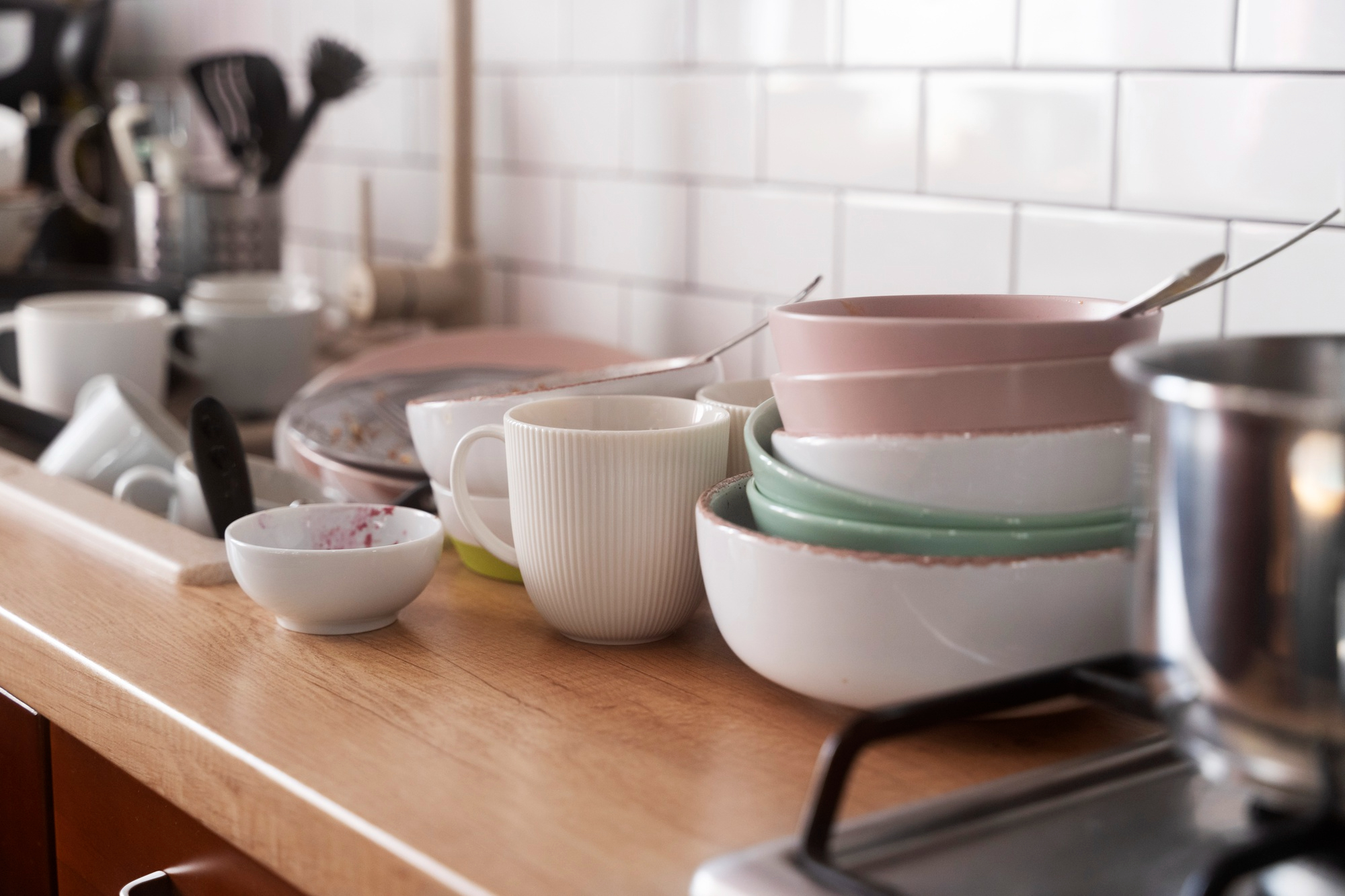
The change in me came on an ordinary Wednesday morning. Nothing dramatic happened. I simply walked into my kitchen at six o’clock and saw the entire arrangement clearly for the first time. A dirty coffee mug sat directly beside the dishwasher. A plate covered in pastry crumbs rested beside it. The blender was in the sink with dried green smoothie stuck under the blades. Vanessa’s purse occupied one of the dining chairs. A pile of laundry lay outside the basement door. One of her shoes was in the middle of the hallway. The kitchen trash was full, even though Austin had told me the night before that he would take it out.
Austin came downstairs, stepped around the laundry, opened the refrigerator. Morning, Mom. Good morning. Did you buy more yogurt? It’s behind Vanessa’s drinks. He found it, then noticed me looking at the clothes. Vanessa had a brutal day yesterday, he said. Could you throw those in with your next load? I looked at him. He was asking because he knew I would probably do it. She can wash her own clothes, I said. Austin’s hand paused on the refrigerator door. It’s just a few things. Then it will be easy for her.
Before he could respond, Vanessa entered the kitchen while typing on her phone. She moved my coffee mug away from the outlet and set the blender on the counter. We need to reorganize this kitchen, she said. Then she looked at me. The current setup doesn’t make sense, Evelyn. My breadbox is staying where it is. She opened one of my cabinets. These dishes could move too. No one is reorganizing my kitchen. She stared at me for a second, then smiled as if I had misunderstood. I’m only trying to make the space work for everyone. It already works. For you. Yes, I said. It is my kitchen. Then she turned on the blender. The noise filled the room. I picked up my coffee and went into the dining room. I was not furious. I did not want revenge. I was simply done.
That evening, Vanessa ordered spicy Thai food without asking, even though she knew rich food bothered my stomach. I didn’t know what you liked, she said. You could have asked. I was working. I opened the refrigerator and took out bread and cheese. You’re being dramatic. I’m making dinner. There is dinner. There is food you ordered for yourself. Starting tomorrow, things are going to change. Austin stopped chewing. Vanessa leaned back. What does that mean? It means I will no longer cook, clean, shop, wash clothes, or manage the house for two adults who act as though those things happen by themselves.
The following morning, I woke before five. I removed my good dishes from the cabinets, my mother’s cast iron skillet, the stainless steel pots Robert bought for our anniversary, my baking pans, serving bowls, porcelain mugs, and carried them into the locked pantry beside my home office. I left two plates, two bowls, two mugs, two glasses, two sets of silverware in the kitchen. Then I placed a locking cover over the dishwasher controls, the key on a blue lanyard. At eight, I drove to Miller’s Market and bought food for myself only, wheat bread, six eggs, cheese, chicken soup, coffee, apples, chicken breasts, and put the cold items in the mini refrigerator in my office. The main refrigerator contained only what Austin and Vanessa had purchased, which amounted to half a bottle of salad dressing, three probiotic drinks, and an old container of takeout rice.
At three thirty, Vanessa came home. I heard cabinet doors opening, then the refrigerator. Evelyn? Where are the dishes? In my pantry. Why? You have what you need. There are two plates. There are two of you. She pulled on the dishwasher. Why is this locked? Because I am no longer washing dishes that you leave around the house. She stared at me. This is unbelievable. It is simple. What are we supposed to eat? Whatever you purchase. You know we’re trying to save money. So am I.
When Austin came home, Vanessa met him in the hallway. Your mother locked up the dishes and stopped buying food. Mom? I told you things were changing. He opened the cabinets himself, checked the refrigerator. What are we going to have for dinner? Whatever you decide to buy. Vanessa ordered delivery, nearly seventy dollars after fees. I warmed soup in my office and carried it outside. For the first time since they moved in, I ate dinner without cleaning their dishes afterward.
The next morning, their dirty plates were still in the sink. I left them there. By evening, a faint smell came from the curry sauce. That night, Vanessa finally washed them. By the end of the first week, they were washing their dishes immediately. Not because I had convinced them. Because there were no clean replacements waiting.
Laundry was the next problem. Vanessa ran the washing machine almost every day, used too much detergent, left wet clothes sitting for hours. One Monday morning, I put my sheets in the washer and went upstairs to answer a phone call. Twenty minutes later, my sheets were on the basement floor, soaking wet, water spread across the concrete. Inside the washer, Vanessa’s blouses turned slowly in a delicate cycle. I carried my wet sheets upstairs, drove to the hardware store, and bought a heavy duty electrical plug lockout box for the washing machine. That evening, Vanessa went downstairs with a basket and came right back up. Did you lock the washing machine? Yes. I need to wash my work clothes. The laundromat on Oak Street is open until ten. You expect me to go to a laundromat? I expect you to stop removing my wet laundry from my machine. They were just sheets. They were my sheets.
Austin stepped outside. What happened? Your mother locked the washer. I handed him the latest water bill. This was due last week. Why is it so high? I looked at Vanessa’s basket. Neither of them answered. The Oak Street laundromat has plenty of machines, I said. That seven dollar trip bought me something I had been giving away for free. Control over my own time.
When I returned home one afternoon, I found a desk in my living room. Vanessa had pushed my reading chair against the wall. My family photographs were stacked face down on the floor. A ring light stood in front of the largest window. You moved my furniture. The bedroom lighting is terrible. You did not ask. I put the photographs back on the mantel and moved my chair. What are you doing? Restoring my room. This is childish. I am reclaiming my space. I brought my toolbox and began removing the bolts from the desk. Have you lost your mind? I can remove furniture that was placed in my living room without permission.
By the time Austin came home, the desk was in pieces. Vanessa sat on the stairs with tears in her eyes. She destroyed my office. I removed a desk from my living room. Mom, couldn’t you have waited? She could have asked. You told me you would contribute to expenses, I said. I know. You said I would not have to take care of you. I know. They became tense because you thought silence was peace, I told him. He did not answer.
For several days, Vanessa followed the rules. Then the late nights started. At midnight, she let the front door slam. At two fifteen, she stood in the kitchen heating food and watching videos without headphones. When you come home late, close the door quietly and keep your voice down. That’s my schedule. You’re older, Evelyn. It’s not like you sleep well anyway. Austin’s silence told me everything. After they left, I called a locksmith and had the deadbolt replaced. I gave Austin one key. What about Vanessa? She will need to coordinate with you.
At nine that evening, Vanessa entered holding her old key. What happened to the lock? I changed it. You gave him a key but not me? Yes. Anyone who cannot respect the peace of this home loses the privilege of entering whenever she pleases. Are you going to let her do this? He said nothing. For once, his silence did not protect her. It exposed her.
A few days later, Vanessa’s SUV developed a transmission problem, and one Tuesday morning my car was gone with a note. Borrowed the car for a client meeting. Back around six. My doctor’s appointment, three months waited for, was at ten thirty. I held out my hand to Austin for his keys. He hesitated, then slowly pushed them across the table. I did not rush. I returned shortly before five. You took Austin’s car all day. Yes. You could have called a ride. So could you. No. I am allowing your choices to affect you instead of me. That evening, I removed the spare car key from the hook. All my keys went into the locked drawer in my office. The following morning, Vanessa rented a car.
For almost two weeks, she followed the rules. Then, on a Friday afternoon, I found an unfamiliar silver SUV at the curb, a suitcase in the foyer, and a woman I had never met at my kitchen table drinking tea from one of my porcelain mugs. This is my mother, Cheryl, Vanessa said. She’s staying for a week. No one told me we were having a guest. It was last minute. You invited someone to stay in my house for a week at the last minute? She’s my mother. That is my favorite cup, I told Cheryl. I wasn’t aware the cups were assigned. They are.
I walked into the foyer, picked up Cheryl’s suitcase, and carried it onto the porch, then the second bag. What are you doing? This house is not a hotel, and no one asked whether I wanted company. You are humiliating my mother. You invited her into someone else’s home without permission. Austin walked in and stopped when he saw the luggage. Mom, you can’t do this. I already did. You have ten minutes to book your mother in law a hotel room. Vanessa complained about the cost of the only available room. I said nothing. She booked it. Cheryl left without finishing her tea.
A few nights later, I heard Austin and Vanessa arguing upstairs in low voices. She hates me. She doesn’t hate you. She locked me out. After you kept waking her. You can’t keep acting like none of this is your fault. For the first time, my son was saying what he should have said weeks earlier. I did not feel victorious. I felt tired.
The next evening, Austin came into the living room alone. Mom, we can’t keep living like this. Vanessa is stressed all the time. So am I. I’m caught in the middle. No, Austin. You are not caught in the middle. You stood beside your wife while she treated my home, my belongings, and my time as if they belonged to her. I was trying to keep the peace. You were trying to avoid an argument with Vanessa. Every time you stayed silent, you placed the problem in my hands.
I reached beneath the coffee table and removed a folder of six local rentals within their price range. You already looked? I knew this arrangement could not continue. Are you happy we’re leaving? I will be relieved. That’s honest. I do not want your marriage to fail. I do not hate your wife. But loving you does not require me to surrender my home. He nodded slowly. I should have done more. Yes. I’m sorry. I believe you.
During the next weeks, they toured apartments and eventually found one, two bedrooms, in unit laundry, a corner for her desk. They applied and were approved. Austin told me at breakfast. We can move in three weeks. Vanessa entered. I suppose you’re relieved. Yes. At least you admit it. I have always been honest. No, you’ve been controlling. I stopped cleaning your messes. You locked things. Because asking did not work. I thought family helped each other, she said, more quietly. Family does help each other, I said. Help is not the same as service. I didn’t realize you felt that way. You did not ask.
One afternoon during the packing, I found Vanessa standing in the guest room holding a framed photograph of Austin at eight years old, sitting on Robert’s shoulders at the county fair. He looked happy. He was. I know you think I took advantage of you, she said. I know you did. I thought you liked taking care of people. I do. Then why did it bother you? Because care is something freely given. Expectation turns it into labor. My mother always did everything for us, she said. Did you thank her? I thought I did. Did you help? She did not answer. It was not an apology. But it was the first time I believed she was thinking beyond her own inconvenience.
Moving day arrived on a cool Saturday morning. By noon, only a few bags remained. Vanessa came down carrying her purse. The apartment has a good kitchen. That is nice. I still think some of the things you did were extreme. I think some of the things you did made them necessary. We may never agree. We do not need to. I’m sorry about taking your car. I had not expected that. Thank you. And the laundry. Thank you. She nodded and walked outside.
Austin remained behind, looking around the foyer where his childhood photographs still hung, the pencil marks in the coat closet showing his height on every birthday. I’m sorry, Mom. I know. I should have stepped in earlier. Yes. He smiled faintly. You could make this easier. I already made your life too easy. He laughed, the first real laugh between us in weeks. He hugged me. I’ll call after we unpack. Call after you pay the utility deposit. I already paid it. Then you’re learning.
I watched the moving truck pull away. When the last vehicle disappeared around the corner, I closed the front door and turned the deadbolt. I stood in the foyer and listened. There were no footsteps upstairs. No blender in the kitchen. No one calling my name because something was missing, dirty, empty, late, or inconvenient. The silence returned all at once, so complete I could hear the old clock in the dining room.
I walked into the kitchen and unlocked the dishwasher. I carried my dishes from the office pantry and returned them to their cabinets, my cast iron skillet beside the stove, my porcelain mugs above the coffeemaker. The house did not look dramatically different. It simply looked like mine again. Upstairs, I opened the guest room windows. Cool air moved through the curtains. A single hair clip lay beneath the dresser. I picked it up and placed it on the windowsill in case Vanessa came back for it. I was no longer angry. I was not proud of how far things had gone. But I did not regret drawing the line.
Three days later, Austin called. They had unpacked most of the boxes. The water bill is going to be interesting, he said. You will survive. I made a budget. That may help. Vanessa told me she apologized, he said. She apologized for two things. That is progress. Do you think she can come with me when I visit? I looked around my quiet kitchen. Yes.
A week later, they came for Sunday lunch. Vanessa brought a salad. Austin brought bread. I made roasted chicken. The meal was not uncomfortable, but it was careful. Vanessa asked before placing her purse on a chair. When we finished eating, she collected the glasses. I’ll wash, she said. I watched her rinse each dish before placing it in the dishwasher. It was a small thing. It should always have been a small thing. But I understood what it meant.
We did not discuss the locks. We did not revisit every argument. There was no dramatic speech about forgiveness. Some damage does not disappear because people behave well for one afternoon. But the atmosphere was different. Vanessa asked before taking one of my porcelain mugs. Austin wiped the dining table. When they left, the kitchen was clean.
That evening, I sat on the patio with a book, the air smelling of fallen leaves and someone’s fireplace. I thought about how easy it had been for my son and daughter in law to confuse love with access. Because I loved them, they believed they could use my space. Because I was retired, they believed my time had no value. For a while, I helped prove them right. I washed the mugs. I folded the clothes. I paid the bills. I said nothing because I wanted peace. But peace built on one person’s silence is not peace. It is permission.
The following morning, I woke at five thirty, went downstairs in my robe, and turned on the coffeemaker. At exactly six, I sat at the kitchen table. The counters were clean. The laundry room was empty. My keys hung where I had left them. The only mug in the room was the one in my hand. I looked through the window at the maple tree and watched the first light reach the backyard. My home did not feel lonely. It felt respected.
The coffee tasted especially good that morning. Not because the beans were different. Not because I had changed the recipe. It tasted good because I was drinking it in silence that no one else believed they owned.

Adrian Hawthorne is a celebrated author and dedicated archivist who finds inspiration in the hidden stories of the past. Educated at Oxford, he now works at the National Archives, where preserving history fuels his evocative writing. Balancing archival precision with creative storytelling, Adrian founded the Hawthorne Institute of Literary Arts to mentor emerging writers and honor the timeless art of narrative.