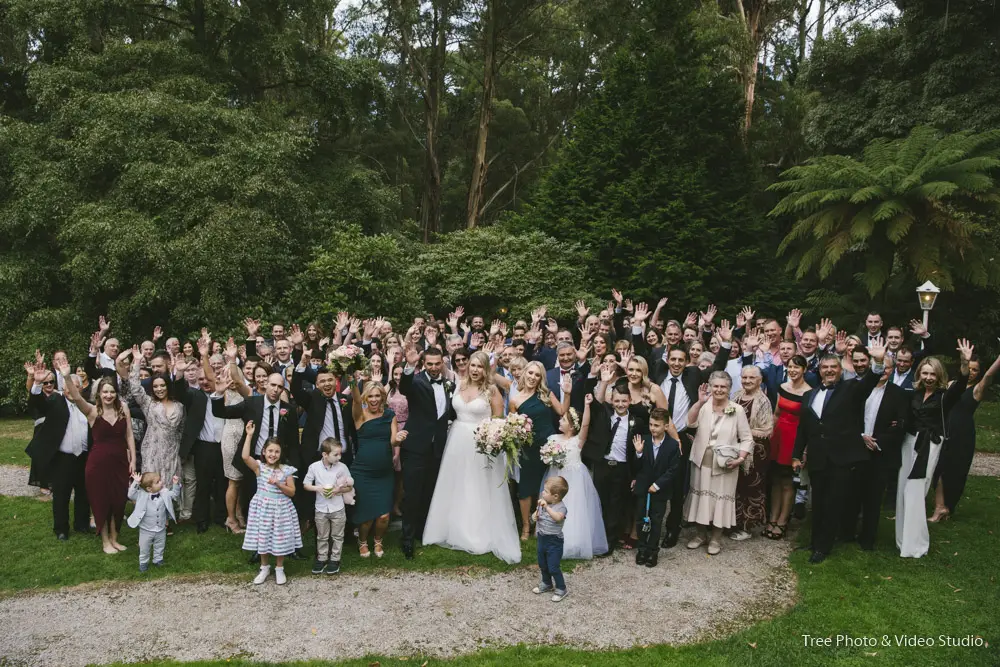
Before my sister’s wedding, my parents sent me five conditions in a family group chat.
Not requests. Conditions.
Mom wrote them out like a contract, numbered and everything, the way you’d write terms for a contractor you didn’t quite trust.
One: apologize to your sister for making her childhood difficult. Two: wear whatever dress she chooses, even if it is not flattering. Three: do not bring a guest. Four: do not mention your business, your house, or your “success.” Five: give your sister a wedding gift of at least twenty-five thousand dollars to prove you support her.
Then Dad added a single line underneath, and it was the line that did it.
Do all of them, and we’ll let you come.
Let me come. To my own sister’s wedding.
I read it sitting in my office, surrounded by product samples, open invoices, and the framed photo of the first tiny boutique that ever took a chance on my designs. My coffee had gone cold an hour earlier and I hadn’t noticed. I read the message once, twice, three times, waiting for it to turn into a joke.
It never did.
My name is Claire. And to understand what I did next, you need to understand thirty years of history, because nobody mails a binder like the one I mailed without a very long runway behind it.
My sister Brooke is two years younger than me, and from the moment she could smile on command, my parents decided she was the investment and I was the overhead. I don’t say that to be dramatic. I say it because I lived it in a thousand small ways that added up to one large truth. Brooke got dance lessons, pageant coaches, private tutors, and the bigger bedroom. I got told to be grateful for leftovers because Brooke “needed confidence.” Brooke’s trophies lived on the mantel in the living room. My honor roll certificates lived in a drawer, when they survived at all.
When I was eleven, I started making jewelry at the kitchen table. It began with a bag of glass beads from a craft store clearance bin and a spool of wire, and it became the only place in that house that belonged to me. While Mom drove Brooke to rehearsals, I taught myself wirework from library books. While Dad recorded Brooke’s pageants, I sold friendship bracelets at school for two dollars apiece and kept the money in a sock.
Mom called it my little hobby. Dad called it clutter. Brooke, at fourteen, walked past my station at a school craft fair with her friends and said, loudly enough for everyone to hear, “Those are beads for lonely women.”
Her friends laughed. I was sixteen. I remember exactly what I was holding when she said it, a pair of pearl drop earrings I’d stayed up until two in the morning finishing.
I sold those earrings twenty minutes later to a teacher who said they were the most elegant thing at the fair. I’ve thought about that teacher more times over the years than I’ve ever admitted to anyone.
I moved out at nineteen with two suitcases and eight hundred dollars. Mom told the relatives I had abandoned the family. That was the official story, repeated at every holiday I wasn’t invited to, and it did its work. Cousins I’d grown up with stopped calling. Aunts sent Christmas cards addressed only to my parents and “Brooke.” I became the daughter who left, the difficult one, the one who thought she was too good for family.
Meanwhile, I was working retail during the day and building jewelry at night on a card table in a studio apartment where the radiator clanked like a dying engine. I sold at flea markets. Then craft fairs. Then a boutique took twelve pieces on consignment and sold out in a weekend. Then two boutiques. Then a bridal shop asked if I could do custom veil clips, and something clicked into place that changed everything.
Brides. Brides will pay for beautiful things that mean something, and they will pay for craftsmanship, and above all they will pay for someone who answers the phone, hits the deadline, and treats their wedding like it matters. It turned out that being the ignored kid at the kitchen table had trained me perfectly for bridal work. I knew how to make beautiful things quietly and reliably while somebody else got the spotlight. I’d been doing it my whole life.
Ten years later, my company supplied custom bridal accessories to half the luxury wedding planners in the state. Tiaras, veil clips, bridesmaid combs, table pieces, the fine glittering details that make a wedding photograph like a dream. I had a workshop, six employees, a house I’d bought myself, and a wholesale catalog that planners fought over during peak season.
My parents knew almost none of this, because when my business took off, they called it luck. Ten consecutive years of luck, apparently. One lucky day after another for a decade. When I bought my house, Mom’s only comment, relayed through an aunt, was that it must be nice to have money for a house but not for family. I hadn’t been asked for money. That wasn’t the point. The point was to keep the story straight. Claire is selfish. Brooke is golden. Repeat until true.
Then Brooke got engaged to a wealthy real estate developer, and suddenly my phone remembered my family existed.
Not as a sister. As a wallet.
The first call came from Mom, sweet as syrup, asking how I’d been “all these years,” as though a fog had separated us instead of choices. Within four minutes she had mentioned the wedding budget twice. Within six she had wondered aloud what “someone in my position” might contribute. I was polite. I was noncommittal. I hung up and sat very still for a long time.
And then, two weeks later, the five conditions arrived in the group chat, followed by Dad’s coronation of a sentence. Do all of them, and we’ll let you come.
Here’s what they didn’t know I knew.
Three months before those conditions arrived, my bookkeeper had flagged an account during a collections review. A large custom order had come through one of the luxury planners we supply. A full bridal suite. Custom tiara. Eight bridesmaid combs. Pearl veil clips. Forty table pieces. It was a beautiful order, one of the biggest of the season, placed under a company name I didn’t recognize, with a business address I didn’t recognize, and a fifty percent deposit that cleared without a problem.
The final balance, due thirty days before the event, never came. Emails went unanswered. Calls went to a voicemail box that was full. That’s when my bookkeeper started digging, because sixty-one thousand, four hundred dollars doesn’t just get shrugged off, and that’s when she brought me a printout with a strange look on her face.
The contact email on the shell account was my mother’s.
I sat with that printout for a long time. I cross-referenced the delivery address. The venue matched the venue on Brooke’s wedding website, the one I’d been sent a link to by a cousin, since I hadn’t been sent an invitation. The event date matched. The order notes described the bride’s coloring, her dress neckline, her veil length. My sister’s measurements were in my own order system, entered by my own staff, for a tiara my own hands had helped finish, and none of us had known.
Brooke had ordered my designs for her wedding through a fake company. She’d used a business address that wasn’t hers to muddy the paper trail. She’d paid the deposit to get production started, and then simply stopped paying, and in the vendor file the planner kept, my company’s line item had been marked, at the client’s instruction, as a “family donation.”
A donation. From the sister who was too embarrassing to invite. Who was then handed five conditions and a twenty-five-thousand-dollar entry fee for the privilege of watching her own stolen work walk down the aisle.
I want to be honest about what I felt, because it wasn’t rage. Rage is hot and fast and stupid, and it would have had me in my car driving to my parents’ house to scream in a driveway. What I felt was cold and slow and very, very clear. It was the feeling of a lifetime of scattered puzzle pieces snapping into one picture. They had never once seen me as a person. I was a resource. When I was a child, I was a resource of patience and invisibility. Now I was a resource of money and craftsmanship. The conditions weren’t cruelty, exactly. They were a price list. This is what access to family costs you, Claire. Pay at the door.
So I replied to the group chat with one sentence.
I understand.
Mom sent a heart emoji. She thought I had surrendered. In her world, I always surrendered eventually, because in her world that was my function.
Brooke texted me privately an hour later: Don’t embarrass me by trying to look rich. Everyone knows what you are.
I read that text standing in my workshop, twenty feet from the shelf where her unpaid tiara sat in its padded box, tagged with an invoice number.
Everyone knows what you are.
I smiled. Then I did three things, in order, over the following week.
First, I called my attorney and had her prepare a formal contract termination for fraudulent vendor use, itemized to the penny, with every invoice, every unanswered email, every piece of the shell account’s paper trail attached, certified and clean. Sixty-one thousand, four hundred dollars, documented like a court exhibit, because that’s exactly what it might need to become.
Second, I called the wedding planner, a woman I’d worked with for six years, a woman who had unknowingly relayed a fraudulent order and was, when I explained, so professionally horrified that she went silent for a full ten seconds. I didn’t ask her to cancel anything. I asked her to do only one thing: follow her own contract, which stated plainly that unpaid custom installations were subject to removal. She agreed. Planners protect their vendors. Their whole business dies if they don’t.
Third, I booked a beach vacation to Malibu for the wedding weekend. Oceanfront suite. Spa package. A sunset dinner reservation for one. Phone on silent.
And before I left, I mailed one last gift to the venue, wrapped beautifully in silver paper with a white ribbon, with instructions attached in calligraphy: Bride opens before the reception toast.
Inside was not a check.
Inside was a white binder.
The morning of the wedding, I woke up in Malibu without an alarm for the first time in what felt like years. I had breakfast on my balcony. I had a massage at eleven. I walked the beach in the afternoon and let the cold edge of the Pacific run over my feet, and I thought about the kitchen table, and the sock full of two-dollar bracelet money, and the teacher who bought the pearl earrings, and I felt something in my chest that I eventually identified, with some surprise, as peace.
At 6:42 p.m., my phone exploded.
Twenty missed calls. Thirty texts. Voicemails stacking up like planes over an airport.
Then a video arrived from my cousin, the one cousin who had never fully bought the family story, with a message that said only: You need to see this.
The video opened on the reception. Hundreds of guests. Chandeliers. A head table dressed in white and gold, and I recognized my table pieces immediately, my own work glittering under the lights, forty small unpaid masterpieces. And there was Brooke, radiant in her gown, my tiara on her head, standing in front of everyone with a silver-wrapped gift in her hands and a performer’s smile on her face, because someone had just announced a special gift from the bride’s sister, and Brooke, I am certain, expected a fat, apologetic check she could wave like a flag.
She tore the paper. She opened the binder. She read three lines.
And she screamed.
Not a startled yelp. A full, throat-deep scream of recognition, the sound a person makes when the exact thing they were sure could never happen is happening in front of witnesses.
Because the title page read: Final Notice of Contract Termination — Fraudulent Vendor Use and Unpaid Balance: $61,400.
The video shook as guests rose from their chairs. The room’s murmur turned into a wave. Brooke’s head snapped toward our mother at the family table.
“You said this was handled!”
Six words. In front of everyone. My mother’s face went the color of the tablecloths. My father lunged for the binder, scanned the first page, and I watched his lips form my name, not like a name, like a warning label on something that had just detonated.
My cousin kept recording. Bless her forever, she kept recording.
The wedding planner appeared at the edge of the frame, calm and deadly in a black dress, moving through the chaos like a surgeon entering an operating room. “Mrs. Hale, we need to speak privately.”
“Not now!” Brooke shrieked.
“Yes,” the planner said, in a voice that did not rise and did not bend. “Now.”
Because the binder held everything, and the planner was holding a tablet with her own copy. Every invoice. Every email from the shell account. The deposit record. The delivery confirmations. The fake business address. Proof, laminated and tabbed, that the tiara on Brooke’s head, the combs in her bridesmaids’ hair, the pearl clips on her veil, and every glittering table piece in that ballroom had been taken from the sister she banned from attending, and had never been paid for.
My phone rang again while I watched. This time I answered.
“Claire.” My mother’s voice was shaking so hard it took her two tries to say my name. “What have you done?”
I leaned back in my balcony chair and watched a pelican glide over the darkening water. “I followed your conditions,” I said. “All five. I did not come. I did not bring a guest. I did not mention my business, my house, or my success. And I sent a gift worth well over twenty-five thousand dollars.” I let that sit for a moment. “It’s worth sixty-one thousand, four hundred, actually. You’ve had it for months.”
There was a sound like the phone changing hands, and then my father. “You are humiliating your sister in front of important people.”
“No,” I said. “She opened a bill in front of them. Those are different things. If the bill is humiliating, that’s a problem with what she did, not with where she read it.”
In the background, Brooke was screaming, “Tell her to fix it! Tell her to fix it right now!”
And then, cutting through everything, the planner’s voice, professional to the last: “The bride’s accessories and custom installations are subject to removal if payment is not settled.”
“Claire,” my father hissed, “be reasonable.”
“Reasonable,” I said, “was asking before stealing. That offer expired.”
Then, on the video still playing on my other screen, something happened that even I hadn’t planned, because I couldn’t have. The groom’s father stepped into frame, holding the binder, his face like carved ice. He was a businessman. He read documents for a living. And the shell account’s registered business address, the one Brooke had borrowed to make the fraud look legitimate, belonged to his company.
“Brooke,” he said, and the room went so quiet the video picked up the ice settling in glasses, “why does this say my company address was used for your unpaid contract?”
Brooke stopped crying. That’s the detail I keep returning to. The tears shut off like a tap, because tears were a tool and the tool had stopped working.
Mom whispered, “We can explain.”
And that was when the second envelope slid out of the binder and drifted to the floor. My cousin, may she live a thousand years, zoomed in.
I had included it deliberately, the last page of the shell account’s email records, printed and sealed. A message from Brooke to Mom, sent two months before the wedding, preserved forever in a server neither of them controlled.
After the wedding, Claire won’t dare sue family.
The groom picked it up. He read it twice. And then he looked at his bride, and I have watched that moment perhaps thirty times now, and every time I see the same thing. A man seeing a face without its makeup for the first time. Not the cosmetics. The other makeup. The lifelong performance.
“You planned to steal from your own sister?” he asked.
And Brooke, cornered, exhausted, stripped of her script, said the truest thing she has ever said in her life.
“It wasn’t stealing. She should have wanted to help.”
That sentence did more damage than my binder ever could. Because everyone in that ballroom heard it plainly, and everyone understood it. It wasn’t a denial. It wasn’t an apology. It was a confession of worldview. Things taken from Claire were not theft. They were tribute. Owed. Overdue. The excluded sister existed to be harvested, and the only crime here was that the harvest had complained.
The groom’s mother rose from her chair. “And you used our business address?”
Dad rushed forward. “This is a misunderstanding.”
The planner lifted her tablet. “It is documented.”
By then, half the guests understood exactly what they were watching, and the other half were being told by the first half in urgent whispers. The bride who had spent a year performing elegance had built her perfect wedding on unpaid work, fraudulent billing, and the lifelong assumption that the sister she’d humiliated would stay quiet, because staying quiet was what I had always done.
I didn’t watch the rest live. I turned off my phone, walked down to the beach in the dark, and stood at the waterline until the shaking left my hands. And they did shake. Not with regret. With the strange, weightless feeling of thirty years of silence leaving the body all at once. If you’ve ever set down something heavy you’d carried so long you forgot it was heavy, you know the feeling. Your arms float.
The consequences arrived over the following weeks without me raising my voice a single time.
The groom postponed the legal filing of the marriage license. Postponed, his family’s attorney was careful to say, not canceled, pending a full financial review, which is the kind of sentence that means everything while pretending to mean nothing. His family refused to pay a single reception bill until every vendor contract had been audited. My attorney’s formal demand landed on my parents’ doorstep the Monday after the wedding, certified mail, return receipt requested.
And the planner, following her contract to the letter, had removed every one of my company’s pieces before the after-party photos. The tiara came off Brooke’s head in a side room, catalogued and boxed by an assistant while the band played on for guests who had mostly stopped dancing. The photographs from the second half of that evening show empty stretches of white tablecloth where forty custom pieces used to glitter, and a bride with flattened hair and a bare collarbone, caught mid-lie in every frame.
My parents called me cruel. Then selfish. Then, by the weekend, they were sobbing into my voicemail about family and forgiveness and how I’d always been the strong one. Isn’t that remarkable. Thirty years of being the disposable one, and the moment there was a bill on the table, I was suddenly, retroactively, the strong one, and strength, as ever, came with obligations.
I answered none of it.
A week later, Brooke sent exactly one message.
You ruined my wedding.
I replied with the invoice number.
She blocked me.
Good.
The balance was ultimately paid by my father, wired in full, after the groom’s family made it quietly clear that a certain property deal Dad had been courting for two years would not survive an unresolved fraud claim against their address. I confirmed receipt through my attorney and closed the file. Brooke’s marriage proceeded, eventually, under amended prenuptial terms, a supervised household budget, and the kind of permanent, polite suspicion that no amount of anniversary posts can photograph away. Mom stopped posting wedding pictures altogether, because there wasn’t a single frame from that night that didn’t tell the story to anyone who knew how to look.
As for me, I extended the Malibu trip by three days.
I sat on that balcony every evening with iced tea, watching the sky do its slow pink-to-purple performance over the water, and I did some accounting of my own. Not the financial kind. The other kind. What it had cost me, all those years, to keep paying for a seat at a table where I was charged admission. What it bought me to finally stop.
Here is what I know now, and what I would tell that sixteen-year-old girl standing at a craft fair table, holding pearl earrings while her sister’s laughter faded down the aisle.
People who love you do not send you a price list. They do not draft conditions for your presence, and they do not confuse your patience for their entitlement. And when someone spends thirty years teaching you that your only value is what can be extracted from you, believe them, and then take yourself somewhere they can no longer reach the extraction point.
My parents offered me five conditions to earn my place at their table.
I chose the ocean instead.
And for once in my life, the view was worth more than the invitation.

Specialty: Quiet Comebacks & Personal Justice
David Reynolds focuses on stories where underestimated individuals regain control of their lives. His writing centers on measured decisions rather than dramatic outbursts — emphasizing preparation, patience, and the long game. His characters don’t shout; they act.