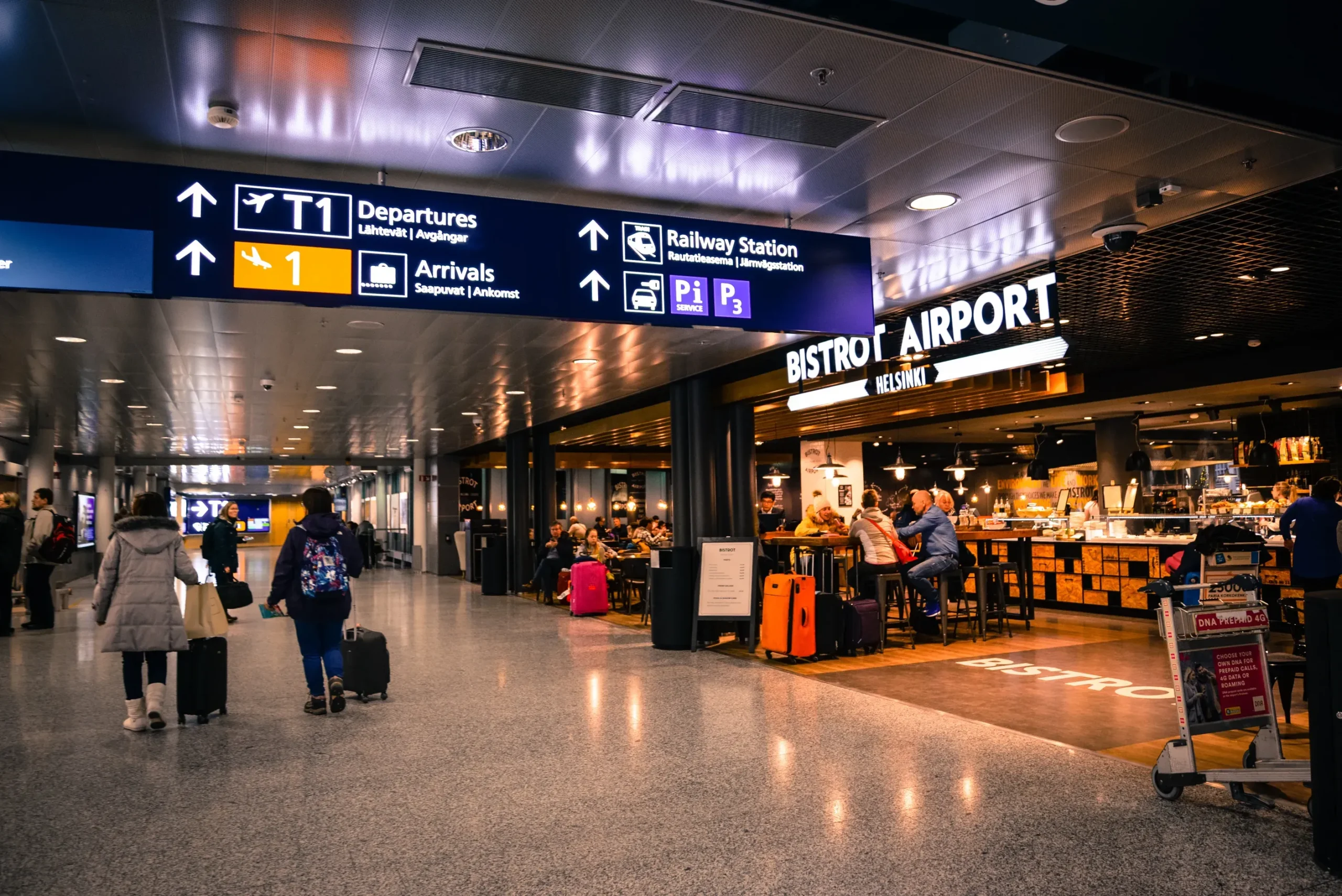
The airline employee looked at the computer screen, then back at me with an uncomfortable expression, the kind people wear when they know they’re about to hand you bad news that isn’t technically their fault but they still have to be the one to say it out loud.
“I’m sorry, Ms. Parker. Your reservation was canceled online forty-seven minutes ago by the person who originally booked the ticket.”
For several seconds I simply stood there inside Seattle-Tacoma International Airport, listening to suitcases rolling across the polished floor and boarding announcements echoing overhead, that particular airport soundtrack that usually means you’re about to go somewhere, not that you’ve just been quietly erased from a trip. Ten minutes earlier, my father, Grant Parker, had dropped me at another entrance with a smile on his face, acting as though our entire family was about to fly to California together for my mother Linda’s sixtieth birthday. He’d hugged me. He’d told me to grab a coffee before boarding, that he’d see me at the gate.
I called Dad. No answer. I called Mom. She ignored me too. So did my brother Evan and my sister Chloe, one after another, straight to voicemail, like they’d all agreed on it in advance, which, as it turned out, they had.
Then a text from Dad appeared on my screen.
Walk home.
I stared at those two words for what felt like a very long time, standing in the middle of a busy terminal with my carry-on bag still over my shoulder, until I understood, slowly and then all at once, that this wasn’t a booking mistake. This was deliberate.
I want to back up, because the airport wasn’t really where this started. It started two weeks earlier, when Dad had asked me to co-sign a high-interest loan so he could expand Parker Signworks, his commercial sign company. His business couldn’t qualify on its own — his cash flow was already unstable, his existing debts already stretched thin — so the lender wanted my income attached to the application to make the numbers work. The monthly payment on that loan would have been higher than my own mortgage. I looked at the terms for two days, ran the numbers three different ways, and told him no.
Apparently leaving me at an airport was supposed to teach me what happens when I stop cooperating.
Then I remembered something my father had apparently forgotten in the planning of his little lesson. I had personally booked and paid for the vacation rental in Carmel, the seven-seat SUV, and a prepaid coastal tour. Everything for that trip — the parts that actually cost real money — had gone through my card, under my name, my reservation numbers.
I opened the app right there at the gate, my hands steady in a way that surprised me. Everything was still under my name.
I laughed once, a short, sharp sound that made the woman next to me glance over, and I texted Dad.
You sure?
Five minutes later, the SUV carrying my family came racing back toward the airport. By then I was already inside a rideshare heading the opposite direction, watching the terminal shrink in the side mirror. Dad called eleven times before I even reached the highway. I let every single one go to voicemail.
While the reservations were still refundable, I canceled the rental house and the SUV and converted the coastal tour into travel credit. I didn’t touch anyone’s airline tickets. I didn’t take a cent from anyone else’s account. I simply canceled things I had booked and paid for myself, with my own money, that I was no longer going to be using.
Then I called my aunt Renee.
The first thing she said made my stomach tighten in a way that told me this was going to be worse than I’d already suspected. “Did Grant cancel your ticket because you refused to guarantee that loan?”
Until that moment, some small, stubborn part of me had still wanted to believe Dad had simply lost his temper, made an impulsive, ugly decision in a moment of frustration. Renee told me otherwise. Two days earlier, Grant had mentioned his plan to her directly. He’d said I needed to remember who had helped me become successful, and that taking away some family warmth might make me more cooperative.
That was the moment the problem stopped being about one canceled vacation.
For nearly four years, I had quietly helped almost everyone in my family, in ways large and small that had accumulated into something I hadn’t fully totaled up until I started, that day, forcing myself to actually look at it. I paid part of Chloe’s respiratory therapy tuition directly to her school every semester. I covered the monthly payment on Dad’s company box truck. I helped my parents catch up on property taxes more than once. I’d even placed a refundable deposit on equipment for Evan’s planned mobile bicycle-repair business, something he’d pitched to me over dinner with the kind of enthusiasm that made it easy to say yes before thinking too hard about it.
Whenever I asked questions about where the money was actually going, they called me controlling. Somehow, though, my money itself was never too controlling for them to accept.
I opened my banking app right there in the back seat of the rideshare. Chloe’s next tuition payment had been voluntary. I canceled it. Dad’s truck payment had been voluntary. I stopped it. Future property-tax assistance had been a gift, not an obligation. I removed it. Evan’s equipment deposit had been charged to my card and was refundable, so I requested the refund.
I didn’t reverse anything that had already been completed as a gift. I didn’t access anyone else’s account. I simply stopped volunteering my income going forward, which felt, in that moment, like the smallest and most obvious thing in the world, and also like something I should have done years earlier.
Dad finally left a voicemail. “Claire, this was supposed to make you less controlling. Restore the reservations. We’ll talk when you get there.” Mom messaged next. She didn’t ask whether I was safe, whether I’d found a way home, whether I was okay standing alone in an airport my own father had just abandoned me in. She asked me to restore the vacation house before their flight departed.
I sent one word back. No.
They boarded the plane anyway. They still believed I would calm down before they landed in California, that this was a mood that would pass the way my moods apparently always had before. What they didn’t understand yet was that losing one vacation was about to become the smallest consequence of what they’d done.
My family spent one miserable night in an overpriced airport hotel near San Jose before flying back to Washington the next morning, the trip they’d planned around my mother’s birthday collapsing into an expensive, humiliating detour. Dad immediately began telling relatives that I had destroyed Mom’s birthday over what he called a harmless joke. According to him, I was being emotional. According to Mom, I had embarrassed the entire family. Nobody, in any version of the story making its way around the extended family, mentioned that I had reimbursed Dad for my own airline seat, or that he had intentionally canceled it before dropping me at a different terminal entrance specifically so he could be gone before I reached the counter.
Three days later, Chloe sent me a screenshot from her college portal. You entered the wrong payment date. Can you fix this today? Registration closes Friday. No greeting. No apology. Just a task, delivered like an assignment.
I didn’t enter the wrong date, I wrote back. I ended all voluntary family payments.
She called instantly. “I didn’t cancel your ticket.”
“I know. Dad did. What I want to know is why you got on the plane after you knew he had deliberately stranded me.”
A long silence followed, long enough that I actually checked to see if the call had dropped. Then Chloe admitted Dad had told everyone I needed to be humbled. She claimed she’d felt uncomfortable about it, but she’d already arranged time away from her clinical training for the trip, and more importantly, she needed me to keep paying her tuition, so she’d stayed quiet because she didn’t want to make Dad angry.
“You knew I was being punished,” I said, “and you still expected me to keep paying for it.”
Chloe pivoted immediately into talking about how delaying graduation might affect her future, her career timeline, her licensing exam schedule. I sent her information about scholarships, emergency grants, hospital sponsorship programs, and payment plans — real resources, the kind I’d have looked up for a stranger who asked. Her biggest complaint, when she finally responded, was that they required applications, essays, paperwork.
That told me everything I needed to know. She didn’t want help becoming independent. She wanted access to my money specifically because my money had always required no effort from her at all.
Then Evan called. The supplier had released the deposit on the van, tools, and batteries he wanted for his business, since I’d requested the refund.
“You promised you’d help me launch.”
“I promised before you helped leave me at an airport.”
“Dad planned it. I didn’t plan anything.”
“I heard you laughing in the background of his voicemail.”
Evan went silent, and didn’t try to argue that one.
That same afternoon, Dad called from the dealership because the automatic payment on his company truck had failed. “If they take this truck, I’ll lose jobs,” he said, his voice tight with something between panic and accusation.
“The truck belongs to Parker Signworks. It never belonged to me.”
“Successful children help their parents.”
“Then why did a successful daughter deserve to be abandoned at an airport?”
He demanded one more month. I refused. And that was when my family decided, collectively and apparently without much internal debate, that the truth about what had actually happened needed to be rewritten into something more flattering to everyone but me.
Within days, relatives began contacting me with versions of the story I barely recognized. One uncle had been told I threw a tantrum over an airline mistake. A cousin thought I was deliberately trying to destroy Chloe’s education out of spite. Someone else believed I had canceled Mom’s birthday vacation without warning simply because I wanted attention.
Renee sent me screenshots from a family group chat I had never been invited to join. Dad had written that I was suffering some kind of emotional breakdown and using money to control everyone around me. Mom said she worried I was “not myself.” Evan claimed I had destroyed his future. Chloe corrected none of it, sitting silently in that chat while the story hardened into something that made me the villain of my own abandonment.
At first, my instinct was to send every screenshot and receipt I had and expose the whole thing immediately, all at once, in one furious message to everyone. Instead, I made myself slow down and build a timeline. I saved Dad’s “Walk home” text. I saved the receipt proving I had reimbursed him for my own airline ticket, the one he’d canceled anyway. I saved the cancellation records for the rental and the SUV, and every message that had come afterward. I wanted, when I finally spoke, to be able to say every word of it with proof sitting right beside it.
Then Dad announced a family dinner at a waterfront restaurant in Tacoma. Bring the bills, he wrote. We’re settling this like adults.
I understood the strategy the moment I read it. He planned to put four emergencies in front of me at once — Chloe’s tuition, his truck, my parents’ property taxes, Evan’s business equipment — all in the same room, in front of extended family, so that if I refused any of them I would look, to everyone watching, simply heartless. It was a smart move, in its way. It was also, by that point, entirely transparent to me.
I agreed to attend on one condition: that Renee would come too. Dad waited nearly an hour before answering. Fine. That hour of silence told me everything about how afraid he was of what she already knew.
On Sunday, Renee and I walked into the private dining room together. Dad had arranged stacks of documents in the center of the table like exhibits laid out for a jury. Before I’d even sat down, he started in.
“Let’s agree the airport lesson went too far. Nobody expected Claire to react this dramatically.”
Mom began describing their terrible hotel, the canceled rental house, the ruined birthday trip, her voice climbing with the particular grievance of someone who genuinely believes she is the injured party. Chloe pushed tuition notices across the table toward me without a word. Evan showed me photos of the van he still wanted. Dad placed the truck statement and the property-tax schedule directly in front of my plate.
Nobody asked how I felt. Nobody asked what they could do to repair what they had done. I took out my phone and read Dad’s message aloud, into the silence of that private room.
“Walk home.”
His jaw tightened. “People say things when they’re angry. One text shouldn’t determine a family’s future.”
“When exactly did you become angry? You canceled my ticket before you dropped me off. You left me at another entrance so you could be gone before I reached the counter. That wasn’t anger. That was planning.”
Renee leaned forward, her voice steady and clear. “He told me about it two days before the trip.”
The entire room changed in that instant, a shift I could feel more than see, chairs adjusting, eyes flicking toward Dad. He claimed he had only been venting to Renee, blowing off steam, nothing more. Renee repeated back, calmly and precisely, exactly what he’d told her: that he intended to exclude me from the vacation because I’d refused to guarantee his business loan, that he believed a few hours of panic would remind me how much I needed the family’s acceptance. His plan, laid bare, had been simple. I would become frightened. I would scramble to buy another ticket. I would arrive in California anyway, chastened. And then, eventually, I would sign the loan papers.
Mom finally admitted she’d known there was supposed to be a “lesson.” “You knew I had already paid Dad back for my seat,” I said to her, and she looked down at the table instead of answering.
Evan admitted Dad had told them all I would cool off before the plane even landed. Then Chloe said the thing that hurt more than anything else said that entire evening.
“I thought you’d forgive us. You always do.”
That was the moment I finally understood the actual shape of what had happened. They hadn’t believed the plan was harmless. They had simply believed I was predictable — that I could be hurt temporarily because I would go on helping them permanently, regardless.
I opened the folder I’d brought and set a financial ledger on the table between the tuition notices and the truck statement. It included years of tuition payments, truck transfers, property tax assistance, emergency repairs, insurance deductibles, travel costs, and business deposits, laid out in careful columns.
Dad scoffed. “So now you’re keeping score against your own family?”
“No. I started documenting when you started rewriting history.”
I made it clear, plainly, that I wasn’t demanding repayment for any of it. Every old gift would remain exactly what it had been — a gift. The ledger existed for one reason: because Dad had been telling relatives that he financially carried the family and that I helped only when it suited me, and the numbers, sitting right there in black and white, told a very different story than the one he’d been circulating.
Dad’s face turned red. “If you keep this up, don’t expect to be welcome at family gatherings.”
I looked at him calmly. “You already used belonging as leverage at the airport. It doesn’t work anymore.”
Then I placed copies of the canceled-payment notices beside their bills. The decisions were final, and I said so, and nobody at that table found a way to argue with paper.
Outside the restaurant, Chloe followed Renee and me into the parking lot. She begged me to separate her tuition from what she called “Dad’s mistake,” as though the two things existed in entirely different universes.
“You made your own decision,” I told her. “You knew what he was doing and you boarded the plane anyway.” I handed her a page listing scholarships, financial-aid contacts, and a hospital tuition-support program I’d already researched.
She stared at it like I’d handed her something written in another language. “These require essays and supervisor recommendations.”
“Yes.”
“I don’t have time for all that.”
For the first time, standing in that parking lot under a streetlight, I saw with total clarity exactly how much my financial help had spent years protecting everyone around me from ever having to make an actual effort.
That night, Evan sent me another warning. Dad says if you don’t reverse everything, he’s coming to your office. He thinks you’ll listen when your coworkers see what kind of daughter you are.
I saved the message and forwarded it to my building’s security desk. Tuesday morning, security called me before Dad had even reached the elevator. He and Mom had told the receptionist there was a family emergency. I agreed to meet them in the lobby, with a security officer standing nearby, close enough to matter.
Dad’s first words weren’t an apology. “You need to make the truck payment today.”
That was the moment I stopped wondering whether any of this had ever really been about family, in any sense that meant something.
Dad argued that since I earned a good salary, paying his truck loan shouldn’t be difficult for me. Mom said they could fall behind on property taxes. I reminded her the next deadline was still weeks away, that they had options — reduce expenses, sell unused property, contact the county about a payment arrangement — that didn’t run through my checking account. Dad accused me of humiliating them. “You came to my workplace,” I reminded him. “You created this scene.” When he refused to leave without securing one truck payment and one tax installment, security escorted both of them out of the building.
By lunchtime, relatives had already heard that I had thrown my parents out onto the street while they begged for help. This time, I didn’t chase every rumor down individually. I sent one factual statement to the family group chat, the one I’d finally been added to, or maybe just forwarded my way by Renee.
My airline ticket was deliberately canceled as punishment for refusing to guarantee a business loan. I ended voluntary payments made from my own accounts. I have taken no money from anyone. I will not discuss private finances further.
Then I stopped explaining myself entirely, and let reality begin doing what arguments never could.
Evan lost his original equipment and van reservation, but he kept his job at a sporting-goods store and began repairing bicycles on weekends with rented tools, slowly, one customer at a time. Chloe completed financial-aid applications and picked up extra shifts at a rehabilitation center; her graduation would be delayed by a semester, but she stayed enrolled. Dad returned the company truck and started renting vehicles only when specific jobs actually required them; his profits dropped, but Parker Signworks survived on its own footing for the first time in years. Mom increased her hours at the optometry office where she’d worked part-time for a decade. My parents canceled subscriptions, sold a recreational trailer they rarely used, postponed a kitchen renovation, and stopped eating out as often as they had.
Nobody became homeless. Nobody’s future actually disappeared. They simply started living on their real income, which turned out to be entirely survivable, if less comfortable than the version subsidized quietly by me for years.
And I finally understood something that took longer to sink in than it should have: for a long time, I had been the invisible difference between what my family actually earned and the lifestyle they believed they deserved to be living.
Mom began sending old photographs and family recipes over text, no explanation attached — a picture of me at seven years old on a camping trip, a recipe card for the lemon bars she used to make every summer. She wrote about vacations, childhood memories, Sunday dinners from years ago, but she never directly acknowledged the actual problem. She never wrote we planned to hurt you. She never asked what rebuilding trust would actually require of her.
Three weeks later, Dad organized a replacement birthday dinner for Mom. Relatives began messaging me, saying they were happy I had finally “come to my senses.” I had never agreed to attend anything. I decided to stay home. Then an uncle sent me a message — “Proud of you for fixing what you caused” — and something about the casual certainty of it, the way the story had already been decided without me, made me change my mind.
Renee walked beside me into the rented banquet room. Dad spotted us and immediately raised his voice for the room. “Here she is — the daughter who finally came to her senses.” People actually applauded.
I remained standing. “Before dinner begins, I need to correct something. I have not apologized for ending my payments, and I have not restored any of them.”
The applause stopped instantly, the silence afterward somehow louder than the clapping had been. Dad accused me of choosing money over family. I asked Renee to tell everyone what Grant had actually said before the airport trip, and she did, calmly, in front of the whole room. Then Mom finally said the sentence that stripped away every excuse anyone had been offering for months.
“I wanted you to feel dependent on the family for once. You walk around acting like you never need anybody.”
The room went completely silent. There it was, finally, spoken out loud in front of everyone. Not a joke. Not a misunderstanding. Not a single moment of anger that had simply gotten out of hand. They had intentionally tried to make the daughter funding their lives feel powerless, specifically because my independence had apparently become intolerable to watch.
I opened the sealed folder I’d brought. Inside were documents confirming that every recurring payment had ended, along with the airline cancellation record, my reimbursement receipt, Dad’s “Walk home” message, Evan’s warning about the office visit, and screenshots of the false stories that had circulated among relatives for weeks. The final page laid out a new boundary, plainly: no personal calls, no unannounced visits, no social media contact. One email address would remain open, strictly for legitimate administrative matters.
Dad stared at me. “Then you’re no longer my daughter.”
“You’ve been using belonging as a threat since the airport,” I said. “It doesn’t have power over me anymore.”
Several relatives tried to mediate. I refused. There was nothing to mediate while Dad continued to describe a planned punishment as a harmless joke gone slightly sideways. Chloe asked if I would at least attend her graduation. “I’m not turning attendance into another bargaining tool,” I told her. Evan demanded compensation for money he’d already spent preparing his business around a deposit I’d never guaranteed. “You chose those expenses,” I said. “I never signed a partnership agreement, and I never guaranteed your business.”
Mom began crying, complaining that nobody cared this was supposed to be her birthday celebration, that the whole evening had been ruined again, a second time, and somehow, in her telling, that ruin belonged to me rather than to the eleven months of decisions that had led to this exact room.
Renee and I left before the cake was cut. Mom followed us into the parking lot and asked for two private minutes. She told me she missed me. She blamed Dad’s pride. She insisted the old photographs she’d been sending hadn’t been manipulation, just memories she genuinely wanted to share. Then she asked one final question.
“Could you at least pay the next property-tax installment? Just this once?”
I looked at her for a long moment. “No.”
That was our last real conversation.
Afterward, I blocked personal phone numbers and social media accounts across the board. Renee respected the boundary and refused to become a messenger between us, which I was grateful for in a way I didn’t fully appreciate until later. I changed my emergency contact information, updated my important documents, and removed every informal authorization I’d given family members over the years — the kind of small administrative access that accumulates quietly over a decade of being the responsible one.
And something unexpected happened. Nothing collapsed.
Dad kept his business, only smaller. Without my credit behind him, he abandoned the risky expansion loan entirely, rented trucks only when jobs actually required them, and stopped pretending that growing his company was something my finances were responsible for underwriting. Chloe eventually finished her respiratory therapy program after a one-semester delay. She mailed me a graduation announcement, no note attached, no apology folded inside it. I put it in a drawer and didn’t attend. Evan continued working his retail job and slowly built a modest weekend repair operation with money he earned himself, one wrench and one customer at a time, my savings no longer part of his business plan in any form. Mom worked more hours and adjusted, gradually, to a life without my financial assistance quietly filling in the gaps.
I also realized, in the months that followed, how much unpaid work I had been doing beyond simply writing checks — tracking deadlines, comparing loan terms, reviewing contracts, making phone calls, fixing every family emergency as it arose. That labor disappeared from my life all at once, and the space it left behind felt, at first, strange and a little too quiet, and then, slowly, like room to breathe.
Four months after the airport incident, my apartment intercom buzzed. Dad was standing on the public sidewalk outside. “The family has suffered enough,” he said, through the tinny little speaker.
I asked him one question. “Knowing everything this cost you, would you cancel my ticket again?”
He hesitated, long enough that the hesitation itself was an answer. “I would handle it differently.”
“That wasn’t my question.”
Even after everything — the lost loan, the returned truck, the empty dinner, the silence — he still couldn’t simply admit it had been wrong. He invited me to Sunday dinner. I refused.
“You might regret having nobody when you need help,” he said.
“Needing support is different from accepting disrespect.”
I told him not to return, and he didn’t.
Several months later, I finally took the California trip by myself. I booked a small waterfront hotel near Monterey, the kind with a narrow balcony and a view I’d paid for and would actually get to use this time. I ate wherever I wanted. I stopped whenever the ocean looked too beautiful to drive past without pulling over. I woke each morning without anyone waiting on the other end of a phone call for an expense I was supposed to be covering.
One evening at sunset, sitting on that balcony with a glass of wine going warm in my hand, I thought back to standing at the airport kiosk, reading Dad’s message. Walk home. For years I had believed home meant the people whose emergencies I solved, whose bills I remembered, whose problems I quietly carried without ever being asked to set them down.
Now I knew better.
My father canceled one airline ticket because he wanted to remind me how much I needed my family. Instead, he showed me, with total clarity, exactly what my family believed they needed from me. My money. My credit. My forgiveness. My predictability.
I never restored the payments. I never went back to Sunday dinner. And I stopped answering requests disguised as apologies.
They told me to walk home.
So I did.
I just chose a home where none of them had a key.

Specialty: Quiet Comebacks & Personal Justice
David Reynolds focuses on stories where underestimated individuals regain control of their lives. His writing centers on measured decisions rather than dramatic outbursts — emphasizing preparation, patience, and the long game. His characters don’t shout; they act.