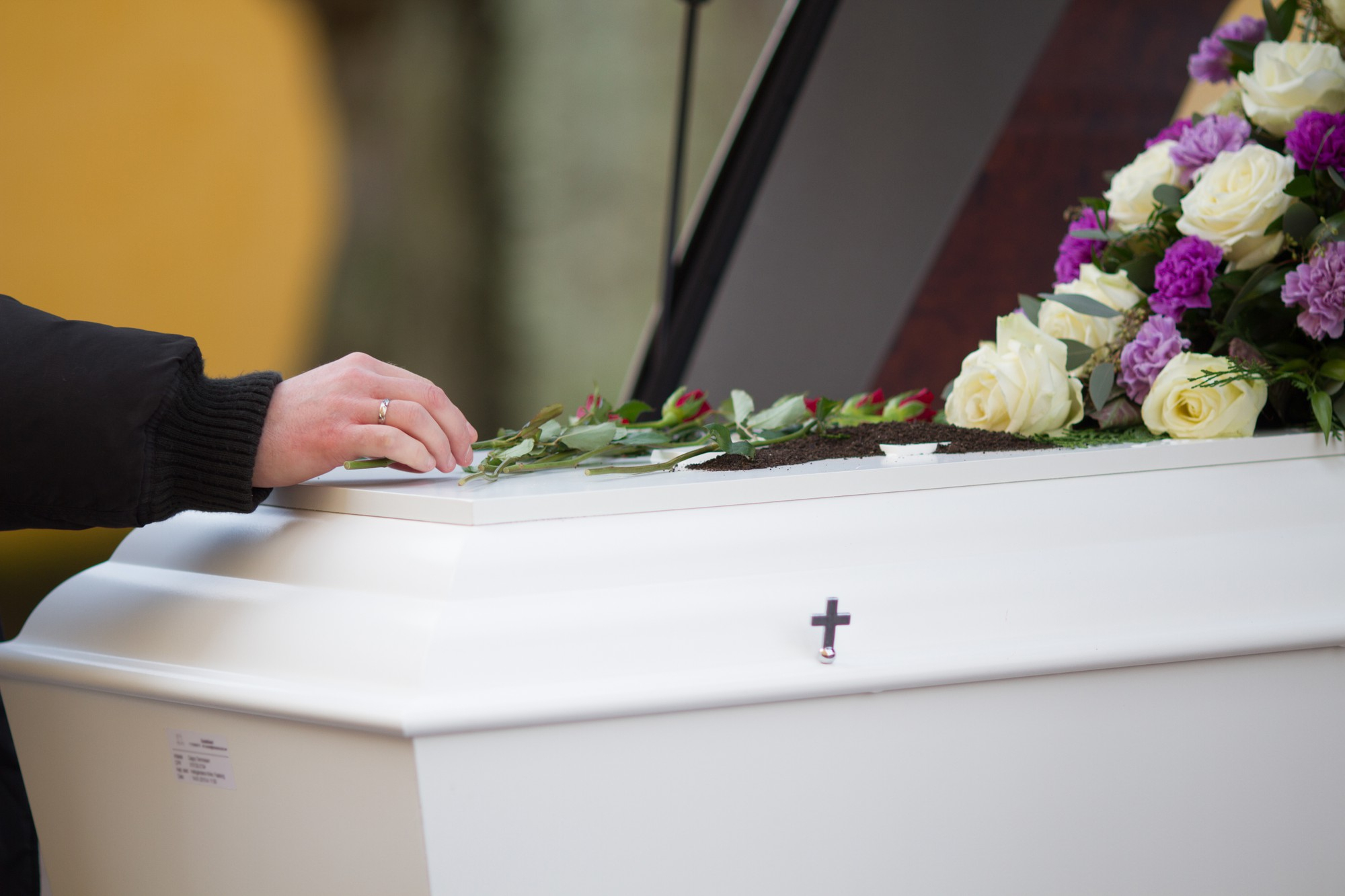
Mara used to say that Eli saw things the rest of us walked past.
She said it first when he was four and noticed that our neighbor’s cat had stopped appearing in the yard before anyone else knew the cat had died.
He had asked about it at dinner.
He said: where is Mrs. Calloway’s orange cat?
I said: I don’t know, buddy. He’s probably inside.
He said: he sits in the window every morning. He wasn’t there this morning.
He said it with the specific attention of someone reporting a fact rather than expressing concern.
He was right.
The cat had died two days earlier.
Mara had looked at me over his head with the expression she used when Eli did something like this, part pride and part something she couldn’t fully name, the recognition of a quality in her son that she was still working to understand.
She said later, putting him to bed: our boy notices.
She said it like it was the whole sentence.
And it was.
Eli noticed.
He noticed the way some children do when they have not yet learned that the world expects you to look at the big things and not the small ones, when the habit of attention has not yet been shaped by what other people consider important.
He noticed the orange cat.
He noticed when I changed my watch.
He noticed the specific order in which our neighbors left for work in the morning and commented when someone changed their pattern.
He was eight years old and he saw things.
I should have known.
Even in grief, I should have known.
My name is Daniel Chen.
I am thirty-eight years old.
I am a structural engineer with a firm that designs bridges and elevated transport systems.
My work requires the specific kind of attention to detail that prevents structures from failing, the constant checking of calculations, the verification of load tolerances, the understanding that a small error in a large system can become catastrophic.
I understand the importance of small things.
And yet I had missed what Eli saw.
I want to tell you about Mara first.
Not about the accident.
About Mara.
Mara Chen, née Weston, was thirty-six years old.
She had been a middle school science teacher for nine years and she was the kind of teacher whose former students came back to visit.
Not once or twice.
Regularly.
Kids who had moved on to high school and then college would appear at her classroom door in the fall of new years because they wanted to show her that they had kept going, that the thing she had started in seventh grade science was still running.
She had the specific quality of a teacher who does not teach subjects but teaches children.
She used them to understand the subject.
She and I had met at a conference that neither of us had particularly wanted to attend, where she was presenting a curriculum project involving structural principles for middle schoolers and I had been asked to speak about real-world engineering applications.
She had asked me three questions during the Q and A that were better than the questions anyone else in the room had asked.
I found her afterward.
We talked for two hours.
We were married four years later.
Eli was born the following year.
She labelled everything he owned because he had her quality of internal preoccupation, the quality of someone whose attention is always processing something, and the processing occasionally displaced the practical.
She sewed his name into his backpacks and his coats and his lunch bags.
Not iron-on labels.
Hand-stitched.
Because she said the iron-on ones fell off and the hand-stitched ones lasted.
The little blue tag with his name and our phone number was visible through the half-open zipper of his backpack on the morning after her funeral.
He had not taken the backpack off the chair.
He had sat in yesterday’s T-shirt pushing dry cereal around a bowl while I stood beside a mug of coffee I had let go cold.
The day before had been the service and then the burial and then the specific terrible thing of being in your own house afterward with people who meant well and who could not leave fast enough because their presence was the proof of the thing you were trying not to acknowledge.
They were kind people.
I wanted them to leave.
They left by eight.
I sat in the kitchen for an hour after.
Eli came downstairs at nine.
He sat across from me.
He looked at me the way he had been looking at me since the night I told him.
The specific look of a child who is holding something enormous and who is trying to figure out where to put it.
I pushed cereal in front of him.
He poured it.
He did not pour milk.
He pushed the dry pieces around the bowl.
I was looking at the funeral program.
I do not know why I was looking at it.
I had already read it.
I had written part of it.
But I was looking at it in the way you look at things after someone dies, searching for something in the familiar materials of their life and not finding it.
Eli said: Dad.
I said: yes.
He said: I don’t think that was Mom.
I looked at him.
He was looking at the cereal.
He said it the way he said the things he noticed.
Not with drama.
With the specific flatness of someone reporting a fact.
I thought immediately of grief.
I thought of the ways that children process death, the ways that the mind protects itself by constructing alternatives to the truth.
I had read about this.
A friend had sent me a book in the first week after the accident.
The book talked about magical thinking and about the specific ways that children, especially young children, sometimes struggle to accept the permanence of death.
I thought: Eli is confused. He is eight years old and he is confused by grief and this is a normal response.
I thought these things.
And then I remembered: Eli notices.
I said: which ear?
He rubbed his foot against the chair leg.
He said: the left one.
He said: Mom has that notch in her left earlobe. From when she got her ear caught.
He described it with the same precision with which he described the orange cat’s absence.
A small notch near the bottom of her left earlobe from an earring accident when she was seventeen.
She had told him the story once, because he had asked about it.
He had been five.
He had never forgotten it.
I had not thought about the earring notch once during the viewing.
I had looked at her face.
I had looked at her hands.
I had spent the service doing what he had said I would be doing, trying to convince myself this was really goodbye, and in that effort I had not seen the thing my son had seen.
I said: Eli.
I said: are you sure?
He looked up at me.
He said: I looked at it specifically.
He said: because I always look at it.
He said: it wasn’t there.
He said it without asking me to do anything with the information.
He said it the way he said the cat wasn’t in the window.
As a fact he had noticed that he was sharing because the sharing was what you did with facts.
I sat with it for a moment.
The part of me that was a grieving husband said: let it go. He is confused. This is the last thing you need.
The part of me that was a structural engineer said: a small error in a large system. Check your calculations.
The part of me that was Eli’s father said: your son sees things.
I called Willow Creek Memorial at eight-seventeen.
Denise was the director who had handled Mara’s arrangements.
She had been kind throughout.
The specific professional kindness of someone who does this work with genuine care.
When I explained what Eli had noticed, she became quiet in the way people become quiet when they are being careful.
She said: Daniel, you and your son have been through something terrible.
She said: sometimes people can look slightly different during a viewing.
She said: the preparation process.
I said: I understand.
I said: I’m not accusing anyone of anything.
I said: but I need the identification records reviewed.
She said: the burial has already taken place.
I said: I know.
I said: I was there.
I said: what I want is the identification trail from the county facility to the funeral home.
I said: who verified identification at each stage. What documentation exists.
She said: we have a signed release, a transport receipt, and the documentation required during the transfer.
I said: I’d like someone to check that carefully.
She said: of course. I’ll look into it.
I thanked her and hung up.
I looked at Eli.
He was still pushing the dry cereal.
He had not asked me what I was doing.
He had given me the information and he was waiting.
I said: I’m going to make some calls.
He said: okay.
I said: you did the right thing telling me.
He said: I know.
He said it without arrogance.
He said it with the quiet certainty of someone who already understood that telling me was the correct thing, the way he understood that reporting the cat was correct, because facts were meant to be shared with the people who could do something with them.
I called Detective Ruiz.
She had been assigned to the case after the accident.
The accident had involved a highway intersection, a failure of traffic control, and a delivery truck that had gone through a light.
She had been thorough and professional throughout.
I told her what Eli had noticed.
I told her without embellishment.
I told her what the notch was, where it was, what Eli had observed, and what I was asking.
She said: Daniel.
She said: Mara’s identity was confirmed before she was released to the funeral home.
She said: a mix-up seems unlikely given the protocols.
I said: I understand.
I said: I’m only asking you to check.
She was quiet for a moment.
She said: I’ll meet you at Willow Creek at ten.
The lobby was too warm.
The specific warmth of a space that is kept comfortable for people who are in distress and who do not notice temperature.
Someone had left a bowl of wrapped peppermints beside a stack of sympathy cards.
I took one.
I put it in my pocket.
I never opened it.
Ruiz arrived at ten-oh-three.
She shook my hand.
She said: how is Eli?
I said: he’s with my sister.
She said: good.
We went to the desk.
Ruiz asked Denise for the original intake paperwork.
Not a scan.
The original.
Denise returned with a gray folder.
Mara’s name.
Date of birth.
County case number.
A transport receipt stamped four-eighteen in the morning.
Ruiz read every page.
She read slowly, the way you read when you are looking for something specific and do not know exactly what form it will take.
She stopped.
She went back to one document.
She said: where is the original identification record that accompanied the transfer?
Denise frowned.
She said: it should be in the archived intake materials.
Ruiz said: can you check?
Denise disappeared through the door marked STAFF ONLY.
I started to follow.
Ruiz put one hand up.
She said: stay here, Daniel.
I stopped at the threshold.
A printer hummed.
Nothing else moved.
Denise returned carrying a shallow plastic tray.
Archived materials.
Old identification sleeves.
Keys.
Folded inventory slips.
She placed it on the counter.
Ruiz began separating documents.
I saw Mara’s last name on one photocopy.
My hand moved toward it.
Ruiz stopped me.
She said: let me handle it.
I put my hands in my pockets.
I found the peppermint.
I held it.
I did not open it.
Denise searched under several old records.
She froze.
She reached into the tray and pulled out a stiff white identification tag sealed in a clear sleeve.
She looked at Ruiz.
Ruiz held out her hand.
Denise placed it in her palm.
Ruiz read it once.
She read it again.
She turned it over.
She compared it to the transfer paperwork.
She looked at Denise.
She said: who processed this intake?
The color left Denise’s face.
Ruiz’s expression had changed in the specific way of someone who has found what they were looking for and who does not yet know the full shape of what they have found.
I said: what does it say?
Ruiz held the tag.
She looked at me.
She said: Daniel.
She said: the case number on this intake tag does not match the case number on the transfer receipt.
I felt the floor do something.
Not move.
The floor was solid.
I had designed enough structures to know the floor was solid.
But my sense of standing on it was different for a moment.
I said: what does that mean?
She said: it means we need to make some calls.
She said it calmly.
The calmness of someone who is managing a situation she is not yet able to name.
She turned to Denise.
She said: is there a private space where I can make some calls?
Denise said: my office.
She led us there.
Ruiz made the first call in the hallway before we went in.
I stood beside the door.
I heard her voice but not the words.
The specific half-heard quality of a conversation that is about you.
She came back.
She said: we’re going to talk to someone at the county facility.
She said: Daniel, there are some possibilities here and I don’t want to get ahead of what I know.
I said: what are the possibilities?
She said: the most likely is a paperwork error.
She said: a case number transposition during transfer. It happens.
I said: and the less likely?
She said: let me make the calls.
She went into the office.
Denise stood beside me in the hallway.
She was pale.
She said: I want you to know that we follow every protocol.
She said: every transfer is documented.
She said: I cannot explain the discrepancy.
I said: I know.
I said: I believe you do your job carefully.
I said: I’m not blaming you.
She said: who noticed?
I said: my son.
She said: your son.
I said: he noticed the earlobe.
She put her hand to her own ear without knowing she was doing it.
She said: the notch.
I said: yes.
She said: I hadn’t.
I said: none of us had.
We stood in the hallway.
The printer hummed again.
The lobby was still warm behind us.
Ruiz came out after twenty-two minutes.
I know it was twenty-two minutes because I had been watching the clock on the wall that showed the time in the specific way of clocks in public spaces, with the minute hand that moves in visible increments.
She said: I need to tell you some things.
She said: I want you to be ready.
I said: tell me.
She said: the county facility logged two transfers on the morning of the transfer date.
She said: the transport documents were prepared simultaneously.
She said: there was an administrative error in the numbering sequence.
She said: two case numbers were transposed at the point of document generation.
I said: so the documents went to the wrong cases.
She said: the documents accompanied the wrong transfers.
She said: yes.
I said: Mara.
She said: we’re working to verify the current location.
She said: of both cases.
I understood what she was not saying.
I said: so Mara may not have been buried yesterday.
She was quiet.
She said: we’re working to verify.
I said: the woman in the casket.
Ruiz said: we’re working on it.
She said it with the specific gentleness of someone who is managing information carefully.
Not withholding.
Managing.
I understood the management.
I sat down in the hallway chair.
I put my hands on my knees.
I thought about Eli at the kitchen table.
Pushing dry cereal.
Looking at the program.
Saying: I don’t think that was Mom.
I said: Eli knew.
Ruiz said: yes.
I said: an eight-year-old looked at his mother and knew something was wrong.
She said: yes.
I said: and none of the adults in that room.
She said: Daniel.
She said: it was a very small detail.
I said: it was her ear.
She said: yes.
I said: it was one specific physical characteristic.
She said: it was one that had been part of his daily experience of her.
She said: the notch.
She said: he had grown up looking at it.
She said: it was in his baseline.
She said: our baselines are built from what we see every day.
She said: the people processing these transfers don’t know the people.
She said: they know case numbers.
She said: we knew Mara.
She said: or we thought we did, from documents.
She said: Eli knew her from experience.
I said: from noticing.
She said: yes.
She said: from paying attention to the small things.
I thought about Mara.
I thought about what she had said when Eli was four.
Our boy notices.
She had understood what she had.
She had understood the quality in him.
I thought about whether she had known, in those four years of watching him notice things, that the noticing would matter like this.
I thought about her labeling his clothes.
Not because he was careless.
Because his attention was elsewhere.
He noticed things.
He just did not always notice his own sweatshirt.
She had understood this.
She had sewn his name into his coats because she loved him and because she knew him and because knowing him meant accounting for where his attention was and where it wasn’t.
The calls took another hour.
Ruiz was on the phone.
She moved between Denise’s office and the hallway.
She gave me updates in the specific incremental way of someone who is managing information flow.
At eleven-forty, she came and sat beside me.
She said: Daniel.
She said: I have information.
She said: I want to be clear about what we know and what we’re still working to confirm.
I said: yes.
She said: the county facility has located the discrepancy in their log.
She said: two transfers were made in close succession on the morning in question.
She said: the case numbers were transposed in the documentation.
She said: the physical transfers themselves were made correctly.
I looked at her.
She said: which means the documentation was wrong but the bodies were correctly identified at the physical transfer level.
I said: but the earlobe.
She said: yes.
She said: that is the complication.
She said: we’re asking the county facility to verify.
She said: the other family.
She paused.
She said: there was another family.
She said: who also had a service yesterday.
I said: at a different funeral home.
She said: yes.
She said: we’re in contact with them.
She said: we’re asking them to verify something very small.
I said: a physical detail.
She said: yes.
I said: that they may or may not have noticed.
She said: yes.
I sat with this.
I thought about another father somewhere in the city.
Maybe another family.
Having the same morning I was having.
Receiving the same call I had initiated.
Being asked to think about something small.
I said: who is she?
Ruiz said: I’m not able to tell you that yet.
She said: we need to verify before we do anything else.
She said: Daniel.
She said: how are you doing?
I said: I don’t know.
She said: yes.
She said: that’s the right answer.
She said: I want to be honest with you about something.
I said: yes.
She said: in my career, I have not encountered this.
She said: the county facility has protocols.
She said: multiple verification steps.
She said: but protocols are administered by people.
She said: and people make errors.
She said: the transposition was a human error.
She said: at a single point in the documentation chain.
She said: that single error propagated through the paperwork.
She said: but the physical identification.
She said: the physical identification should have caught it.
She said: and that is what we are still working to understand.
I said: there’s a step that failed.
She said: yes.
She said: there is a step we need to identify.
I said: so that it can’t fail again.
She said: yes.
She said: Daniel.
She said: regardless of what we find today.
She said: there is a process failure here that needs to be understood and corrected.
I said: yes.
I said: I know.
She said: I’m glad you called.
I said: I almost didn’t.
She said: what made you?
I said: he noticed.
She said: yes.
She said: but you listened.
I said: he’s not wrong often.
She said: you listened to an eight-year-old about something you could have dismissed.
She said: most people would have dismissed it.
I said: he sees things.
She said: yes. And you know that.
She said: that’s also something.
I sat with that.
Knowing your child.
Understanding what they bring to the world.
Taking seriously what they say because you understand the quality of what they see.
Mara had understood it.
Our boy notices.
She had understood it from the time he was four.
She had sewn his name into his coats.
She had made room for the way he was in the world.
She had not asked him to be different.
She had accommodated the noticing.
She had loved the noticing.
And the noticing had caught something none of us had.
At twelve-fifty-two, Ruiz’s phone rang.
She stepped away.
She came back four minutes later.
Her expression had changed.
Not dramatically.
But I had been watching faces all morning.
I said: tell me.
She said: the county facility has spoken with the other family.
She said: they were asked to verify a physical characteristic.
She said: a small scar on the right hand.
She said: from a childhood injury.
I waited.
She said: the other family confirmed the scar was present during their viewing.
She said: it is consistent with their family member’s records.
She said: which means.
She stopped.
She said: Daniel.
She said: we believe the physical transfers were correct despite the documentation error.
She said: which means the woman buried yesterday.
I understood.
The woman buried yesterday was Mara.
And the earlobe.
The earlobe was the part I did not yet understand.
I said: then what was the earlobe.
She said: we don’t know yet.
She said: there are a few explanations that are possible.
She said: grief can affect perception.
She said: the viewing environment.
She said: the preparation process can sometimes cause minor changes in appearance.
She said: swelling, positioning.
She said: any of these could affect how an earlobe appears.
She said: we’ll have Denise review the documentation from the preparation.
She said: to understand what products and processes were used.
She said: if there was swelling or any topical treatment near the ear.
She said: it might explain why the notch was not visible in the way Eli remembered.
I said: or.
She said: Daniel.
I said: or she’s been looking at her mother’s earlobe since she was a baby and she saw something that wasn’t there.
Ruiz was quiet.
I said: she.
She said: yes.
She said: Daniel.
She said: Eli.
She looked at me.
I said: say what you’re saying.
She said: there are other possibilities we need to consider about the physical transfer.
She said: the documentation error was confirmed.
She said: the physical identification steps are what we need to review.
She said: and we need to review them carefully.
She said: which may take some time.
I said: you’re not certain she’s there.
She said: we’re not certain of anything yet.
She said: except that there was an error.
She said: and that an eight-year-old noticed something.
She said: and that we need to follow that to the end.
I said: yes.
I said: we follow it to the end.
She said: yes.
I sat in Willow Creek’s hallway for another hour while Ruiz made calls.
I called my sister.
I said: I don’t know how long I’ll be.
She said: Eli is fine. He’s been reading.
I said: okay.
She said: Daniel. Is everything all right?
I said: I don’t know yet.
She said: do you want me to say something to him?
I said: no.
I said: I’ll talk to him.
I said: when I know something.
She said: okay.
She said: we’re here.
At two-fifteen, Ruiz came and sat beside me again.
She had the expression of someone who has completed a chapter of a story and who does not yet know how the next chapter reads.
She said: the county facility has conducted a review of the physical transfer log.
She said: there are signatures at each stage.
She said: and there is an anomaly in the signature chain.
She said: one of the verification signatures is missing.
She said: a step that should have required a second confirmation.
She said: was logged as completed.
She said: but the confirming signature is absent.
I said: so a verification step that should have had two people confirm it.
She said: had only one.
She said: and that one.
She paused.
She said: that one is being reviewed.
I said: what does that mean for Mara.
She said: it means we need more information.
She said: before we can be certain.
She said: the facility is being contacted at the highest level.
She said: there will be a formal review.
She said: and we will get answers.
She said: I want to be honest with you.
She said: we may be in a period of uncertainty for some hours.
She said: possibly days.
She said: I know that’s not what you want to hear.
I said: I’ve been in a period of uncertainty since the accident.
She said: yes.
She said: I know.
She said: this is a different kind.
I said: yes.
I said: this is a kind where there might be a different answer.
She said: yes.
She said: Daniel.
She said: I want you to know that whatever we find.
She said: we find it because your son noticed.
She said: and because you listened.
She said: if you had dismissed it.
She said: if you had said he was confused by grief and moved on.
She said: we would not be here.
She said: and whatever is true.
She said: we would not know it.
I thought about that.
The specific choice I had made at the kitchen table.
Not to say: that’s normal. Grief confuses us. She just looked different.
Not to say: he’s eight and he’s sad and this is how children manage sadness.
To say instead: which ear.
Because I knew him.
Because knowing him meant knowing that when he said something he had noticed, the noticing was worth taking seriously.
Mara had taught me that.
Not explicitly.
By example.
By the way she listened when he reported things.
By the way she said: tell me more about that.
By the way she had made room in every conversation for the things he noticed.
She had understood that you do not dismiss what your child sees.
You investigate it.
I went back to my sister’s house at four.
Eli was in the living room with a book.
He looked up when I came in.
He said: did you find out?
I said: I found some things.
I said: there are still some things to find out.
He said: was I right?
I sat beside him.
I said: you noticed something that everyone else missed.
He said: but was I right?
I said: I don’t know the whole answer yet.
I said: but what you noticed started something important.
He said: is Mom okay?
Eight years old.
Asking if Mom is okay.
With the specific hope of a child who has offered information and who is still in the territory where things might be different.
I said: I don’t know yet.
I said: we’re still finding out.
He said: because of the ear.
I said: because you noticed.
He looked at me.
He said: I always notice her ear.
He said: every time she hugs me.
He said: I look at it.
I said: I know.
He said: it’s been the same my whole life.
He said: and then it wasn’t.
I said: yes.
He said: so I told you.
I said: yes.
He said: was that right?
I said: yes.
I said: Eli.
I said: that was exactly right.
He put his book down.
He looked at his hands.
He said: I hope Mom is okay.
I said: so do I.
We sat on my sister’s couch for a while.
Neither of us spoke.
The room was quiet in the specific way of rooms where something large is being held without being named.
He leaned against me.
I put my arm around him.
He said: if she’s okay.
He stopped.
I said: yes.
He said: if she’s okay.
He said: can we get pancakes?
I said: yes.
I said: if she’s okay, we can get pancakes.
He said: the ones with the blueberries.
I said: the ones with the blueberries.
He said: she always orders extra syrup.
I said: I know.
He said: she doesn’t like to run out in the middle.
I said: I know.
He said: Dad.
I said: yes.
He said: I hope she’s okay.
I said: me too, buddy.
I said: me too.
The review took three days.
I will not walk you through every hour of those three days.
I will tell you that they were the specific three days of a person who is in a suspended state, waiting for the answer that will either restore what was lost or confirm what was taken.
I will tell you that Eli went to school on the second day because sitting still was harder than being somewhere with other children and because his teacher, who knew what was happening, made room for him in the specific way that good teachers make room for things.
I will tell you that Ruiz called twice a day with updates that were not yet final.
I will tell you that I did not sleep more than a few hours at a time.
On the third day, Ruiz called at seven in the morning.
She said: Daniel.
She said: the county facility has completed their review.
She said: there was a verification failure at a specific point in the transfer chain.
She said: a staff member who was responsible for second confirmation did not complete the step and falsely logged it as completed.
She said: that staff member is on administrative leave pending a full investigation.
I said: and Mara.
She said: the physical comparison review has been completed.
She said: using documentation, photographs, and dental records.
She said: Daniel.
She said: Mara is where she was buried.
The floor did its thing again.
Not the same thing as before.
A different thing.
A settling.
I sat down.
She said: I know that’s.
She said: I know that’s not the answer you were hoping for.
I said: I was hoping for the truth.
She said: yes.
She said: the truth is she’s there.
She said: and the earlobe.
She said: the preparation review identified a specific product used near the left ear.
She said: it caused localized swelling and some change in tissue appearance.
She said: the notch would have been less visible.
She said: Eli noticed a real difference.
She said: what he noticed was a preparation effect.
She said: not an identification error.
I said: so he was right.
She said: he was absolutely right to notice.
She said: and we found something real.
She said: we found a systemic failure in the verification chain.
She said: because he noticed.
She said: Daniel.
She said: what your son started with one observation.
She said: led to a review that identified a process failure.
She said: that could have affected anyone.
She said: the county facility is implementing new protocols.
She said: effective immediately.
She said: because an eight-year-old noticed his mother’s earlobe.
I sat with the phone pressed against my ear.
I thought about Mara.
I thought about the viewing.
I thought about the way I had looked at her face and tried to say goodbye.
I thought about Eli in the front row.
Looking at her ear.
I thought about four-year-old Eli and the orange cat and: he wasn’t in the window this morning.
I thought about: our boy notices.
I thought about Mara understanding what she had before I did.
Making room for it.
Sewing names into coats.
I said: Ruiz.
She said: yes.
I said: what happens now.
She said: the investigation continues.
She said: the staff member.
She said: the systemic review.
She said: there will be recommendations.
She said: and Daniel.
She said: I would like to speak to Eli.
She said: if that’s all right.
I said: yes.
She said: I want him to know what he did.
I said: I’ll tell him first.
She said: good.
She said: you’re his dad.
She said: you should be the one.
I went to Eli’s room.
He was already awake.
He was sitting on the edge of his bed in his pajamas.
He looked at me.
He said: what did she say?
I said: Mom is where she’s supposed to be.
He was very still.
He said: then I was wrong.
I said: no.
He said: I said it wasn’t Mom.
I said: you said something was different.
I said: you were right.
I said: something was different.
I said: the way they prepared her had changed how her ear looked.
He thought about this.
He said: the notch.
I said: yes.
He said: it was really there?
I said: it was there.
I said: it just looked different.
He said: but I still noticed.
I said: you noticed that something was wrong.
He said: and you checked.
I said: yes.
He said: and they found a mistake.
I said: yes.
He said: a different mistake.
I said: yes.
I said: but a real one.
He said: will they fix it?
I said: yes.
He said: so that it can’t happen to someone else.
I said: yes. Exactly.
He said: Dad.
I said: yes.
He said: I wanted her to be okay.
I said: I know.
He said: I wanted her to be somewhere else and okay.
I said: I know, buddy.
He said: that’s why I noticed.
I said: I know.
He said: because I was looking for her to be okay.
I said: I know.
I sat beside him on the bed.
He leaned against me the way he had on my sister’s couch.
He said: she’s not okay.
I said: no.
He said: she’s gone.
I said: yes.
He said: but she was really her.
He said: it was really her.
I said: yes.
He said: and I was with her.
He said: at the viewing.
He said: I was with Mom.
I said: yes.
He said: even though her ear looked different.
I said: yes.
He said: I was with her.
I said: you were right there.
He was quiet.
He said: I’m glad I was with her.
I said: me too.
I said: you stayed right with her.
He said: I always notice her.
He said: I can’t stop noticing things.
He said: I know.
He said: Mom said I would always notice things.
He said: she said it was my thing.
I said: yes.
I said: it is your thing.
He said: is it a good thing?
I said: yes.
I said: it is the best possible thing.
He was quiet for a moment.
He said: can we get pancakes?
I said: yes.
He said: with blueberries.
I said: yes.
He said: and extra syrup.
I said: yes.
He said: because she always got extra syrup.
I said: I know.
He said: so we’ll get extra.
He said: for her.
I said: yes.
I said: for her.
We got pancakes.
We ordered extra syrup.
We sat in a booth by the window and we ate and we did not talk much and the morning was the specific morning of people who are still in grief but who are doing the small things that get you through grief.
Eating pancakes.
Being with each other.
Noticing the things around you.
Ruiz called a week later to tell me the county had implemented new protocols.
A second mandatory verification step.
A third party review for any case flagged as high-priority.
New training requirements for all transfer staff.
Mandatory documentation audits.
She said: Daniel, the county director wants to acknowledge what Eli started.
She said: they’ve asked me to convey that.
I said: I’ll tell him.
She said: he saved someone.
She said: maybe several someones.
She said: we don’t know how many times that verification step had been bypassed before someone noticed.
She said: we don’t know.
She said: but now it can’t happen again.
She said: because an eight-year-old noticed his mother’s earlobe.
I said: he notices things.
She said: yes.
She said: he does.
That evening I told Eli.
He listened.
He said: so it helped.
I said: yes.
He said: even though she’s still gone.
I said: yes.
He said: it helped someone.
I said: yes.
He was quiet.
He said: Mom would like that.
He said: she liked helping people.
He said: she was a teacher.
I said: yes.
He said: she helped people notice things.
I said: yes.
He said: I got it from her.
I said: yes.
He said: the noticing.
I said: yes.
He said: she always noticed me noticing.
He said: she never told me to stop.
I said: no.
He said: she said it was my thing.
I said: yes.
He said: she said everyone has a thing.
He said: and mine was noticing.
He said: and now.
He said: and now it helped.
He said: even though she’s gone.
He said: it helped.
I said: yes.
He said: so she’s still helping.
He said: because she told me not to stop noticing.
I said: yes.
I said: Eli.
I said: that is exactly right.
He was quiet for a moment.
He said: Dad.
I said: yes.
He said: I’m going to keep noticing.
He said: even when it’s hard.
He said: I’m going to keep noticing.
I said: I know.
I said: I know you are.
I said: and that is everything.

Specialty: Quiet Comebacks & Personal Justice
David Reynolds focuses on stories where underestimated individuals regain control of their lives. His writing centers on measured decisions rather than dramatic outbursts — emphasizing preparation, patience, and the long game. His characters don’t shout; they act.