I did not answer Brett’s text that morning. I went and dealt with the tank and the cattle and came in at noon sweated through, and the text was still sitting there, and now there were more. Brett again: “You see my message?” Then my mother: “Wade honey Brett told me the wonderful news about the reunion, I’m so glad you offered, it’s about time this family got together, your daddy would be so happy.” Then Aunt Ruth, my mother’s sister, the family bullhorn, the one who knows everything before it happens: “Can’t wait to see the farm all lit up with family!! You’re a good boy Wade. 34 and counting, I’ve got the cousins from Arkansas coming now too.”
I stood in my kitchen and read the words “I’m so glad you offered.”
I had not offered anything. I had not said a single word to anyone. Brett had sent me a text telling me what was going to happen on my land, with my money, and somewhere between his phone and my mother’s ears it had turned into me offering. Me insisting. Wade’s generous idea. And the whole family was already passing it around like it was the gospel truth, thirty-four of them, coming from three states, to spend five days eating and drinking off a farm I break my back to keep, and in the telling of it I was not the one being used. I was the hero. Good boy Wade. Finally stepping up.
I want to tell you I called Brett and had it out with him right there. I did not. I have thought a lot about why, and here is the truth: I was scared. Forty-six years old, a grown man who can pull a breech calf by himself in a blizzard, and I was scared of my own brother and my own mother, scared of the thing that happens when you say no to people who have only ever known you to say yes. They make you the villain. They have the numbers and they have the story, and the story was already written, and I was the good son in it. If I said no, I became the bad one. I became selfish Wade, cold Wade, the one who turned his back on his own family. I knew exactly how it would go, because I had watched my family do it to other people my whole life. You do not cross Brett and Earlene. You just absorb it. Everybody absorbs it.
So for about a week I planned to just absorb it. I started doing the math in my head, how many briskets, how much that costs, where thirty-four people would even sleep, the water, the septic, the wear on everything, five days of it. I started dreading it in my body the way you dread a surgery. Dana watched me shrink into myself at the supper table and finally she put her fork down.
“You’re going to do it,” she said. “You’re actually going to do it.”
“They’re family, Dana.”
“They’re coming to your home, that you work yourself half to death for, and they didn’t ask. Your brother didn’t ask you one question, Wade. He told you. And your mama’s already thanking you for something you never said yes to.” She was not yelling. Dana does not yell. She was quiet, which is worse. “I’ve watched them do this to you for twenty years and I’ve kept my mouth shut because you’re a grown man and he’s your family. But I’m not watching you cater your own funeral. Not this time.”
“What am I supposed to do, turn away my own mother at the gate?”
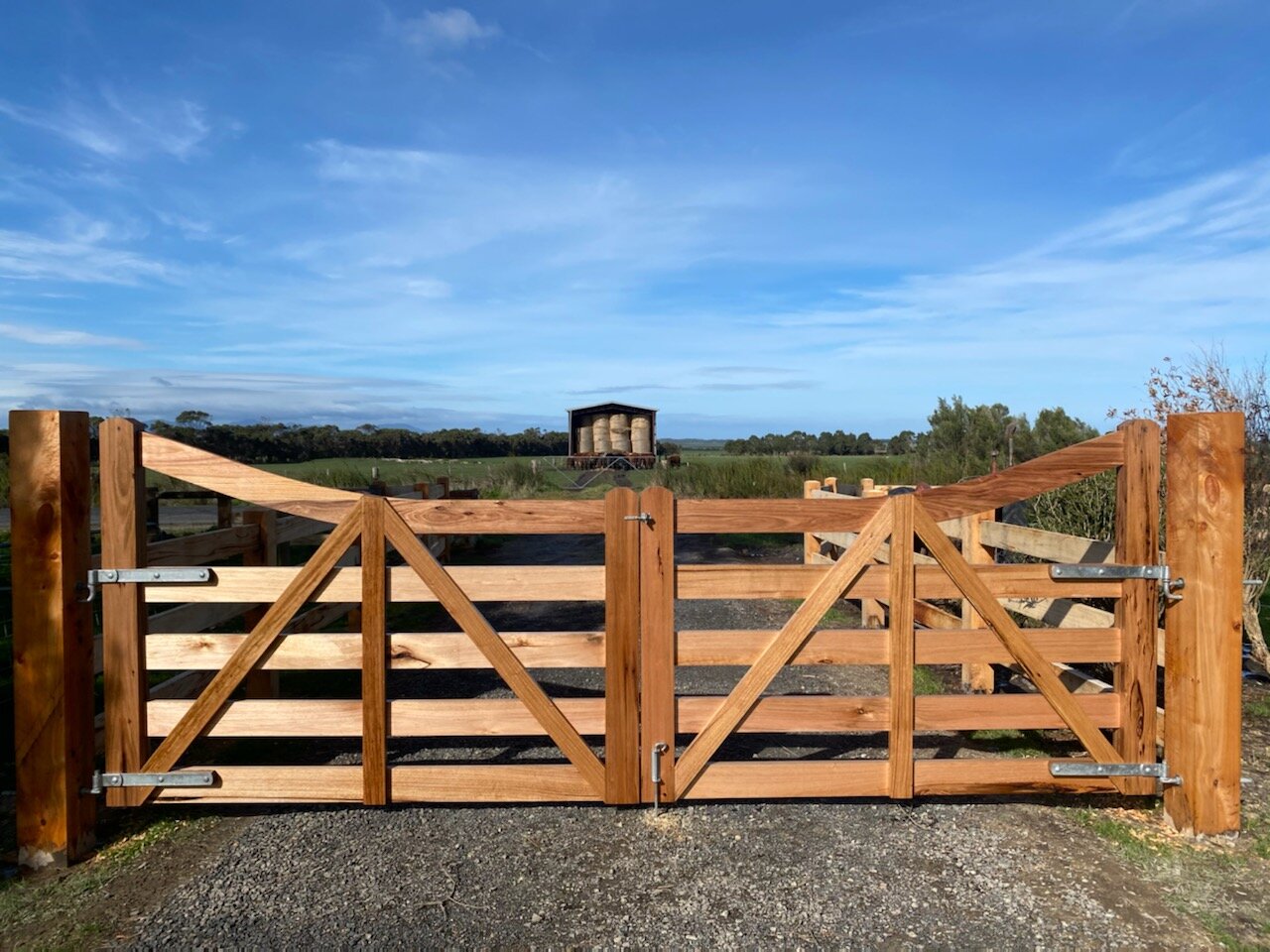
And Dana looked at me across that table, across twenty years, and she said, “Maybe. Maybe that’s exactly what you’re supposed to do. The gate’s yours too, Wade. You built half of it.”
I did not sleep that night. I lay there and I let myself feel the whole twenty-four years of it, the funeral I paid for alone, the truck, the boys I raised a summer and got no thanks for, the Thanksgivings, my mother thanking Brett for walking into a room I had filled. And somewhere around three in the morning something in me that had been bent for a very long time just quietly, finally broke. Not into anger. I want to be clear about that, because it matters to how it all ended. It did not break into rage. It broke into something calmer and colder and much harder to argue with. It broke into a decision.
I was not going to explode. Exploding is what they expected from the weak, and it never changed anything. I was going to do something much worse to a family like mine. I was going to be calm, and I was going to be ready, and I was going to make them say what they were doing out loud, in front of each other, where nobody could pretend afterward it had not been said.

Adrian Hawthorne is a celebrated author and dedicated archivist who finds inspiration in the hidden stories of the past. Educated at Oxford, he now works at the National Archives, where preserving history fuels his evocative writing. Balancing archival precision with creative storytelling, Adrian founded the Hawthorne Institute of Literary Arts to mentor emerging writers and honor the timeless art of narrative.