Brett left. Loaded his coolers back in the diesel I paid for and drove off in the dust after the two other cars, and he has not spoken to me since, which, I will tell you honestly, has been one of the more peaceful stretches of my adult life.
Fourteen people stayed. Not thirty-four. Fourteen, the real ones. And we did have a reunion, just not the one Brett planned. Uncle Carl and the Arkansas cousins ran to town and came back with their own groceries and would not take a dime from me. Dana and my aunts cooked together in my kitchen and laughed in there until midnight. The men sat out by the shop in the cool of the evening and I showed Cole’s cousins how to call the cattle up and they thought that was about the finest thing they’d ever seen. We ate off paper plates at the branding table, everybody’s dish, everybody’s hands. My mother sat in the shade and watched and did not host and was not thanked and did not have to be, and I think, I hope, for the first time she saw what the real thing looked like, the thing she had been handing to Brett for twenty years without ever once holding it herself.
Nobody kept a tally. Nobody took credit. And on Sunday we all drove down to the little Baptist church two miles off and filled up a whole row, Tillers, and the preacher who’d given me the key to the fellowship hall caught my eye from the pulpit and nodded, and I about came apart in the pew with Dana’s hand in mine.
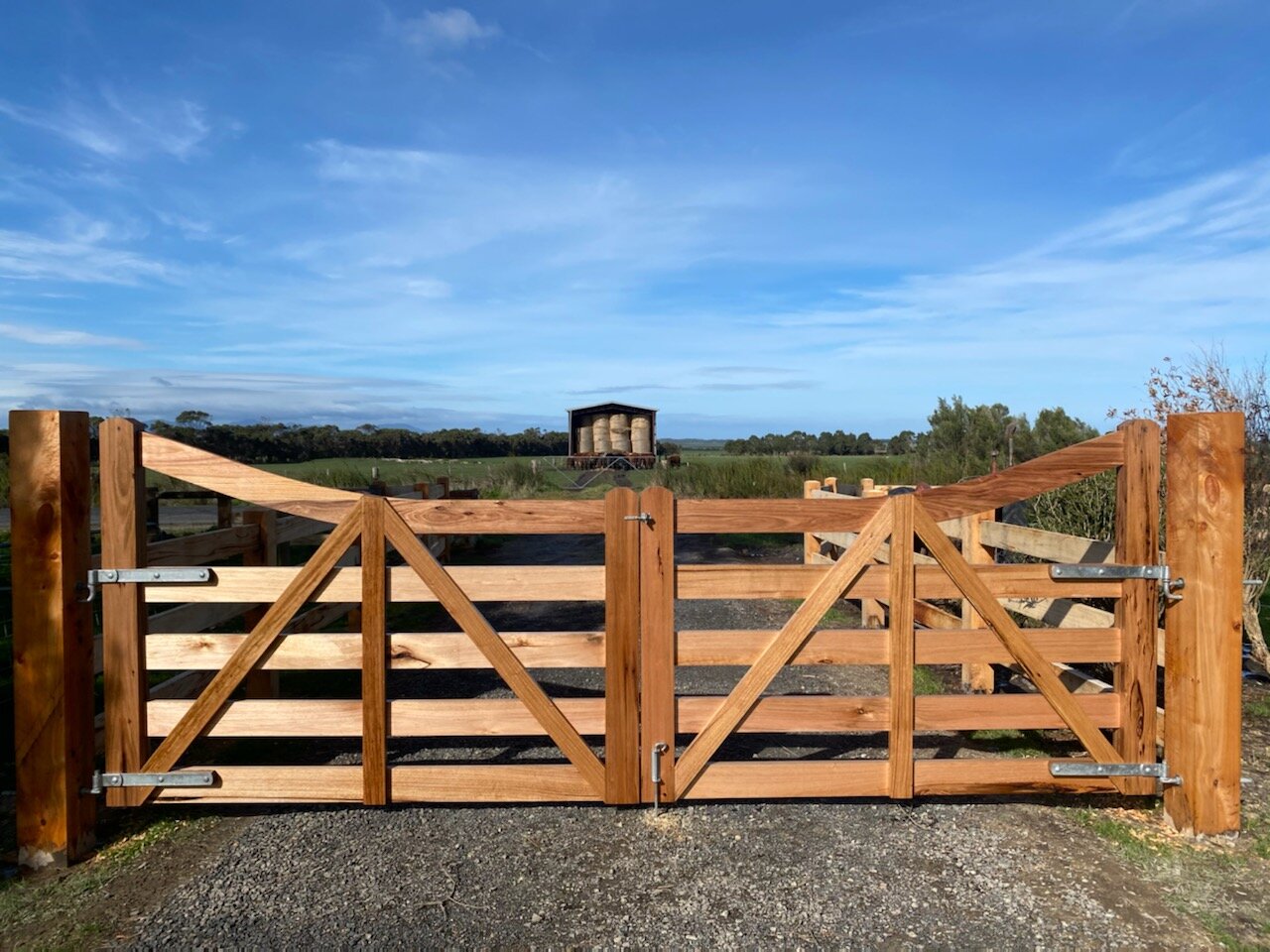
People in town ask me sometimes if I feel bad about it, closing the gate on my own family. Aunt Ruth has made sure the version where I am a cold, bitter man who turned his mother away in the heat has gotten around. Let her. Here is what I know, standing in my own hay meadow in the evening with the work done and the light going gold.
My daddy built that gate with me when I was fifteen. He told me that day, sweating, setting the post in concrete, “A gate’s not to keep people out, son. A gate’s so you get to decide who comes in.” I was fifteen. I thought he meant cattle. I think now he knew his family, and he knew his younger son, and he was trying to tell me something it took me thirty-one years and a closed gate to finally hear.
You can love people and still not let them eat you alive. The two are not the same. Dana told me that twenty years ago, and she was right, and it took me standing at the end of my own driveway with a pitcher of cold water and the plain truth to believe her.
I am forty-six years old. I buried my father. I kept his ground. I raised two good kids and co-signed a truck and raised a summer’s worth of somebody else’s boys and paid for twenty-four years of other people’s gratitude going to somebody who did not earn it.
And then one hot morning I stood at my daddy’s gate, and I said no, out loud, in front of everybody.
It is the best thing I ever did. Better than anything these hands ever built.

Adrian Hawthorne is a celebrated author and dedicated archivist who finds inspiration in the hidden stories of the past. Educated at Oxford, he now works at the National Archives, where preserving history fuels his evocative writing. Balancing archival precision with creative storytelling, Adrian founded the Hawthorne Institute of Literary Arts to mentor emerging writers and honor the timeless art of narrative.