They came Thursday morning. I knew they would come early because Brett had said Thursday through Monday and Brett is never late to anything that is free.
I heard them before I saw them. You can hear a vehicle on my section line a mile off when it is dry, and that morning there was not one vehicle, there was a line of them, a dust cloud coming up the red dirt road like a cattle drive, pickups and minivans and Brett’s big diesel out front, the one I paid for, and behind them a camper, and behind that more cars, Arkansas plates, Texas plates. Thirty-four people. I stood in my own driveway and watched my family come to eat me alive and call it a reunion, and I was not afraid anymore. I had been afraid for forty-six years. I was all done with it.
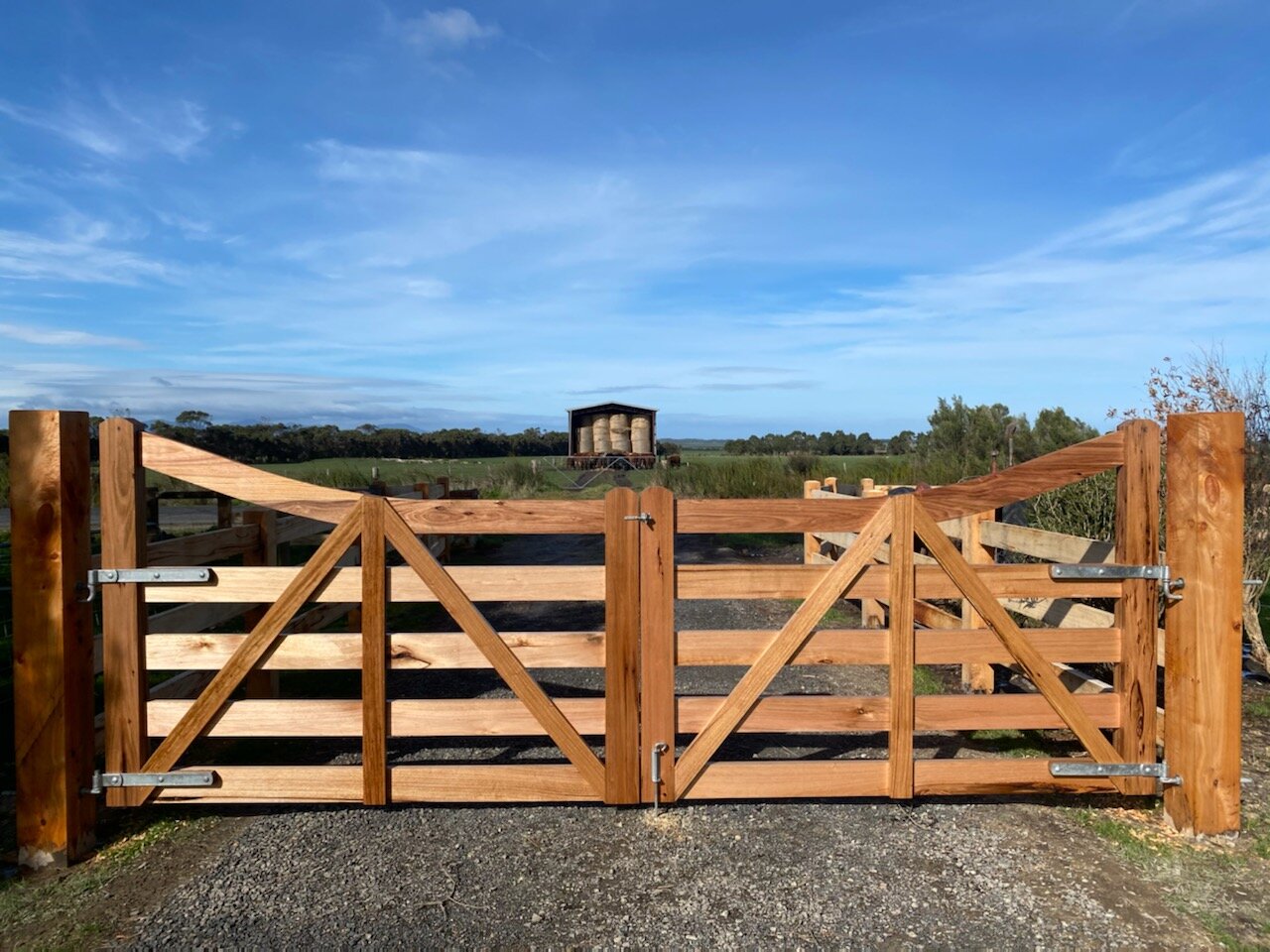
I had closed the big pipe gate at the end of my drive, the one Daddy and I hung together the summer I turned fifteen, the one Dana reminded me I built half of. I had set the folding table up just inside it, on my side. On the table was a pitcher of ice water and a stack of paper cups, because it was ninety-some degrees already and I am not a cruel man whatever they tell you. And I stood behind that table in a clean shirt with my legal pad, and Dana stood beside me, and Cole stood on the other side of me with his arms crossed looking so much like my daddy that it hurt, and we waited.
Brett got out of the diesel grinning, already in his vacation clothes, a cooler in each hand, hollering, “There he is! The man, the myth, the legend! Wade, buddy, open her up, we got people been driving since four a.m.!”
I did not open the gate.
“Morning, Brett,” I said.
He kept grinning but his eyes changed. Behind him the doors of all those vehicles were opening, people spilling out, kids, my aunts, my uncles, the Arkansas cousins, my mother being helped down out of Brett’s truck, everybody milling up toward the gate in the heat, confused, looking at the closed gate and the little table and me behind it.
“Wade,” Brett said, lower now, just for me, the grin going tight. “What is this. Open the gate. You’re embarrassing yourself.”
“In a minute,” I said. “There’s something the family needs to hear first, and I’d rather say it once, to everybody, than thirty-four times.” I raised my voice then, not a yell, just enough to carry across that crowd the way you learn to carry your voice to a man on the far side of a working pen. “Y’all come on up close. I’m glad you’re here. Every one of you. I mean that. And I’ve got cold water, so come get you a cup, it’s a hot one.”
They came up to the gate. Thirty-four faces, my whole family, on their side of the pipe gate, looking at me on mine. My mother worked her way to the front, small and gray now, and she said, “Wade, honey, what in the world is this. Open the gate and let’s get these people settled, they’re hot and tired.”
And I looked at my mother, who thanked Brett at my own father’s graveside, and I made myself say it gentle, because she is my mother.
“Mama, I need to ask the family something, and I need an honest answer, out loud. Who told you I offered to host this reunion.”
She blinked. “Why, you did. Brett said.”
“Brett said.” I nodded. “Did I ever say it? To you? Did you ever hear it from me, one time, that I wanted to host thirty-four people for five days and pay for all of it?”
My mother opened her mouth, and then she stopped, because she could not say yes, because it had never happened, and in front of thirty-four people my mother could not make herself tell a lie that size. The crowd got quiet. You could hear the cicadas going in the elm trees.
“I’ll tell you what did happen,” I said, and I took out my phone, and I read them Brett’s text. The whole thing. “Family reunion at your place. 34 of us. You’ve got the room and the land. Don’t make it complicated.” I read it flat, no drama. “That is the first I ever heard of this reunion. A text. Not a question. There is no place in there where I offer anything. There is no please. There is no thank-you. My own brother did not ask me. He told me. And then.” I looked up at them. “And then he told all of you something different.”

Adrian Hawthorne is a celebrated author and dedicated archivist who finds inspiration in the hidden stories of the past. Educated at Oxford, he now works at the National Archives, where preserving history fuels his evocative writing. Balancing archival precision with creative storytelling, Adrian founded the Hawthorne Institute of Literary Arts to mentor emerging writers and honor the timeless art of narrative.