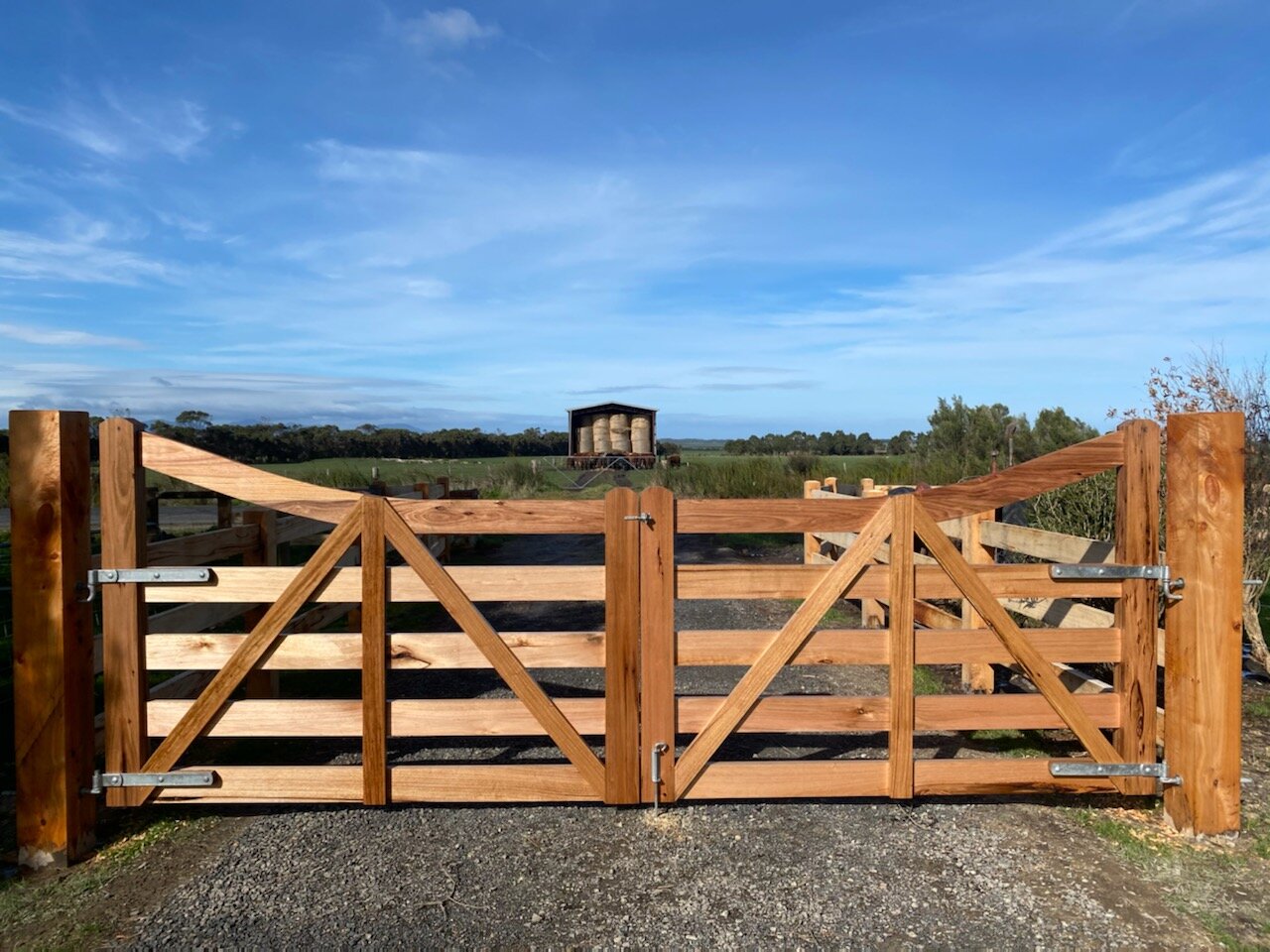
What happened next is the part I did not plan and could not have planned, because you cannot plan people, and it is the part that healed something in me that twenty-four years had worn raw.
For a second nobody said anything. Then my uncle Carl, my daddy’s younger brother, seventy-one years old, who had stood quiet at the back of that crowd the whole time, pushed up to the front. Uncle Carl does not talk much. He is the most like my daddy of anybody left. He came right up to the gate and he looked at Brett, and then he looked at my mother, and then he looked at me, and his eyes were wet.
“That boy’s been carrying this whole family on his back since Virgil died,” Uncle Carl said, loud, to everybody. “And we all let him. I let him. I’ve known for years it wasn’t right and I told myself it wasn’t my business.” He turned to the crowd. “Wade just said the truest thing anybody’s said at a Tiller gathering in thirty years, and I’m ashamed it took him standing at a closed gate to say it, and I’m ashamed I’m seventy-one and I never said it for him.” He reached over that gate and he put his old hand on my shoulder. “I’m staying. And I’m bringing a dish. And I’m sleeping at the church. And Wade, son, I’m sorry.”
I had not cried since I found my daddy on the tractor. I came close right there with my uncle’s hand on my shoulder.
Shelby came and stood by me. A couple of the Arkansas cousins, who barely knew the family politics and had just wanted to see the farm, came up and shook my hand through the gate and said of course, of course, they’d help, they felt awful. One of my aunts started crying and hugged Dana. Two families, I will be honest, got back in their cars without a word and drove off down the section line in the dust, and I watched them go, and I found that I did not feel one thing about it except a kind of lightness. Let them go. They came to eat. There was no eating.
And Brett. Brett stood there in his vacation clothes with his two coolers at his feet in the red dirt, and he looked around at his family, and he could see it, I watched him see it, that the story was gone. Twenty years of being the golden one, gone in about ten minutes, in front of everybody, not because I yelled but because I just said what happened and let him stand next to it. He tried one more time. “This is insane,” he said. “He’s lost his mind out here. Mom, tell him.” And he turned to our mother.
And our mother, Earlene, who had thanked Brett at a graveside, looked at her older son for a long moment. And then my mother said the only brave thing I ever saw her do. She said, real quiet, “Brett. You told me he offered.” And she turned and she walked, slow, over to the folding table on my side of the gate, because somebody had left it open a crack, and she poured herself a cup of water with her hands shaking, and she stood on my side. She did not say she was sorry. She never has, to this day. But she stood on my side, and for my mother, that was an ocean.

Adrian Hawthorne is a celebrated author and dedicated archivist who finds inspiration in the hidden stories of the past. Educated at Oxford, he now works at the National Archives, where preserving history fuels his evocative writing. Balancing archival precision with creative storytelling, Adrian founded the Hawthorne Institute of Literary Arts to mentor emerging writers and honor the timeless art of narrative.