I need to tell you about that sentence.
I was seven the first time I heard it. Chloe was four. She broke my science fair volcano, the one I’d worked on for two weeks, because she wanted to see what was inside. I cried. My mother told me to stop making a fuss.
“She’s little. Be a good sister.”
I was twelve when I got the lead in the school play. Chloe cried because she didn’t get a part. So my parents skipped opening night and took her out for ice cream instead.
“She’s having a hard time. Be a good sister.”
I was eighteen when I got into West Point. My parents were proud. For about a week. Then Chloe said I thought I was better than everyone, and my mother asked me to stop talking about it at dinner.
“You know how she gets. Be a good sister.”
I was twenty-six when Chloe got married. I was her maid of honor. I paid for the bachelorette weekend. I paid the photographer when their deposit check bounced. Nobody ever paid me back. When I brought it up once, gently, my mother said, “It’s a gift, Kate. Be a good sister.”
In my family, being a good sister meant one thing.
Getting smaller so Chloe could have more room.
They were all watching me now. Waiting.
I knew exactly what they expected. An argument. Tears. Shouting. Me storming upstairs and pounding on the bedroom door and making a scene. Then my mother would call me dramatic. My father would tell me to calm down. And somehow, by the end, I’d be the problem.
That’s how it always went.
I didn’t do any of it.
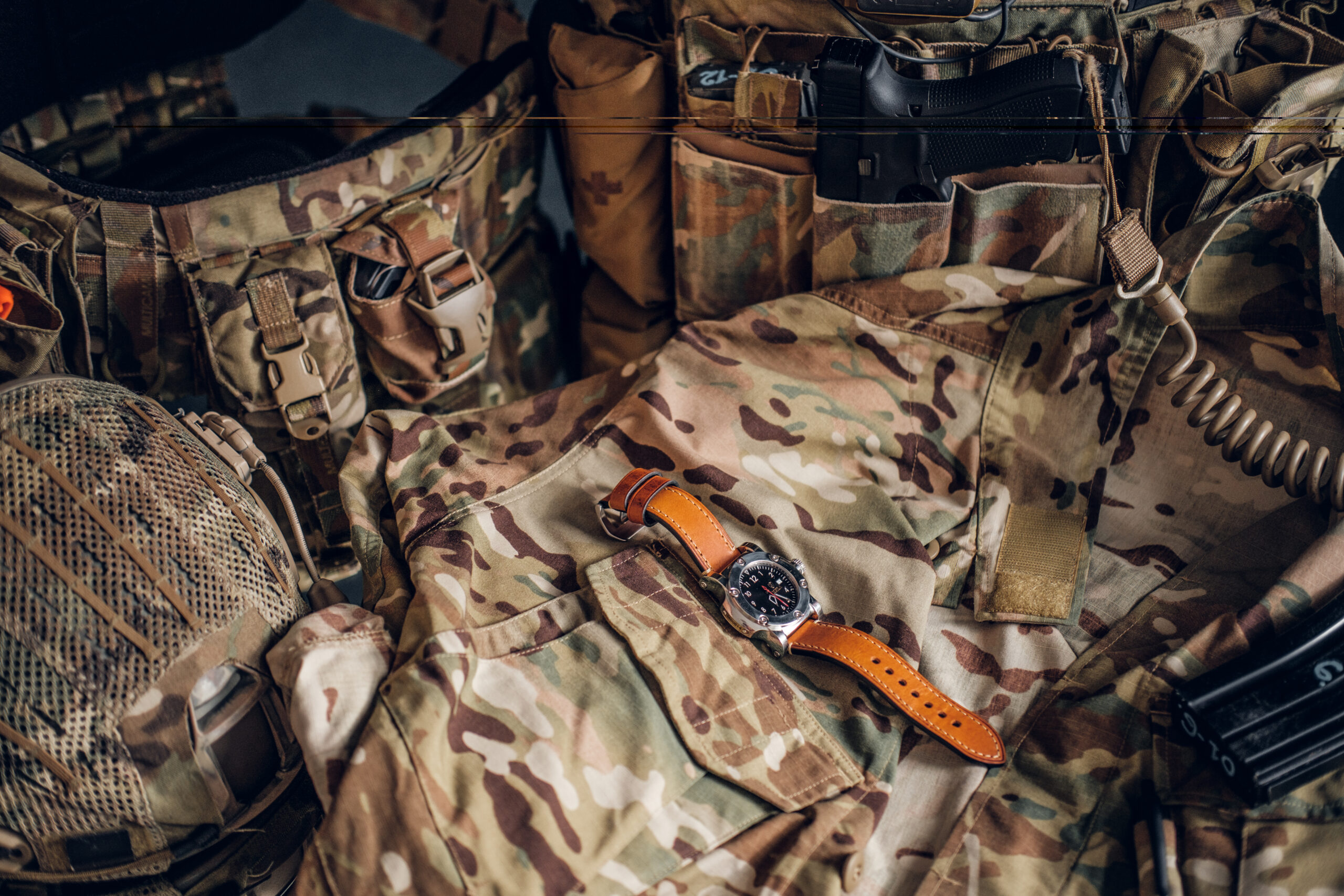
I bent down and retied the trash bag with my boots in it. I tied it very neatly.
Then I stood up and walked right past them. Through the living room with the gray couch and the BLESSED sign. Through the kitchen that smelled like somebody else’s cooking. And down the stairs to the basement.
“Kate?” my mother called after me. “Kate, where are you going?”
I didn’t answer.
The basement was unfinished. Cold concrete floor. Bare wooden beams overhead. In the corner sat a metal cot with a thin blanket folded on top, like a prison bunk. Next to it was a folding chair and a lamp with no shade.
That was my room.
In my own house.
Behind the cot, against the far wall, stood a stack of old plastic storage bins. Christmas decorations. My grandfather’s fishing gear. Tax records from 1998.
I moved the bins one at a time and set them aside.
Behind them, one square of the floor looked just a little different from everything around it. You’d never notice unless you knew. A gray composite panel set flush with the concrete. Same color. Same texture. Just a hair lighter at the seams.
My grandfather put it in when I was sixteen.
He brought me down here one afternoon and pulled up that panel. Underneath was a steel safe bolted into the foundation.
“Everybody should have one place nobody knows about,” he said. “Your mother doesn’t know about this. Your father doesn’t know about this. Just you and me.”
“Why me, Grandpa?”
He looked at me for a long time. He had light blue eyes that always looked a little sad, even when he was laughing.
“Because you’re the one who’s going to need it,” he said.
I didn’t understand what he meant back then.
Specialty: Emotional Turning Points
Rachel Monroe writes character-driven stories about betrayal, second chances, and unexpected resilience. Her work highlights the emotional side of family conflict — the silences, the misunderstandings, and the moments when someone quietly decides they’ve had enough.