“So what did she do?” Owen said.
“She cooked,” I said.
She cooked whatever she could find. She made flatbread out of the last of the oats. She made soup out of beans and bacon rinds. She fried up rabbits the men snared and fish they pulled through the ice. She made pancakes out of potato peels. My mother still made those when I was a little girl. We called them Ragnhild cakes.
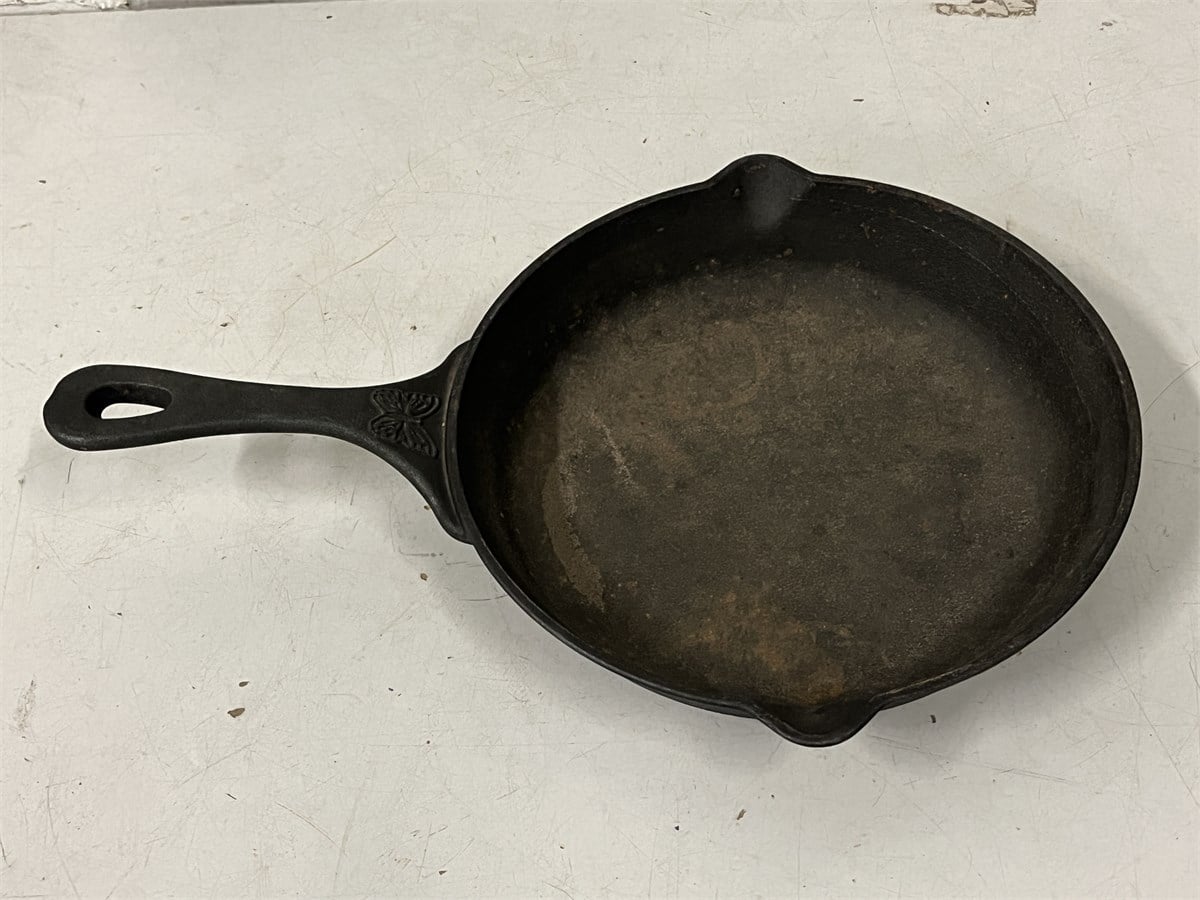
And she cooked all of it in one pan. Because it was the only pan in that camp that held its heat on a half-dead woodstove.
This pan.
It was Gus Nordstrom’s skillet. He’d carried it over from Sweden in 1868.
For eleven days, Ragnhild Moe kept sixty men alive with this skillet.
And every night after the men were fed, she sat up beside Gus Nordstrom’s bunk and fed him hot broth out of this pan with a spoon. Until his fever broke.
Gus lived.
When the supply sleds finally broke through the drifts, the camp boss came in expecting to find men dead. He found every single man alive. Thin. Hungry. But alive.
He couldn’t believe it.
The men told him it was the girl.
That night, Gus Nordstrom got out of his bunk for the first time in two weeks. He was shaking. He was still coughing.
He walked into the cookhouse. He picked up his skillet off the stove.
And he handed it to Ragnhild.
“You keep it,” he told her in Swedish. “You earned it. It’s yours now.”
Then he reached into his pocket and gave her a horseshoe nail.
“Put your name on it,” he said. “So everybody knows.”
She didn’t know how to write very well yet. But she knew her initials. And she knew the year.
She scratched them into the bottom of the pan by candlelight. With her burned, numb fingers.
R.M. 1919.
Owen looked down at the letters in his lap.
“But the blizzard was 1920,” he said. “In February.”
I smiled. He’d been listening to every word.
“She told my mother she put 1919 because that was the year she came to America,” I said. “She said the skillet wasn’t the beginning. It was the proof. Proof she’d made it through her first year.”
Owen ran his thumb over the letters. Very gently.
“Whoa,” he said.
Sophia Rivers is an experienced News Content Editor with a sharp eye for detail and a passion for delivering accurate and engaging news stories. At TheArchivists, she specializes in curating, editing, and presenting news content that informs and resonates with a global audience.
Sophia holds a degree in Journalism from the University of Toronto, where she developed her skills in news reporting, media ethics, and digital journalism. Her expertise lies in identifying key stories, crafting compelling narratives, and ensuring journalistic integrity in every piece she edits.
Known for her precision and dedication to the truth, Sophia thrives in the fast-paced world of news editing. At TheArchivists, she focuses on producing high-quality news content that keeps readers informed while maintaining a balanced and insightful perspective.
With a commitment to delivering impactful journalism, Sophia is passionate about bringing clarity to complex issues and amplifying voices that matter. Her work reflects her belief in the power of news to shape conversations and inspire change.