“There’s more,” I said.
“There’s more?”
“Lots more, honey. That pan’s been through a lot.”
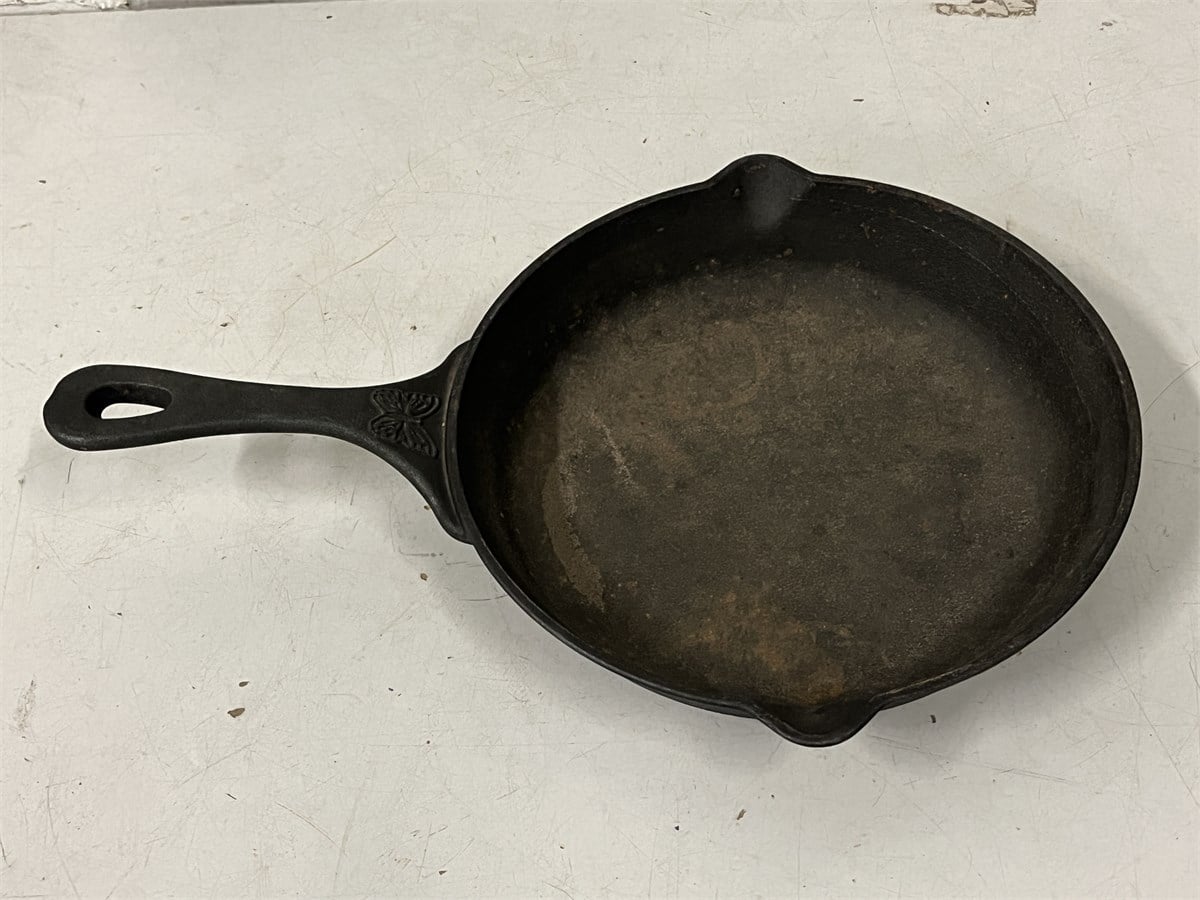
Ragnhild married a young farmer named Erik Haugen in 1923. They homesteaded a quarter section outside Pelican Rapids. She brought exactly two things into that marriage. Her cardboard suitcase. And this skillet.
In 1934, during the Depression, the drought got so bad nothing grew. The topsoil blew away in black clouds. Half the families in Otter Tail County lost their farms to the bank.
Ragnhild started a thing. Every Sunday after church, she’d fire up the woodstove in the basement of Trinity Lutheran and cook. Biscuits. Fried potatoes. Whatever anybody could bring. And she fed whoever showed up.
Some Sundays it was a hundred people.
She did it every Sunday for five years. In this pan.
“Didn’t she get tired?” Owen asked.
“I asked my mother that once,” I said. “My mother said Ragnhild told her, ‘When you’ve been hungry, you don’t get tired of feeding people.'”
Ragnhild’s daughter, my mother, was named Solveig. She learned to cook in this skillet when she was six.
During World War Two, my mother worked at the canning factory in Fergus Falls while my father was in France. She cooked every meal for my brother and me in this skillet. On a hot plate. In a rented room above a hardware store.
When my father came home from the war in 1945, the first thing he ate was fried potatoes and eggs out of this pan. My mother said he cried right there at the table.
And when I married your great-grandpa Arvid in 1969, my mother gave me this skillet at my bridal shower. She wrapped it in a dish towel and tied it with a blue ribbon.
She said, “Evelyn, this pan has never let a single person in our family go hungry. Don’t you be the first.”
Owen was quiet for a long time.
“So Mom threw away a hundred years of that,” he finally said.
“She didn’t know, honey.”
“Because nobody ever told her.”
“Because she never asked,” I said.
He looked at me.
“Why didn’t you just tell her, Grandma? This morning. When she said it was disgusting. Why didn’t you tell her all of it?”
I thought about that.
“Because some stories aren’t for people who don’t want to hear them,” I said. “You save them for the people who ask.”
Owen looked down at the skillet.
“I asked,” he said.
“Yes,” I said. “You did.”

Sophia Rivers is an experienced News Content Editor with a sharp eye for detail and a passion for delivering accurate and engaging news stories. At TheArchivists, she specializes in curating, editing, and presenting news content that informs and resonates with a global audience.
Sophia holds a degree in Journalism from the University of Toronto, where she developed her skills in news reporting, media ethics, and digital journalism. Her expertise lies in identifying key stories, crafting compelling narratives, and ensuring journalistic integrity in every piece she edits.
Known for her precision and dedication to the truth, Sophia thrives in the fast-paced world of news editing. At TheArchivists, she focuses on producing high-quality news content that keeps readers informed while maintaining a balanced and insightful perspective.
With a commitment to delivering impactful journalism, Sophia is passionate about bringing clarity to complex issues and amplifying voices that matter. Her work reflects her belief in the power of news to shape conversations and inspire change.