“Maybe spending a few days working in the fields will teach you how hard earning money really is.”
My husband laughed when he said it. He was standing in our driveway in Kalamazoo on a Thursday morning in late July, loading a brand-new leather suitcase into the trunk of his car. Behind him, in the passenger seat, his mother was already buckled in with her sunglasses on. His sister was in the back, scrolling through her phone.
I was standing on the front porch with our two kids. Ella, eleven, with her arms folded. Sam, eight, holding a plastic grocery bag with his work gloves in it, the ones my father had mailed him for his birthday.
Grant closed the trunk. He looked at me over the roof of the car.
“Seriously, Claire,” he said. “A little farmwork never hurt anybody. It’ll be good for you all. Teach you some appreciation.”
I didn’t argue.
I simply smiled and wished him a pleasant trip.
“Have fun,” I said. “Tell your mother I hope she enjoys the spa.”
He got in the car. He backed out of the driveway. His mother waved through the window like a queen in a parade.
Sam looked up at me.
“Mom,” he said. “What did Dad mean? About learning how hard money is?”
“I don’t know, buddy,” I said. “Go get in the car. Grandpa’s waiting.”
But I knew exactly what he meant.
And by the next afternoon, so would he.
I want to tell you about the months before that morning, because the morning only makes sense if you know what came before it.
My name is Claire Hollister. I was thirty-nine that summer. I’d been married to Grant for thirteen years.
I work in payroll at Bronson Hospital in Kalamazoo. I’ve been there eleven years. It’s not glamorous. I make sure two thousand nurses and techs and janitors and doctors get paid correctly every two weeks. I’m good at it. I notice things. A wrong decimal. A missing shift. A tax form filled out wrong. I’m the person people call when their paycheck looks funny.
Which is why it’s so embarrassing that I didn’t notice what was happening in my own house.
Grant was a regional sales manager for a company that sold industrial packaging equipment. Big machines that wrap pallets in plastic for warehouses and factories. He traveled a lot. He wore nice suits. He drove a leased Audi. He was charming and confident and good at shaking hands, and his whole family thought he was the most successful person they knew.
His father had died four years earlier. Heart attack, at sixty-six, on a golf course in Naples, Florida. He’d been a dentist with a big practice in Grand Rapids. The family had always had money. A big house on Reeds Lake. A country club. Ski trips to Colorado every winter.
But after his father died, it turned out there was a lot less money than anybody thought. Debts. A second mortgage. A failed real estate investment in Arizona. Grant’s mother, Lorraine, had to sell the house on Reeds Lake and move into a condo in East Grand Rapids. She still went to the country club. She still got her hair done every two weeks. She still wore her diamond tennis bracelet every day.
She just didn’t have the money to pay for any of it.
Grant’s sister, Kendra, was thirty-four and lived in Chicago. She did “influencer marketing,” which as far as I could tell meant posting pictures of herself in expensive restaurants and hoping somebody would pay her to do it. Nobody ever seemed to.
And my family?
My parents, Hank and June Novak, have a hundred-and-sixty-acre farm outside Three Rivers, about forty minutes south of Kalamazoo. Sweet corn, mostly. Some tomatoes and green beans. Pumpkins in the fall. They sell to grocery stores and at a roadside stand on M-60 with a hand-painted sign my grandmother made in 1971 that says NOVAK’S. PICKED TODAY. My father is seventy. My mother is sixty-eight. They’ve been farming that land for forty-four years.
Grant never liked the farm. He was polite about it, mostly. But he made jokes. “Going to visit the corn people,” he’d say when we drove down for Sunday dinner. He’d wear his nice loafers and stand on the porch and check his phone and never once offer to help with anything.
Once, at Thanksgiving, my father asked him if he wanted to come see the new combine. Grant laughed and said, “No thanks, Hank, I’ll leave the dirt to you.”
My father didn’t say anything. He just nodded and went outside by himself.
I should have said something then. I didn’t.
That was the pattern. For thirteen years. Grant said something, and I didn’t say anything back.
The money trouble started in January.
That’s when I noticed it, anyway. Looking back, I think it started earlier.
Grant came home one Sunday evening and sat me down at the kitchen table.
“We need to tighten our belts,” he said. “Things are tight at work. Commissions are down. The whole industry’s slowing. We need to cut back. Everywhere.”
“Okay,” I said. “How tight?”
“Tight,” he said. “No eating out. No extras. We need to watch every penny.”
So we watched every penny.
Or I did, anyway.
I started making a list before every grocery trip. I bought store brand everything. I clipped coupons, which I hadn’t done since I was in college. I stopped buying the good coffee. I stopped buying meat except on Sundays.
And Grant questioned every receipt.
He’d go through them every Sunday night at the kitchen table, with his reading glasses on, frowning. “Claire. Twelve dollars on laundry detergent? There’s a cheaper brand.” “Claire. What’s this six dollars at Target?” “Ella’s art supplies,” I’d say. “For school.” “Does she really need them? Can’t the school provide them?”
In March, our washing machine started making a horrible grinding noise. The repairman said it would cost three hundred and forty dollars to fix.
“Can we wait another month?” Grant said. “Until things pick up?”
We waited two months. I went to the laundromat on Westnedge every Saturday morning with four baskets of laundry and two bored kids.
In April, Ella’s class was doing a field trip to the Detroit Institute of Arts. It cost forty-five dollars. Ella had been talking about it for weeks. She loves art. She wants to be an illustrator.
Grant looked at the permission slip.
“Is this really essential?” he asked her.
Ella’s face fell. “Everybody’s going, Dad.”
“Not everybody,” Grant said. “Not if we can’t afford it.”
I paid for it out of my own checking account. The one I keep for myself. I had about two hundred dollars in it. I didn’t tell Grant.
In June, Sam’s sneakers got a hole in the toe. A big one. His big toe stuck right out. He’d been wearing them for a year and a half. He’d grown two shoe sizes since.
“Can I get new ones?” he asked at dinner.
Grant looked at the sneakers. He looked at the hole.
“We can’t afford it right now, buddy,” he said. “Maybe next month. Put some duct tape on it for now.”
Sam looked at his plate.
“Okay, Dad,” he said.
I watched my son go to school for two weeks in sneakers with duct tape on the toe. I watched him try to hide his feet under his desk at his end-of-year awards ceremony.
And then, two days after the duct tape, my parents called.
“Corn’s coming in early this year,” my father said. “Hottest July in ten years. We’re going to need help with the harvest. Next weekend. Thursday to Sunday. Can you and the kids come down?”
“Of course, Dad,” I said.
I asked Grant that night if he wanted to come.
He laughed.
“To pick corn? In ninety-degree heat? No thank you.”
Then, on Monday, three days before we were supposed to leave, he came home and said, “By the way, I’m taking Mom and Kendra on a little getaway this weekend. Thursday to Sunday.”
I stared at him.
“A getaway? Where?”
“The Grand Hotel,” he said. “On Mackinac Island.”
I knew the Grand Hotel. Everybody in Michigan knows the Grand Hotel. It’s that enormous white hotel on Mackinac Island with the longest front porch in the world, where they make you dress for dinner and the rooms cost six hundred dollars a night.
“You’re taking them on vacation?” I said slowly.
He shrugged. “They deserve a break. Mom’s had a hard year. Kendra’s going through a breakup.”
“Grant. You told Sam we couldn’t afford sneakers.”
His face tightened. “That’s different.”
“How is that different?”
“Because it’s a special occasion,” he said. “Mom’s birthday is next week. It’s a gift. I’ve been saving for it.” He shrugged again. “Don’t make this into a thing, Claire.”
“What about the kids?”
“They’ll be fine helping your parents.”
I stood there in the kitchen. I didn’t know what to say. That was always my problem with Grant. I never knew what to say until it was too late.
And then, on Thursday morning, standing in the driveway, he said it. With his mother watching from the passenger seat and his sister in the back.
Maybe spending a few days working in the fields will teach you how hard earning money really is.
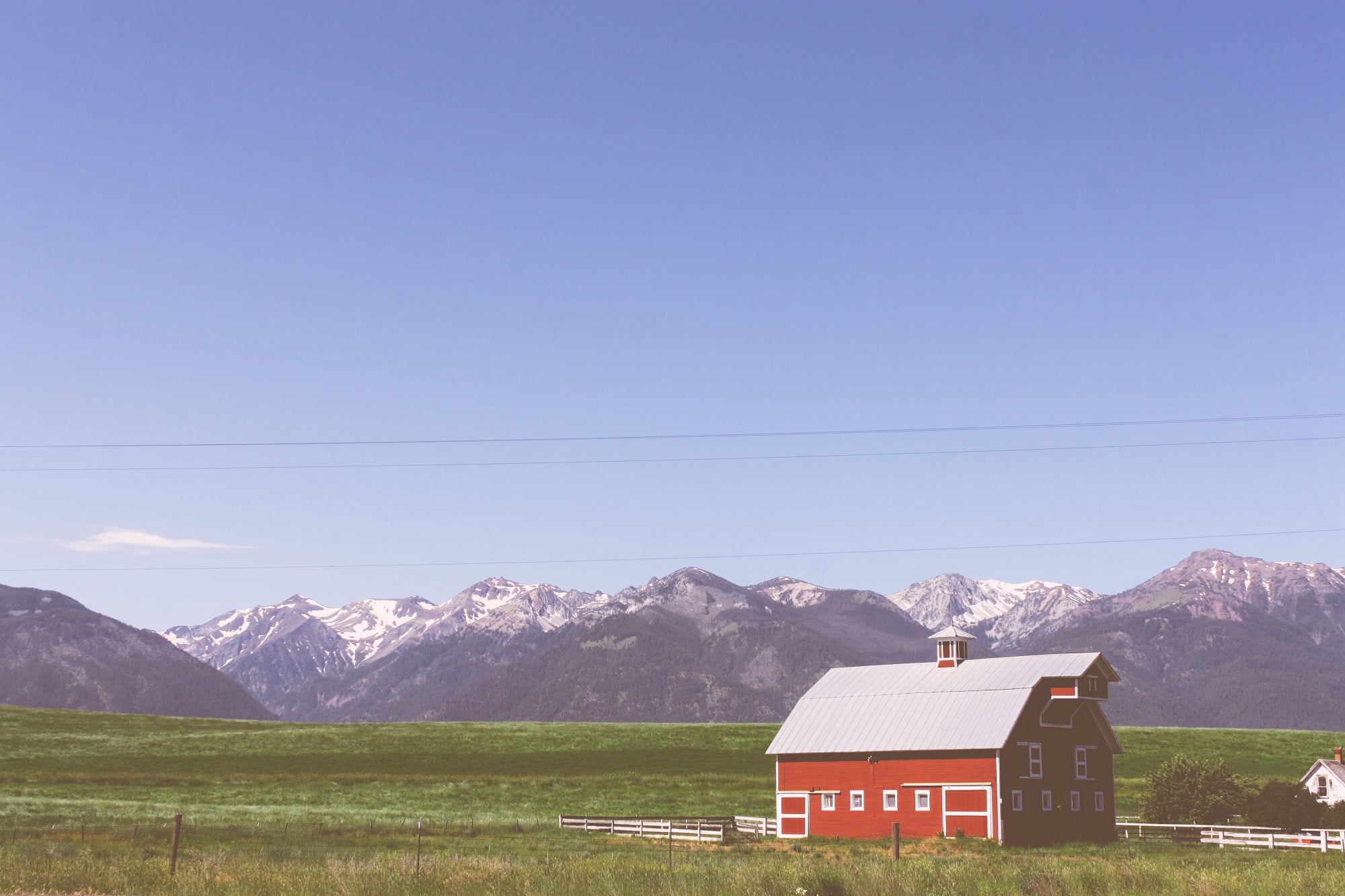
My parents’ farmhouse is a white two-story with a green roof and a wraparound porch and a big oak tree in the front yard with a tire swing my father hung in 1990. The kitchen always smells like coffee and bacon and something baking.
My mother was waiting on the porch when we pulled in. She hugged Ella and Sam. She looked at Sam’s sneakers. At the duct tape.
She didn’t say anything. But I saw her mouth tighten.
That first day, we picked corn from seven in the morning until two in the afternoon, when it got too hot. Rows and rows of it. My father showed the kids how to tell when an ear is ready. Squeeze the tip. Look at the silk. Brown and dry means ready. He showed them how to snap it off the stalk with a quick twist and a pull. He showed them how to lay it gently in the crate so it doesn’t bruise.
Ella got the hang of it right away. She’s careful and precise, like me. By noon, she was filling crates almost as fast as my mother.
Sam was slower. He kept stopping to look at bugs. But he loved it. He carried every ear to the crate like it was a trophy. My father let him drive the old John Deere tractor, sitting on his lap, at about two miles an hour, across the field to the barn. Sam talked about it for the rest of the day.
At lunch, we sat under the big oak tree and ate my mother’s egg salad sandwiches and drank lemonade and watched the corn wave in the hot wind. Sam fell asleep in the grass with his head on my lap.
I hadn’t felt that peaceful in months.
That evening, after I’d put the kids to bed in my old bedroom upstairs, I sat at my parents’ kitchen table with my laptop.
I don’t know exactly what made me do it.
Maybe it was the duct tape on Sam’s sneakers. Maybe it was the look on my mother’s face when she saw them. Maybe it was the Grand Hotel. Maybe it was eleven years of noticing wrong decimals in other people’s paychecks.
I’d been contributing regularly to our household expenses. My paycheck from the hospital went into our joint checking account every two weeks. Grant’s went in too, he said. We paid the mortgage and the bills from that account.
And yet, somehow, we never had enough.
Something didn’t make sense.
I opened my credit card account. The Visa in my name. The one I’d had since college. I almost never used it anymore. Grant handled the bills. He said it was easier that way. I’d given him my login years ago.
I looked at the transaction history.
And I noticed two additional authorized user cards on my account.
I stared at the screen.
I had one card. My card. That’s all I’d ever had.
I clicked on the first one.
Authorized user: Lorraine Hollister.
I clicked on the second.
Authorized user: Kendra Hollister.
Both added eleven months earlier. In August. The month after Grant’s father’s estate was finally closed.
I hadn’t approved either one. I’d never even heard of them.
Then I scrolled through the charges.
Luxury hotel reservations. The Ritz-Carlton in Chicago. A spa resort in Traverse City. Two nights at a boutique hotel in Saugatuck.
Expensive restaurant bills. A steakhouse in Grand Rapids. Eight hundred and forty dollars. A sushi place in Chicago. Six hundred and twelve.
Travel bookings. Airline tickets to Scottsdale. A weekend in Nashville.
Boutique purchases. A designer handbag store in Chicago. A jewelry store in East Grand Rapids. A cashmere shop.
The country club. Every month. Three hundred and sixty dollars.
A hair salon. Every two weeks. A hundred and eighty-five dollars each time.
The transactions stretched back eleven months.
I sat at my mother’s kitchen table and added up the amounts carefully on a notepad. Then I checked again.
$18,731.
For eleven months, I’d been counting every dollar at the grocery store. I’d been hauling laundry to the laundromat. I’d been paying for my daughter’s field trip out of my secret account. I’d watched my son wear duct-taped sneakers to his awards ceremony.
And my husband’s mother and sister had been getting their hair done and eating sushi and buying cashmere on a credit card in my name.
I didn’t cry. I want you to know that. I sat there very still and very quiet, and something inside me went cold and clear, the way it does at work when I find a big mistake.
I checked the account details. I called the card issuer’s twenty-four-hour line. I sat on hold for forty minutes. When a man named Raymond finally answered, I explained everything. Calmly. Like I was explaining a payroll error.
Raymond was very kind. He pulled up the account. He confirmed that both authorized user cards had been added online, eleven months earlier, from my login. He asked if anyone else had access to my login.
“My husband,” I said.
Raymond was quiet for a second.
“Ma’am,” he said gently. “Would you like me to freeze both authorized user cards? While the activity is reviewed?”
“Yes,” I said. “Please.”
“Both cards are now frozen,” Raymond said a minute later. “No new charges will be approved. Would you like to file a formal dispute on the transactions?”
“Not yet,” I said. “I want to understand what happened first.”
“That’s fair,” Raymond said. “You have sixty days from your statement date. I’ll note the account.” He paused. “Ma’am? I’m sorry. This happens more often than you’d think.”
“Does it?”
“Usually it’s family,” Raymond said quietly. “It’s almost always family.”
I wasn’t interested in embarrassing anyone. I want to be clear about that. I didn’t freeze the cards to ruin Grant’s vacation. I didn’t know, at nine thirty on a Thursday night, that Lorraine was planning to settle a forty-eight-hundred-dollar hotel bill the next afternoon with that card.
I just wanted to protect my finances. And understand exactly what had happened.
I closed my laptop and went upstairs and lay down next to my sleeping daughter in my old bed, and I stared at the ceiling until it got light.
Apparently, my husband discovered the change much sooner than I expected.
I was halfway through another row of sweet corn the next afternoon when my phone began buzzing in my jeans pocket.
The sun beat down on the fields. It was ninety-three degrees. Dry corn leaves brushed against my sleeves and scratched my arms as I worked. My shirt was soaked through with sweat. I had dirt under every fingernail.
A few yards away, Ella was helping Grandpa arrange freshly picked corn into wooden crates in the back of his pickup. Sam was following behind them, proudly carrying an armful of ears he’d picked himself, in his duct-taped sneakers covered in dust.
My phone buzzed. Grant.
I let it go.
It buzzed again. Grant.
I let it go.
It buzzed a third time.
On the fourth call, I finally answered.
“Hello?”
“Why isn’t the card working?” Grant demanded. No hello. No how are the kids.
I wiped my hands on my jeans.
“Which card?”
“The hotel card! We’re trying to settle the bill, and the payment keeps getting declined!”
I looked across the field toward my parents’ farmhouse. My mother was on the porch, shelling peas into a bowl.
“That’s unfortunate,” I said.
“Unfortunate?” His voice went up. “The hotel is expecting forty-eight hundred dollars, and my mother is standing right here waiting!”
I almost laughed.
Forty-eight hundred dollars.
Two days earlier, he’d told our son we couldn’t afford sixty-dollar sneakers.
“Turn those cards back on,” Grant said. “Now, Claire.”
I looked across the cornfield at Sam, stumbling through the rows with his arms full of corn, grinning at his grandfather.
Then I answered calmly.
“Before we discuss the cards, sweetheart, perhaps you should explain what happened to the eighteen thousand dollars.”
The silence on the other end told me everything.
It went on for a long time. Long enough that I could hear the hotel lobby behind him. A piano playing. People laughing. A woman’s voice saying something about the porch.
“What are you talking about?” Grant said finally.
“Eighteen thousand, seven hundred and thirty-one dollars,” I said. “On two cards in your mother’s and sister’s names. On my account. That I never authorized.”
“Reactivate the cards,” he said again. Lower now.
“No.”
He sounded genuinely surprised. Like it had never occurred to him that I could say that word.
“What do you mean, no?”
“I mean they’re staying frozen until we discuss those charges.”
“You’re making a huge issue out of nothing!”
“Then explaining it should be easy,” I said.
He sighed loudly. The long, impatient sigh he’d been using on me for thirteen years.
“My mother and sister needed cards for convenience,” he said. “That’s all. For emergencies.”
“Convenience?”
“Yes! It’s perfectly normal! Families do it all the time!”
I looked down at the dust covering my shoes. My old sneakers. Five years old.
“Did you ask my permission before adding them to my account?”
He hesitated.
“Claire, don’t start.”
“Did you?”
“We’re married. I didn’t think I needed to ask about every little thing.”
I nearly laughed. Out loud. In the middle of the cornfield.
“Every little thing? There are eighteen thousand, seven hundred and thirty-one dollars in charges, Grant. The country club. The hair salon. A handbag in Chicago that cost more than our washing machine repair.”
For several seconds, he said nothing.
Then I heard his mother’s voice in the background, loud and sharp.
“What’s taking so long? Grant? Tell her to fix it! The manager’s waiting!”
Grant lowered his voice. “Listen. This isn’t a good time.”
“Actually,” I said, “it’s a perfect time.”
“Claire!”
“For eleven months,” I said, “you’ve told me we couldn’t afford ordinary household expenses. You made me take the laundry to the laundromat for two months. You questioned twelve dollars of laundry detergent. You told Ella her field trip wasn’t essential. Meanwhile, your mother and sister have been using cards connected to my account to get their hair done every two weeks.”
He exhaled sharply.
“I was going to pay everything back.”
“When?”
“Eventually.”
“With what money?”
He didn’t answer.
I kept going. I don’t know where it came from. Thirteen years of not saying anything. All of it, coming out at once in a cornfield in ninety-three-degree heat.
“Last week,” I said, “you told our son he had to wait for new shoes. He’s been wearing duct tape on his toes, Grant. To school. Yesterday, your mother checked into the Grand Hotel using credit connected to my name.”
“Don’t bring the children into this.”
“They’re already part of this,” I said. “They’re the ones who’ve been making sacrifices.”
His tone became impatient. Dismissive.
“Just unlock the cards. We can discuss the rest when I get home.”
“No.”
“You’re really going to leave us stuck with an unpaid hotel bill? At the Grand Hotel? Do you know how humiliating this is?”
“You made the reservation,” I said. “You can arrange another payment method.”
He paused.
Then his voice became quieter. Colder.
“You’re making a mistake, Claire.”
I looked across the field. My father was lifting another crate into the back of his truck. Ella was helping. Sam was standing on the tailgate, cheering.
“The mistake,” I said, “was assuming I’d never check my own financial statements.”
He ended the call.
For several minutes, I stood in the cornfield staring at my phone. My hands were shaking now. Just a little. The cold clear feeling was wearing off, and underneath it was something hot and raw.
Then I slipped the phone into my pocket and went back to work.
My father noticed my expression. He came over and stood next to me in the row, with his old straw hat and his sunburned forearms.
“Everything all right, sweetheart?”
I forced a small smile. “Just something I need to sort out.”
He studied me for a long moment. My father is not a talker. He’s a farmer. He looks at the sky and knows when it’s going to rain. He looks at a cornstalk and knows if it’s sick. He looked at me the same way.
But he didn’t press.
Instead, he set an empty crate down beside me.
“Well,” he said. “We’ve still got plenty of corn to pick.”
I smiled. A real one, this time.
“Then we’d better keep going.”
A little later, my mother brought cold lemonade and sandwiches out to the field. Ham and Swiss on homemade bread. Sliced tomatoes from the garden with salt and pepper. Chocolate chip cookies still warm from the oven.
We sat under the big oak at the edge of the field. Ella and Sam lay in the grass, laughing with their grandparents. Sam told my father about every bug he’d seen that day. There were eleven. He’d named all of them.
There were no expensive hotel rooms. No elaborate restaurant menus. No luxury shopping. No country club.
Just a family spending an afternoon together, helping one another without expecting anything in return.
And I realized, sitting under that oak tree with lemonade and dirt on my hands, how much peace there could be in something so ordinary.
My phone buzzed again.
A text. From Grant.
WE’RE COMING HOME.
I read it once.
Then I put the phone back in my pocket and returned to filling the crate.
Late that afternoon, around five, my father stopped beside his pickup and glanced toward the long gravel road leading into the farm.
“Looks like you’ve got visitors,” he said.
I followed his gaze.
A familiar silver car was coming up the road, kicking up a long cloud of dust behind it.
Grant’s Audi.
It was a five-hour drive from Mackinac Island to Three Rivers. They must have left right after he hung up on me.
His mother sat in the passenger seat with her arms folded tightly across her chest and her sunglasses on. Kendra was in the back, staring at her phone.
Grant was gripping the steering wheel with both hands.
The car stopped beside Dad’s truck in a spray of gravel.
The driver’s door opened.
Grant stepped out. He was wearing the linen shirt and khaki shorts and leather boat shoes he’d packed for the Grand Hotel. He looked completely out of place standing in the dirt next to my father’s dented pickup truck. His face was red. Not from the sun.
His mother got out too. Lorraine. Sixty-four. Tall and thin, with platinum blond hair in a perfect bob and a white linen pantsuit and her diamond tennis bracelet catching the late afternoon sun. She looked at the cornfield like it might bite her.
Kendra stayed in the car with the door open, still on her phone.
“Claire!” Grant called. “We need to talk!”
I set down the ear of corn I’d been holding.
“Of course,” I said.
Ella and Sam had stopped working. They were standing by the tailgate of my father’s truck, watching. My mother had come down from the porch. She stood at the edge of the field with her hand shading her eyes.
Grant approached. His boat shoes sank into the soft dirt between the rows.
“Do you have any idea how awkward today has been for us?” he said.
I looked at him calmly.
“I imagine it was inconvenient.”
“Inconvenient?” His voice cracked. “We had to call Kendra’s ex-boyfriend to put the bill on his card! Do you know how humiliating that was? Her ex! We had to beg the front desk manager! In front of everybody on the porch! We had to leave a day early because you froze those cards!”
His mother stepped forward. Her heels sank into the dirt. She didn’t seem to notice.
“I cannot believe you would treat family this way,” Lorraine said. “After everything Grant does for you. For your children. On my birthday weekend.”
I turned toward her.
“Actually, Lorraine,” I said, “there’s something I’ve been wanting to ask you.”
She frowned. “What?”
I took my phone from my pocket. I opened the account records I’d saved the night before. Screenshots. Every charge. Every date. Every amount.
“Did you know,” I said, “that the card you’ve been using is linked to an account registered in my name?”
Her expression changed.
Not anger. Confusion.
She looked toward her son.
“Wait,” she said. “What?”
Grant immediately interrupted. “Mom, don’t worry about it. This is between me and Claire.”
But I wasn’t finished.
“Over the last eleven months,” I said, “the cards issued to you and your daughter have accumulated eighteen thousand, seven hundred and thirty-one dollars in charges. On my credit account. In my name. That I’m responsible for. That I never approved.” I held out my phone. “Would you like to see?”
My mother-in-law stared at me.
Then she turned to her son. Slowly.
“That’s not what you told us,” she said.
I stopped breathing for a moment.
“What did he tell you?”
Grant stepped between us. Physically. He put his body between his mother and me, like he could block the words.
“Claire,” he said. “This is a private conversation. Let’s go inside. Let’s talk about this like adults.”
I shook my head.
“No,” I said. “If everyone was comfortable spending money through my account, everyone deserves to understand where it came from.”
Kendra finally looked up from her phone. She got out of the car. She was wearing a sundress and wedge sandals and enormous sunglasses.
“Hold on,” she said. “Grant. You said those cards were covered by your company.”
I turned toward my husband.
“Your company?”
Grant looked away. At the corn. At the sky. At anything but me.
His mother took another step toward him.
“You told me,” Lorraine said slowly, “that you had a special business account. For family expenses. You said your company gave executives a family expense allowance. You said it was a perk.” Her voice was rising. “You said they paid it off every month. You said it didn’t cost you anything.”
I stared at Grant.
For eleven months, he’d insisted we were struggling. Questioning every grocery receipt. Making me go to the laundromat.
For nearly a year, money had been charged through credit I was responsible for.
And now his mother and sister were saying he’d given them a completely different story. That it was free. A company perk.
He’d lied to them too.
But what caught my attention next was the expression on my mother-in-law’s face.
It wasn’t anger anymore. It was fear.
She suddenly reached into her handbag. A white leather one. I’d seen that bag on the card statement. Eleven hundred dollars. From a boutique in Chicago.
She pulled out a folded document.
“Then explain this,” she said to her son.
Grant went completely still.
I looked at the paper in her hand.
“What is that?”
Lorraine hesitated. She looked at Grant. He didn’t say anything. He didn’t move.
Then she held it out to me.
“It’s what he gave us,” she said quietly. “When he arranged the cards. Last August. He said it was the paperwork from his company. He said I should keep it in case anybody ever asked.”
I unfolded the document.
At first, I thought it was simply another account statement. A printout. Letterhead from the credit card company.
Then I read it.
It was a letter. Typed. Addressed to the credit card company.
I, Claire Novak Hollister, hereby authorize the addition of Lorraine Hollister and Kendra Hollister as authorized users on my account ending in 4471, and accept full financial responsibility for all charges made by said users.
At the bottom of the page was my name. Printed.
And beneath it was something that looked remarkably like my signature.
My heart began racing.
Because I had never seen that document before in my life.
It was close. Very close. Whoever had done it had practiced. The big loop on the C. The little hook at the end of Hollister. But the slant was wrong. Too careful. Too slow.
I’d been signing payroll documents for eleven years. I knew my own signature better than my own face.
I slowly raised my eyes toward my husband.
“Where did you get this?” I said.
He said nothing.
My mother-in-law looked between us. Her face was very pale under her makeup. She was realizing, I think, for the first time, that something was seriously wrong.
“Grant,” she said. “Grant. Did Claire sign that? You told me she signed it. You told me she knew.”
Grant didn’t answer.
There was a second page stapled behind the first. I turned to it.
And I discovered that the eighteen thousand dollars might be only the beginning.
The second page wasn’t a letter. It was a loan agreement.
A personal loan. From an online lender I’d never heard of. Forty thousand dollars. Approved in February. Five years. Fourteen point nine percent interest.
The borrower was me.
Claire Novak Hollister.
With my Social Security number. My date of birth. My employer. My salary from Bronson Hospital. My address.
And at the bottom, that same signature. Careful. Practiced. Wrong.
The funds had been deposited into a checking account. The last four digits of the account were printed at the bottom. I didn’t recognize them. It wasn’t our joint account. It wasn’t my private account.
It was an account I’d never seen.
I looked up from the paper.
My hands were shaking so hard the pages rattled.
“Forty thousand dollars,” I said. “Grant. There’s a loan. In my name. For forty thousand dollars.”
His mother made a small sound.
“Why is that stapled to this?” I said. “Why does your mother have it?”
Lorraine’s face crumpled.
“He gave me both pages,” she whispered. “In February. He said they were for his company’s records. He said I should keep them in my safe deposit box. He said…” She stopped. She looked at her son. “He said if anything ever happened to him, I should have proof that the money was his. That it was a business loan. That the family was taken care of.”
I turned the pages over in my hands.
He’d given his mother the evidence. To hold for him. Because he thought she’d never read it. Because he thought nobody would ever look.
And she’d carried it in her handbag. To the Grand Hotel. To the cornfield.
“Grant,” I said. “What did you do?”
He was standing in the dirt between the rows of corn in his linen shirt and his boat shoes, and he looked like a man who’d been holding his breath for a very long time and had finally run out of air.
“I lost my job,” he said.
Nobody moved.
“In January,” Grant said. His voice was flat. Empty. “The company restructured. They eliminated my whole division. They gave me two weeks’ severance. Two weeks. After nine years.”
I stared at him.
“January,” I said slowly. “It’s July.”
“I know what month it is, Claire.”
“You’ve been going to work,” I said. “Every morning. In your suit. You’ve been leaving at seven thirty and coming home at six. For seven months.”
“I go to the library,” he said. “The one on Oakland Drive. I sit there all day. Applying for jobs.” He laughed, a terrible, broken laugh. “I’ve applied to two hundred and twelve jobs. I’ve had nine interviews. Nobody wants a forty-two-year-old packaging equipment salesman.”
His mother had put her hand over her mouth.
“Why didn’t you tell me?” I said.
He looked at me. His eyes were red.
“Because I couldn’t,” he said. “Because I’m supposed to be the one who takes care of everybody. Because my father took care of everybody. And then he died, and it turned out he was broke, and he’d lied to all of us for years, and Mom had nothing, and somebody had to…” He stopped. He looked at his mother. “Somebody had to make sure she was okay. That she could still go to the club. Still get her hair done. Still have her friends. I couldn’t let her find out she was poor. Not after Dad. It would have killed her.”
“So you used my name,” I said. “My credit. And you lied to her about where the money came from. And you made your children go without shoes.”
“I was going to pay it back,” Grant said. “When I got a new job. All of it. I swear to God, Claire. I was going to fix it before you ever found out.”
“With what?” I said. “With the forty thousand dollars you borrowed in my name?”
He didn’t answer.
“Where did it go, Grant?” I said. “The forty thousand. Where is it?”
He looked at the ground.
“Mortgage,” he said finally. “Five months. Car payments. Our utilities. The house insurance. Your mom’s…” He stopped. He looked at Lorraine. “Your condo association fees, Mom. You were six months behind. They were going to put a lien on your unit.”
Lorraine went white.
“I didn’t know that,” she said. “Grant, I didn’t know I was behind.”
“I know, Mom,” Grant said. “That’s because I paid it. I’ve been paying everything.”
“With money you stole from your wife,” Lorraine said.
It was very quiet in that cornfield.
The wind moved through the corn with a dry rustling sound. A crow called from the top of the oak tree. Somewhere far off, a tractor was running.
And then my father spoke.
He’d been standing by his truck the whole time. Not saying anything. Just listening. With his old straw hat and his sunburned arms folded across his chest.
He walked over slowly. He stopped in front of Grant.
My father is seventy years old. He’s about five foot nine. Grant is six foot two. But at that moment, standing in his own field, my father looked like the biggest man in the world.
“Son,” my father said quietly. “Thursday morning, in your driveway, you told my daughter that maybe a little farmwork would teach her how hard earning money really is.”
Grant’s face went red.
“Hank,” he said. “I didn’t mean…”
“I know what you meant,” my father said. “I heard about it. Sam told me. Last night. At supper. He asked me if farming was really harder than Dad’s job.”
Grant flinched.
“I told him the truth,” my father said. “I told him every job is hard if you do it honest.” He looked at Grant for a long time. “And every job is easy if you don’t.”
Nobody said anything.
“I’ve been farming this land for forty-four years,” my father said. “Some years we made money. Some years we didn’t. In 1988, the drought took the whole crop. Every acre. We had nothing. June and I sat at that kitchen table every night for six months trying to figure out how to keep this farm.” He nodded toward the farmhouse. “You know what we didn’t do?”
Grant didn’t answer.
“We didn’t lie to each other,” my father said. “Not once. Not about one dollar. Because the minute you start lying about money, you’re not a family anymore. You’re just people sharing a roof.”
Grant put his face in his hands.
I looked across the field. Ella and Sam were still standing by the truck, very still, watching. Ella had her arm around her little brother’s shoulders. Sam was looking at his father with an expression I’d never seen on his face before.
I walked over to them.
“Ella,” I said quietly. “Take your brother up to the house. Help Grandma with supper.”
Ella looked at me. She’s eleven. She’s smart. She’d heard everything.
“Mom,” she said. “Is Dad going to jail?”
I didn’t answer right away. I knelt down in the dirt so I was eye level with both of them.
“I don’t know, sweetheart,” I said. “I honestly don’t know. But I’m going to make sure you two are okay. No matter what. Do you understand?”
Ella nodded. Sam nodded too, slowly. His lip was trembling.
“Go on,” I said. “Go help Grandma.”
They went. Sam looked back over his shoulder at his father three times on the way up to the house.
Grant watched them go.
When they disappeared inside, he made a sound I’d never heard him make before. Like something tearing.
They didn’t stay for supper.
Lorraine asked if she could use the bathroom. When she came back out, her eyes were red and her makeup was smeared. She walked straight past Grant to the car without looking at him. Kendra followed. She’d been very quiet since the second page.
Before she got in the car, Lorraine turned around and looked at me.
“Claire,” she said. Her voice was shaking. “I didn’t know. I swear to God, I didn’t know. I thought it was his company’s money. I thought it didn’t cost anybody anything.” She looked at the cornfield. At the farmhouse. “I thought you were the one who couldn’t afford things. I thought that was just how your family lived.”
I didn’t say anything.
“I’ve been charging my hair to your account,” she said. “While your son wore tape on his shoes.” She pressed her hand against her mouth. “I’m going to pay you back. Every penny. I don’t know how yet. But I will.”
She got in the car.
Grant stood by the driver’s door for a long moment. He looked at me across the roof of the car. The same way he had in our driveway two days before.
“What happens now?” he said.
“I don’t know yet,” I said honestly. “I need to think. I’m staying here with the kids until Sunday. Don’t come back here, Grant. Don’t call me. I’ll call you.”
“Claire…”
“Go home, Grant,” I said. “Go home and sit in our house and think about what you did.”
He drove away. The silver car went down the long gravel road with a cloud of dust behind it.
I stood in the cornfield and watched until it was gone.
Then my father put his hand on my shoulder.
“Come on, sweetheart,” he said. “Supper’s ready. Your mother made corn.”
I laughed. I couldn’t help it. A wet, cracked laugh.
“Of course she did.”
The next six weeks were the hardest of my life.
On Monday morning, I took a personal day from the hospital. I drove to the Kalamazoo County Sheriff’s Office with the two pages Lorraine had given me, and a printout of every charge on my credit card, and the loan agreement, and my driver’s license and my birth certificate and my passport.
A detective named Sharon Okafor took my report. She was about fifty, with reading glasses on a chain and a calm, steady voice. She looked at the forged signature for a long time.
“It’s a good attempt,” she said. “Whoever did this practiced.”
“My husband,” I said.
She looked up at me over her reading glasses.
“Mrs. Hollister,” she said gently. “I need to make sure you understand. If you file this report, and the evidence supports it, we’re looking at forgery. Identity theft. Fraud. The loan alone is a felony. The prosecutor will make the final decision. But it won’t be up to you anymore.” She paused. “I’ve seen a lot of spouses walk in here and walk back out without filing. Because they’re afraid of what it’ll do to the family.”
I thought about Sam’s duct tape. I thought about two hundred and twelve job applications at the library on Oakland Drive. I thought about Grant’s face in the cornfield.
I thought about my father. The minute you start lying about money, you’re not a family anymore.
“I need to file it,” I said. “If I don’t, the loan stays in my name. The debt stays in my name. My kids’ futures stay tied to his lies.” I took a breath. “I’m not doing it to punish him. I’m doing it because it’s true.”
Detective Okafor nodded slowly.
“That’s the right reason,” she said.
I filed the report.
I disputed the credit card charges with the card issuer. Raymond’s colleague, a woman named Theresa, opened a fraud investigation. I disputed the personal loan with the online lender. They opened an investigation too. I froze my credit at all three bureaus. I changed every password I’d ever had. I opened a new checking account in my name only, at a different bank, and I had my paycheck from the hospital deposited there instead.
I didn’t go home. Not yet. The kids and I stayed at the farm. I drove forty minutes each way to the hospital every day. My mother packed my lunch. My father got up at five every morning and had coffee waiting for me.
On Wednesday night, Grant called. I didn’t answer.
On Thursday night, he called again. I didn’t answer.
On Friday night, a letter came. Handwritten. Forwarded from our house by the post office.
It was three pages long. I read it at my parents’ kitchen table after the kids were asleep.
He said he was sorry. He said it over and over. He said he’d been so ashamed when he lost his job that he couldn’t breathe. He said every morning he put on his suit and drove to the library and sat in a cubicle and felt like he was drowning. He said he couldn’t stand the idea of me looking at him the way his mother looked at his father after the debts came out. He said he’d started with one card for his mother, just to help her through one rough month, and then it was two months, and then it was a habit, and then it was too late to stop.
He said he’d practiced my signature for three weeks before the loan. At the library. On scrap paper. He said he’d thrown up the morning he signed it.
He said he’d made the comment in the driveway about learning how hard money is because he couldn’t stand that I had a job and he didn’t. That I was the one keeping the lights on, and I didn’t even know it.
At the end, he wrote: I don’t expect you to forgive me. I don’t think I’d forgive me. But I wanted you to know the truth. All of it. For once.
I folded the letter and put it in my purse.
I didn’t answer that either.
Lorraine called me two weeks later.
I almost didn’t pick up. Then I did.
“Claire,” she said. Her voice was very small. “I’ve sold the bracelet.”
“What?”
“My tennis bracelet. The diamonds. Grant’s father gave it to me for our thirtieth anniversary.” She paused. “It turns out he bought it on credit too. In 2014. It took me two weeks to find out it wasn’t even paid off. But I sold it anyway. To a jeweler in Grand Rapids. Seven thousand two hundred dollars.” She took a breath. “I’m sending you a check. And I’ve quit the club. And I’m going to stop getting my hair done every two weeks. Kendra says I’ll look terrible. I don’t care.”
I didn’t know what to say.
“And I’ve put my condo on the market,” Lorraine said. “It’s too big for me anyway. I’m going to rent a little apartment. Near my sister in Holland. When it sells, I’ll pay you the rest. All eighteen thousand. Mine and Kendra’s both.”
“Lorraine,” I said. “You don’t have to do that.”
“Yes, I do,” she said fiercely. “I raised him, Claire. I raised him to believe that a man’s worth is how much he can spend. That’s what his father taught him. That’s what I taught him. I made him think he had to keep me living like a dentist’s wife or he was a failure.” Her voice broke. “Your son wore duct tape on his shoes because I couldn’t stand to tell my bridge club I was broke.”
“It wasn’t your fault,” I said. “Not all of it.”
“Some of it was,” she said. “Enough of it was.”
There was a long silence on the line.
“How are the children?” she asked finally.
“Ella’s angry,” I said. “She doesn’t want to talk to Grant. She says she never wants to see him again. Sam’s confused. He keeps asking when we’re going home.”
“I’d like to see them,” Lorraine said. “Someday. When you’re ready. If you’ll let me. I’d like to be the kind of grandmother who comes to the farm and picks corn.” She paused. “I’ve never picked corn in my life, Claire. Can you believe that? Sixty-four years old.”
“My dad would teach you,” I said. “He’s very patient.”
Lorraine laughed. A wet, surprised laugh.
“I’d like that,” she said.
The check came four days later. Seven thousand two hundred dollars. Lorraine’s handwriting on the memo line said: For the shoes. And everything else. I’m sorry.
Kendra sent a check too, a few weeks later. Eleven hundred dollars. For the handbag. With a note that said she’d gotten a real job, at a marketing firm in Chicago, with a salary and health insurance. And that she’d deleted half her social media accounts. And that she was sorry.
I used part of Lorraine’s check to take Sam to the shoe store at the Crossroads Mall that Saturday.
He picked out a pair of blue running shoes with white stripes and orange laces. Sixty-four dollars. He wore them out of the store. He wouldn’t let me put the old ones in the box. He made me throw them away in the trash can by the entrance, duct tape and all.
“Bye, old shoes,” he said, very seriously.
Then he ran the length of the mall to the food court and back, just to see how fast he could go.
The prosecutor charged Grant in September.
Identity theft. Forgery. Fraud. Two felony counts. Detective Okafor called me the night before the arraignment to tell me herself.
“His lawyer’s already talking to the prosecutor,” she said. “About a plea. First offense. Clear remorse. He gave a full written confession. I think you’ll see a deal.”
“What kind of deal?”
“Probably diversion,” she said. “Restitution. Community service. Counseling. If he completes everything, the charges get dismissed after two years. If he doesn’t, he goes to prison.” She paused. “It’s a real chance, Mrs. Hollister. It’s more than most people get.”
He took the deal in October.
He has to pay back the forty thousand dollars. To the lender, who’d agreed to transfer the loan out of my name and into his. Plus interest. He has to do two hundred and fifty hours of community service. He has to attend financial counseling every week for a year. And he has to see a therapist.
He moved out of our house in October. He rented a room in a house in Portage with two other men. He sold the Audi. He bought a 2009 Honda Civic with a hundred and sixty thousand miles on it for three thousand dollars.
He got a job in November. Not in sales. At a warehouse on Sprinkle Road. Night shift. Loading trucks. Fifteen dollars an hour.
He called me the night of his first shift.
“Claire,” he said. “I’m not asking you for anything. I just wanted you to know. I have a job.”
“Okay,” I said.
“It’s loading trucks,” he said. “I’m forty-two years old and I’m loading trucks. My back is killing me. I worked eight hours and I can barely walk.”
“I know the feeling,” I said.
He was quiet for a long time.
“Yeah,” he said finally. “I bet you do.”
I filed for legal separation in December.
Not divorce. Not yet. I wasn’t ready for that. I didn’t know if I’d ever be ready. Thirteen years is a long time. And underneath everything, the lying and the forging and the cruel comment in the driveway, there was still the man I’d married. The one who’d held my hand in the delivery room when Ella was born. The one who’d cried when Sam said Dada for the first time.
I didn’t know if that man was coming back.
But I knew I couldn’t live with the other one.
The kids see him every other Saturday. He takes them to the park. To McDonald’s. To the library on Oakland Drive, where he used to sit every day pretending to go to work. He told me he wanted them to see it. He wanted them to know the truth about where he’d been.
Ella didn’t go the first three Saturdays. She stayed home with me. She said she didn’t want to see him.
On the fourth Saturday, she went.
When she came home, she sat down on the couch next to me with her arms folded.
“He cried,” she said. “At McDonald’s. In front of everybody.”
“How did you feel?”
She thought about it.
“Embarrassed,” she said. “And sad.” She paused. “He said he was sorry about the field trip. He said he should have let me go. He said art is essential. He said he was wrong.”
I didn’t say anything.
“He asked if I’m still drawing,” Ella said. “I showed him my sketchbook. He looked at every single page.” She looked at me. “He’s never looked at my sketchbook before, Mom. Not once. Not ever.”
“I know, honey.”
She was quiet for a long time.
“I’m still mad,” she said finally.
“You’re allowed to be.”
“I’ll go next time,” she said. “Maybe.”
It’s been a year now.
The credit card company finished its investigation in October. All eighteen thousand, seven hundred and thirty-one dollars was removed from my account. My credit score is almost back to where it was. The loan is in Grant’s name now. He pays it every month. He’s never missed a payment.
Lorraine sold her condo in the spring. She lives in a little two-bedroom apartment in Holland now, near her sister. She volunteers at a food pantry three days a week. She sends me pictures sometimes. Her hair is gray now. She stopped coloring it in January. She says she likes it. She says she looks like her mother.
She came to the farm in May, for Mother’s Day. My parents invited her. I was nervous. I didn’t know how it would go.
She showed up in a pair of brand-new jeans with the tags still on and a pair of rubber boots from Walmart. She stood on my parents’ porch and held out a plate of brownies she’d baked herself.
“I’ve never made brownies from scratch before,” she said. “I’m sixty-five years old. I hope they’re edible.”
My mother took the plate. She looked at Lorraine for a long moment.
Then she hugged her.
Lorraine stood there stiffly for a second. Then she cried. Right there on the porch.
The brownies were terrible. Burnt on the bottom and raw in the middle. We ate every single one.
And now it’s July again.
The corn came in late this year. It was a cool spring. My father says it’ll be a good crop anyway. Sweeter, he says, because it took its time.
The kids and I came down on Thursday, the way we always do now. Ella and Sam ran straight out to the field the minute the car stopped. Sam is nine now. He’s grown three inches. His blue sneakers with the orange laces are too small. He’s still wearing them. He says they’re his lucky shoes.
This year, my father did something different. He put up a second sign on the roadside stand on M-60. Next to the old NOVAK’S. PICKED TODAY sign my grandmother painted in 1971.
The new sign says: CORN PICKED BY ELLA & SAM. $5 A DOZEN.
He gave the kids their own stand. A card table and a cash box and a cooler full of corn they picked themselves. He told them they could keep every dollar they made.
They made a hundred and forty-two dollars in three days.
Ella’s saving hers for an art class at the Kalamazoo Institute of Arts in the fall. She’s already picked out the class. Figure drawing. For teenagers. She’s not a teenager yet. She doesn’t care.
Sam bought new sneakers.
He did it himself. My father drove him to the shoe store in Three Rivers on Saturday afternoon. Sam walked in with a hundred and four dollars in a Ziploc bag and walked out with a pair of black and green running shoes with neon yellow laces. Sixty-eight dollars.
“With my own money,” he told everybody at supper. “That I earned. Picking corn.”
Then he looked across the table at me.
“Mom,” he said. “Dad said farmwork would teach us how hard earning money really is.”
I put down my fork.
“He did say that, buddy.”
“He was right,” Sam said seriously. “It’s really hard. My back hurts. And I got a bug in my ear.” He paused. “But it was fun too. And I bought shoes. And nobody can take them away.”
Nobody at the table said anything for a moment.
Then my father laughed. A big, booming laugh. And my mother laughed. And Ella laughed. And so did I.
Grant came on Sunday.
He called first. He asked if it was all right. He asked my father, not me. My father said yes.
He drove up the long gravel road in his old Honda Civic with the dented fender. He got out. He was wearing jeans and old work boots and a faded T-shirt from the warehouse. He’d lost weight. His hands were rough. There was a bandage on one of his knuckles.
He walked over to where my father was standing by his pickup truck.
“Hank,” he said.
“Grant.”
Grant looked out at the cornfield. At the long rows, waving in the hot wind. At Ella and Sam at the far end, filling crates.
“I’d like to help,” he said. “With the harvest. If that’s all right.” He paused. “I don’t know how. I’ve never done it. You’d have to show me.”
My father looked at him for a long time.
Then he reached into the back of his pickup and pulled out an old pair of work gloves. Stiff and cracked from forty years of use. He held them out.
Grant took them.
“Squeeze the tip,” my father said. “Look at the silk. Brown and dry means it’s ready. Twist and pull. Lay it gentle in the crate. Don’t bruise it.”
“Okay,” said Grant.
He walked out into the field.
I stood by the truck and watched him.
He was terrible at it. He picked ears that weren’t ready. He bruised half of the ones that were. He got corn silk in his hair and dust in his eyes. He sweated through his T-shirt in about twenty minutes. Sam walked over and showed him the right way. Patiently. Very seriously. Like a teacher.
“No, Dad. Like this. Twist, then pull. See?”
“Like this?”
“No. Twist first. Then pull.”
Grant tried again. He got it. Sam cheered.
Around noon, Ella walked over with a cold bottle of water. She held it out to her father without a word.
He took it. He looked at her.
“Thanks, El,” he said quietly.
She shrugged. Then she said, “You’re doing it wrong. You’re supposed to lay it down gentle.”
“I know,” said Grant. “I’m learning.”
My mother brought lunch out to the oak tree at one o’clock. Ham and Swiss on homemade bread. Sliced tomatoes. Chocolate chip cookies still warm from the oven. Lemonade.
We all sat in the shade. My parents. Ella. Sam. Me. And Grant, at the edge of the blanket, a little apart, with dirt on his face and corn silk in his hair and his back against the tree trunk.
He didn’t say much. He ate his sandwich slowly. He looked out at the field.
After a while, he said, very quietly, to nobody in particular:
“This is really hard.”
My father looked at him.
“Yes,” he said. “It is.”
“I didn’t know,” Grant said. “I said it to Claire. In the driveway. That farmwork would teach her how hard money is. I didn’t know anything.” He looked down at his hands. Blistered. Dirty. “I’ve never earned anything in my whole life that was this hard.”
Nobody said anything.
Sam scooted over on the blanket. He sat down next to his father. He held out his foot.
“Look, Dad,” he said. “New shoes. I bought them myself. With corn money.”
Grant looked at the shoes. Black and green, with neon yellow laces, covered in dust.
His eyes filled up.
“They’re great, buddy,” he said. His voice cracked. “They’re really great.”
“They were sixty-eight dollars,” Sam said proudly.
“That’s a lot of corn.”
“Thirteen dozen and a little more,” said Sam. “Grandpa helped me do the math.”
Grant put his arm around his son. He held on for a long time.
Across the blanket, my father caught my eye. He didn’t say anything. He just nodded, once, slowly.
I don’t know what’s going to happen with Grant and me. I really don’t. Some days I think maybe someday. Some days I think never. My therapist says I don’t have to decide. She says some things grow slow, like corn in a cool spring. She says sometimes slow is sweeter.
But I know this.
A year ago, standing in my driveway, my husband told me that a few days in the fields would teach me how hard earning money really is.
He was right. It did.
It taught me that money you earn honestly, with your own two hands, under a hot sun, is worth more than any amount you spend on a lie. It taught me that a roadside stand and a card table and a cash box can mean more than the Grand Hotel. It taught me that the quietest people in a family, the ones who never complain and never argue and just keep working, are the ones holding everything together.
And it taught me to check my own statements.
Every single month.
That afternoon, after lunch, Grant went back out into the field. He worked until sunset. Badly, at first. Then a little better. By the end of the day, he’d filled eleven crates. Sam counted.
When the sun was going down orange over the cornfield, he walked back to the truck. He was limping. He was filthy. He handed my father the old cracked work gloves.
“Thank you, Hank,” he said.
My father looked at the gloves. Then he handed them back.
“Keep them,” he said. “Harvest’s not done yet. We start again at seven.”
Grant looked at the gloves in his hands for a long moment.
“Seven,” he said.
“Seven,” said my father. “Don’t be late.”
Then my father turned around and walked up toward the farmhouse, where my mother was standing on the porch with the light on, calling everybody in for supper.
Sam ran ahead of him in his dusty new shoes. Ella followed with her sketchbook under her arm.
Grant stood by the truck, holding the gloves.
He looked at me.
I looked back at him.
Neither of us said anything.
Then I picked up the last crate of corn from the tailgate, the one Sam and Ella had filled together that afternoon, and I carried it up the path toward the house.
After a moment, I heard footsteps behind me in the dirt.
He didn’t try to take the crate from me. He just walked beside me. Slowly. With his blistered hands and his borrowed gloves.
And together, we went in for supper.

Lila Hart is a dedicated Digital Archivist and Research Specialist with a keen eye for preserving and curating meaningful content. At TheArchivists, she specializes in organizing and managing digital archives, ensuring that valuable stories and historical moments are accessible for generations to come.
Lila earned her degree in History and Archival Studies from the University of Edinburgh, where she cultivated her passion for documenting the past and preserving cultural heritage. Her expertise lies in combining traditional archival techniques with modern digital tools, allowing her to create comprehensive and engaging collections that resonate with audiences worldwide.
At TheArchivists, Lila is known for her meticulous attention to detail and her ability to uncover hidden gems within extensive archives. Her work is praised for its depth, authenticity, and contribution to the preservation of knowledge in the digital age.
Driven by a commitment to preserving stories that matter, Lila is passionate about exploring the intersection of history and technology. Her goal is to ensure that every piece of content she handles reflects the richness of human experiences and remains a source of inspiration for years to come.