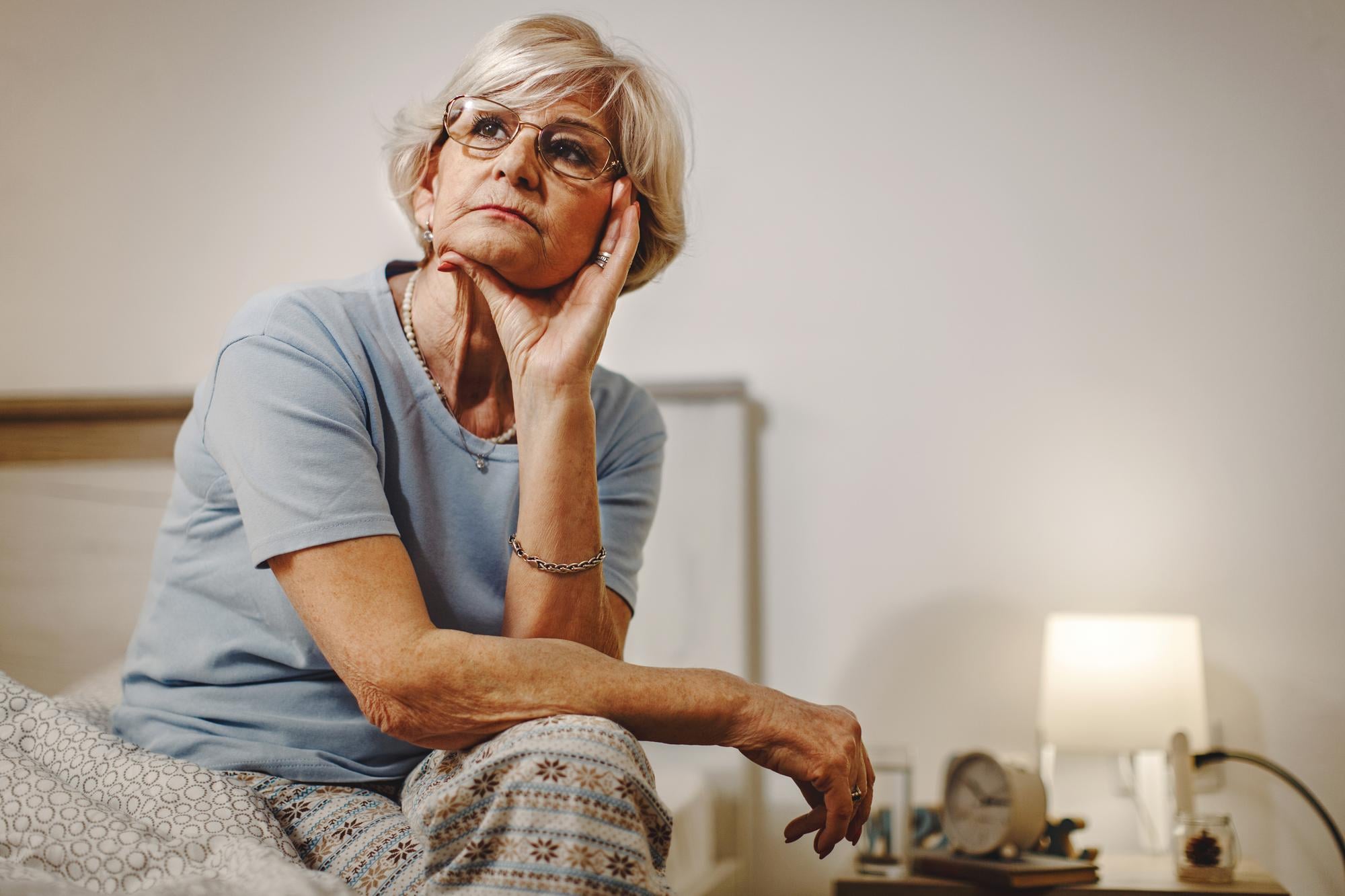
Three Envelopes
Stephanie leaned over the folding table.
She looked at the three envelopes lying side by side on the cheap plastic surface. Next to the leftover pumpkin pie and the paper plates with turkey gravy drying on them.
Three manila envelopes. Each one with a name written across the front in my husband’s square, careful handwriting.
MICHAEL.
STEPHANIE.
DANIEL.
She reached for the one with her name on it.
Then she stopped.
She looked closer.
Because one of those envelopes was very, very different from the other two.
Hers was thin. So was Michael’s. Flat. Light. The kind of envelope that holds a single sheet of paper. Maybe two.
Danny’s was thick.
So thick the metal clasp barely closed. So heavy it had sagged in the middle when I set it down. There was something hard inside it. Something with edges. You could see the shape of it pressing through the paper.
And across the bottom, under Danny’s name, in that same square handwriting, Walt had written two more words.
OPEN LAST.
Stephanie looked at the thick envelope.
Then at me.
“Mom,” she said slowly. “What is this?”
But I need to tell you how we got here.
To a folding table in a two-bedroom apartment over a laundromat.
To three envelopes.
To the moment my daughter finally understood that her father had been watching all along.
My name is Dolores Haverty. I’m seventy-one years old.
I was married to Walter Haverty for forty-nine years.
We met in 1974 at a roller rink in Wilkes-Barre, Pennsylvania. He fell down in front of me. Flat on his back. In the middle of the floor. During the couples skate.
I helped him up.
He said, “I did that on purpose so you’d have to touch me.”
He didn’t do it on purpose. He couldn’t skate. He told me that on our fortieth anniversary.
Walt drove a truck.
That’s how it started. One truck. A used 1971 Mack with a cracked windshield and a heater that only worked on the passenger side. He hauled anthracite coal and lumber and whatever else people would pay him to haul up and down the Lackawanna Valley.
In 1979, he bought a second truck.
In 1983, he rented a garage in Old Forge and painted a sign on the door himself. HAVERTY TRANSPORT.
By 2000, he had forty trucks. Sixty drivers. A terminal off Interstate 81 in Pittston. Contracts with three grocery chains and a paper mill.
He never stopped driving. Even when he owned forty trucks, he’d take a route once a month. He said a man who doesn’t drive his own road forgets where the potholes are.
We raised three children in a little brick house on Prospect Avenue in Scranton.
Three bedrooms. One bathroom. A front porch with a glider. A backyard with a clothesline and a tomato patch.
We never moved.
Not when the business grew. Not when the money came. Not when Walt’s accountant told him he could afford a house in Clarks Summit with a pool and a three-car garage.
“What do I need a pool for?” Walt said. “There’s a lake ten minutes away.”
Michael is our oldest. He’s forty-eight.
He was a serious boy. Smart. Always reading. He got a scholarship to Penn State and then an MBA from Wharton. Now he’s a senior vice president at a pharmaceutical company in King of Prussia. He has a five-bedroom house in Wayne. A wife named Jenna who does interior design. Two teenagers in private school.
He calls on my birthday. On Mother’s Day. On Christmas.
That’s about it.
Stephanie is in the middle. She’s forty-five.
She was the pretty one. Cheerleader at Scranton Prep. Homecoming queen. Married a lawyer named Brad right out of college. They live in a big stone colonial in Clarks Summit. The kind of house Walt’s accountant wanted us to buy. Two kids. Tennis lessons. A ski house in the Poconos.
She calls more than Michael. Usually when she needs something. A recipe. A babysitter. A loan she always says she’ll pay back.
Danny is our youngest. He’s thirty-eight.
He was our surprise. I was thirty-three when I had him. Walt cried in the delivery room. He said, “Dolores, we got a bonus.”
Danny struggled in school. Reading was hard for him. Numbers were worse. His teachers said he didn’t apply himself. His guidance counselor told me he’d be lucky to graduate.
He barely did.
But Danny could fix anything.
At eight, he took apart our toaster and put it back together. At twelve, he rebuilt the engine on Walt’s old riding mower. At fifteen, he spent every Saturday at the Haverty Transport garage with the mechanics. Covered in grease. Happy.
He works at Kowalski’s Auto Repair on North Main Avenue now. Sixty hours a week. Has for eighteen years. He lives in a two-bedroom apartment over the Bright Spin Laundromat on Wyoming Avenue. With his wife, Kayla, who works at the Weis Markets deli counter. And their two boys. Jesse, who’s seven. And Luke, who’s four.
He calls me every Sunday night. At seven o’clock.
He has never missed one.
Walt sold the business two years before he got sick.
Haverty Transport. All of it. Forty-two trucks. The terminal in Pittston. The contracts. The name.
He sold it to a national logistics company out of Harrisburg. They’d been trying to buy him for six years. He finally said yes.
After taxes and paying off everything, there was three point eight million dollars.
We purposely never told the kids.
That was Walt’s idea.
We were sitting at the kitchen table on Prospect Avenue the night the deal closed. He had the paperwork spread out in front of him. All those zeros.
He took off his reading glasses. The old brown tortoiseshell ones he’d worn since 1985.
“Dolores,” he said. “We’re not telling them.”
“Walt—”
“Not yet,” he said. “Maybe not ever. We keep living the way we live. Same house. Same car. Same coupons.”
“Why?”
He rubbed his eyes.
“Because money shows you exactly who people are,” he said. “And I love our kids. I don’t want to find out who they are because of money.”
He picked up his glasses again.
“Let’s not find out until we have to,” he said.
So we didn’t tell them.
We kept living in the little brick house on Prospect Avenue.
We kept driving the same 2011 Buick LaCrosse. Silver. A dent in the back bumper from where Walt backed into a mailbox in 2016.
We kept clipping coupons and sticking them on the fridge with a magnet shaped like a Mack truck.
The money sat in an account at a bank in Philadelphia. Walt’s financial advisor managed it. A quiet man named Herb who’d known Walt since 1990.
Nobody knew.
Not Michael. Not Stephanie. Not Danny.
Walt got sick in March of last year.
Pancreatic cancer. Stage four. By the time they found it, it was everywhere.
The doctor at Geisinger gave him six months.
He got nine.
The kids came. In their different ways.
Michael came twice. Once in April. Once in October. He stayed two hours each time. He spent most of it on his phone in the hallway.
Stephanie came once a month. She’d bring flowers from the supermarket. She’d sit by the bed for an hour and talk about her kids’ tennis tournaments and the renovation on the ski house.
Danny came every single day.
After work. Every day. Six o’clock. Still in his work clothes. Still with grease under his fingernails.
He’d sit by the bed and hold his father’s hand.
Sometimes they talked about trucks. About engines. About the old Mack with the cracked windshield.
Sometimes they didn’t talk at all.
Danny would just sit there. Holding his hand. Until visiting hours ended at nine.
Then he’d drive home to the apartment over the laundromat. And get up at five-thirty the next morning. And go to work.
For nine months.
In November, Walt asked for paper.
Lined paper. A legal pad. And three manila envelopes.
I brought them to the hospice room at St. Mary’s. I asked him what they were for.
“Letters,” he said. “For the kids.”
“What kind of letters?”
He looked at me.
“The kind they get after,” he said.
He wrote them over three days.
He was so weak by then. His hand shook. He’d write a few lines and then rest for an hour. Then write a few more.
He wouldn’t let me read them.
When he finished, he sealed each envelope. He wrote their names on the front.
On Danny’s, he wrote two more words underneath.
OPEN LAST.
Then he asked for something else.
“The briefcase,” he said. “My old leather one. From the closet at home.”
I brought it.
He put something inside Danny’s envelope. Something from the briefcase. A folder. And something small and heavy. I didn’t see what.
He sealed it.
He handed all three envelopes to me.
“Dolores,” he said. “I need you to do something. After.”
“Anything.”
He took my hand.
“Call them,” he said. “Each one. Tell them it’s all gone. The medical bills took everything. Tell them the bank’s taking the house. Tell them you’ve got nowhere to go.”
I stared at him.
“Walt—”
“See what they do,” he said.
“That’s cruel.”
“No,” Walt said. “It’s honest. It’s the only way to know.”
He squeezed my hand.
“Then give them the letters,” he said. “At the same time. In the same room. Whoever takes you in, that’s where you give them.”
He closed his eyes.
“I already know who it’ll be,” he said quietly. “But you need to see it. For yourself.”
He died on December fourth.
At 4:12 in the morning.
I was holding one hand.
Danny was holding the other.
After the funeral service, I finally had to find out.
The reception was at St. Ann’s in the parish hall. The church Walt and I were married in. Folding tables. Ham sandwiches. Potato salad. A sheet cake from Wegmans.
A hundred and forty people came. Drivers who’d worked for Walt for thirty years. Mechanics. Dispatchers. Neighbors from Prospect Avenue. Men from the Elks Lodge.
I watched my three children carefully.
Michael spent most of the reception on his phone.
He stood in the corner by the coat rack. Scrolling. Typing. Stepping outside twice to take calls.
When an old driver named Stan Kowalczyk came up to tell him a story about Walt pulling his rig out of a snowbank on Route 6 in the blizzard of ’93, Michael nodded politely and said, “That’s great. Excuse me, I have to take this.”
Stan stood there holding his paper plate.
Stephanie pulled me aside.
Twice.
The first time was by the coffee urn.
“Mom,” she said quietly. “Did Dad leave any important paperwork? Like, a will? Or insurance? Anything like that?”
“I’m sure there’s something,” I said. “I haven’t looked yet.”
“You should look soon,” she said. “Like, this week. You don’t want anything to get lost.”
The second time was by the door. When I was saying goodbye to Father Murphy.
“Mom. The paperwork. Don’t forget.”
Danny stood at the sink.
In the little kitchen at the back of the parish hall.
Nobody asked him to.
He’d taken off his suit jacket. Rolled up his sleeves. Put on one of the church ladies’ aprons. A yellow one with daisies on it.
And he washed every single dish.
Every plate. Every coffee cup. Every serving platter. Every fork.
For two hours.
Kayla dried. The boys sat on the counter and handed him the dirty ones.
When the church ladies tried to take over, Danny shook his head.
“Dad always said you clean up after yourself,” he said. “And after your people. Let me.”
A week later, I sat at the kitchen table on Prospect Avenue.
Holding Walt’s old tortoiseshell reading glasses.
The house was so quiet. I could hear the clock in the hallway. The furnace kicking on. A car going by outside.
I picked up the phone.
I made three phone calls.
I told each of my children the exact same story.
That the medical bills had taken everything. Nine months of cancer treatment. The hospice. The doctors in Danville. All of it.
That the bank was taking the house. I had until the end of January.
That I had nowhere left to go.
It was the hardest thing I’ve ever done.
Lying to my children.
I sat at that kitchen table and shook.
But Walt asked me to.
So I did.
Michael answered his cell phone on the fourth ring.
“Mom? What’s up? I’m in the car.”
I told him.
He was quiet for a long time.
So long I thought the call had dropped.
“Michael?”
“I’m here,” he said. “Mom, that’s—that’s awful. I’m so sorry.”
“I don’t know what to do,” I said.
Another long pause.
“Mom, it’s really not a good time for us right now,” he said. “Jenna’s mother is visiting in the spring. For six weeks. And the guest room is basically Jenna’s home office now. She’s got all her fabric samples in there. Her drafting table.”
He has a five-bedroom house.
Five bedrooms. For four people.
“I understand,” I said.
“I’ll send you some links,” Michael said. “For senior apartments. There are some really nice ones now. Assisted living. Independent living. Places with activities.”
“Okay.”
“I’ve got to go, Mom. I’m pulling into the office. I’ll email you.”
He emailed that night.
Three website links. Senior Living Options in Lackawanna County.
No message. No love, Michael.
Just three links.
Stephanie cried.
Loudly. Right away. Before I even finished.
“Oh my God, Mom. Oh my God. That’s terrible. Oh, Mom.”
I let her cry.
Then she stopped.
Just like that. Like someone turned off a faucet.
“How much is left?” she asked. “Like, exactly. Is there anything? The life insurance? Dad’s pension? The house equity?”
“Nothing,” I said. “It’s all gone.”
The crying didn’t start again.
“Nothing?” she said.
“Nothing.”
There was a long pause.
“Mom,” Stephanie said. Her voice had changed. Brisk. Efficient. “Have you looked into shelters? Some of them are actually really nice now. The community-run ones. Catholic Social Services has one in Scranton. I think. Or the YWCA.”
I didn’t say anything.
“Or maybe a church can help,” she said. “St. Ann’s. You’ve been going there for fifty years. They should do something.”
“Stephanie—”
“Mom, I’m so sorry, I have to run,” she said. “I have to pick up the kids from tennis. Madison has a tournament this weekend. I’ll call you later, okay? Love you.”
She didn’t call later.
I called Danny last.
I almost didn’t.
I sat there with the phone in my hand for twenty minutes.
Because I knew.
I knew what Danny would say.
And I didn’t know if I could stand to hear it.
Danny. Who barely made it through high school. Who works sixty grueling hours a week at Kowalski’s Auto Repair. Who makes nineteen dollars an hour. Who shares a tiny two-bedroom apartment over a laundromat with his wife and two little boys. Where the floor shakes when the industrial dryers run. Where it smells like dryer sheets and bleach all day long.
He answered on the first ring.
“Hey, Mom. You okay?”
“Danny,” I said. “I need to tell you something. The medical bills—”
I didn’t even get to finish my sentence.
“Come tonight, Mom,” he said.
I stopped.
“Danny, you don’t even know what I’m going to say.”
“You’re going to say Dad’s bills ate everything,” he said. “And you’re going to lose the house. I figured. Nine months at Geisinger and hospice? I figured it was bad.”
“Danny—”
“Come tonight,” he said again.
“Honey, you don’t have the space.”
“You’ll take our bed,” Danny said. “Kayla and I will sleep on the couch in the living room. The boys will be thrilled you’re here. Jesse’s been asking when Grandma’s coming over.”
“Danny, I can’t pay you. Not a dime.”
He laughed.
Genuinely laughed. Like I’d said something silly.
“Mom,” he said. “You raised me. You sat with me every night in fourth grade when I couldn’t read. You drove me to Kowalski’s every Saturday when I was fifteen. You never once made me feel stupid.”
His voice got quiet.
“I’m coming to get you,” he said. “Right now. Pack a bag.”
He pulled into my driveway forty minutes later.
In his old Ford Ranger. Red. Rust on the wheel wells. A cracked taillight.
Still in his work clothes. Navy blue coveralls with DANNY stitched over the pocket. Engine grease on his hands. Under his fingernails. On his cheek.
He’d come straight from the shop.
He walked into the house. He looked around. At the living room. At Walt’s recliner. At the photographs on the wall.
He didn’t say anything.
He just put his arms around me.
He smelled like motor oil and WD-40 and the cold.
He smelled like his father.
“Where’s your bag?” he said.
I pointed.
He picked it up. He carried it out to the truck.
He came back in.
“What else?”
“Danny, that’s enough. I can come back for things.”
He looked at Walt’s recliner.
“Do you want his chair?” he asked quietly. “I can get it in the truck. I’ll make room.”
I started crying.
He held me again.
I lived under their roof for three whole months.
The apartment was small.
Two bedrooms. One bathroom. A galley kitchen where you can’t open the oven and the refrigerator at the same time. A living room with a sagging green couch and a TV on a milk crate.
The boys shared the second bedroom. Bunk beds. Jesse on top. Luke on the bottom.
Danny and Kayla gave me their room.
Their bed. A queen. With clean sheets. Kayla put fresh flowers on the dresser. Carnations from the Weis.
They slept on the couch.
The couch had a broken spring.
In the middle. On the left side. It poked up through the cushion. Danny put a folded towel over it.
He slept on that side.
For three months.
I heard him at night sometimes.
Turning over. Trying to get comfortable. The springs creaking.
He never said a word about it.
Not once.
Kayla never uttered a single complaint either.
She was twenty-nine. Quiet. Gentle. She grew up in foster care in Wilkes-Barre. Six homes in twelve years. She told me once that the first time she ever had Thanksgiving dinner at a real table was at our house on Prospect Avenue. In 2014. When Danny brought her home.
She cooked every night. She packed my lunch on days she worked. She drove me to my doctor’s appointments on her days off.
When I tried to thank her, she shook her head.
“Mrs. H,” she said. “You and Mr. H were the first people who ever made me feel like I had a family. This is nothing.”
The boys crawled into my bed every Saturday morning.
Seven o’clock. Like clockwork.
Jesse first. Then Luke. In their pajamas. With their blankets.
They’d climb in on either side of me. And we’d watch cartoons on the little TV on the dresser.
Luke liked Bluey. Jesse liked Paw Patrol, though he said he was too old for it.
Luke would fall asleep again with his head on my arm.
Jesse would ask questions.
“Grandma, did Grandpa really drive a truck?”
“He did.”
“A big one?”
“The biggest. A Mack. With a bulldog on the front.”
“Did he let you drive it?”
“Once,” I said. “In 1976. In the parking lot of the Viewmont Mall. I hit a light pole.”
Jesse laughed so hard he woke Luke up.
Michael called a total of twice in three months.
The first time was in January. To ask if I’d looked at the links.
“I’m staying with Danny,” I said.
“Oh,” Michael said. “Okay. Good. That’s good. Is it—is that working?”
“It’s working.”
“Okay. Good. Well, let me know if you need anything.”
He didn’t ask what I needed.
The second time was in February. To tell me Jenna’s mother’s visit had been canceled.
He didn’t offer the guest room.
Stephanie called just once.
In February.
“Mom,” she said. “I was wondering. Do you still have Dad’s watch?”
“Which watch?”
“The gold one,” Stephanie said. “The Hamilton. The one Grandpa gave him. From the railroad.”
Walt’s father worked for the Delaware, Lackawanna and Western Railroad for thirty-five years. When he retired, the company gave him a gold Hamilton pocket watch. Railroad grade. Engraved on the back. He gave it to Walt on our wedding day.
Walt carried it every day for forty-nine years.
“I have it,” I said.
“Oh, good,” Stephanie said. “I was just worried. That it got lost. In the move. Or sold. With the house.”
“It didn’t get sold.”
“Good,” she said. “Because I’d love for Brady to have it someday. Since he’s the oldest grandson.”
Brady is fourteen. He has never once called me.
“We’ll see,” I said.
“Okay,” Stephanie said. “Well. Just keep it safe. It’s probably worth a lot.”
She didn’t ask how I was.
Danny never asked about the watch.
Danny never asked about anything.
One night in February, I couldn’t sleep.
I got up to get a glass of water. I walked through the living room.
Danny was asleep on the couch. On the left side. On the folded towel over the broken spring. In his work T-shirt. His arm hanging off the edge.
Kayla was curled up on the other end.
Next to Danny’s hand, on the floor, was a library book.
Reading for Adult Learners: Level Two.
I picked it up.
There was a bookmark in it. A receipt from AutoZone.
On the back of the receipt, in Danny’s careful, blocky handwriting, he’d written words. A list. The words he didn’t know.
Inheritance.
Executor.
Probate.
Estate.
I stood in the dark living room holding my son’s library book.
He’d been looking up the words.
From the funeral. From the paperwork. From what the lawyer said at the reading of the will, which said only that everything went to me.
He didn’t understand them. So he went to the Scranton Public Library and checked out a book. And he was teaching himself.
At thirty-eight years old.
On a couch with a broken spring.
So he could help me.
I put the book back. Exactly where it was.
I went back to bed.
I didn’t sleep.
On Thanksgiving—no.
I’m getting ahead of myself.
It wasn’t Thanksgiving yet. It was March.
But I’d made a decision.
I called Herb in Philadelphia. Walt’s financial advisor.
I called Walt’s lawyer, a woman named Patricia Novak with an office on Wyoming Avenue, three blocks from the laundromat.
I told them what I wanted.
They said it would take some time.
I said I had time.
It took until November.
On Thanksgiving Day, I invited all three families to Danny’s apartment.
I told Danny I’d pay for the turkey. He said no. I said I’d been saving my Social Security. He said no again. Kayla finally said, “Danny, let your mother buy a turkey.”
He let me.
Michael and Stephanie only agreed to come because I told them I had something of Dad’s to hand out.
I said it on the phone. To each of them.
I have something from your father. He wanted you to have it. He left instructions. It has to be in person. All three of you. Together.
Michael said, “Can’t you just mail it?”
I said no.
Stephanie said, “Is it the watch?”
I said, “You’ll see.”
They both came.
Michael arrived at two o’clock. With Jenna and their two teenagers, Carter and Ava. In a black Range Rover he parked in front of the laundromat. Jenna looked at the laundromat. Then at the narrow stairway going up to the apartment. Then at Michael.
Stephanie arrived at two-fifteen. With Brad and their two kids, Brady and Madison. In a white Audi. Brad stayed on his phone the whole way up the stairs.
They stood awkwardly in Danny’s tiny kitchen.
In their expensive coats. Jenna in camel cashmere. Stephanie in a black wool wrap with a fur collar. Brad in a quilted Barbour jacket.
They didn’t take their coats off.
They stood very close to the wall. Like the environment might somehow stain them.
The industrial dryers were running downstairs. The floor was humming.
Jenna kept looking at the ceiling. At a water stain over the stove.
Madison, who’s twelve, whispered something to Brady. Brady laughed.
Danny didn’t seem to notice.
Or he noticed and didn’t care.
He shook Michael’s hand. He hugged Stephanie. He took their coats.
He hung them on the hooks by the door. Next to his navy coveralls with DANNY stitched over the pocket.
“Make yourselves at home,” he said. “Turkey’s got about twenty more minutes. Kayla made her famous stuffing. With the sausage.”
We ate at three.
All fourteen of us. In a living room built for four.
Danny had borrowed folding tables from the Elks Lodge. Two of them. Pushed together. Covered with paper tablecloths Kayla bought at the Dollar General. Turkey. Paper plates. Plastic forks.
The kids sat on the floor around the coffee table.
Jesse and Luke showed Carter and Ava and Brady and Madison their Lego collection. Brady looked bored. Madison was on her phone. But Carter, Michael’s son, sixteen, got down on the floor and built a garbage truck with Luke.
I watched that.
It was a nice dinner.
Kayla’s stuffing was wonderful. The turkey was a little dry. Nobody said anything.
Brad talked about a case he was working on. Jenna talked about a kitchen she was designing in Bryn Mawr. Michael talked about a drug trial.
Danny didn’t talk much.
He refilled everybody’s drinks. He cut the turkey. He got up every time somebody needed something.
When Jenna asked where the bathroom was, he got up and showed her. When she came back, I saw her look at him differently.
I don’t know what she saw in that bathroom. Maybe the towel rack Danny built out of an old copper pipe. Maybe the boys’ toothbrushes in a cup. Maybe the hand-lettered sign above the toilet, in Jesse’s handwriting. PLEASE JIGGLE THE HANDLE.
After dinner, after pie, I stood up.
I went to the front closet.
I took out Walt’s old leather briefcase.
Brown leather. Worn soft. Cracked at the corners. Brass latches gone dull.
He bought it in 1983. The year he painted HAVERTY TRANSPORT on the garage door in Old Forge. He carried it to every meeting for forty years. Contracts. Invoices. Bills of lading.
It still smelled like him.
I carried it to the folding table.
The room went quiet.
Michael put down his fork. Stephanie sat up straight. Brad looked up from his phone.
Danny looked at the briefcase. He recognized it. His face changed.
I opened the latches.
I took out three manila envelopes.
And I set them on Danny’s cheap folding table.
Side by side.
MICHAEL.
STEPHANIE.
DANIEL — OPEN LAST.
Stephanie leaned forward eagerly.
She looked at the envelopes.
Then she looked closer.
At the thin envelope with her name. At the thin envelope with Michael’s.
At the thick one with Danny’s. Sagging in the middle. With the shape of something hard pressing through the paper.
OPEN LAST.
“Mom,” she said slowly. “What is this?”
“These are from your father,” I said.
I sat down.
My hands were shaking. I folded them in my lap.
“He wrote them in November,” I said. “Last year. At St. Mary’s. When he was dying. It took him three days. His hand was shaking so bad he could only write a few lines at a time.”
Nobody said anything.
“He sealed them,” I said. “I’ve never read them. I don’t know what they say.”
I looked at my three children.
“He gave me instructions,” I said. “Before he died. He told me what to do. And when to give you these.”
“What instructions?” Michael said.
I looked at him.
“He told me to call each of you,” I said. “After the funeral. And tell you the medical bills took everything. That the bank was taking the house. That I had nowhere to go.”
The room went very still.
“And see what you did,” I said.
Stephanie’s face went white.
Michael put his hand flat on the table.
“Wait,” Michael said. “What do you mean, tell us?”
“I mean it wasn’t true,” I said.
Nobody moved.
Downstairs, a dryer buzzer went off. Somebody’s load was done.
“The bills didn’t take everything,” I said. “The bank isn’t taking the house. The house on Prospect Avenue is paid off. It’s been paid off since 1998. It’s sitting there right now. Empty. Waiting for me.”
Stephanie opened her mouth.
Nothing came out.
“Your father,” I said, “sold Haverty Transport two years before he got sick.”
Michael stared at me.
“He sold it to a company in Harrisburg,” I said. “The terminal. The trucks. The contracts. The name. All of it.”
“Mom,” Michael said. “What are you—”
“After taxes,” I said, “after paying off every loan and every driver’s severance and every bill, there was three million, eight hundred thousand dollars.”
The room was silent.
Completely silent.
Even the kids on the floor had stopped playing.
“We didn’t tell you,” I said. “On purpose. Your father’s idea. He said money shows you exactly who people are. He said he loved you too much to find out who you were because of money.”
I looked at Stephanie.
“He said, Let’s not find out until we have to,” I said.
I looked at Michael.
“After he died,” I said, “I had to.”
Brad put his phone down.
For the first time all day.
Jenna had her hand over her mouth.
Stephanie was staring at the envelopes.
“Three point eight million,” she whispered.
“Three point eight million,” I said.
“And you let us think—you lied to us—”
“Yes,” I said. “I did. Your father asked me to. I’ve hated every minute of it.”
“Michael,” I said. “You told me you didn’t have room. In a five-bedroom house. Because Jenna’s fabric samples were in the guest room.”
Michael looked at the table.
“You sent me three links,” I said. “No message. No love, Michael. Just links. To senior apartments.”
Jenna looked at her husband.
“Michael,” she said quietly. “You told me your mom was staying with Danny because she wanted to. You said she chose it.”
Michael didn’t answer.
“Stephanie,” I said.
She flinched.
“You cried,” I said. “And then you asked how much was left. Exactly. And when I said nothing, the crying stopped. And you asked if I’d looked into shelters.”
“Mom—”
“You said some of them are actually really nice now,” I said. “The community-run ones.”
Brad turned and stared at his wife.
“You told your mother to go to a shelter?” he said.
Stephanie’s face went red.
“I didn’t—I was panicking—I didn’t know what to—”
“And then you called me in February,” I said. “Not to ask how I was. To ask if I still had your father’s watch.”
Stephanie put her face in her hands.
“And Danny,” I said.
I looked at my youngest son.
He was sitting at the end of the folding table. In a clean flannel shirt. His hands still faintly gray around the knuckles from grease that never comes all the way out.
He was staring at me.
He wasn’t angry. He wasn’t hurt.
He just looked confused.
“Danny didn’t let me finish my sentence,” I said. “He said come tonight. He said you’ll take our bed. He drove to Prospect Avenue in forty minutes in his work clothes.”
Danny looked down.
“He slept on that couch,” I said. I pointed at it. The green one. With the folded towel on the left side. “For three months. On a broken spring. So I could have his bed.”
Kayla put her hand on Danny’s arm.
“He never asked me for a dime,” I said. “He never asked about the watch. He never asked about paperwork. He never asked about anything.”
My voice cracked.
“He checked a book out of the library,” I said. “Reading for Adult Learners. So he could look up the words from the lawyer’s office. Probate. Estate. Executor. So he could help me.”
Danny’s face went red.
“Mom,” he said quietly. “You saw that?”
“I saw it,” I said.
Danny stood up.
“I don’t want it,” he said.
Everybody looked at him.
“The money,” Danny said. “Whatever’s in there. I don’t want it. I didn’t take you in for money, Mom. I didn’t even know there was money.”
“I know,” I said.
“So give it to them,” Danny said. He waved at Michael and Stephanie. “Or keep it. Or give it to the church. I don’t care. I don’t want you to think—I didn’t—”
He stopped.
“I just wanted you to be okay,” he said. “That’s all.”
I looked at my son.
“Sit down, Danny,” I said.
He sat down.
“That’s exactly why,” I said.
I pushed the envelopes across the table.
“Your father wrote these,” I said. “I don’t know what’s in them. He told me to give them to you on the same day. In the same room. In the house of whoever took me in.”
I looked around Danny’s tiny living room.
At the paper tablecloth. The folding tables from the Elks. The green couch with the broken spring.
“So here we are,” I said.
“Michael,” I said. “You first. You’re the oldest.”
Michael picked up his envelope.
His hands were shaking.
He opened the clasp. He slid out what was inside.
A single sheet of yellow legal paper. Folded in thirds.
And a check.
He looked at the check first.
Then he unfolded the letter.
He read it silently.
His face changed.
“Read it out loud,” Jenna said quietly.
Michael looked at her.
“Please,” she said.
Michael cleared his throat.
His voice was shaking.
Michael,
If you’re reading this, your mother called you and told you she had nothing. And you didn’t take her in.
I’m not angry. I want you to know that. I knew you wouldn’t.
Not because you’re a bad man. You’re not. You’re a good man who forgot something.
When you were ten years old, a boy in your class named Kevin Dunleavy had his bike stolen from the playground at Bancroft Elementary. His family didn’t have money for another one. You came home and asked me if you could give him yours.
I said, “What will you ride?”
You said, “I’ll walk. Kevin lives farther from school than me.”
You gave him your bike. The red Schwinn your grandmother bought you. You walked to school for two years.
I was never prouder of you than I was that day.
Somewhere between that bike and that big house in Wayne, you forgot who you were.
I don’t blame you. The world you work in teaches you to forget. It teaches you that people are numbers. That time is money. That if you stop to help somebody, you fall behind.
But Michael, I sold forty-two trucks and I never once fell behind by helping somebody. I got ahead because of it. Every driver I ever pulled out of a ditch drove for me for twenty years.
The check in this envelope is for your children. Carter and Ava. It’s in a trust. For college. It’s yours to manage until they’re twenty-one. Not to spend.
Your inheritance is the same thing I gave Kevin Dunleavy’s family in 1987, after you gave him your bike and I found out his father had been laid off from the Globe Store.
I gave him a job.
Go to Danny’s shop. Kowalski’s on North Main. Ask Stan Kowalski if he needs somebody on Saturdays. Learn to change a tire. Learn to change oil.
Learn to get your hands dirty again.
Then come back and read this letter again.
Love,
Dad
P.S. Kevin Dunleavy drove for me for twenty-six years. He was a pallbearer at my funeral. You were on your phone during his eulogy. Ask your mother what he said.
Michael stopped reading.
He put the letter down on the table.
He looked at me.
“What did he say?” he said. His voice was barely a whisper. “Kevin. At the funeral. What did he say?”
I remembered.
Kevin Dunleavy. Forty-eight. Same age as Michael. A big man with a gray beard and a Haverty Transport jacket. He stood at the podium at St. Ann’s and couldn’t get through it.
“He said,” I told Michael, “When I was ten, a kid I barely knew gave me his bike. When I was twenty, that kid’s father gave me a job. Everything I have, I owe to the Havertys. I hope that kid knows what he started.”
Michael put his face in his hands.
Jenna put her arm around him.
Carter, on the floor, was holding a Lego garbage truck. Staring at his father.
“Dad,” Carter said quietly. “You gave a kid your bike?”
Michael didn’t answer.
He was crying.
I’d never seen my oldest son cry. Not once. Not since he was a little boy.
The check was for four hundred thousand dollars.
Two hundred thousand for Carter. Two hundred thousand for Ava.
In trust.
For college.
“Stephanie,” I said.
She didn’t move.
She was staring at her envelope.
“Stephanie,” I said again. “Open it.”
She picked it up.
She opened the clasp.
A single sheet of yellow legal paper. And a check.
She looked at the check.
Her face did something complicated.
She unfolded the letter.
She read it.
She stopped halfway through.
She couldn’t go on.
Brad reached over.
He gently took the letter from her hands.
“May I?” he asked me.
I nodded.
He read it out loud.
Stephanie,
If you’re reading this, your mother called you and you asked how much money was left.
I knew you would. I’m sorry I was right.
I want to tell you something you don’t remember.
When you were eight, my mother was in the nursing home at Allied Services. She didn’t know any of us anymore. Your brothers stopped visiting. Michael said it was too sad. Danny was too little.
You went every Sunday. With me. For two years. You brought your hairbrush and you brushed Grandma Rose’s hair. Every Sunday. One hundred strokes. You counted them out loud.
She didn’t know your name. She called you Mary, which was her sister’s name. You didn’t correct her. You said, “It’s okay, Daddy. If she thinks I’m Mary, then Mary gets to visit too.”
That’s who you are, Stephanie. I know it’s still in there.
I also know that Brad lost his job at the firm in August. And that you’ve been hiding it from your friends at the club. And from your mother. And from me. I know you took out a second mortgage on the house in Clarks Summit. I know you’re behind on the ski house.
How do I know? Because I’ve been in business for forty years and I can read a face. And because Brad called me in September and asked me for a loan. And made me promise not to tell you.
I said no. Not because I didn’t have it. Because I wanted you to tell me yourself. You never did.
I think you asked your mother how much money was left because you were scared. Not because you’re greedy. Because you’re drowning and you don’t know how to say it.
I’m sorry you felt you couldn’t tell us.
The check in this envelope is for Brady and Madison. In trust. For college. Same as Michael’s kids.
Your inheritance is my mother’s hairbrush. It’s in your mother’s dresser. Top drawer. Under her scarves.
Go get it.
Then go to Allied Services. Third floor. Ask for the activities director. Tell her you’d like to volunteer on Sundays.
Brush somebody’s hair. One hundred strokes. Count them out loud.
Remember who you are.
Love,
Daddy
Brad put down the letter.
The room was silent.
Stephanie was sobbing. Her face in her hands. Her whole body shaking.
Brad was staring at the letter.
“He knew,” Brad said quietly. “I called him. In September. I made him promise not to tell her. He said no to the loan. I was so angry.”
He looked at me.
“I thought he was being cheap,” he said. “I thought he didn’t have it. I thought you were broke too. I was so humiliated.”
He looked at the letter again.
“He wanted her to tell you herself,” he said.
Stephanie lifted her head.
Her mascara was running down her face.
“Mom,” she said. “I’m so sorry. Brad lost his job. In August. We’re behind on everything. The house. The ski house. The kids’ tuition at Prep. I didn’t know how to tell anybody. Not you. Not Dad. Not anybody.”
She was crying so hard she could barely talk.
“When you called,” she said, “and said you’d lost everything, I panicked. I thought, Oh God, I can’t help her. I can’t even help us. And then you said there was nothing left, and I just—”
She stopped.
“I said shelter,” she whispered. “I told my own mother to go to a shelter.”
“You did,” I said.
“And I asked about the watch,” she said. “Because I thought maybe we could sell it. Maybe it was worth something. Maybe it would cover the ski house payment.”
She put her face back in her hands.
“I was going to sell Grandpa’s railroad watch,” she said.
Madison, on the floor, had put down her phone.
She was staring at her mother.
“Mom,” she said. “Daddy lost his job?”
Stephanie didn’t answer.
Brady was looking at Brad.
“Is that why we didn’t go to Vail?” Brady asked. “At Christmas? You said the snow was bad.”
Brad closed his eyes.
“The snow was fine, buddy,” he said quietly.
The check was for four hundred thousand dollars.
Two hundred thousand for Brady. Two hundred thousand for Madison.
In trust.
For college.
“Danny,” I said.
He looked at me.
He looked at the thick envelope in front of him.
DANIEL — OPEN LAST.
“Mom,” he said. “I really don’t want—”
“Open it, Danny,” I said. “Your father wrote it. For you. He spent three days on these letters. His hand was shaking. He wanted you to have it.”
Danny looked at the envelope for a long time.
Then he picked it up.
It was heavy. He had to use both hands.
He opened the clasp.
He tipped it over.
Three things slid out onto the paper tablecloth.
A sheet of yellow legal paper. Folded in thirds. More pages than the others. Four, maybe five.
A folder. Blue. With a law firm’s name on the tab. NOVAK & ASSOCIATES.
And a ring of keys.
Old keys. Brass and steel. On a big iron ring. With a leather tag.
Stamped into the leather, worn almost smooth:
HAVERTY TRANSPORT — OLD FORGE — 1983.
Danny stared at the keys.
He picked them up.
He turned them over in his hands. His rough, scarred, mechanic’s hands.
“These are the garage keys,” he said quietly. “The old garage. In Old Forge. On Main Street. Where Dad started.”
He looked at me.
“I used to go there,” he said. “When I was little. On Saturdays. Before he moved to Pittston. Dad would let me sit on the workbench while the mechanics worked.”
“I know,” I said.
“He sold it,” Danny said. “In 2001. When he built the terminal. He sold the old garage. Some guy bought it. Turned it into a storage place.”
“Open the folder, Danny,” I said.
He opened the blue folder.
Inside were papers. A lot of them. Legal papers. With seals and signatures.
Danny looked at the first page.
He frowned.
He looked at it for a long time.
His lips moved. Slowly. Sounding out the words.
I watched him.
I watched my son read.
The boy who couldn’t read in fourth grade. Who cried at the kitchen table on Prospect Avenue every night because the letters wouldn’t hold still.
Who checked a book out of the library at thirty-eight years old.
He read it all the way through.
Slowly.
Then he looked up.
His face was white.
“Mom,” he said. “This says deed.”
“It does.”
“This says grantee: Daniel Walter Haverty.”
“It does.”
“This says 314 Main Street, Old Forge.”
He looked at the keys in his other hand.
“Mom,” he said. “This says I own the garage.”
Nobody in the room breathed.
“Your father bought it back,” I said. “In 2022. Two weeks after he sold the business. The storage company was going under. He bought the building for two hundred and eighty thousand dollars.”
Danny was staring at me.
“He spent a year fixing it,” I said. “Before he got sick. New roof. New electric. New hydraulic lifts. Three bays. A parts room. An office.”
My voice was breaking.
“He’d drive out there on weekends,” I said. “Saturday mornings. He told me he was going fishing. He was going to Old Forge. He did a lot of the work himself. He put in the lifts himself. He was seventy-three years old.”
“Why?” Danny whispered.
I looked at the letter on the table.
“Read his letter, honey,” I said.
Danny picked up the letter.
He unfolded it. Five pages. Yellow legal paper. Covered in his father’s handwriting. Shaky. Getting shakier toward the end.
He looked at it.
Then he looked at me.
“Mom,” he said. “Can you read it? I’m—I’m slow. I don’t want to—in front of everybody—”
“No,” said a voice.
It was Kayla.
She took Danny’s hand.
“You read it,” she said quietly. “You’ve been practicing every night for three months. On that couch. I’ve heard you. You can do it.”
Danny looked at his wife.
He looked at the letter.
He took a breath.
And he read it.
Slowly. Word by word. Sometimes stopping. Sometimes sounding out the long ones.
Nobody helped him.
Nobody interrupted.
Danny,
If you’re reading this, your mother called you, and you didn’t even let her finish.
I knew you wouldn’t.
I want to tell you some things I never told you. Because I’m your father and I’m stubborn and I always figured there’d be more time.
There isn’t.
When you were in fourth grade, your teacher, Mrs. Krawczyk, called me in. She said you were slow. She said you’d never be much. She said maybe a trade, if you were lucky.
I went out to the parking lot and sat in my truck and cried. Not because of what she said about you. Because she was so wrong, and I didn’t know how to prove it.
That Saturday, I took you to the garage in Old Forge. You were nine. I put you on the workbench and handed you a carburetor from a 1978 Ford pickup. In pieces. Forty-one pieces.
I said, “Put that back together.”
You did it in two hours. Without instructions. Without help. Without me showing you.
My best mechanic, Joe Brennan, had been working on engines for twenty-two years. It took him three.
You’re not slow, Danny. You never were. You read engines the way other people read books. Your brain just works in a different language. The world never learned to speak it.
Danny stopped.
He wiped his eyes with the back of his hand.
He kept going.
I watched you for thirty years. I watched you work for Stan Kowalski for eighteen of them. Sixty hours a week. Nineteen dollars an hour. Fixing other people’s cars so they could get to jobs that paid three times what you make.
Stan told me last spring you’re the best mechanic he’s ever had. He told me customers ask for you by name. He told me you fix things for people who can’t pay and don’t charge them and think he doesn’t notice.
He notices. So do I.
I bought the garage back in Old Forge because I wanted you to have a place with your name on it.
Not mine. Yours.
Three bays. New lifts. I put them in myself. I’m proud of that. Your mother thinks I was fishing.
The sign’s still over the door. The old one. HAVERTY TRANSPORT. I painted it in 1983. I want you to paint over it. Put whatever name you want up there. HAVERTY AUTO. DANNY’S GARAGE. I don’t care. As long as it’s yours.
The deed is in your name. Free and clear. Patricia Novak handled it.
Danny’s voice broke.
He couldn’t keep going.
Kayla squeezed his hand.
“Keep going, baby,” she whispered. “You’re almost there.”
He kept going.
There’s more. Your mother will tell you. Patricia set up an account. There’s enough in it to run the shop for three years while you build your customers. Enough to hire two mechanics. Enough to buy a house with a yard for those boys.
Don’t argue with your mother about it. She’ll win. She always wins.
Danny, I know you. You’re going to say you don’t want it. You’re going to say you didn’t take your mother in for money.
I know you didn’t.
That’s exactly why it’s yours.
Money shows you who people are. Your mother and I didn’t want to find out who our children were because of money.
But you never needed money to show us who you were.
You showed us every day.
At my bedside. For nine months. Every night after work. Holding my hand until they kicked you out.
I saw you, son.
I always saw you.
Danny’s hands were shaking so badly the pages rattled.
There was one more paragraph.
He took a long breath.
One last thing.
There’s a pocket watch. A gold Hamilton. My father’s, from the railroad. Your mother has it.
Your sister’s going to ask for it. I know she will. I’m sorry, Steph. I know you’re reading this too.
I want Danny to have it.
Not because he earned it more. Because I know what he’ll do with it.
He’ll give it away.
He’ll give it to whoever needs it most. That’s who he is.
Do whatever you want with it, Danny. I trust you.
I love you.
I’m proud of you.
Put that carburetor back together.
Dad
Danny put the letter down.
He sat there at the end of his own folding table. In his own tiny living room. Over a laundromat.
Holding the keys to the garage where his father started.
He didn’t say anything.
He couldn’t.
I reached into my purse.
I took out a small velvet pouch. Dark blue. Faded.
I opened it.
I took out the watch.
Gold. Heavy. A Hamilton 992B. Railroad grade. A white enamel face with black numbers. On the back, engraved in old-fashioned script:
Stanley J. Haverty — DL&W Railroad — 35 Years Faithful Service — 1952–1987.
I set it on the table in front of Danny.
He looked at it for a long time.
He picked it up.
He opened the case. It made the same soft click it always made. The click I’d heard every morning for forty-nine years. When Walt checked the time before he left for work.
Danny held it to his ear.
It was ticking.
I wind it every morning.
Then Danny stood up.
He walked around the folding table.
Past Michael. Past Jenna. Past Brad.
He stopped in front of Stephanie.
She looked up at him.
Her face was a wreck. Mascara everywhere. Her eyes red.
Danny held out the watch.
“Steph,” he said.
She stared at it.
“Dad said I’d give it to whoever needs it most,” Danny said quietly.
He put it in her hand.
He closed her fingers around it.
“You need it most,” he said.
Stephanie stared at the watch in her palm.
“Danny,” she said. “I can’t. Dad wanted you to have it.”
“He wanted me to decide,” Danny said. “I decided.”
“I was going to sell it,” Stephanie said. “For the ski house. I told Mom. I was going to sell Grandpa’s watch.”
“I know,” Danny said. “That’s why I’m giving it to you.”
She looked up at him.
“Don’t sell it,” Danny said. “Keep it. Wind it every morning. Like Dad did. Like Mom does.”
He put his hand on her shoulder.
“And every time you hear it tick,” he said, “remember you don’t have to hide stuff from us. You can just say it. We’re drowning. We need help. That’s all you have to say.”
Stephanie broke.
She stood up. She threw her arms around her little brother. Her baby brother. The one she used to call slow when they were kids.
She sobbed into his flannel shirt.
“I’m sorry,” she said. “I’m so sorry, Danny. I’m so sorry.”
Danny held her.
“It’s okay, Steph,” he said. “It’s okay.”
Michael was standing too.
He was standing by the folding table with his letter in his hand. Crying. Not hiding it.
He walked over to Danny.
He held out his hand.
Danny looked at it.
Then he pulled his big brother into a hug.
My three children.
Standing in a two-bedroom apartment over the Bright Spin Laundromat on Wyoming Avenue.
Holding each other.
For the first time in twenty years.
That was a year ago.
Danny opened the garage in March.
He painted over the old sign himself. On a ladder. With Jesse holding the paint can and Luke holding the ladder.
The new sign says:
HAVERTY & SONS AUTO REPAIR
Est. 1983 — Again 2025
He hired Stan Kowalski’s nephew. And a young guy named Marcus who aged out of foster care in Wilkes-Barre. Kayla met him at the Weis. He was bagging groceries. He told her he’d always wanted to fix cars.
Danny’s teaching him.
He’s teaching him the way Walt taught Danny. On the workbench. With a carburetor. In forty-one pieces.
Danny and Kayla bought a house in May.
In Old Forge. Four blocks from the garage. Three bedrooms. A yard with a swing set. A detached in-law apartment over the garage.
That’s where I live.
Danny built it out himself. New kitchen. New bathroom. A window that looks out at the backyard where the boys play.
I offered to go back to Prospect Avenue.
Danny said no.
“You took my bed for three months,” he said. “Now you get your own. Right here. Where I can see you.”
I sold the house on Prospect Avenue in June.
It was hard. Forty-nine years. Every room had Walt in it.
I took his recliner. I took the glider from the front porch. I took the magnet shaped like a Mack truck.
I gave the rest of the money to St. Mary’s Hospice. Where Walt died. They’re building a family room with his name on it.
The Walter Haverty Family Room.
With a couch. A good one. No broken springs.
Michael goes to Danny’s garage every Saturday.
It started in January. After Thanksgiving. After the letter.
He showed up at seven in the morning in brand-new coveralls from Tractor Supply. Still creased from the package.
Danny looked at him.
“What are you doing here?” he said.
“Dad said learn to change a tire,” Michael said. “So teach me.”
Danny laughed.
He taught him.
Michael’s terrible at it.
He’s fifty years old with soft hands and a Wharton MBA. He took forty minutes to change his first tire. He dropped a lug nut down a storm drain. He got hydraulic fluid all over his Rolex.
But he keeps coming.
Every Saturday. Seven a.m.
Sometimes Carter comes with him. Carter’s seventeen now. He wants to study mechanical engineering at Penn State.
Danny’s letting him rebuild a 1972 Chevy Nova in the third bay.
Carter calls Danny “Uncle Dan” now.
He calls Michael “the guy who dropped the lug nut.”
Stephanie volunteers at Allied Services.
Third floor. Every Sunday afternoon.
She brushes the residents’ hair.
She took Grandma Rose’s hairbrush from my dresser. Top drawer. Under my scarves. Where Walt said it would be. Silver. Old. The bristles worn soft.
She brushes with it. One hundred strokes. Counting out loud.
Last month, she told me about a woman named Eleanor. Ninety-four. Doesn’t know her own name anymore. Calls Stephanie “Margaret.”
“I don’t correct her,” Stephanie said. “If she thinks I’m Margaret, then Margaret gets to visit too.”
She said it and then she stopped.
And she started crying.
Because she remembered.
Brad found a job in March. Smaller firm. In Wilkes-Barre. Less money.
They sold the ski house. They sold the house in Clarks Summit. They bought a smaller one in Dunmore.
Madison wasn’t happy about it at first.
Now she volunteers at Allied Services with her mother. On Sundays.
She brings her own hairbrush.
Stephanie wears the watch.
Not as a watch. On a chain. Around her neck.
She winds it every morning.
She told me once that the ticking helps her sleep. She keeps it on her nightstand. She said it sounds like Daddy.
On Thanksgiving this year, everybody came to Danny’s house in Old Forge.
All of us. Me. Danny and Kayla and the boys. Michael and Jenna and Carter and Ava. Stephanie and Brad and Brady and Madison. Marcus from the garage, who doesn’t have family. Stan Kowalski and his wife. Kevin Dunleavy and his wife, who Michael invited himself.
Twenty-one people.
Danny borrowed the folding tables from the Elks again. Kayla made her stuffing.
We ate in the garage.
In the third bay. Next to Carter’s Chevy Nova. Under the new hydraulic lift Walt put in himself.
It was cold. We had space heaters.
Nobody complained.
Before we ate, Danny stood up.
He’s not a speechmaker. He’s never given a toast in his life.
He held up a can of Yuengling.
“I’m not good at this,” he said.
Everybody laughed.
“A year ago,” he said, “Mom called me. And told me she lost everything. And I told her to come over.”
He looked at me.
“I didn’t do it because I’m a good person,” he said. “I did it because that’s what Dad taught me. You don’t leave your people in a ditch. You pull ’em out.”
He looked at Michael. At Stephanie.
“We all forgot that for a while,” he said. “Me too. Some years.”
“You never forgot,” Stephanie said quietly.
Danny shook his head.
“I forgot plenty,” he said. “I just didn’t have enough money to forget the important stuff.”
He raised his can.
“To Dad,” he said. “Who pulled us all out of a ditch. Even after he was gone.”
“To Dad,” everybody said.
Later, after pie, after the kids were running around the parking lot with flashlights, Michael found me.
I was sitting in Walt’s old recliner. Danny had brought it down from my apartment so I’d have somewhere comfortable to sit.
Michael pulled up a folding chair. He sat down next to me.
He didn’t say anything for a while.
“Mom,” he said finally. “Can I ask you something?”
“Of course.”
“When you called me,” he said. “Last year. And told me you’d lost everything. And I said I didn’t have room.”
“I remember.”
“Did you already know?” he asked. “Did you know I’d say no?”
I looked at my oldest son.
Fifty years old. In a Penn State sweatshirt with grease on the sleeve. Hydraulic fluid stains on his expensive watch.
“Your father knew,” I said. “He told me in the hospice. He said, Michael will say no. Stephanie will ask about money. Danny won’t let you finish.”
Michael closed his eyes.
“He was right about all three,” I said.
“Then why did he make you do it?” Michael said. “If he already knew? Why make you lie to us? Why put you through that?”
I thought about it.
I thought about Walt at the kitchen table on Prospect Avenue. With all those zeros spread out in front of him. Money shows you exactly who people are.
I thought about him in the hospice bed at St. Mary’s. Writing three letters. Three days. His hand shaking.
See what they do.
“Because he didn’t want you to find out who you were from a letter,” I said. “He wanted you to find out from yourself.”
Michael looked at me.
“If he’d just left you the money,” I said, “you’d have taken it. And gone back to Wayne. And never thought about it again. Never thought about Kevin Dunleavy. Never thought about the bike.”
I put my hand on his.
“He had to let you fail first,” I said. “So you’d know what you lost. So you’d want it back.”
Michael was quiet for a long time.
Then he looked across the garage.
At Danny. Standing by the Chevy Nova with Carter. Showing him something under the hood. Both of them leaning in. Their heads almost touching.
“I don’t think I’ll ever be like him,” Michael said quietly.
“You don’t have to be like him,” I said. “You have to be like you. The boy who gave away his bike.”
Michael nodded.
He wiped his eyes.
“He’s still in there?” he asked. “That kid?”
I looked at his hands. At the grease under his fingernails that he hadn’t quite scrubbed out.
“He showed up every Saturday since January,” I said. “In coveralls. At seven in the morning. He’s in there.”
People ask me sometimes about what Walt left.
They hear three point eight million dollars and their eyes go wide.
They want to know who got the most. Who got cut out. Whether it was fair.
I tell them the truth.
Walt didn’t leave three point eight million dollars.
Walt left three letters.
The money is the least of it.
The money paid for a garage and a house and some college funds and a family room at a hospice.
But the letters.
The letters gave my oldest son back a ten-year-old boy who walked to school for two years so another kid could ride.
The letters gave my daughter back an eight-year-old girl who brushed her grandmother’s hair one hundred times every Sunday.
The letters gave my youngest the one thing nobody had ever given him in thirty-eight years.
The words.
You’re not slow. You never were.
I saw you, son.
I always saw you.
Walt was right.
Money shows you exactly who people are.
But he was wrong about one thing.
He said, Let’s not find out until we have to.
I’m glad we found out.
Not because of what it showed me about Michael and Stephanie.
Because of what it showed them about themselves.
And because of a couch with a broken spring.
And a library book with a receipt from AutoZone for a bookmark.
And a son who didn’t let me finish my sentence.
Every morning now, I sit in Walt’s recliner by my window in the apartment over Danny’s garage.
I look out at the backyard.
At the swing set. At the boys.
At a hand-painted sign on the building four blocks away, catching the morning sun.
HAVERTY & SONS.
And I think about a man who fell down at a roller rink in 1974 so I’d have to help him up.
Who drove one truck with a cracked windshield.
Who bought back a garage and put in the lifts himself and told me he was going fishing.
Who knew exactly who his children were.
And loved all three of them anyway.
Enough to make them find out for themselves.

Adrian Hawthorne is a celebrated author and dedicated archivist who finds inspiration in the hidden stories of the past. Educated at Oxford, he now works at the National Archives, where preserving history fuels his evocative writing. Balancing archival precision with creative storytelling, Adrian founded the Hawthorne Institute of Literary Arts to mentor emerging writers and honor the timeless art of narrative.