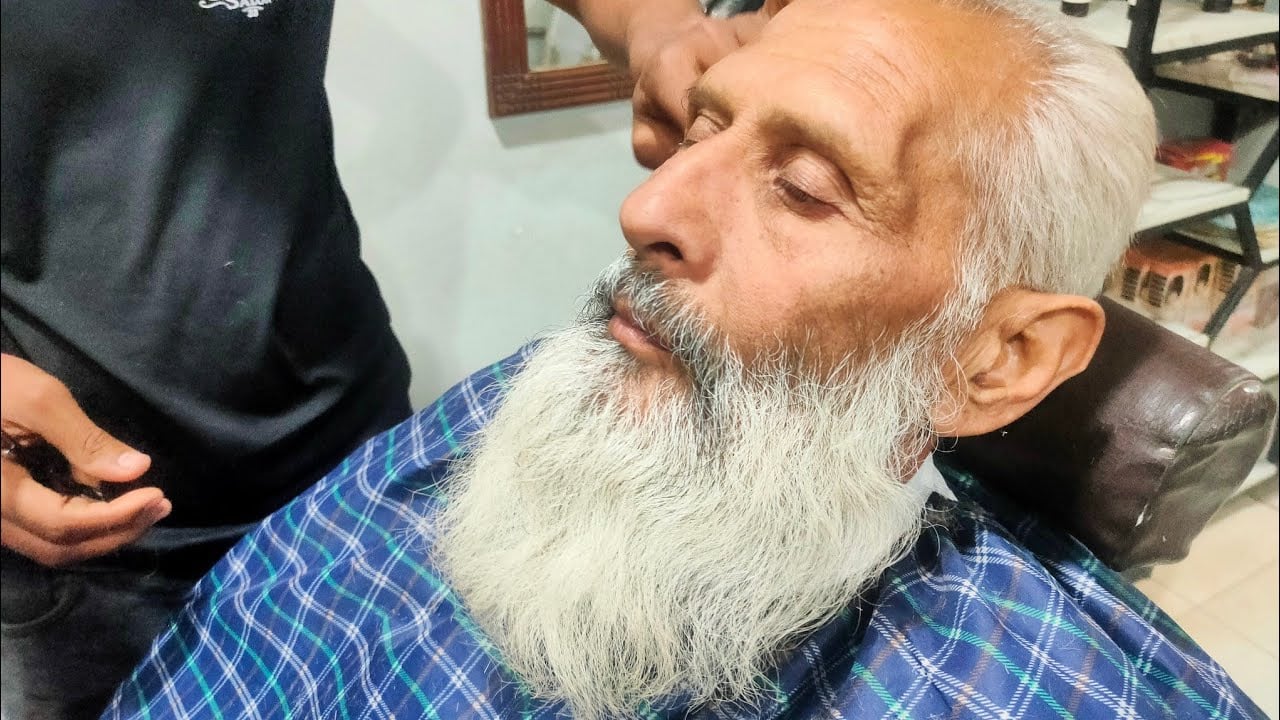
Before Ray stood up to leave, Brenda came back over.
She had been standing near her office door the whole time. I saw her wipe her eyes once and pretend she was fixing her glasses.
“Lucy,” she said. “I’m not taking the fifty dollars out of your check.”
“Brenda, you don’t—”
“I’m not doing it. End of discussion.”
Then she turned to Ray. She looked uncomfortable. Brenda was not a woman who apologized easily. I had worked for her for four years, and I’d heard her apologize exactly once, to a bride whose hair dye came out orange.
“And I owe you an apology,” she said.
Ray listened quietly.
“You came in here asking for help,” Brenda said. “You offered to clean my bathrooms. And I treated you like you were dirt on my floor.” She shook her head. “That’s not who I want to be. I’ve been so busy worrying about my lease and my rent that I forgot what this place is supposed to be for.”
Then she looked down at his broken boot. At the gray sock poking through the split.
“What size do you wear?”
Ray blinked. “Eleven.”
“My husband wears eleven. He’s got a pair of work boots in the garage he bought last year and wore twice because he said they pinched. I’ll bring them in tomorrow.”
Ray opened his mouth to say no.
“Don’t argue with me,” Brenda said. “I’m a terrible person to argue with. Ask Lucy.”
“She’s a terrible person to argue with,” I said.
Ray smiled.
“Thank you, ma’am.”
I asked him what time his interview was. Nine-thirty, he said, at the Eastwood Community Center on Lockwood. A maintenance job. Twenty-two hours a week to start, $14.50 an hour.
“How are you getting there?”
“Bus. The 30 runs past the shelter.”
“I’ll drive you,” I said. “I’m off tomorrow. I’ll pick you up at eight.”
He looked at me for a long time.
“You don’t have to do that.”
“I know I don’t,” I said. “I want to.”
The next morning, I pulled into the parking lot of the Star of Hope shelter at 7:55 a.m. Ray was already standing outside by the front gate, his hands in his jacket pockets. He’d probably been there since seven.
Brenda had come in early before her first client and dropped off a paper grocery bag at my apartment. Inside were her husband’s work boots, barely scuffed. A blue button-down shirt still in the store packaging, with the receipt for $24.99 taped to it. A brown leather belt. And a folded twenty-dollar bill with a sticky note that said: Lunch. Don’t argue. —B.
Ray changed in the shelter bathroom.
When he walked back out, I almost didn’t recognize him.
Clean hair, cut short and neat. His beard trimmed close. The blue shirt tucked in. The belt. The good boots.
He stood up straighter. He walked differently.
He looked like someone people might finally give a chance.

Laura Bennett writes about complicated family dynamics, difficult conversations, and the quiet moments that change everything. Her stories focus on real-life tensions — inheritance disputes, strained marriages, loyalty tests — and the strength people find when they finally speak up. She believes the smallest decisions often carry the biggest consequences.