By the next week, the story had gone around the county the way stories do. I braced myself for how it would come back to me.
It came back through Virgil, mostly. Which meant it came back right.
Ray said Virgil told it at the café on Thursday morning, the way he’d tell a story about a good bull or a bad winter. Just what happened, and who did what. No extra on it. When somebody at the next table laughed at the part about Earl, Virgil stopped talking until they quit.
Women I barely knew started stopping me at the grocery store. In the cereal aisle. In the parking lot at the post office. They’d say they had a stepdaddy too, or a brother, or a son-in-law. And they had a ticket somewhere in their own lives that never got paid and never got talked about.
One woman, a retired schoolteacher from Aurora, held on to my arm in the produce section and told me she’d lent her brother $12,000 for a down payment in 1994 and never said a word about it since. Not once in thirty years.
“I just wanted somebody to know,” she said.
I didn’t tell any of them what they ought to do. I just told them I was glad they’d told me. And I meant it.
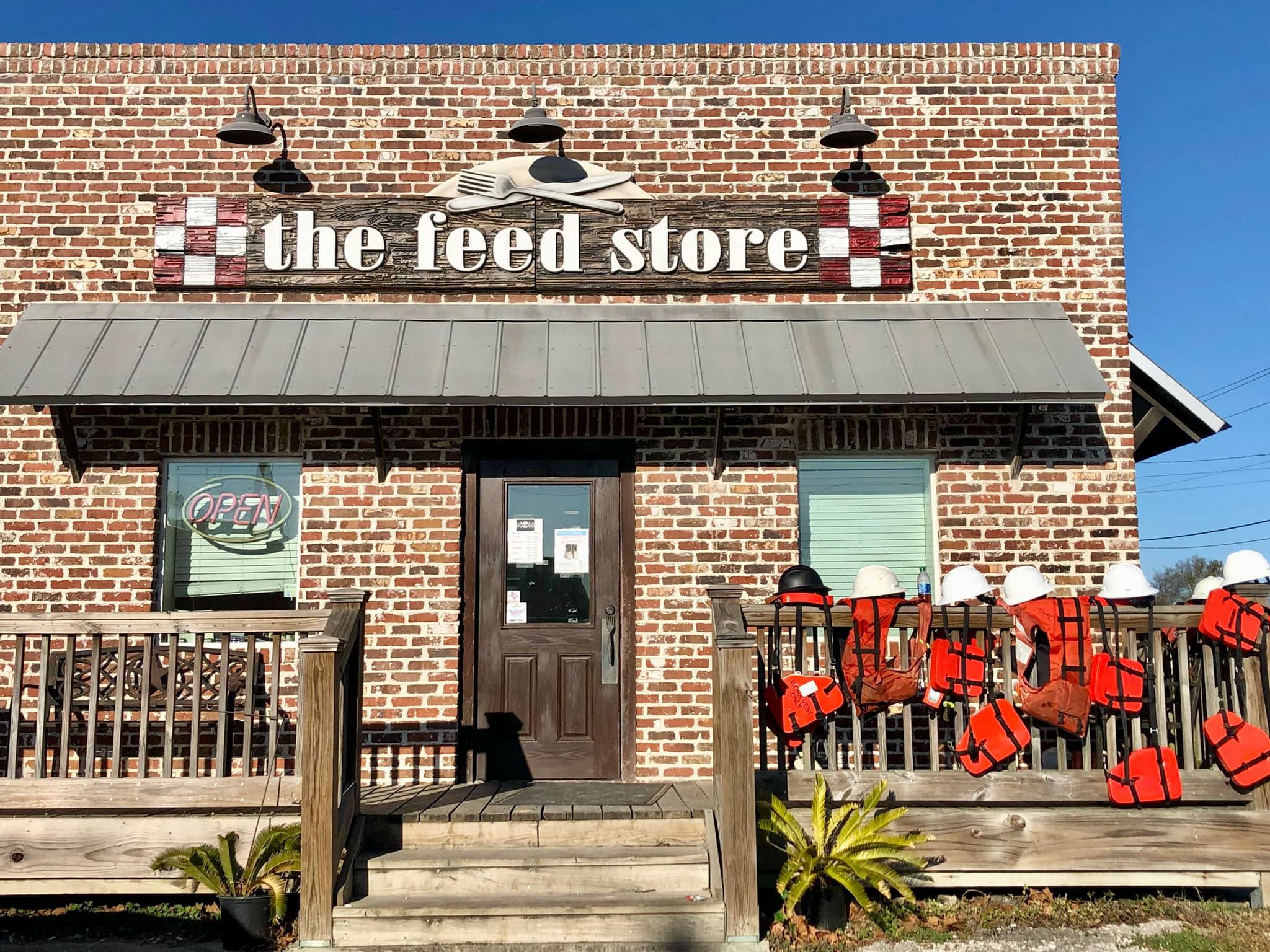
A couple of the men came in and paid their accounts early that month. That has never happened, not once, in fifteen years of owning this store.
Mitch said it was the most profitable gossip we ever had.
Earl’s ticket is still in the drawer under the register, in the G’s, with PAID IN FULL written across it in black marker.
I see it every time I reach for somebody’s charge ticket. I leave it there on purpose. It reminds me what grace costs. And that it’s worth it.
Earl hasn’t charged a single thing since. He pays cash. Or Mama pays with egg money. Once, he paid me with a side of beef, wrapped in white butcher paper from the locker plant, and Mitch said that counted.
The second mortgage is about half paid down now. Twenty cows went through the sale barn last November. The Pruitt boy at the bank helped them refinance the rest into a lower payment, $388 a month instead of $612, and Earl came into the store the day he signed the papers and set the new payment schedule on my counter like it was a report card.
“Thought you’d want to see it,” he said.
Mama’s second refrigerator at the end of the driveway is full every Friday. She raised her price to four-fifty a dozen in the spring and announced it like she’d raised taxes.
And Earl sleeps in his own bed again.

Specialty: Emotional Turning Points
Rachel Monroe writes character-driven stories about betrayal, second chances, and unexpected resilience. Her work highlights the emotional side of family conflict — the silences, the misunderstandings, and the moments when someone quietly decides they’ve had enough.