Last week, I drove out to the property alone.
It was a cold, clear afternoon. I parked by the cabin and walked down the slope to the water. I sat on the old dock my grandfather built and let my boots hang over the edge.
Where the pavilion had been, the grass was growing back. Unless you knew exactly where to look, you could barely tell anything had ever been there.
I took my mother’s letter out of my jacket pocket. I keep it in a plastic sleeve now, the kind you’d use for an important document, because to me that’s what it is. Her handwriting is round and careful, and she talks about me like I was the most important thing she ever made.
There’s a line near the end I didn’t tell you about earlier. I’ve read it so many times I don’t need to look at the page anymore.
“Diane, he’s going to be a gentle man. Don’t let anyone convince him that’s the same thing as a weak one.”
My mother put her faith in one person, and that person showed up every single time. She showed up at the gas station at nine o’clock at night. She showed up in that bank office when I was twenty-two and nobody else would sign. And she showed up for this, at seventy years old, with a bad heart and a stack of certified letters, when the easier thing would have been to let it go.
Against every lie my father told, Diane kept her promise.
I folded the letter and put it back in my pocket.
The sun was going down, turning the water copper and gold. A heron lifted off from the reeds on the far bank and flew low across the lake. Behind me, the cabin’s windows caught the last of the light.
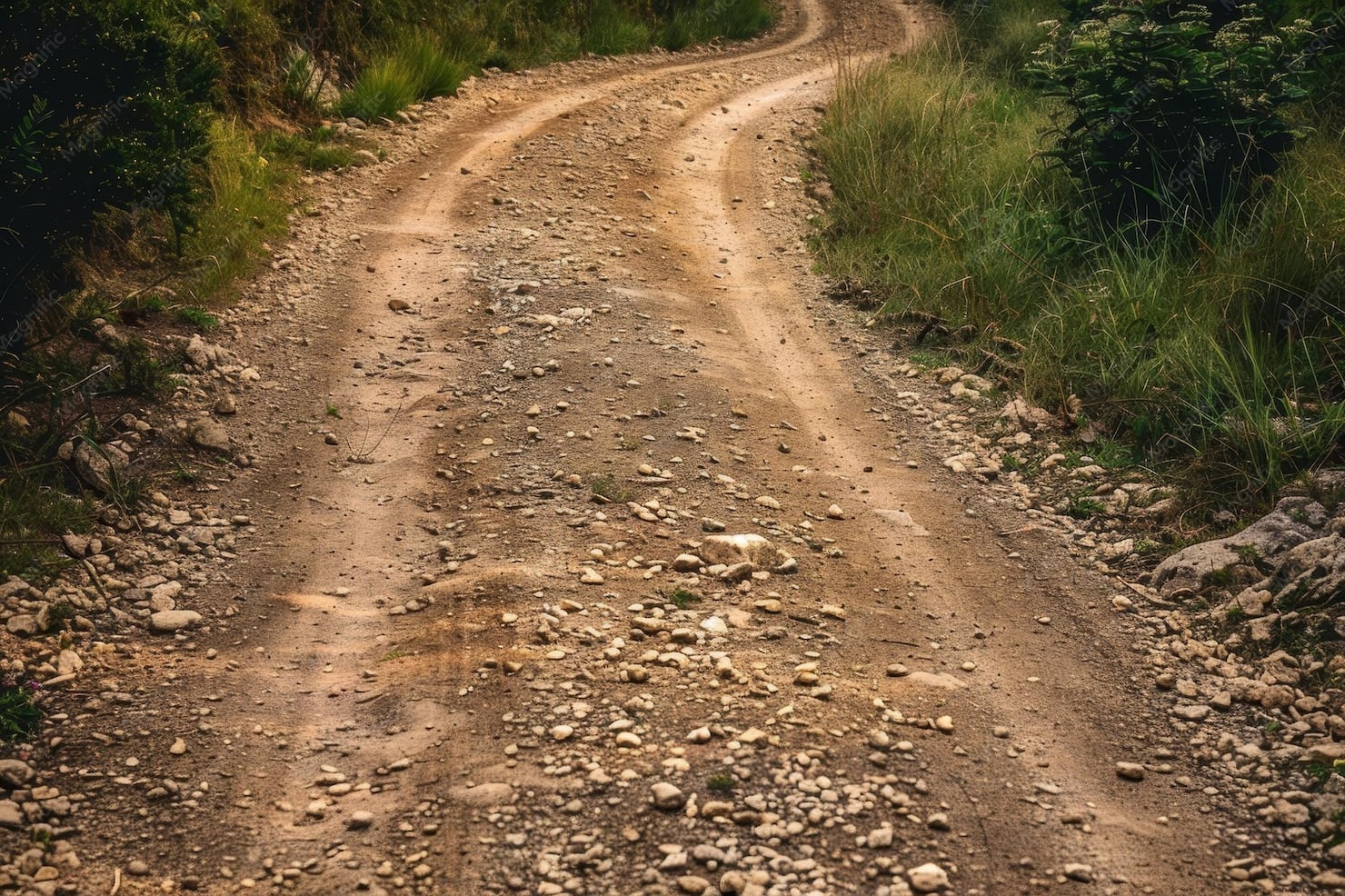
It was quiet, the kind of quiet that used to scare me when I was a kid, the kind I stood in on a dirt road waiting for a truck that never came back.
It doesn’t scare me anymore.
Because I’m not waiting for anybody now. I’m sitting on land my grandparents left, that my aunt protected, and that my mother wanted for me. I got here on my own two feet, the same way I got to that gas station when I was thirteen.
My father was right about one thing. That walk did toughen me up.
Just not in the way he meant.

Specialty: Emotional Turning Points
Rachel Monroe writes character-driven stories about betrayal, second chances, and unexpected resilience. Her work highlights the emotional side of family conflict — the silences, the misunderstandings, and the moments when someone quietly decides they’ve had enough.