Ethan came back to the hospital that afternoon.
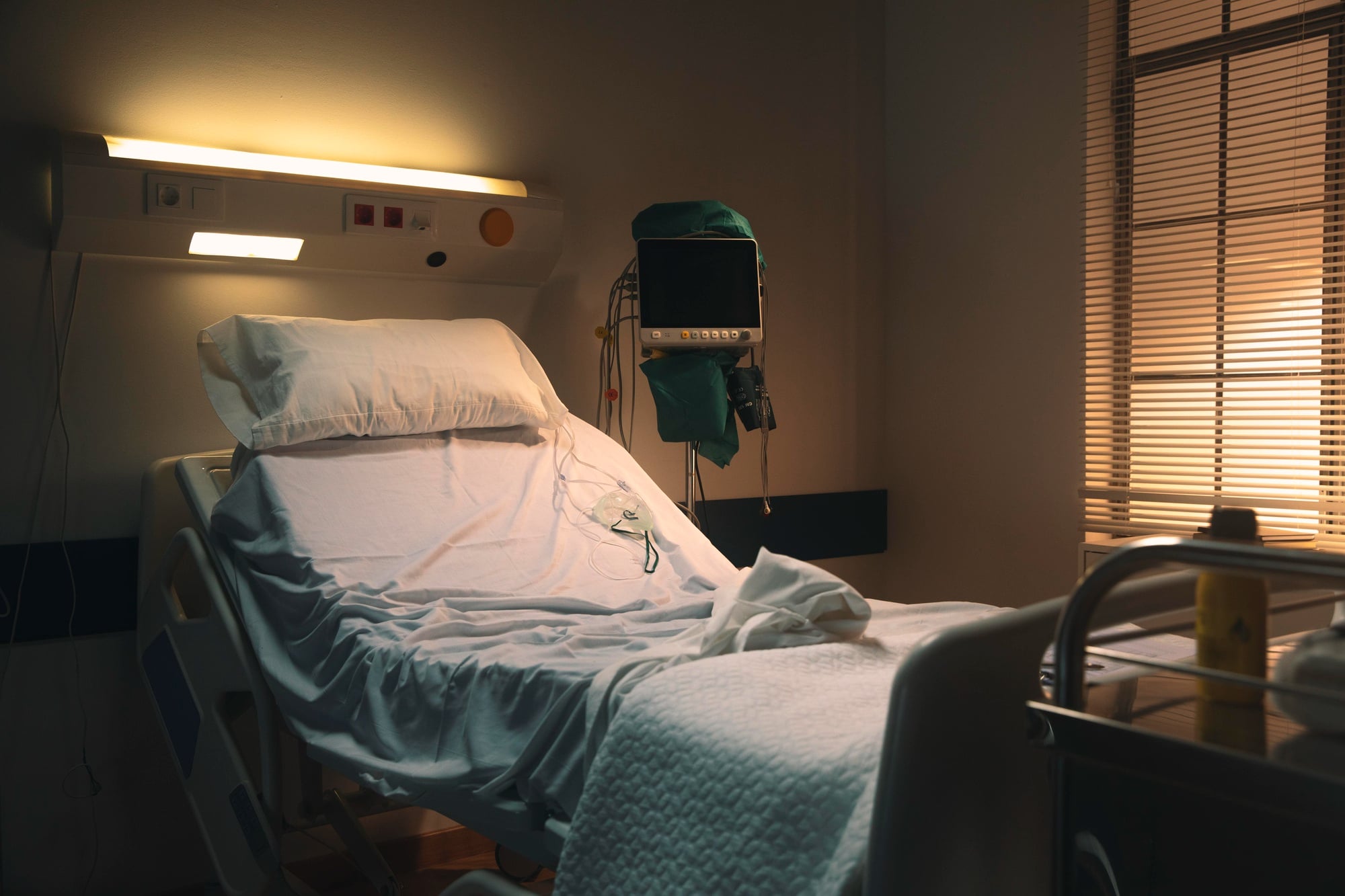
I didn’t expect it. I thought he’d stay away now that the lawyers were involved. But at 3:30, while I was holding Lily against my chest for the first time in two days, the door opened and he walked in, without Margaret this time.
He had a bouquet of grocery store carnations in his hand and a look on his face I knew well. It was the look he used to get after a fight, when he wanted to pretend it never happened.
“Hey,” he said softly. “Can I see her?”
My mother stood up from her chair by the window and put herself between us without a word.
“It’s okay, Mom,” I said.
Ethan came to the side of the bed and looked down at Lily, asleep against my chest in a striped hospital blanket and a little knit cap my mother had brought.
“She’s beautiful,” he said.
“She is.”
He set the carnations on the windowsill.
“Look, Caroline,” he said. “Yesterday got out of hand. My mom was upset. I was upset. I didn’t mean all of it.” He rubbed the back of his neck. “We don’t need lawyers and boxes and all this. Let’s just talk. Like adults. We can work out something fair.”
“Fair,” I said.
“Yeah. Fair.”
“Was it fair to borrow $120,000 against my house with an expired power of attorney?” I asked.
His face went white.
“Was it fair to send that money through your mother to buy a condo in Arlington in her name?”
He opened his mouth, but nothing came out.
“Was it fair,” I said, my voice shaking, “to call my battalion personnel office the day after I was diagnosed with heart failure and ask how fast my life insurance would pay out?”
The monitor beside my bed started beeping faster. Ninety-eight. A hundred and two. A hundred and six.
“Caroline,” my mother said sharply. “Breathe.”
I breathed. In for four, hold for four, out for four. The monitor slowed. A hundred and one. Ninety-seven.
Ethan stood there with his mouth open.
“Who told you that?” he finally said.
“It doesn’t matter who told me,” I said. “You did it.”
“I was just asking a question. Anybody would want to know. You were dying, Caroline. The doctors said…”
“The doctors said I have a serious condition that most women recover from with treatment,” I said. “Dr. Raman said fifty to seventy percent of women with peripartum cardiomyopathy recover significant heart function within six to twelve months. She told you that, Ethan. You were standing right there.”
He didn’t answer.
“And you were going to bankrupt yourself keeping me alive?” I said. “Ethan, I’m an active-duty Army officer. My medical care is covered by TRICARE. Lily’s too. The hospital financial counselor came by yesterday. Do you know what my out-of-pocket cost is for this entire hospitalization, the cardiac ICU, the echocardiograms, the medications, the LifeVest they’re fitting me for tomorrow?” I held his eyes. “Zero dollars. You weren’t going to pay a dime. You never were.”
The color drained from his face completely.
“I didn’t know that,” he said.
“You never asked,” I said. “You asked about the life insurance instead.”
My mother walked to the door and held it open.
“I think it’s time for you to go, Ethan,” she said.
He looked at Lily one more time, then at me. Then he walked out, leaving the carnations wilting on the windowsill.

Laura Bennett writes about complicated family dynamics, difficult conversations, and the quiet moments that change everything. Her stories focus on real-life tensions — inheritance disputes, strained marriages, loyalty tests — and the strength people find when they finally speak up. She believes the smallest decisions often carry the biggest consequences.