Those eleven weeks were long.
I called Mom every evening instead of every Monday. She told me about the cats, the weather, the church ladies’ quilting group, and a cardinal that had started coming to the feeder outside the kitchen window. Every time, before we hung up, I asked her the same question.
“What does the thermostat say, Mom?”
“Seventy,” she’d say. And then, a little sheepishly, “Sixty-eight at night.”
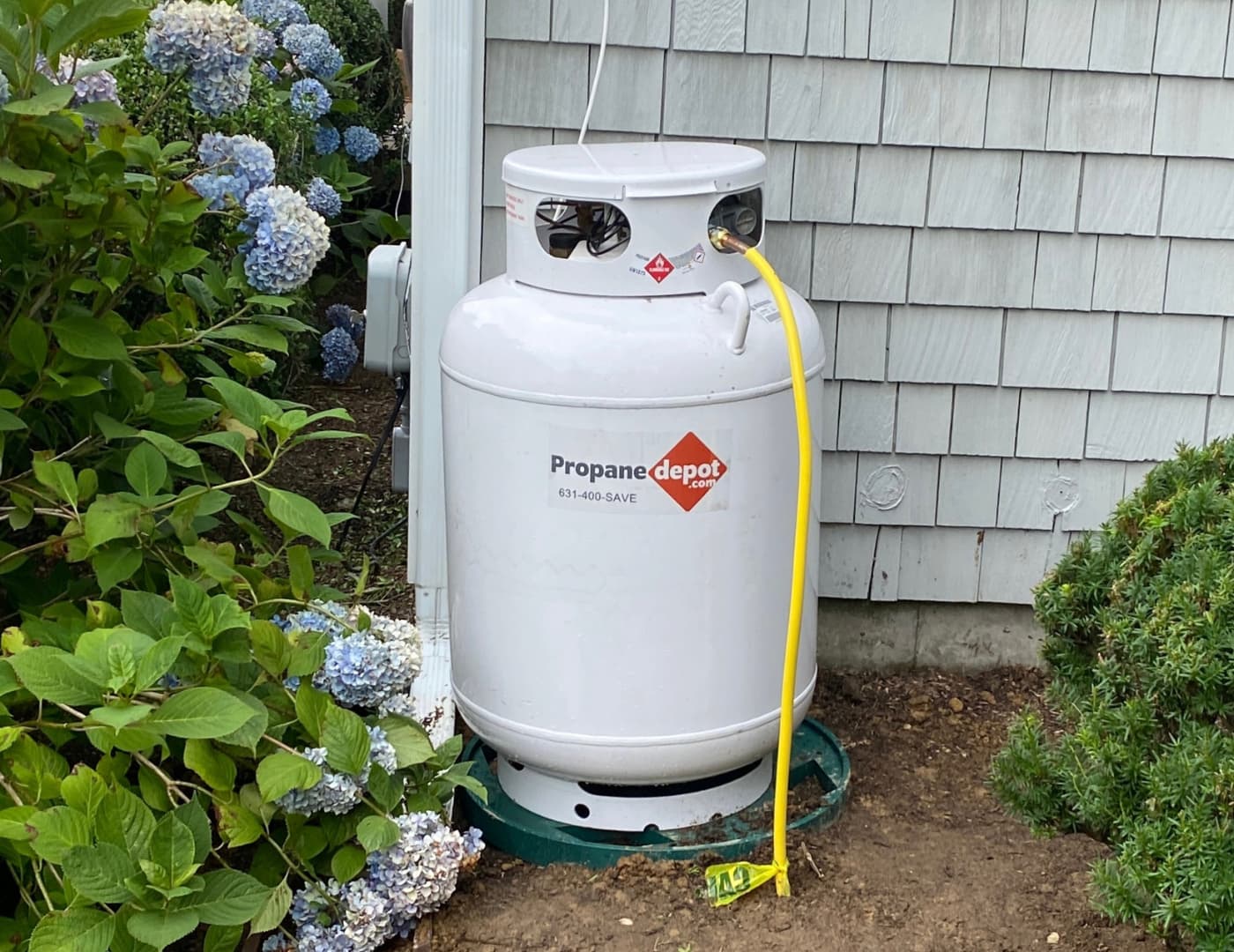
In late February the co-op’s monitor reported the tank at thirty percent, and a truck came out and filled it without anybody calling. Bev phoned me afterward to let me know.
“Kyle filled her up this morning,” she said. “Three hundred and forty gallons. Your mom came out on the porch in a sweater and brought him a plate of cookies.”
I laughed for the first time in weeks.
The charge was $711. It went on my Visa. I didn’t mind.
I didn’t hear from Pam. Not a call, not a text, not a card. When I asked Mom about her, she’d say, “She’s been out a few times. She doesn’t talk about you. She’s just tired, honey.”
Through Rob’s wife Shirley, who keeps in touch with everyone, I heard more. Mark’s back surgery had been more complicated than they expected. He’d been approved for short-term disability through his employer, but it only paid sixty percent of his wages and ran out after twelve weeks. His long-term disability claim had been denied the first time. They’d gotten a bill from Trinity Hospital for $18,400 after insurance, for their share of the surgery and the hospital stay. And they were two months behind on their mortgage.
Shirley said Pam had picked up extra shifts at the nursing home where she works as a CNA. She was working sixty hours a week.
“She’s drowning, Julie,” Shirley said on the phone. “She’s not a bad person. She’s just drowning, and she’s too proud to say so.”
I sat with that a long time.
At work, I’d seen hundreds of families like Pam’s. Good, hardworking people who get hit with one medical emergency and watch everything slide out from under them. The hospital bill comes, then the late mortgage notice, then the credit card balances climb. They stop opening the mail because every envelope is bad news.
I’d also seen what happens when they’re too ashamed to ask for help.
I thought about my sister ordering two hundred gallons of propane instead of four hundred, and maybe using the rest of our money to keep her lights on. I thought about my mother writing $1,400 checks so her daughter wouldn’t lose her house, then turning the thermostat down so she wouldn’t run out of propane.
Two people I loved, each trying to protect the other, and nobody telling the truth.
And me, a hundred and twenty miles away, sending my $250 every October and feeling like I’d done my part.

Laura Bennett writes about complicated family dynamics, difficult conversations, and the quiet moments that change everything. Her stories focus on real-life tensions — inheritance disputes, strained marriages, loyalty tests — and the strength people find when they finally speak up. She believes the smallest decisions often carry the biggest consequences.