The following Tuesday, I took another personal day and drove Mom to Mr. Ostrander’s office in Harvey.
Mr. Ostrander has been our family’s lawyer for thirty years. He’s in his seventies now, a thin, stooped man with a white mustache and a cardigan with leather elbow patches. His office is above the hardware store on Main Street, up a narrow flight of creaky stairs.
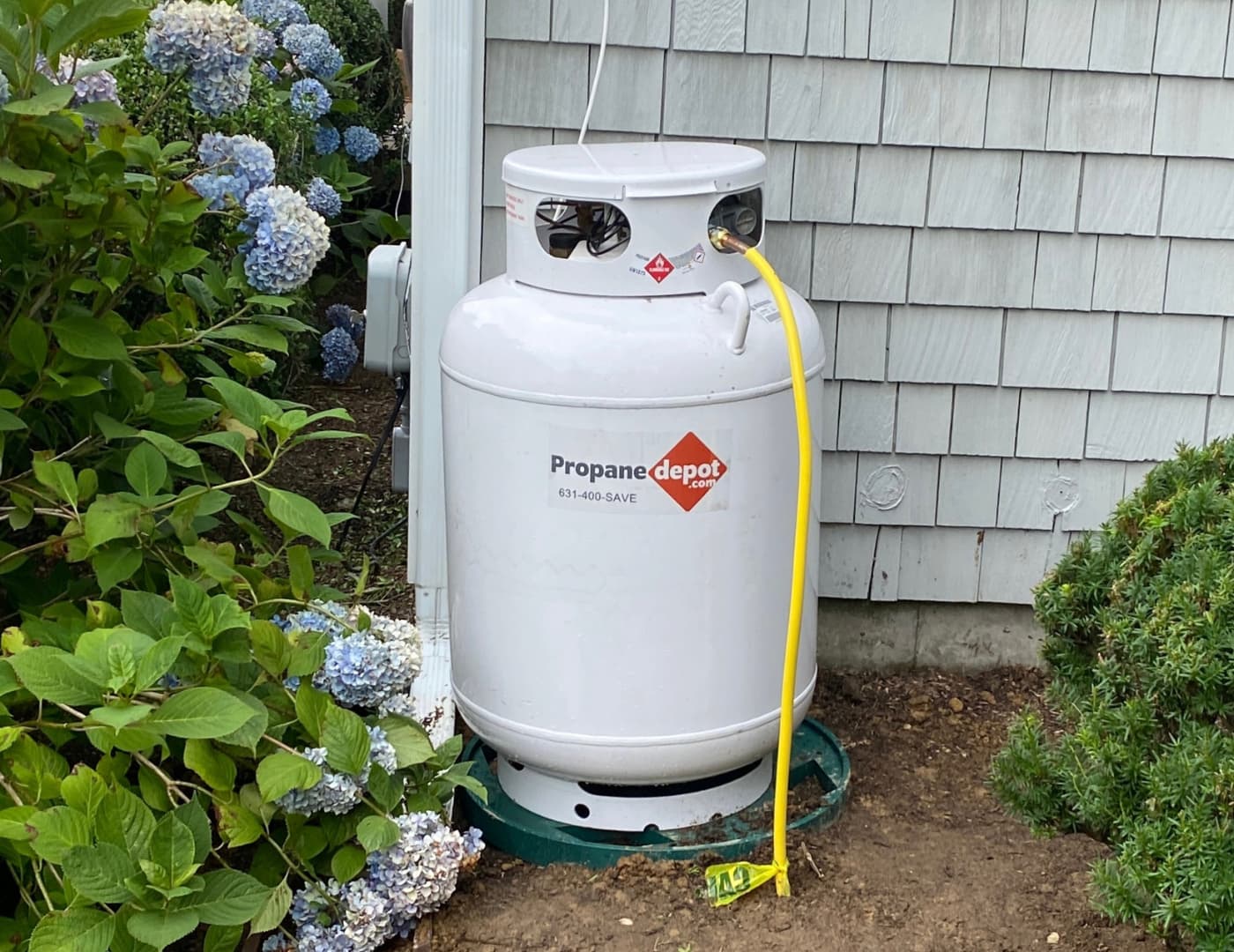
He listened to everything. The propane, the coat, the frost on the windows. Then I showed him the bank statements.
He studied the four checks for a long time.
“Arlene,” he said gently, “these are your checks. Your handwriting. Did anyone pressure you to write them?”
“No,” Mom said firmly. “Pam never asked me for a dime. I offered. Mark can’t work, and I wanted to help.”
“That’s your right. It’s your money, and you can give it to whoever you choose.” He took off his reading glasses. “But I’ll tell you what worries me. You gave away five thousand six hundred dollars, and then you sat in a cold house because you thought you couldn’t afford to heat it. That tells me nobody was looking at the whole picture. Not you, not Pam, not anybody.”
Mom looked down at her lap.
“So here’s what I’d suggest,” Mr. Ostrander said. “First, let’s get you a durable power of attorney for your finances, and a health care directive. You pick who you want. That person would be able to act for you if you ever couldn’t act for yourself. Right now nobody can.”
“What about Pam being on my bank account?”
“Being a joint owner on your checking account is not the same as a power of attorney,” he explained. “When someone is a joint owner, the money in that account legally belongs to both of you. And when you pass, it generally goes straight to the joint owner, not through your trust or your will. Walt set up your trust so all four children would share equally. If Pam stays on the account, whatever’s in it when you die would likely go to her alone.”
Mom’s eyes went wide. “I didn’t know that.”
“Most people don’t,” Mr. Ostrander said. “It’s very common, and it causes a lot of hard feelings in families. Walt wouldn’t have wanted that.”
“No,” Mom said softly. “He wouldn’t.”
She sat quietly for a long time. Then she said, “I want Julie and Rob on the power of attorney. Together. Both of them have to agree on things. And I want Pam off the checking account.” She paused. “But I want her to be able to see my statements. I don’t want her to think I’m hiding anything from her.”
Mr. Ostrander nodded. “We can have the bank set Pam up with view-only online access, so she can see the account without being an owner. And Julie and Rob can be your agents under the power of attorney. That’s a good plan, Arlene.”
Mom signed the durable power of attorney and her health care directive that afternoon, in front of Mr. Ostrander and a notary from the bank downstairs. Rob drove over from Mandan the next week to sign his acceptance as co-agent.
On the way home, Mom looked out the window at the snow-covered fields.
“I want you to tell Pam yourself,” she said. “About the bank account. I don’t want her finding out from the bank.”
“I’ll tell her at Easter, Mom.”
“She’s going to be hurt.”
“I know.”
Mom sighed. “Your father always said the hardest thing about raising four children was that they never stopped being four different children.”

Laura Bennett writes about complicated family dynamics, difficult conversations, and the quiet moments that change everything. Her stories focus on real-life tensions — inheritance disputes, strained marriages, loyalty tests — and the strength people find when they finally speak up. She believes the smallest decisions often carry the biggest consequences.