Pam called on Thursday, the day after I got back to Bismarck.
I was at my desk at the credit union, reviewing a car loan application, when my phone lit up with her name. I stepped into the break room and closed the door.
“Hi, Pam.”
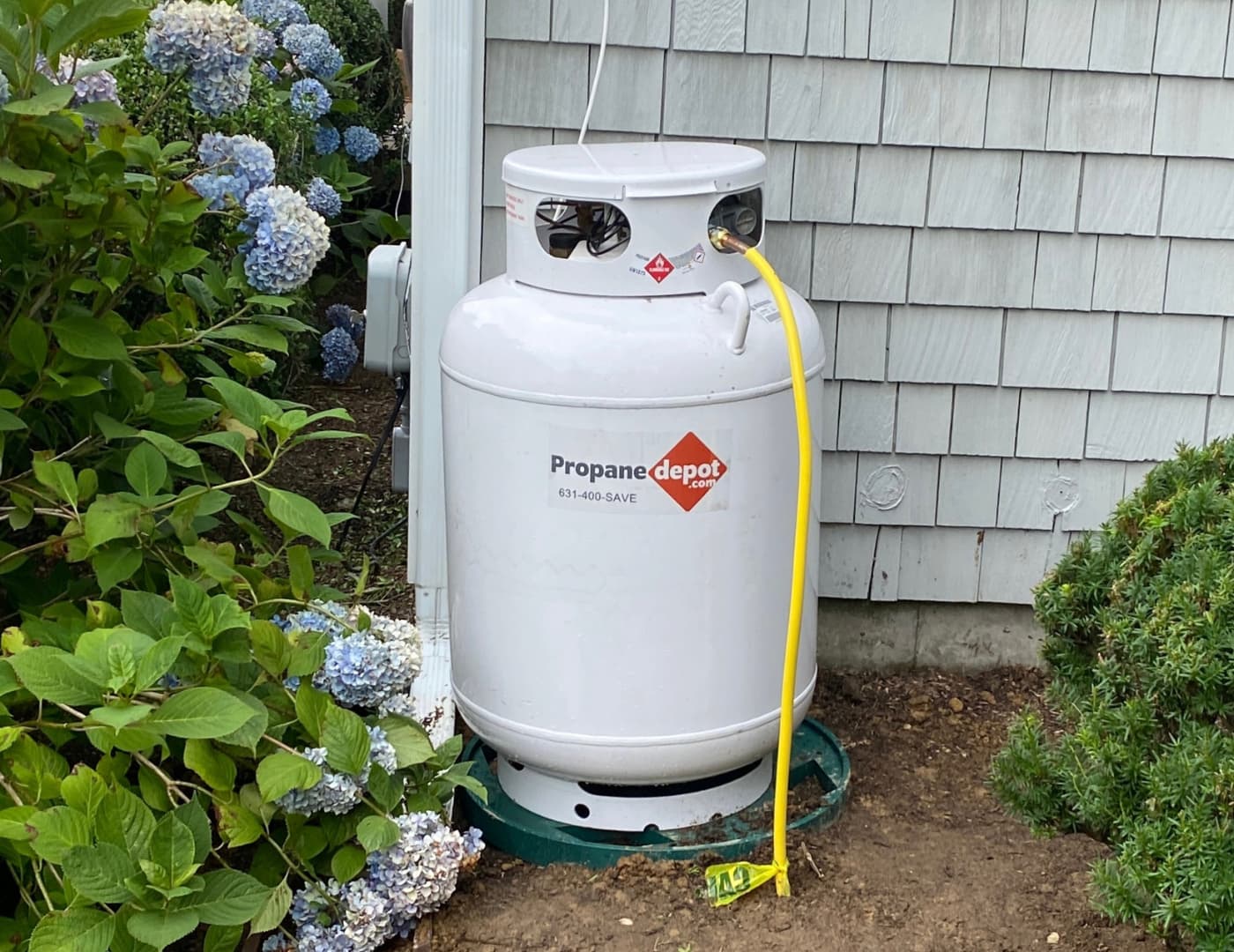
“The co-op called me.” Her voice was tight and fast. “They said the tank’s been moved off my account. Into your name. Without telling me.”
“Yes.”
“You went behind my back.”
“I went to the co-op,” I said. “Mom’s tank was at five percent, Pam. It was thirty-one below. She was sleeping in her coat. The thermostat was at fifty-eight. There was frost on the inside of the windows.”
Silence on the line.
“I didn’t know it was that low,” Pam said finally. Her voice had changed.
“The October delivery was two hundred gallons, Pam. Not four hundred. There was no top-off.”
“I was going to get one.” Her voice cracked. “I was going to, Julie. After Christmas. Things have just been so…”
“I know about Mark. I know about the checks from Mom.”
There was a sharp intake of breath.
“She told you about the checks?”
“I saw them on her bank statement.”
“You went through her bank statements?” Pam’s voice went high and shrill. “Who do you think you are? You drive out from Bismarck one time and suddenly you’re in charge of everything? I’m the one who’s here, Julie! I’m the one who drives her to the doctor and the bank and church. I’m the one who goes out there every week. Where are you? Where are Rob and Dean? A hundred and twenty miles away!”
“Pam…”
“You don’t know what it’s been like! You don’t know anything!”
She hung up.
I stood in the break room holding my phone, my heart pounding.
The worst part was that she wasn’t entirely wrong. Pam was the one who lived close. For four years she’d been the one driving Mom to appointments, picking up her prescriptions at the drugstore in Harvey, sitting with her through the long first winter after Dad died. Rob, Dean, and I sent our money and made our Monday phone calls and came home for holidays. Pam did the rest.
But none of that meant Mom should freeze.
We didn’t speak for eleven weeks.

Laura Bennett writes about complicated family dynamics, difficult conversations, and the quiet moments that change everything. Her stories focus on real-life tensions — inheritance disputes, strained marriages, loyalty tests — and the strength people find when they finally speak up. She believes the smallest decisions often carry the biggest consequences.