The crowd went quiet again.
My mother rolled down the window. She looked across the gravel at her grandson, standing at the edge of the yard in his gray sweatshirt with his hands in his pocket.
“Trace,” she said. “Come here.”
He walked slowly across the gravel to the driver’s side window. His face was pale. His eyes were red.
“Grandma,” he said. His voice cracked. “I’m sorry. I’m so sorry. I was racing. I was racing Cody Hofmeister on the Road M mile, and I had it floored for three miles, and I heard it start to knock and I didn’t stop because I was winning.” He wiped his eyes with his sleeve. “And then I came here and told you it was junk and tried to give you three hundred dollars for it. Because I wanted the engine for my race car.” He was crying now, in front of everyone. “I’m sorry. That was the worst thing I’ve ever done.”
My mother looked at him through the open window for a long time.
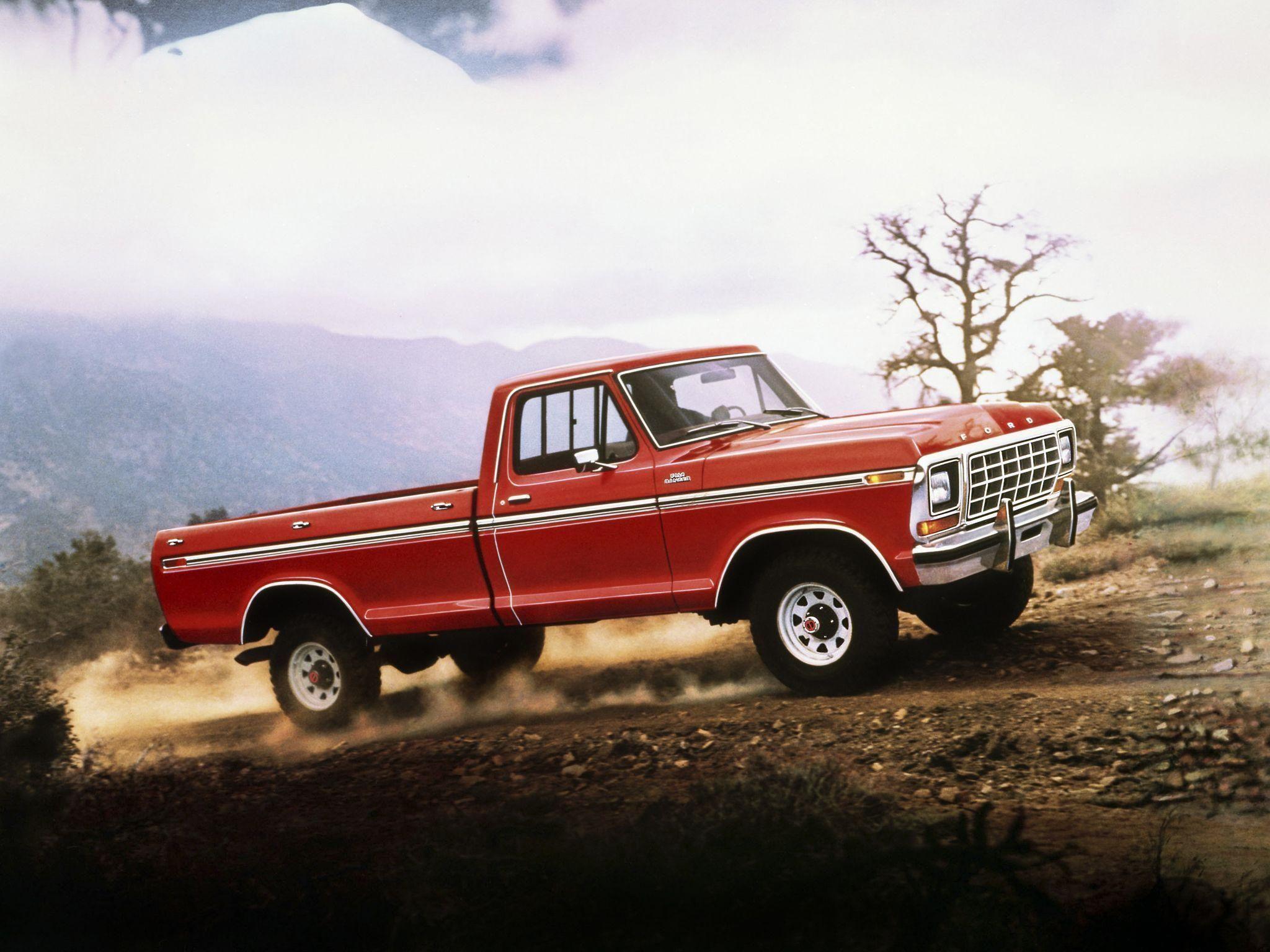
“Your grandfather drove this truck for twenty-four years,” she said. “He never once went over fifty-five. He changed the oil every three thousand miles and wrote it down in a notebook in the glove box.” She paused. “Did you look in the glove box, Trace?”
He shook his head.
“Look now.”
Trace reached through the window, past his grandmother, opened the glove box, and took out a small, worn, coffee-stained spiral notebook.
He opened it. Every page was filled with my father’s careful handwriting. Dates, odometer readings, oil changes, tire rotations. Every three thousand miles, for twenty-four years.
On the last page, in a shakier hand, Dad had written one more line. He’d written it about two months before he died.
For Trace, when he’s old enough. Take care of her and she’ll take care of you.
Trace stared at it.
“He wanted you to have this truck someday,” my mother said softly. “He told me so. He said you loved cars the way he did.”
Trace made a sound like something breaking. He bent over the open window with the notebook pressed against his chest and sobbed.
My mother reached out the window and put her small, wrinkled hand on the back of his neck, the way she used to when he was a little boy and scraped his knee.
“I know you’re sorry,” she said. “I could see it when you drove by those two Saturdays.”
“You saw me?”
“I see everything, honey. I’m your grandmother.” She patted his neck. “Now. Your Aunt Nora spent fifteen hundred and thirty dollars of her own money fixing your mess. And Lowell and Beryl gave up four Saturdays.”
Trace straightened up and wiped his face.
“I’ll pay it back,” he said. “All of it. Every dime.”
“I know you will,” my mother said. “But that’s not all.”
She looked over at Lowell and Beryl.
“These two men kept every truck in this county running for fifty years,” she said. “They taught your Aunt Nora everything she knows. And they’re not getting any younger.” She looked back at Trace. “You want to build race cars? Learn to build an engine first. From the inside. The right way.”
Lowell stepped forward. He looked at Trace for a long moment.
“Saturdays,” Lowell said. “My shop. Eight o’clock. You bring the donuts.”
Beryl nodded. “And you bring a notebook.”
Trace looked from one old man to the other.
“Yes, sir,” he said. “Yes, sir.”

Laura Bennett writes about complicated family dynamics, difficult conversations, and the quiet moments that change everything. Her stories focus on real-life tensions — inheritance disputes, strained marriages, loyalty tests — and the strength people find when they finally speak up. She believes the smallest decisions often carry the biggest consequences.