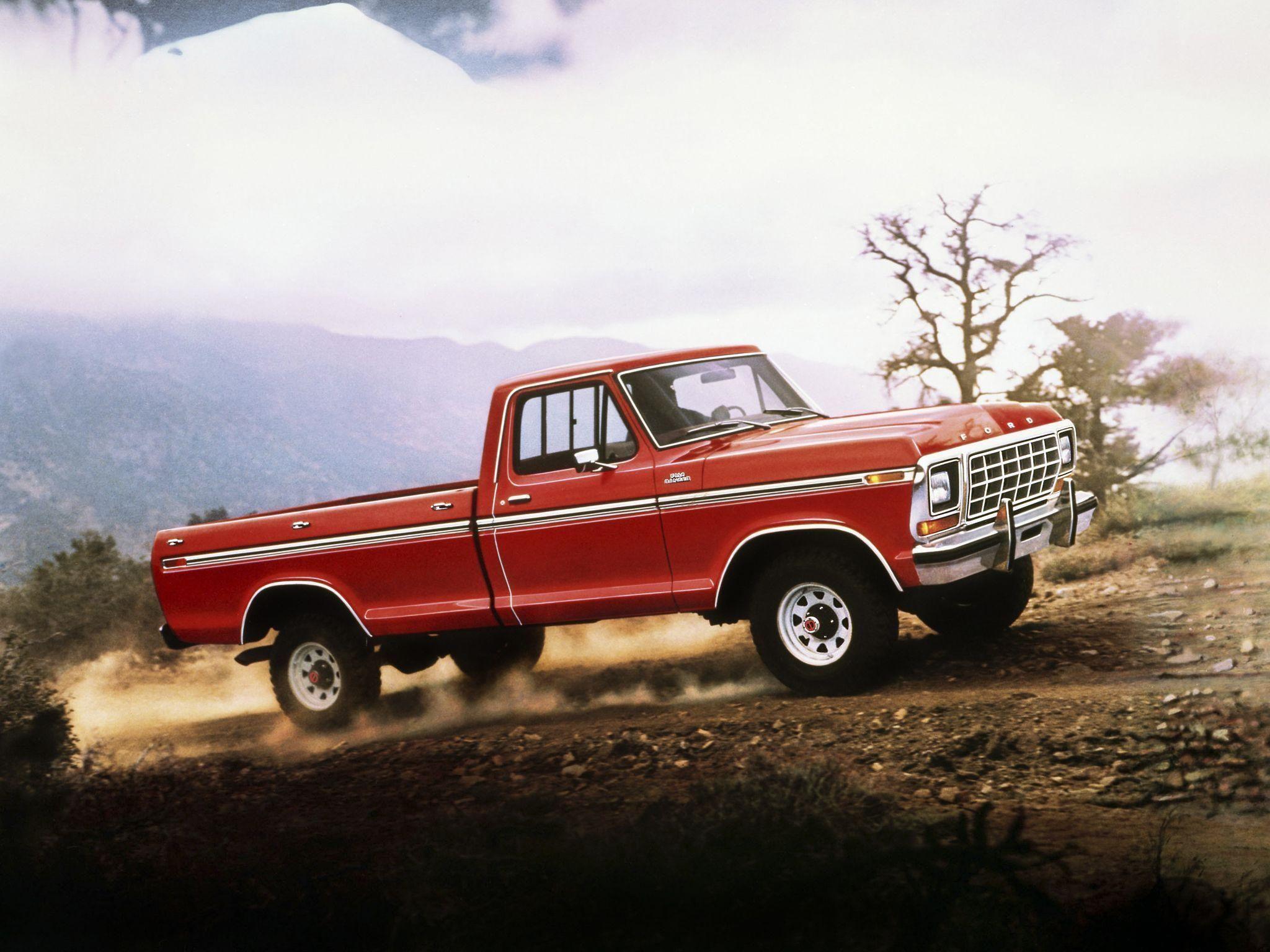
My mother drove the truck to the elevator the very next Monday morning, the first Monday in October.
I was there. I’d taken the morning off and was waiting in the co-op parking lot at five to eight, sitting on the tailgate of my own pickup with a cup of coffee.
At 7:58, I heard it coming down the county road from the south: a deep, smooth rumble.
The red and white Ford came around the corner and pulled into the elevator lot, sunlight flashing off the chrome bumper. My mother sat behind the wheel in her green cardigan, both hands on the wheel, sitting up very straight.
She pulled into her usual spot by the scale house.
Then she honked twice. Beep, beep.
The door to the elevator office flew open. Every man in the coffee crowd came out onto the steps. Lowell. Beryl. Kenny. Bud. Duane. The Pospisil brothers. They stood on the steps in their seed caps and jackets, clapping.
My mother climbed down out of the truck, smoothed her cardigan, and walked up the steps.
Lowell held the door for her.
Inside, somebody had already poured her a cup of coffee.
Trace started paying me back the following Friday. He came to my house after work at the tire shop and handed me an envelope. Inside was a check for $200 and a note in his handwriting on a page torn from a spiral notebook.
$1,530 total. $200 paid. $1,330 left. —T
He paid $200 every other Friday, from his paycheck. He paid it off in fifteen weeks, three weeks faster than I expected.
He sold the old Ford Galaxie race car project to a guy in Hastings for $2,100, used part of the money to pay off what he owed a buddy for the roll cage, and put the rest in a savings account at the bank in Fairfield.
“I’m going to build a race car,” he told me. “Someday. But I’m going to do it right. With my own money. Lowell says I’m not ready yet.”
“Are you?”
“No,” Trace said honestly. “I didn’t even know what a rod bearing was until Lowell showed me.”
He went to Lowell’s shop every Saturday at eight o’clock all that fall and winter, with a box of donuts from the bakery in Clay Center and a spiral notebook. Lowell and Beryl taught him everything. How to read a micrometer. How to check bearing clearance with Plastigage. How to torque a rod cap. How to listen to an engine and know what was wrong with it before you ever opened the hood.
Beryl told me in January, at the elevator, that Trace was the best student he’d had since me.
“He’s got the ears,” Beryl said. “Like you. Like Harlan.”

Laura Bennett writes about complicated family dynamics, difficult conversations, and the quiet moments that change everything. Her stories focus on real-life tensions — inheritance disputes, strained marriages, loyalty tests — and the strength people find when they finally speak up. She believes the smallest decisions often carry the biggest consequences.