In March, my mother asked me to drive her to see her lawyer in Fairfield, a young woman named Ms. Kubik.
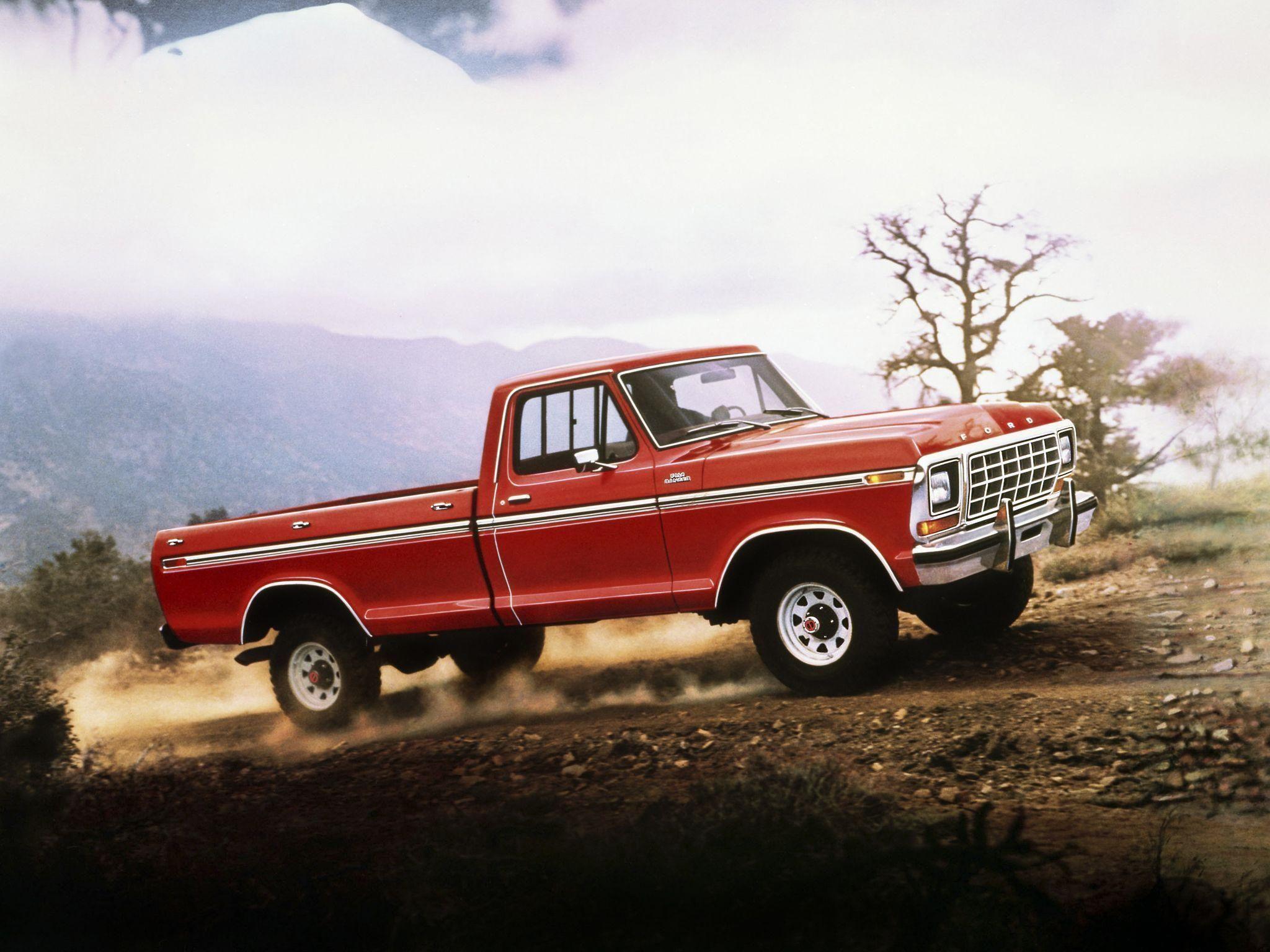
“I want to update my will,” Mom said in the car. “I want to put the truck in it.”
Ms. Kubik’s office was above the bank on Main Street. She was in her thirties, sharp and kind, and she’d handled Dad’s small estate six years earlier. She listened while Mom explained.
“I want the truck to go to my grandson, Trace Brandt, when I die,” Mom said. “But only if he’s taken care of it. If he hasn’t, it goes to my daughter, Nora.”
Ms. Kubik frowned slightly. “That’s a hard condition to put in a will, Mrs. Brandt. Who decides whether he’s taken care of it?”
My mother thought about it.
“Nora decides,” she said. “She’s the mechanic.”
Ms. Kubik wrote the clause carefully. Mom’s 1966 Ford F-100, along with Dad’s maintenance notebook, would go to Trace when she died, provided her daughter Nora Brandt, as executor, was satisfied in her sole judgment that he’d maintained the truck properly in the meantime. If she wasn’t, the truck would go to Nora.
“And one more thing,” Mom said. “Until I die, Trace can drive the truck once a month. To the elevator and back, on a Monday morning. With me in the passenger seat. At fifty-five miles an hour.”
Ms. Kubik smiled. “That’s not really a will provision, Mrs. Brandt.”
“I know,” Mom said. “I just wanted it written down somewhere official.”
So Ms. Kubik wrote it on a separate piece of letterhead, as a letter of instruction, and Mom signed it.
Then Mom called Patty Rezac at the State Farm office and added Trace to her auto policy as an occasional driver. It raised her premium by $14 a month. Trace insisted on paying the difference himself.

Laura Bennett writes about complicated family dynamics, difficult conversations, and the quiet moments that change everything. Her stories focus on real-life tensions — inheritance disputes, strained marriages, loyalty tests — and the strength people find when they finally speak up. She believes the smallest decisions often carry the biggest consequences.